


Categories
blog Sustainable Gardening Basics

Microblog Series: Why should you opt for native plants in your home garden

Native plants play a vital role in supporting our lives as well as the biodiversity around us. When starting a home garden either indoors or outdoors, one must consider choosing plants which are indigenous or native to the environment one lives in.

3 reasons why you must choose native plants for your garden:

1. They complete their family – other plant species find it easy to co-exist with them.
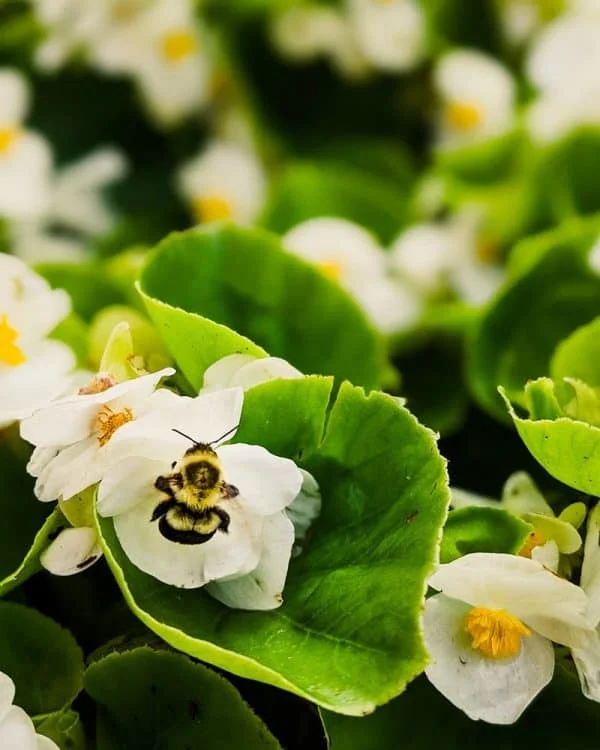
2. Their friends depend on them – birds, butterflies, insects, worms, etc derive their food, nutrition, shelter, medicines in the form of nectar, pollen, seeds, leaves from them.
3. They hold us together – moisture, soil, water, sunlight – all facilitate the natural multiplication of plants and become a part of the larger ecosystem we thrive in.

Besides the above, native plants are also low on maintenance as they’re well equipped to adapt with the local environment.

When starting a home garden either indoors or outdoors, one must consider choosing plants which are indigenous or native to the environment. This is the foundation of building an eco-friendly garden. Native plants also tend to have higher medicinal value which is good for your well-being.

Read more about our sustainable gardening services on Peepal. Link in Bio
Categories
blog Sustainable Gardening Basics

How home gardening can support local biodiversity and ecosystem

Charity begins at home and so does, change.

A small change in our gardening practices can go a long way in creating a sustainable garden. And it all starts from choosing the right kind of plants.
When it comes to create indoor or outdoor gardens, plants are often seen as objects of décor, aesthetics, and beauty.
However, they serve a much larger purpose of providing various tangible and intangible benefits to all living and non-living things on earth.

Take for instance, the pipal (ficus religiosa, the sacred fig tree).

It is a thriving ecosystem within itself with every inch, and function of the tree designed to support life.

From aiding natural reforestation through seed dispersal to giving shelter to fruit-eating birds and insects, this benevolent pipal tree has something in store for all.

Like pipal, India boasts of over 18,000 native species of plants that play an important role in supporting local biodiversity and human life in form of food, shelter, resources, medicine.

Here are a few ways in which you can support a natural ecosystem through your home garden. For both indoor and outdoor garden, choose these types of plants:

1. Plants that are native or indigenous to the place of your stay.

Plants that are native or indigenous to the place of your stay. Such plants are well-equipped to handle the climatic, soil, water conditions and hence, put lesser strain on the environment.

2. Plants that attract pollinators such as birds, bees, butterflies

Plants that attract pollinators such as birds, bees, butterflies. You can share nature’s bounty with them as they help in pollinating seeds from where we get our own food.

3. Plants that optimise therapeutic benefits

Plants that optimize therapeutic benefits from gardening for you and others. From flowers that spread their sweet fragrance in your spaces to providing nectar to butterflies, choose native flowers.

4. Plants that can distinguish beneficial insects from garden pests

Plants that can distinguish beneficial insects from garden pests and protect other plants from being infected. Just like us, plants also have their own in-built, self-defence system.

5. Plants that supplement growth of other fellow plant

Plants that supplement growth of other fellow plants and not outrace, strangle them to make them extinct. Community sharing is one common quality between us.

Such knowledge and conscious choices can go a long way for home gardeners in supporting a natural ecosystem.

Next in this series: Can a home garden sustain itself without our intervention