
Categories
blog Sustainable Gardening Basics

People are the heart of buildings. Gardens are its nervous system.

Since time immemorial, gardens have shared a symbiotic relationship with its people. A relationship meant for recreation, for food, for shelter, for oxygen, for medicine, for rejuvenation. A relationship which believes in co-existing, supporting, depending on each other. A relationship that enhances mental, physical, social, emotional, spiritual well-being.

It’s the garden which has been at the epicenter of all life, for all people. Human beings, birds, bees, butterflies, alike. However, it’s very purpose has changed over the time – and its size, too.

Today, gardens have become a beautification element rather than a necessity. In housing societies, commercial complexes, or public projects, gardens are designed to suit our needs over the others.

Exotic plants are widely used to ‘enhance’ aesthetics, thus displacing native plants and with them, biodiversity. Lawns have taken a centerstage to give a greener look over the grasses, medicinal plants that are lifesaving for many. Old trees are being uprooted, giving way to concrete pathways or appeasement structures, dismantling homes of countless life-forms from birds, insects, that depend on them for food, shelter. Colourful leaves that make a statement are chosen over flowers, which are useless for attracting any pollinators.

While we may imagine a garden to be a huge, open public space, it is now confined to our buildings. Sometimes to our windows. Parks are becoming private and individual.

This change brings a greater responsibility for its residents. Of restoring the ecosystem one plant at a time. Of creating a microcosm for other living beings one garden at a time.

But what’s in it for us? Why should I care about plants, birds, or bees? Well, without them, our existence too is in jeopardy. Without nature’s humble pollinators, we will have nobody to propagate our food. Without the old tree cover, we won’t have clean air or shade to escape from the sweltering heat. Without the humming sounds of birds and fluttering of butterflies, we won’t have mental peace. We have much more to lose than them.

The habitat loss created by urbanization and consumerism is making the biodiversity vulnerable and dependent on us. Though, this trend can be reversed if we stand united in this battle. If each housing societies makes informed, meaningful choices to build or transform garden spaces into sanctuaries for its people, we will be able to create an equal, hospitable environment for all. Be it a building park or an individual’s home.

The idea of a garden should be barter, not banish. To shape the way we live, play, enjoy and do just anything.
Categories
blog Sustainable Gardening Basics

3 reasons why you don’t need a lawn

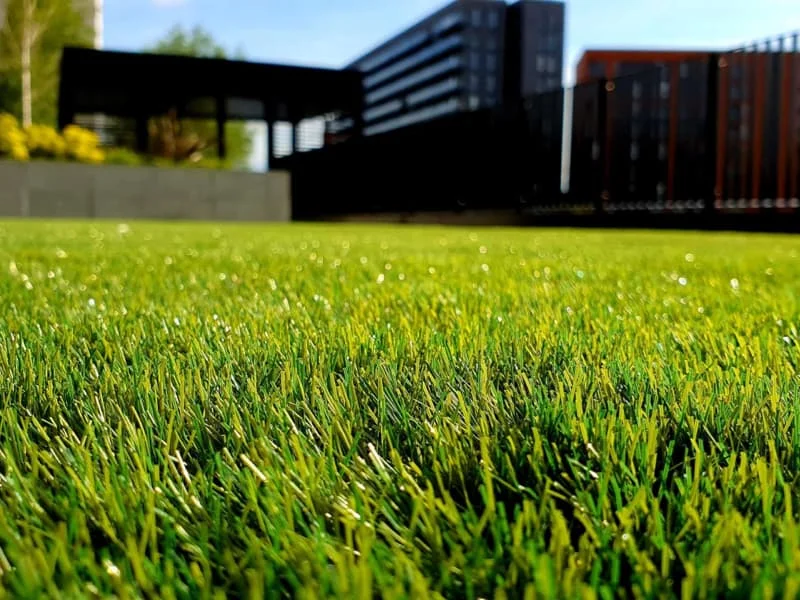
A lush green, perfectly manicured lawn is something we all plan to have one day. But what if we told you that you could have something better along with it and that too, with minimal maintenance?

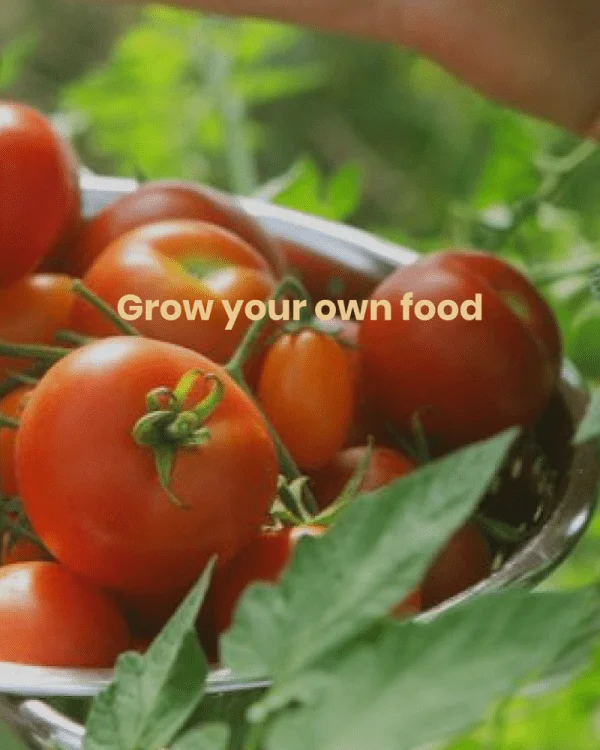
Yes, this is possible. Using sustainable gardening techniques, you can transform your lawn into any lively space you can imagine. From growing your food in small patches or creating a colourful and fragrant flower garden, your lawn can be an oasis of life.

Starting a lawn garden may seem difficult. A little bit of planning and investment in laying the right foundation can make it self-sustainable in the long-run.

Here are the 3 things you could start in your lawn:

Start a small vegetable or herb garden with the help of contemporary raised beds.

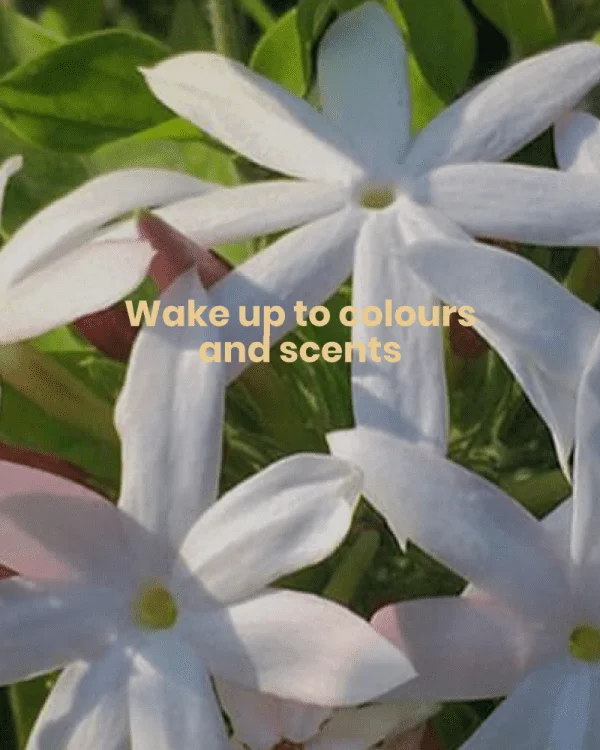
Create a colourful border with different flowering plants that are rich in aroma and beauty.

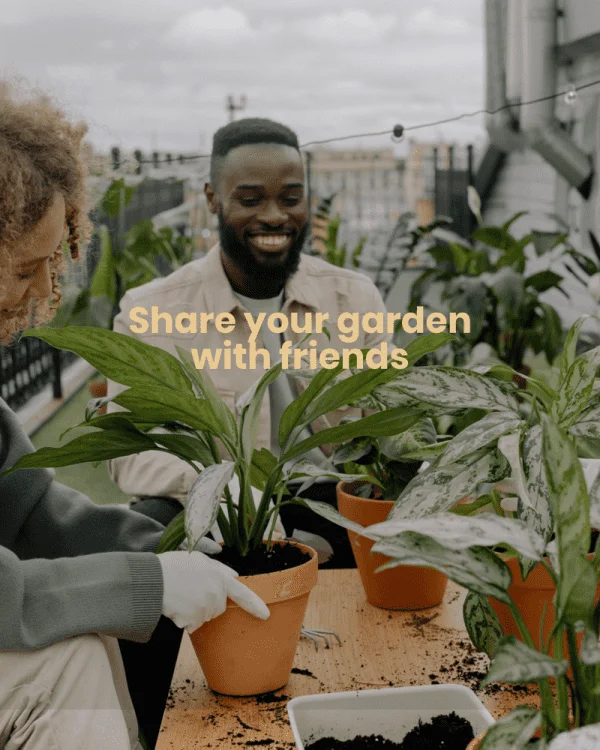
Use your lawn as a green hangout space for the friends of you and nature.

Categories
blog Sustainable Gardening Basics

How home gardening can support local biodiversity and ecosystem

Charity begins at home and so does, change.

A small change in our gardening practices can go a long way in creating a sustainable garden. And it all starts from choosing the right kind of plants.
When it comes to create indoor or outdoor gardens, plants are often seen as objects of décor, aesthetics, and beauty.
However, they serve a much larger purpose of providing various tangible and intangible benefits to all living and non-living things on earth.

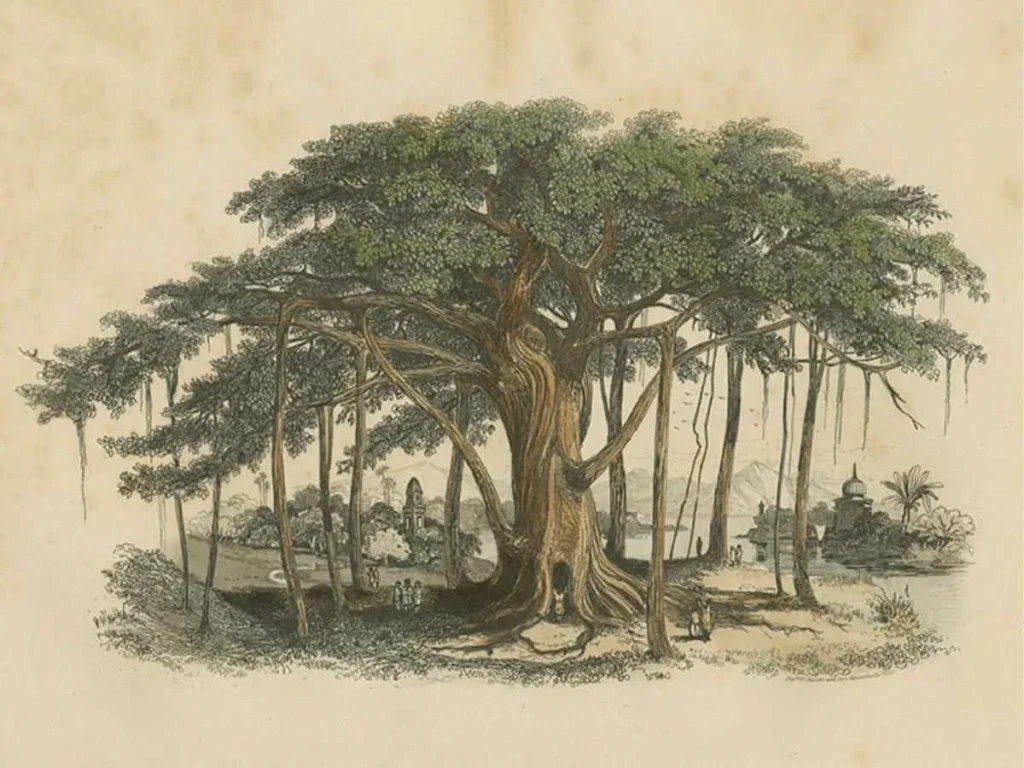
Take for instance, the pipal (ficus religiosa, the sacred fig tree).

It is a thriving ecosystem within itself with every inch, and function of the tree designed to support life.

From aiding natural reforestation through seed dispersal to giving shelter to fruit-eating birds and insects, this benevolent pipal tree has something in store for all.

Like pipal, India boasts of over 18,000 native species of plants that play an important role in supporting local biodiversity and human life in form of food, shelter, resources, medicine.

Here are a few ways in which you can support a natural ecosystem through your home garden. For both indoor and outdoor garden, choose these types of plants:

1. Plants that are native or indigenous to the place of your stay.

Plants that are native or indigenous to the place of your stay. Such plants are well-equipped to handle the climatic, soil, water conditions and hence, put lesser strain on the environment.

2. Plants that attract pollinators such as birds, bees, butterflies

Plants that attract pollinators such as birds, bees, butterflies. You can share nature’s bounty with them as they help in pollinating seeds from where we get our own food.

3. Plants that optimise therapeutic benefits

Plants that optimize therapeutic benefits from gardening for you and others. From flowers that spread their sweet fragrance in your spaces to providing nectar to butterflies, choose native flowers.

4. Plants that can distinguish beneficial insects from garden pests

Plants that can distinguish beneficial insects from garden pests and protect other plants from being infected. Just like us, plants also have their own in-built, self-defence system.

5. Plants that supplement growth of other fellow plant

Plants that supplement growth of other fellow plants and not outrace, strangle them to make them extinct. Community sharing is one common quality between us.

Such knowledge and conscious choices can go a long way for home gardeners in supporting a natural ecosystem.

Next in this series: Can a home garden sustain itself without our intervention