

Categories
blog Sustainable Gardening Basics

Can a home garden sustain itself, without our intervention?

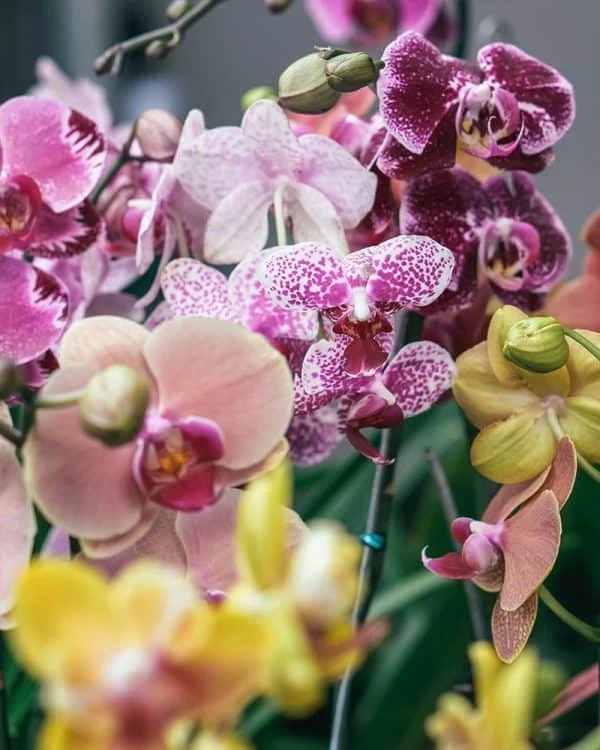
Foreign or exotic plants that are cultivated or introduced somewhere else often become invasive in a foreign land and environment. Such invasion wipes off the native plants and local habitats with speed. When exotic plants outnumber native plants, it affects the biodiversity as the birds, bees, insects, don’t find them conducive for survival.

Their survival has a direct impact on our lives too with our food-chain being impacted among other aspects. To maintain such exotic gardens, one needs to adopt modern technology and products such as fertilizers, pesticides, insecticides, artificial light, water conditions et al. The cost of creating such ‘beautiful’ gardens is not only borne by the ecosystem but also our treasuries eventually.

On the other hand, gardens that embrace local, indigenous plants require negligible human assistance to thrive. Just like a natural forest.

Five factors why native gardens are self-sustaining because:

1) They require minimal maintenance as such plants don’t need additional water, fertilizers, pesticides to survive
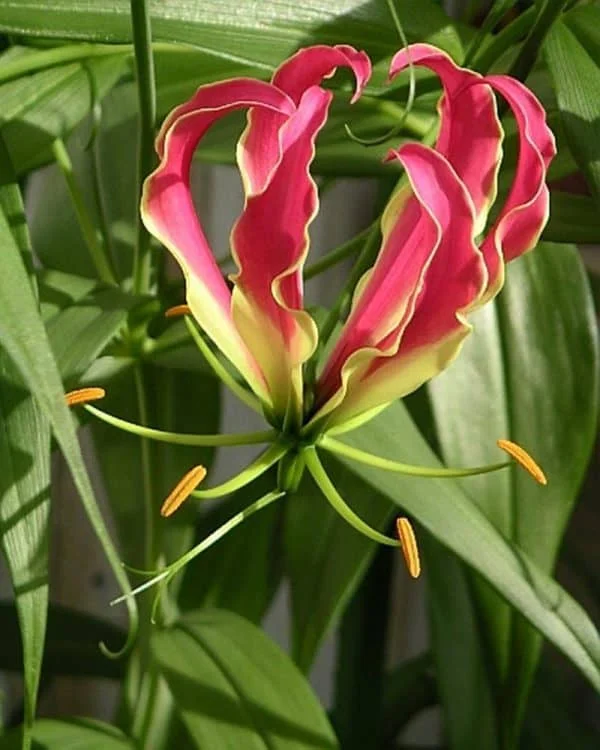
2) They are well-versed with local climatic conditions and are inherently designed to combat them naturally
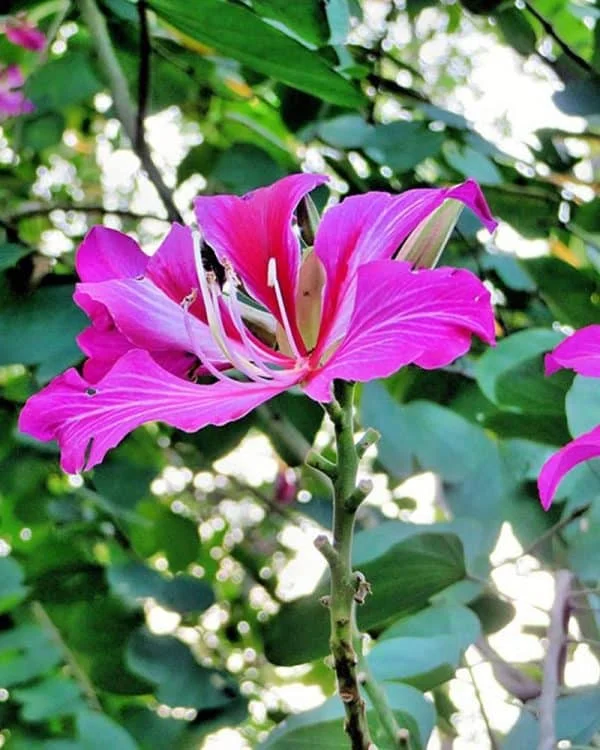
3) They can create a natural paradise for local butterflies, birds & other species that make the garden alive in a real sense
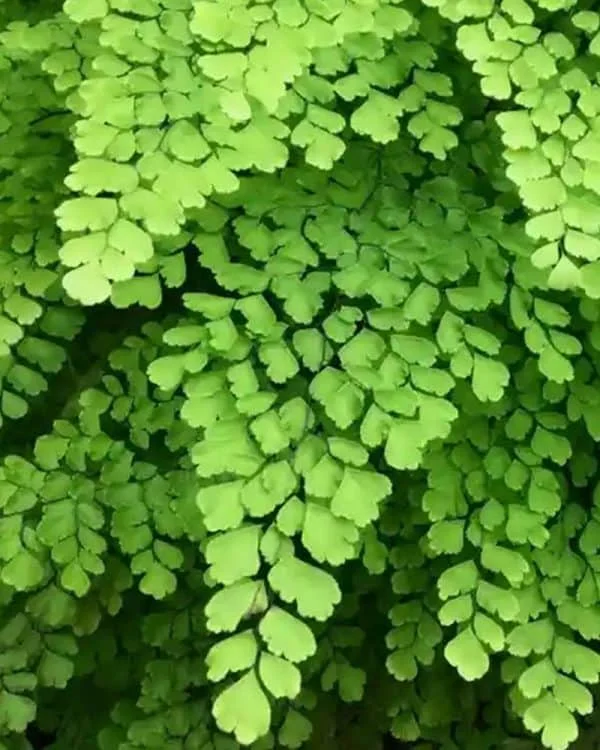
4) They work with other plants in their community to share and conserve nutrients with their root network
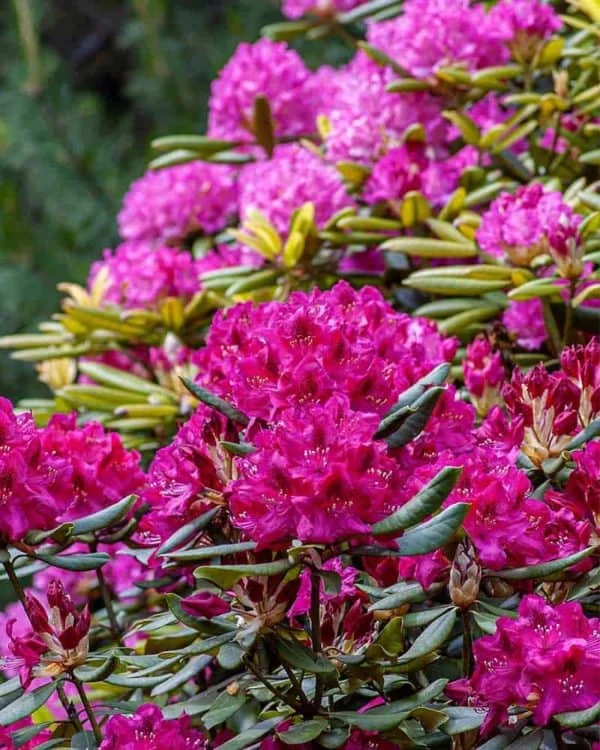
5) They have well entrenched roots that tend to survive the harshest rains, winds, or storms unlike exotic ones

Making conscious choices can lay a root-solid fundamental for your garden whether it is as small as your window or as large as your farm.

Next in this series: How sustainable gardening can help reduce negative impact on our environment