
Categories
blog Sustainable Gardening Basics

Native alternatives to popular exotic plants in India

You might be wondering why I need alternatives to exotic plants? What harm will these plants bring to anyone? The fuss about exotic plants isn’t just about their aesthetic appeal but sustainability – for you and our environment at large.

Worldwide, developed nations are now realizing the value of native, indigenous plants in their ecosystem and working hard to reintroduce them. This realization has come at a heavy price though. From heavy garden maintenance, biodiversity loss, degrading soil health and erosion, reducing green cover, rising temperatures and the list goes on.

In the short-run, effects are hardly felt. Though some are visibility evident such as the movements of birds, butterflies, bees. For instance, birds use their intelligence to recognize exotic trees and avoid building their nests on them. Non-native or exotic trees are weaker in the rooting system as compared to the native trees and are more prone to falling. A good example of this is Mumbai’s popular Gulmohar tree, which dot our cityscape but also pose as a major threat during monsoons.  

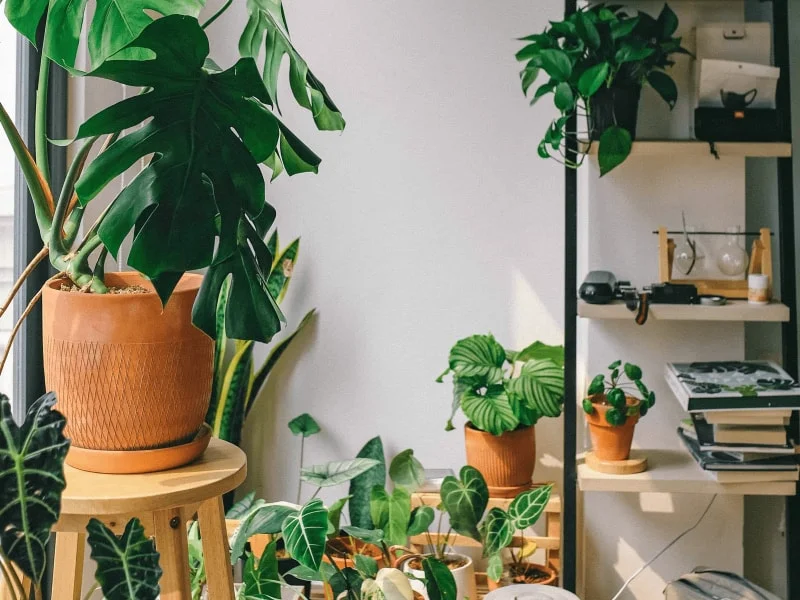
Like Gulmohar in the city, our homes are filled with exotic species too. Be it indoor plants such as Monsteras, Pachira, Bird of Paradise or invasive outdoor species such as Lantana, Bougainvillea, Morning Glory, these pretty plants can take up a lot of your time, space and effort if left unchecked.

Here a few alternatives to exotic and invasive plants while planning your home garden which have near similar aesthetic appeal:

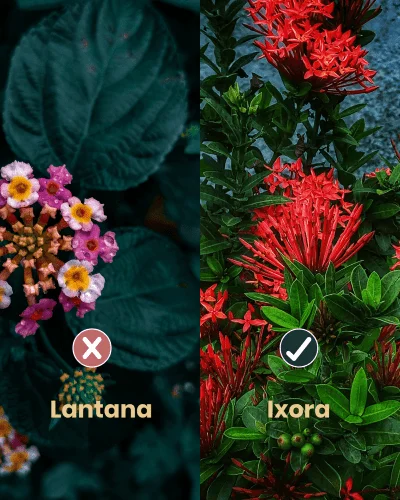
Ixora (Ixora coccinea) – Alternative to Lantana

Popularly known as Jungle Geranium, Ixora is a perennial flowering plant with striking clusters of flowers available in different colours

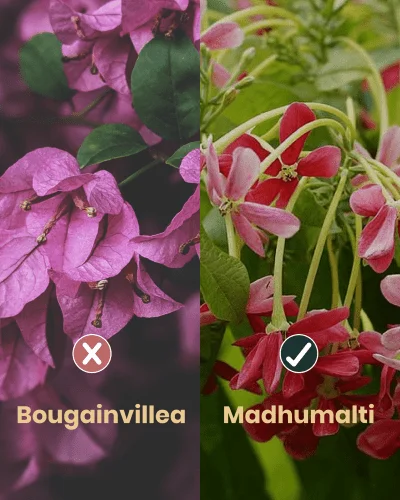
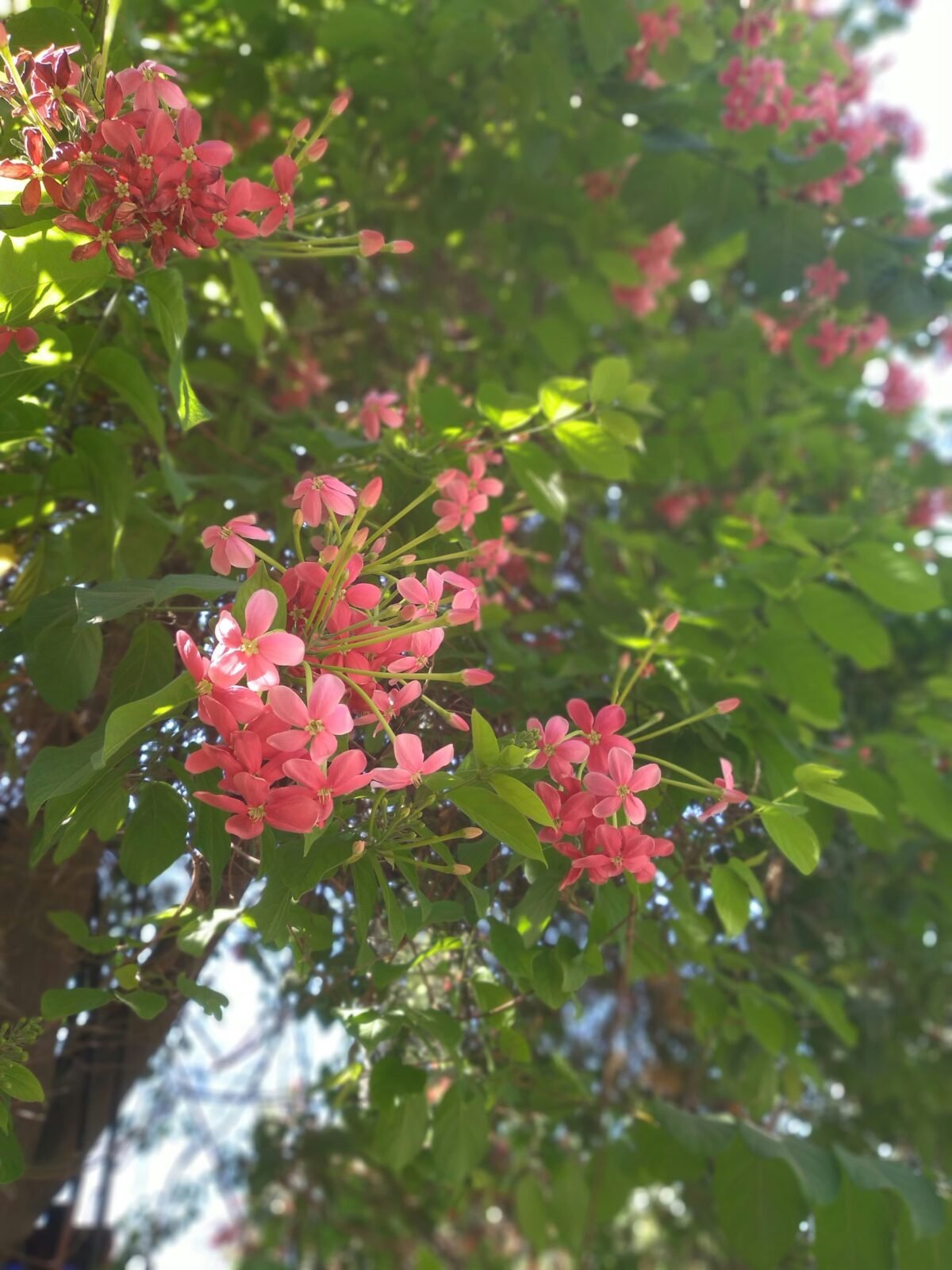
Madhumalti (Combretum indicum) – Alternative to Bougainvillea

Attractive flowers, which blossom like a bouquet of different shades of pink, red and white, can fill your garden with a sweet, unforgettable scent unlike its global counterpart Bougainvillea.

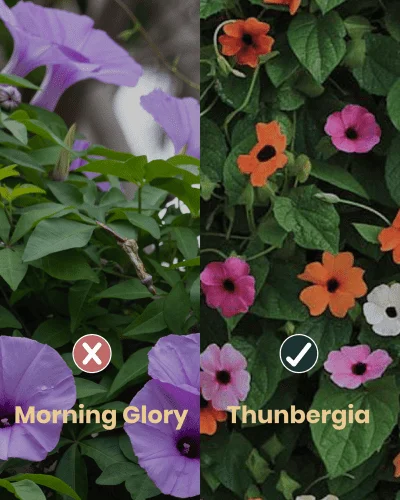
Thunbergia (Thunbergia grandiflora) – Alternative to Morning Glory

Creating a natural green wall couldn’t be easier with Thunbergia. It’s thick green foliage coupled with beautiful purple flowers can create a sturdy green barrier in no time.

Kaner (Nerium Oleander) – Alternative to Thevetia

Drought resistant, perennial, flowering and bushy – what more can a garden demand!

Son Champa (Michelia champaca) – Alternative to Plumeria

A highly underrated, hardy, fragrant plant that adorns our festivities every year. Son Champa can be a great addition to any garden – big or small.

Exotic plants are not bad by themselves. They are just plants after all, but happen to be in a different place, unknown environment, and more often bring along a host of issues. The human endeavor to introduce and multiply exotic plants in non-native conditions creates a negative impact on the local ecology.

Start by adopting these hardy, low-maintenance plants that can serve as great alternatives to exotics.
Categories
blog Sustainable Gardening Basics

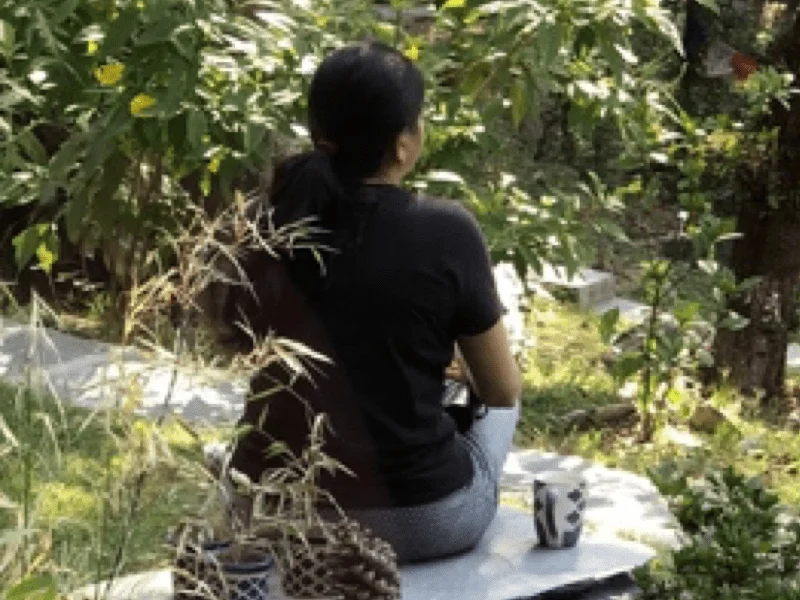
3 reasons why you need garden therapy

We are surrounded by jargons. Especially in the green world. From biophilia to sustainability, every concept seems convoluted. Though if one tries to dig deeper, the simplicity behind such complexity can be truly uncovered.

To understand, we first need to revisit the basics. What is a garden? What is it meant to do? Why should I have one? Before we deep-dive, we must remember that there’s no right or wrong answer, it’s just a matter of our own interpretation.

There are several definitions of a garden. A plot where flowers, plants, fruits, herbs are cultivated. A place meant for enjoyment with plants. A planned space, usually outdoors, set aside for the display with grass, ornamental plants.

Well, a garden is all of it and much more. It is a collective of people and plants, where they come together to celebrate life, appreciate beauty, harvest bounty and above all, share joy.

A garden is also one such place, that embraces every kind of gardener – one who is actively involved in planning, observing, nurturing, sharing insights, being physically involved in the act of gardening or making use of the garden for leisure, recreation and other purposes.

And it takes care of the passive ones too – who don’t engage themselves in the process but yet reap the indirect benefits by being around. From the calm and cool of green to the scent of flowers, plants have this magical, intangible impact on everyone.

Here are top three reasons why everyone should consider garden therapy:

Holistic well-being: It is a known fact that plants can heal our body. And, they can also heal our mind and soul. From reducing stress, improving mood and memory, enabling social skills, promoting emotional growth in form of self-esteem, to making one self-aware, a garden has a lot of offer for us.

Pollution-free environment: Every plant exhales oxygen and inhales carbon dioxide. It’s a natural phenomenon called photosynthesis. By doing so, every plant contributes towards cleaning the air we breathe, bringing the rainwater we drink and cooling the climatic conditions we live in.

Health and lifestyle: By adopting organic and sustainable methods of gardening, one can produce his/her own food chemically-free. From herbs to vegetables, an organic garden can help increase vitality, longevity of people while also inviting beneficial pollinators to pollinate our food naturally. After all, a healthy body and mind can enjoy life to the fullest.

A garden is more than a place of past-time or a hobby. It has the potential to heal our body, mind and even soul. This form of therapy is the most pioneering, pure, and powerful gift of nature for us.

Try it to believe it!

Categories
blog Sustainable Gardening Basics

FAQ: How to create a sustainable garden?

Such balanced, consistent, and self-sustained ecosystems require minimal or no intervention, resulting into ecological conservation at a macro level.

At an individual level, choosing eco-friendly materials, native plants, optimising time and resources to create your home garden, makes it sustainable.

Such methods encourage natural ways of –

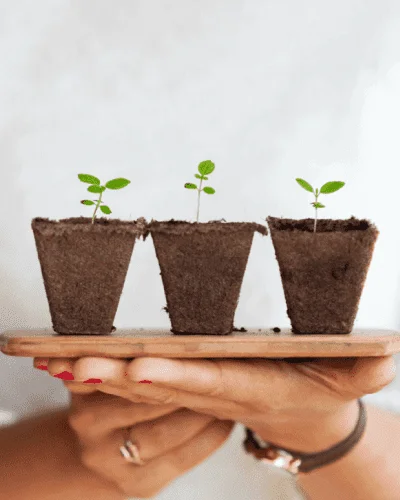
Growing

(with no frills attached)

Fertilization

(where the kitchen is the gold mine)

Pest control

(when the job can be done gently)

Watering

(when less is more)

Creating a sustainable garden at home requires a holistic approach towards incorporating natural ecosystems at a smaller scale. From the choice of planter materials to the type of plants and maintenance of gardens, one can create a self-sustaining microcosm within the confines of one’s home.
Categories
blog Sustainable Gardening Basics

3 reasons why you don’t need a lawn

A lush green, perfectly manicured lawn is something we all plan to have one day. But what if we told you that you could have something better along with it and that too, with minimal maintenance?

Yes, this is possible. Using sustainable gardening techniques, you can transform your lawn into any lively space you can imagine. From growing your food in small patches or creating a colourful and fragrant flower garden, your lawn can be an oasis of life.

Starting a lawn garden may seem difficult. A little bit of planning and investment in laying the right foundation can make it self-sustainable in the long-run.

Here are the 3 things you could start in your lawn:

Start a small vegetable or herb garden with the help of contemporary raised beds.

Create a colourful border with different flowering plants that are rich in aroma and beauty.

Use your lawn as a green hangout space for the friends of you and nature.

Categories
blog Client Project Sustainable Gardening Basics

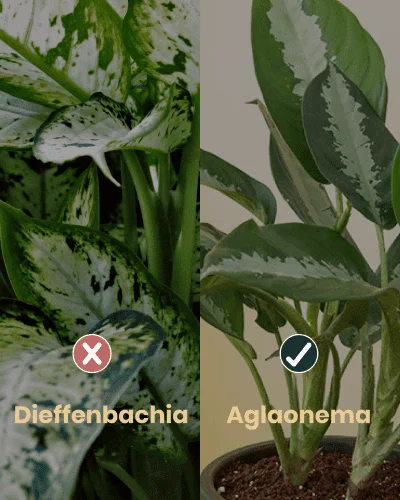
5 native alternatives to popular houseplants

In our earlier post, we talked about the top five exotic houseplants. But what do we use in their place?


Here’s a list of native or indigenous plant that can serve as alternatives to exotic plants in your garden. Such plants are not just similar in terms of size, shape, colours, formation but are pro local environment.

Start by adopting these hardy, low-maintenance indoor plants that can serve as great alternatives to exotic plants.

While creating a new garden or adding plants to your existing one, choose plants wisely. Building a home garden with native varieties has several benefits – for you and our environment.
Categories
blog Sustainable Gardening Basics

Can a home garden sustain itself, without our intervention?

Foreign or exotic plants that are cultivated or introduced somewhere else often become invasive in a foreign land and environment. Such invasion wipes off the native plants and local habitats with speed. When exotic plants outnumber native plants, it affects the biodiversity as the birds, bees, insects, don’t find them conducive for survival.

Their survival has a direct impact on our lives too with our food-chain being impacted among other aspects. To maintain such exotic gardens, one needs to adopt modern technology and products such as fertilizers, pesticides, insecticides, artificial light, water conditions et al. The cost of creating such ‘beautiful’ gardens is not only borne by the ecosystem but also our treasuries eventually.

On the other hand, gardens that embrace local, indigenous plants require negligible human assistance to thrive. Just like a natural forest.

Five factors why native gardens are self-sustaining because:

1) They require minimal maintenance as such plants don’t need additional water, fertilizers, pesticides to survive

2) They are well-versed with local climatic conditions and are inherently designed to combat them naturally

3) They can create a natural paradise for local butterflies, birds & other species that make the garden alive in a real sense

4) They work with other plants in their community to share and conserve nutrients with their root network

5) They have well entrenched roots that tend to survive the harshest rains, winds, or storms unlike exotic ones

Making conscious choices can lay a root-solid fundamental for your garden whether it is as small as your window or as large as your farm.

Next in this series: How sustainable gardening can help reduce negative impact on our environment