
Categories
blog Sustainable Gardening Basics

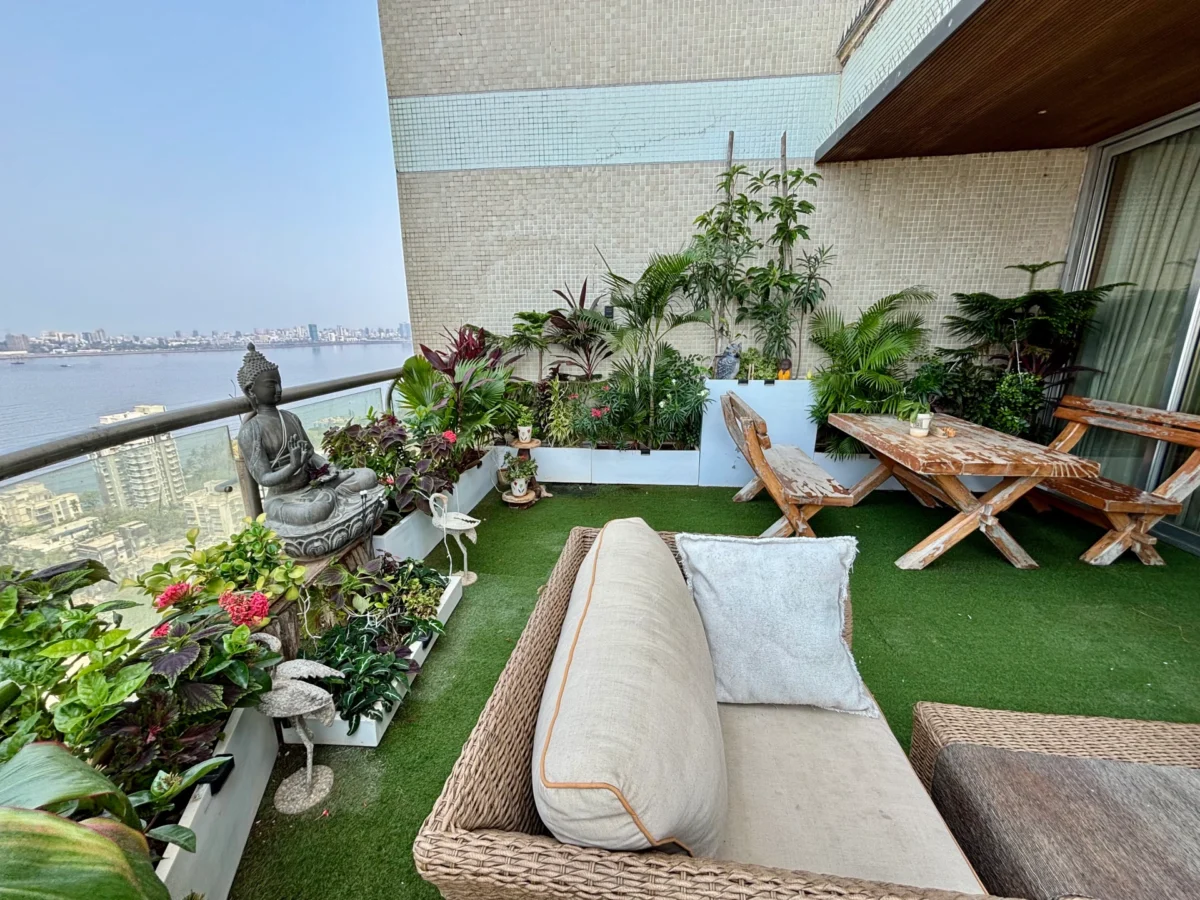
3 garden trends to follow in India

A garden has limitless possibilities when it comes to creativity and functionality. 

It can be a space which you can share with your loved ones or spend your quality me-time. It can be a space where you can pluck your own food or flowers that fill your room with unadulterated fragrance. It can also be a space where you invite and integrate nature – be it the symphony of birdsongs or the sight of fluttering butterflies. A garden has many things on the menu to offer you beyond just greens.

In this age of rapid erosion of our natural environment, you can look at these emerging trends which are now taking centre-stage in landscapes worldwide: 

Foodscaping

Contrary to popular beliefs, kitchen gardens or orchards can serve your individual needs but can also integrate well with your landscaping aesthetics – if designed ad planned well. Imagine plucking your own organic food straight from your front-yard or backyard. By incorporating edibles into an ornamental garden, one can transform your perception of the gardening experience.

Be it everyday vegetables, fruits or the rare, seasonal crops, your garden can be the source of your well-being and health. If maintained organically with sustainable farming principles, this small investment can prove to outweigh every other option.

Rain Gardens

Keen to do rainwater harvesting and worried about the associated costs? This simple and most effective technique to capture rainwater run-off on your land, can be your answer. Rain gardens can help in recharging groundwater with beautifully designed plant beds.

A rain garden is a landscaped area that collects, adsorbs, and filters stormwater runoff from roof tops, driveways, patios, and other hard surfaces that don’t otherwise allow water to soak in. It is the most cost-efficient and aesthetic way of channelizing stormwater and recharging your land’s groundwater easily. Every year, the intensity of storms keep intensifying and rain gardens can be your solution to address the flooding in a controlled way.  

Water bodies

No, I am not talking about fountains. Water bodies are not just an interesting feature of any landscape but can help regulate the micro-climate of your land. Aspects such as lotus & lily plantation, fish, natural rocks can add so much value to your garden design.

There are several types of aquascaping that fits a landscape design theme. From a natural or jungle design that mimics a natural habitat such as a pond or river stream to a more detailed Japanese or Dutch design that its symmetrically defined. However, while designing any such aquascape, one must pay attention to regulate water flow at all times.

The next time you want to add any garden element, think of the above that might help you and our planet both.

Categories
blog Sustainable Gardening Basics

How to start and maintain your own organic kitchen garden

What is luxury living?

To different people, it may mean different things. From home, car, décor, apparel, other exclusive lifestyle choices, the word ‘luxury’ has several connotations. However, in this rapidly changing environment, where nature is increasingly getting out of reach, luxury would be soon measured with the way we grow, consume, and interact with our food.

Growing your own food organically without using chemicals and plucking what you need, when you need epitomizes luxury today.

Now, one may argue that you would require acres of land to make this a reality. The fact is that even the smallest corner of your home, can be a potential kitchen garden. All you need to consider are the following factors:

Plants: Depending on the available space viz. window, balcony, terrace, or farm, decide the size and type of your kitchen garden. For instance, in window gardens, one can grow edibles that are smaller in size, tend to grow vertically and won’t require much space as compared to a terrace or farm. A few examples include day-to-day herbs and leafy veggies such as pudina, basil, oregano, methi, spinach, green chilies, lemons, et al. The size of your space will determine the type of edibles you can grow.

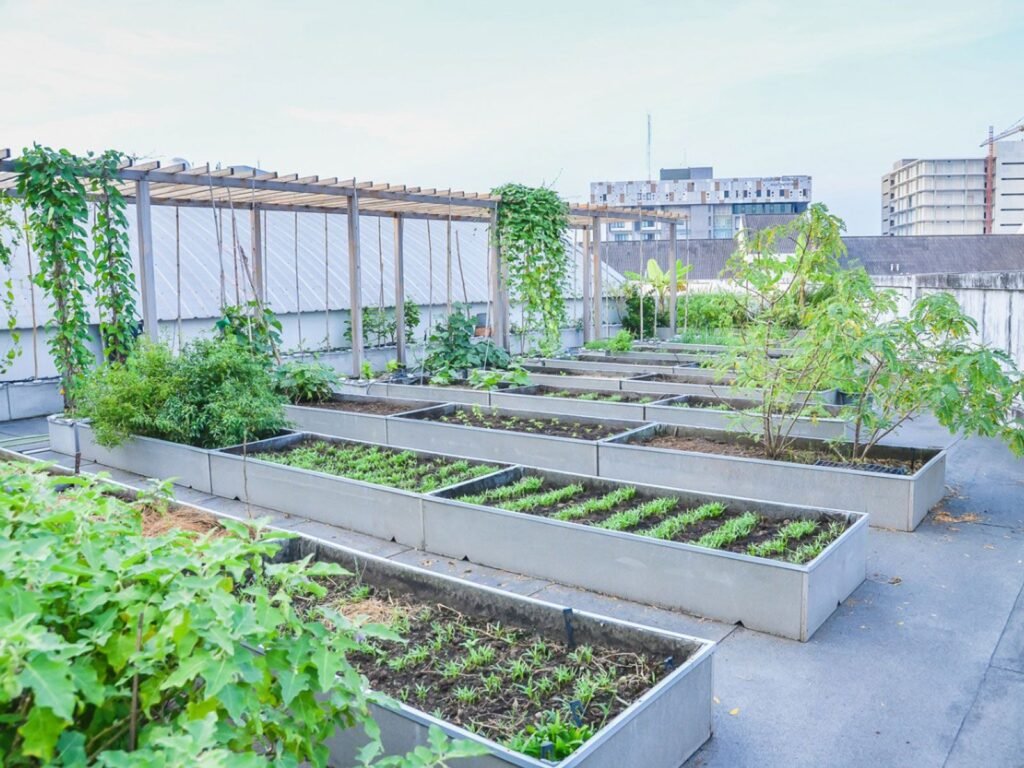
Materials: In balconies and terraces, one can create a more elaborate set-up to grow veggies v/s a window. From larger pots, fabric grow bags to raised vegetable beds, there are several ways in which an easy-to-maintain vegetable garden can be set-up. For instance, an open terrace can be more fitting for raised vegetable beds to grow space-consuming root vegetables such as carrots, potatoes, beetroots, among others. Combined with the use of trellises for climbing veggies such as gourds can even add an aesthetic appeal to the garden.

Light & Air: While a lot of emphasis is laid upon the sunlight availability for a successful kitchen garden, we often miss out on the ventilation and circulation of fresh air. Even in the absence of direct sunlight, it is possible to grow certain kind of edible plants with the help of artificial, spectrum lights. If the space receives direct sunlight, it is important to keep the are clutter-free. For instance, often ornamental plants are thrown in the mix which tend to overgrow and overtake the kitchen garden space. This may not only invite pests but also reduce the overall growth of your produce.

Preparation: Once the above factors have been considered, it is important to get the fundamentals right. Quality and type of soil, efficient drainage & easy access to watering with drip irrigation as well as organic fertilizer such as vermicompost or cow-based manure will eventually make or break any garden. For terraces and balconies, it is important to ensure waterproofing as well as easy drainage from pots, raised beds.

Schedule: Above all, keeping a calendar of crops and herbs to grow as per the season can ensure a steady availability of produce in your kitchen. Practices such as crop rotation, mulching, timely use of organic pesticides and fertilizers can ensure good soil health and a bumper harvest for your own consumption.

As someone wise once said, “Let food be thy medicine and medicine be thy food.” Rethink your space and start your own kitchen garden in the space available today.

Categories
blog Sustainable Gardening Basics

Native alternatives to popular exotic plants in India

You might be wondering why I need alternatives to exotic plants? What harm will these plants bring to anyone? The fuss about exotic plants isn’t just about their aesthetic appeal but sustainability – for you and our environment at large.

Worldwide, developed nations are now realizing the value of native, indigenous plants in their ecosystem and working hard to reintroduce them. This realization has come at a heavy price though. From heavy garden maintenance, biodiversity loss, degrading soil health and erosion, reducing green cover, rising temperatures and the list goes on.

In the short-run, effects are hardly felt. Though some are visibility evident such as the movements of birds, butterflies, bees. For instance, birds use their intelligence to recognize exotic trees and avoid building their nests on them. Non-native or exotic trees are weaker in the rooting system as compared to the native trees and are more prone to falling. A good example of this is Mumbai’s popular Gulmohar tree, which dot our cityscape but also pose as a major threat during monsoons.  

Like Gulmohar in the city, our homes are filled with exotic species too. Be it indoor plants such as Monsteras, Pachira, Bird of Paradise or invasive outdoor species such as Lantana, Bougainvillea, Morning Glory, these pretty plants can take up a lot of your time, space and effort if left unchecked.

Here a few alternatives to exotic and invasive plants while planning your home garden which have near similar aesthetic appeal:

Ixora (Ixora coccinea) – Alternative to Lantana

Popularly known as Jungle Geranium, Ixora is a perennial flowering plant with striking clusters of flowers available in different colours

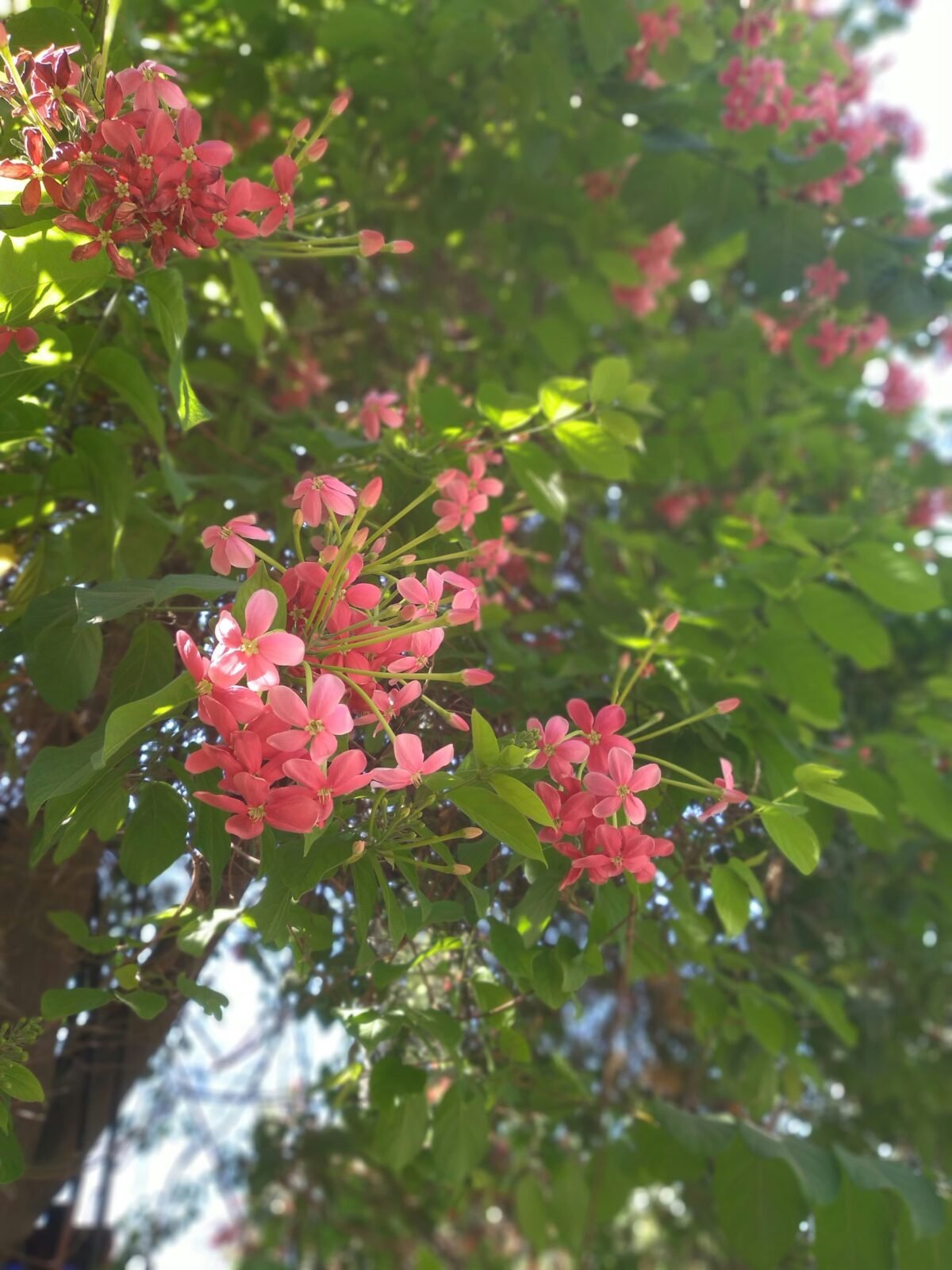
Madhumalti (Combretum indicum) – Alternative to Bougainvillea

Attractive flowers, which blossom like a bouquet of different shades of pink, red and white, can fill your garden with a sweet, unforgettable scent unlike its global counterpart Bougainvillea.

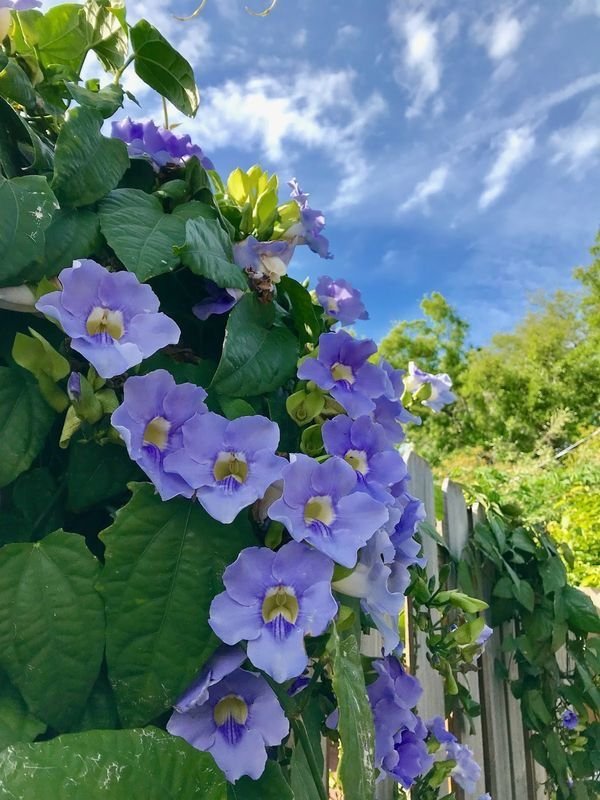
Thunbergia (Thunbergia grandiflora) – Alternative to Morning Glory

Creating a natural green wall couldn’t be easier with Thunbergia. It’s thick green foliage coupled with beautiful purple flowers can create a sturdy green barrier in no time.

Kaner (Nerium Oleander) – Alternative to Thevetia

Drought resistant, perennial, flowering and bushy – what more can a garden demand!

Son Champa (Michelia champaca) – Alternative to Plumeria

A highly underrated, hardy, fragrant plant that adorns our festivities every year. Son Champa can be a great addition to any garden – big or small.

Exotic plants are not bad by themselves. They are just plants after all, but happen to be in a different place, unknown environment, and more often bring along a host of issues. The human endeavor to introduce and multiply exotic plants in non-native conditions creates a negative impact on the local ecology.

Start by adopting these hardy, low-maintenance plants that can serve as great alternatives to exotics.

Categories
blog Sustainable Gardening Basics

3 reasons why you need garden therapy

We are surrounded by jargons. Especially in the green world. From biophilia to sustainability, every concept seems convoluted. Though if one tries to dig deeper, the simplicity behind such complexity can be truly uncovered.

To understand, we first need to revisit the basics. What is a garden? What is it meant to do? Why should I have one? Before we deep-dive, we must remember that there’s no right or wrong answer, it’s just a matter of our own interpretation.

There are several definitions of a garden. A plot where flowers, plants, fruits, herbs are cultivated. A place meant for enjoyment with plants. A planned space, usually outdoors, set aside for the display with grass, ornamental plants.

Well, a garden is all of it and much more. It is a collective of people and plants, where they come together to celebrate life, appreciate beauty, harvest bounty and above all, share joy.

A garden is also one such place, that embraces every kind of gardener – one who is actively involved in planning, observing, nurturing, sharing insights, being physically involved in the act of gardening or making use of the garden for leisure, recreation and other purposes.

And it takes care of the passive ones too – who don’t engage themselves in the process but yet reap the indirect benefits by being around. From the calm and cool of green to the scent of flowers, plants have this magical, intangible impact on everyone.

Here are top three reasons why everyone should consider garden therapy:

Holistic well-being: It is a known fact that plants can heal our body. And, they can also heal our mind and soul. From reducing stress, improving mood and memory, enabling social skills, promoting emotional growth in form of self-esteem, to making one self-aware, a garden has a lot of offer for us.

Pollution-free environment: Every plant exhales oxygen and inhales carbon dioxide. It’s a natural phenomenon called photosynthesis. By doing so, every plant contributes towards cleaning the air we breathe, bringing the rainwater we drink and cooling the climatic conditions we live in.

Health and lifestyle: By adopting organic and sustainable methods of gardening, one can produce his/her own food chemically-free. From herbs to vegetables, an organic garden can help increase vitality, longevity of people while also inviting beneficial pollinators to pollinate our food naturally. After all, a healthy body and mind can enjoy life to the fullest.

A garden is more than a place of past-time or a hobby. It has the potential to heal our body, mind and even soul. This form of therapy is the most pioneering, pure, and powerful gift of nature for us.

Try it to believe it!

Categories
blog Sustainable Gardening Basics

Why should housing societies invest in a sustainable garden?

An evening stroll in the garden and came back with an itchy skin? Your pet accidentally chewed on some leaves and felt uneasy? Maintaining the health, look of your garden is digging a hole in your pocket?
If any of the above scenarios read familiar to you, then it’s time to transform your society garden into a sustainable garden. As pretentious as it may sound, it is just about going back to our roots.
1) People-Friendly:
Since society gardens are used by everyone, especially the vulnerable – children, senior citizens, pets, one must be conscious of the plants being used in such spaces. A few plants are known to be highly toxic for the above groups such as Dieffenbachia, Lantana, Morning Glory, Croton, etc. Instead using native plants can create a safer space for all.
2) Environment-Friendly:
What is the purpose of a garden without its residents? The sight of butterflies and the melody of birds makes a garden pleasurable. By using chemical-free, organic fertilizers, pesticides or any other plant care materials, every small space can do its bit in protecting biodiversity. At the same time, using such natural products enhances soil health, longevity of plants and reduces its carbon footprint.
3) Pocket-Friendly:
Can we create a garden which is aesthetic and low on maintenance at the same time? Yes, of course. Replacing exotic plants with native / indigenous and hardy varieties can not only increase your garden’s lifespan but also reduce maintenance costs to a considerable extent. Native plants are well-adapted for our local climate. This means, they’re more resistant to pests – hence, reducing the use of pesticides. They contribute more towards soil nutrition – hence, reducing the use of fertilizers. They’re hardy in nature – hence, they tend to survive better in harsher weather conditions – hence, reducing the replantation efforts.
To sum up, the choices that we make in our gardens make them sustainable. Choices that put self-sustenance at the centre of garden design. Choices that create a balance between contemporary aesthetics and traditional wisdom.
If any of the above scenarios read familiar to you, then it’s time to transform your society garden into a sustainable garden. As pretentious as it may sound, it is just about going back to our roots.Be it the colours from flowers, the vibrancy from birds and butterflies, the joy of growing your own organic food or a cooler sense of surroundings, a garden has much more to offer than one can think. From improving our physical, mental, spiritual, emotional, to even social health, it can enhance our quality of life. Not just for us, but everyone around us.
Categories
blog Sustainable Gardening Basics

3 things we can learn about community building from trees

Have you ever wondered about we build communities? Well, the answer may not be that complex. Building communities is much like growing a garden. Both need time, patience, knowledge and above all, compassion to thrive in an environment.

Investing in creating a community and garden has immense payoffs – not immediately, but in the near and far future. Plants not only help us in our day-to-day living but also teach us several virtues. Such as:

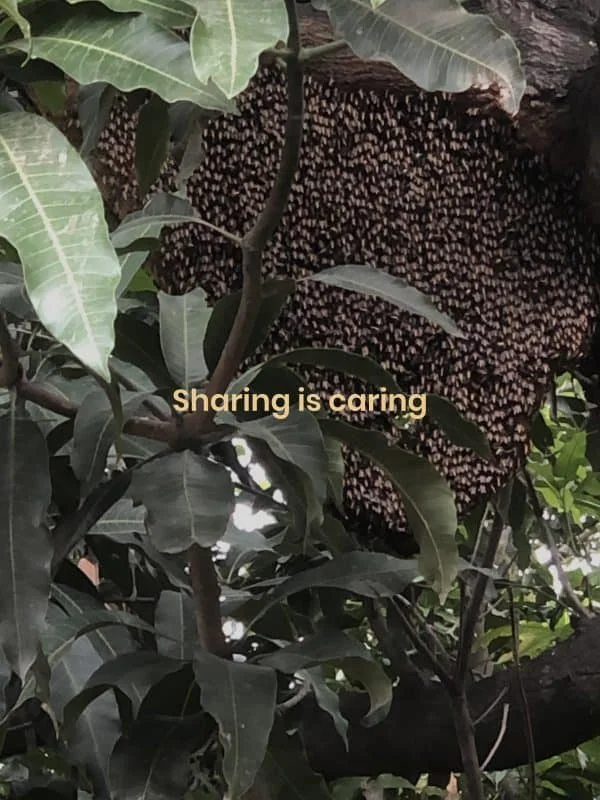
With the help of an extensive root system, native plants, share their nutrients with their neighbours. Such sharing of materials enables plants, trees self-sufficient.

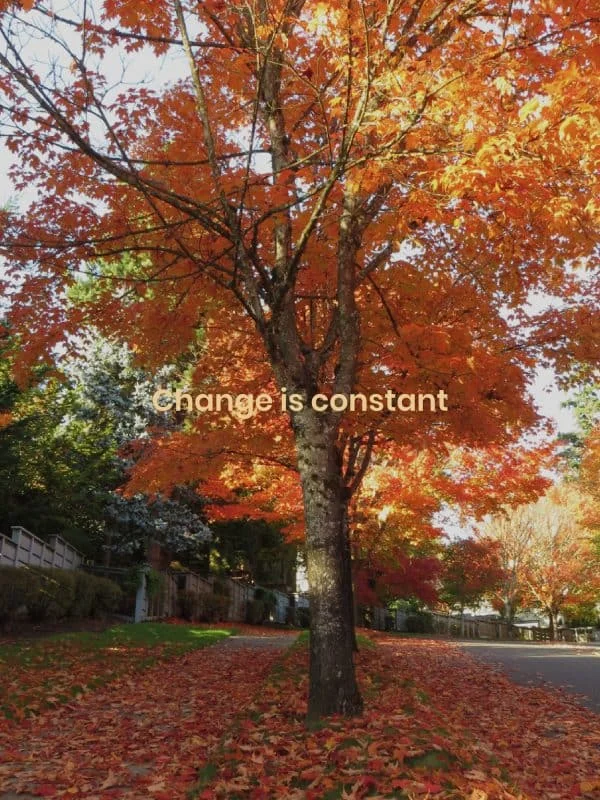
It’s no surprise that trees change colours of their leaves with changing seasons. Such adaptive behaviour helps them survive better and longer than being rigid.

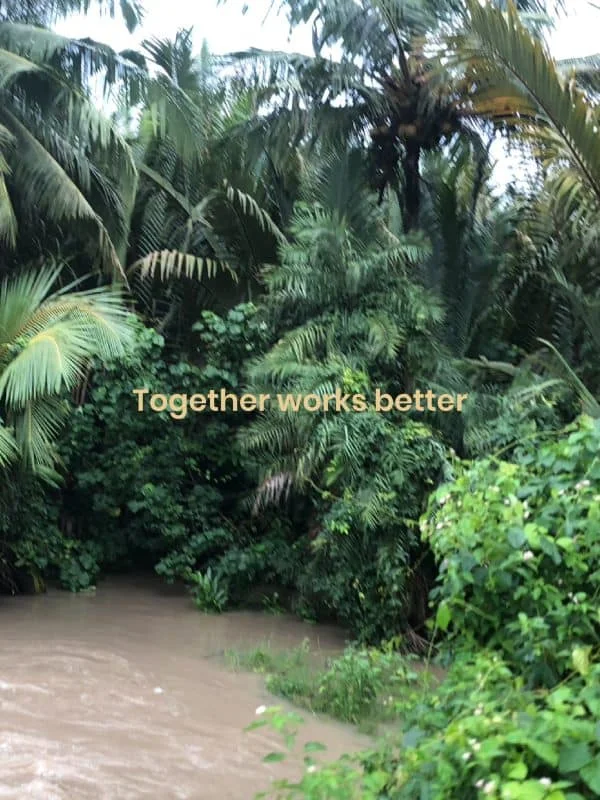
No one does it better than trees. From alerting others about pests attack to sharing an underground root network, plants know that working together is best for survival.

Plants are no different than us in their behaviour. Observe these similarities between you and them next time when you’re in your garden.

Categories
blog Native Plants of India

Son Champa: A perfume that spreads joy

Magnolia champaca aka Son Champa or Son Chafa is a native tree of India, and is found in abundance throughout the country.

It is popularly known as the joy perfume tree in English due to its strong aroma and attractive yellow petals, which is a key ingredient in perfumery.

The flowering season usually starts from May and stays until December. From a large, evergreen tree to a bonsai shrub, Son Champa is one of the most fragrant and aesthetic flowers indigenous to India.

It holds immense ornamental, medicinal and religious values. From anti-cancer to antimicrobial, antioxidant properties, Son Champa is an all-rounder plant to ensure one’s wellbeing. In Indian scriptures, Son Champa is revered as a sacred and divine flower. From Lord Vishnu to Lord Krishna, son champa finds it way in almost all mythological stories in India.

Categories
blog Native Plants of India

Tarwar: The miracle flower

Tarwar – The miracle flower
Tarwar (Senna auriculata) is a miracle plant. It is popularly known as Avartaki, Avarampoo, Tanner’s Cassia. Bright yellow flowers, medicinal values, and an evergreen foliage, defines this humble plant
Found widely growing in the dry zones of peninsular India as far as the northern parts of Rajasthan, Tarwar is an extremely hardy plant. It can survive the harshest weather conditions.
Grown as a hedge plant, it is typically found along roadsides and various other open degraded habitats and in scrub forests, usually on stony, dry or sandy soils.
Tarwar is widely used a a household medicinal plant from being an antiseptic to treating skin disorders. In Ayurveda, the root of this plant is used in a decoction for fevers, diabetes, diseases of the urinary system and constipation.
Categories
blog Sustainable Gardening Basics

3 reasons why you don’t need a lawn

A lush green, perfectly manicured lawn is something we all plan to have one day. But what if we told you that you could have something better along with it and that too, with minimal maintenance?

Yes, this is possible. Using sustainable gardening techniques, you can transform your lawn into any lively space you can imagine. From growing your food in small patches or creating a colourful and fragrant flower garden, your lawn can be an oasis of life.

Starting a lawn garden may seem difficult. A little bit of planning and investment in laying the right foundation can make it self-sustainable in the long-run.

Here are the 3 things you could start in your lawn:

Start a small vegetable or herb garden with the help of contemporary raised beds.

Create a colourful border with different flowering plants that are rich in aroma and beauty.

Use your lawn as a green hangout space for the friends of you and nature.

Categories
blog Sustainable Gardening Basics

FAQ: Where can I get sustainable gardening products?

The answer is simple and within your reach. To create a garden with sustainable materials, you don’t have to travel far.

Buying these products online will certainly give you a variety to choose from. However, longevity and sustainability – especially in the case of plants, remains highly doubtful.

For example, when you buy plants online, they travel from various locations outside the city. The time spent in transit from one location to the other in a cardboard box pushes the plant into shock. By the time it reaches your doorstop, it has already suffered the long journey and transplanting in a new environment becomes lesser conducive.

When it comes to plants, always buy from a local nursery or plant store. It not only ensure good health of the plant but also reduces cost of transportation, carbon emission etc. Plus the entire experience of visiting nursery itself is fulfilling.

Same applies for planters. Each city in India from Mumbai, Delhi, Bangalore, Kolkata, Ahmedabad is filled with skilled pottery artisans. Visit any local pottery hub to acquire some unique terracotta planters for your garden.

To sum up, here are two interesting ways
of making your garden sustainable.

Go local

Buy terracotta planters from local pottery artists, native plants from local nurseries, and other gardening materials from local stores.

Not only it will save you the transportation and packaging hassles but you may just find artistic and real products too.

Up-cycle

Reuse, recycle some of your junk / used products into interesting planters. Using empty plastic bottles, glass jars, tin boxes, can be made to grow plants that do well in water and lesser soil.

From money plants to kitchen herbs, such planters can help you make your own style statement.
Needless to mention, we will be happy to assist you in your quest to make your garden fully sustainable by recommending local partners who can fit the bill.