
Categories
blog Sustainable Gardening Basics

3 garden trends to follow in India

A garden has limitless possibilities when it comes to creativity and functionality. 

It can be a space which you can share with your loved ones or spend your quality me-time. It can be a space where you can pluck your own food or flowers that fill your room with unadulterated fragrance. It can also be a space where you invite and integrate nature – be it the symphony of birdsongs or the sight of fluttering butterflies. A garden has many things on the menu to offer you beyond just greens.

In this age of rapid erosion of our natural environment, you can look at these emerging trends which are now taking centre-stage in landscapes worldwide: 

Foodscaping

Contrary to popular beliefs, kitchen gardens or orchards can serve your individual needs but can also integrate well with your landscaping aesthetics – if designed ad planned well. Imagine plucking your own organic food straight from your front-yard or backyard. By incorporating edibles into an ornamental garden, one can transform your perception of the gardening experience.

Be it everyday vegetables, fruits or the rare, seasonal crops, your garden can be the source of your well-being and health. If maintained organically with sustainable farming principles, this small investment can prove to outweigh every other option.

Rain Gardens

Keen to do rainwater harvesting and worried about the associated costs? This simple and most effective technique to capture rainwater run-off on your land, can be your answer. Rain gardens can help in recharging groundwater with beautifully designed plant beds.

A rain garden is a landscaped area that collects, adsorbs, and filters stormwater runoff from roof tops, driveways, patios, and other hard surfaces that don’t otherwise allow water to soak in. It is the most cost-efficient and aesthetic way of channelizing stormwater and recharging your land’s groundwater easily. Every year, the intensity of storms keep intensifying and rain gardens can be your solution to address the flooding in a controlled way.  

Water bodies

No, I am not talking about fountains. Water bodies are not just an interesting feature of any landscape but can help regulate the micro-climate of your land. Aspects such as lotus & lily plantation, fish, natural rocks can add so much value to your garden design.

There are several types of aquascaping that fits a landscape design theme. From a natural or jungle design that mimics a natural habitat such as a pond or river stream to a more detailed Japanese or Dutch design that its symmetrically defined. However, while designing any such aquascape, one must pay attention to regulate water flow at all times.

The next time you want to add any garden element, think of the above that might help you and our planet both.


Categories
blog Sustainable Gardening Basics

How to start and maintain your own organic kitchen garden

What is luxury living?

To different people, it may mean different things. From home, car, décor, apparel, other exclusive lifestyle choices, the word ‘luxury’ has several connotations. However, in this rapidly changing environment, where nature is increasingly getting out of reach, luxury would be soon measured with the way we grow, consume, and interact with our food.

Growing your own food organically without using chemicals and plucking what you need, when you need epitomizes luxury today.

Now, one may argue that you would require acres of land to make this a reality. The fact is that even the smallest corner of your home, can be a potential kitchen garden. All you need to consider are the following factors:

Plants: Depending on the available space viz. window, balcony, terrace, or farm, decide the size and type of your kitchen garden. For instance, in window gardens, one can grow edibles that are smaller in size, tend to grow vertically and won’t require much space as compared to a terrace or farm. A few examples include day-to-day herbs and leafy veggies such as pudina, basil, oregano, methi, spinach, green chilies, lemons, et al. The size of your space will determine the type of edibles you can grow.

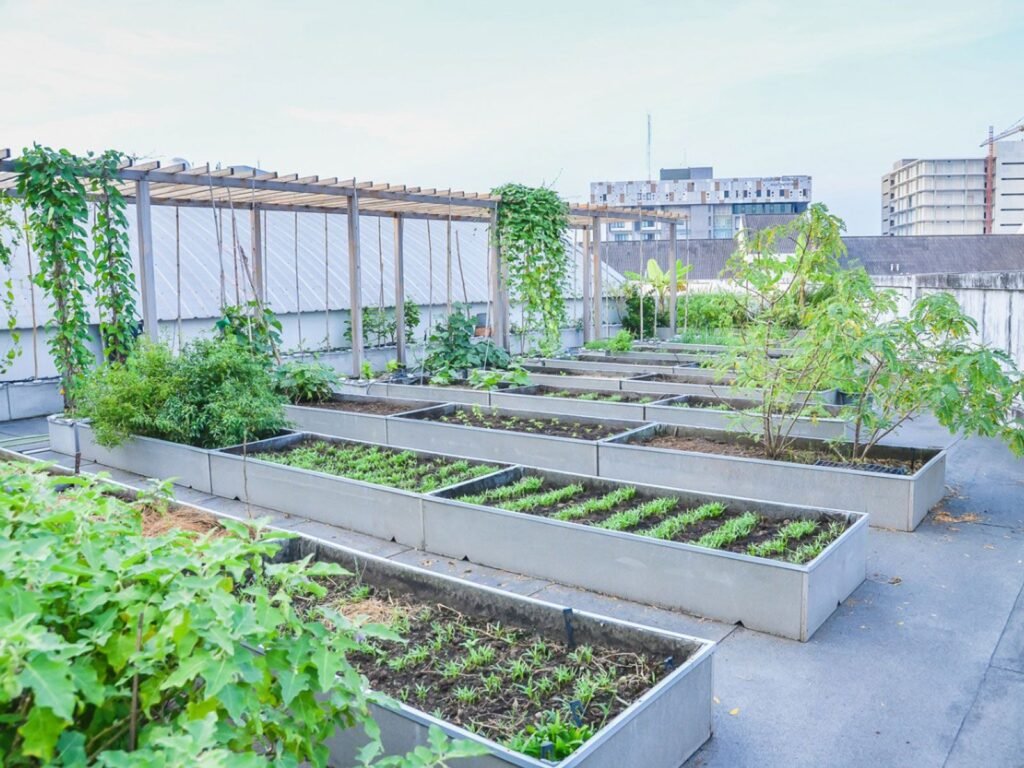
Materials: In balconies and terraces, one can create a more elaborate set-up to grow veggies v/s a window. From larger pots, fabric grow bags to raised vegetable beds, there are several ways in which an easy-to-maintain vegetable garden can be set-up. For instance, an open terrace can be more fitting for raised vegetable beds to grow space-consuming root vegetables such as carrots, potatoes, beetroots, among others. Combined with the use of trellises for climbing veggies such as gourds can even add an aesthetic appeal to the garden.

Light & Air: While a lot of emphasis is laid upon the sunlight availability for a successful kitchen garden, we often miss out on the ventilation and circulation of fresh air. Even in the absence of direct sunlight, it is possible to grow certain kind of edible plants with the help of artificial, spectrum lights. If the space receives direct sunlight, it is important to keep the are clutter-free. For instance, often ornamental plants are thrown in the mix which tend to overgrow and overtake the kitchen garden space. This may not only invite pests but also reduce the overall growth of your produce.

Preparation: Once the above factors have been considered, it is important to get the fundamentals right. Quality and type of soil, efficient drainage & easy access to watering with drip irrigation as well as organic fertilizer such as vermicompost or cow-based manure will eventually make or break any garden. For terraces and balconies, it is important to ensure waterproofing as well as easy drainage from pots, raised beds.

Schedule: Above all, keeping a calendar of crops and herbs to grow as per the season can ensure a steady availability of produce in your kitchen. Practices such as crop rotation, mulching, timely use of organic pesticides and fertilizers can ensure good soil health and a bumper harvest for your own consumption.

As someone wise once said, “Let food be thy medicine and medicine be thy food.” Rethink your space and start your own kitchen garden in the space available today.

Categories
blog Sustainability Sustainable Gardening Basics

Pal Talks November – December 2023

It is that time of the year when you wake up to a slight nip in the air. Your plants are gearing up for the seasonal changes. Growth eases out, leaves change their colour, start falling to increase defence mechanism in fall.

People’s craze for ‘rare’ and ‘exotic’ foreign plants is posing a threat to urban green covers and natural forests, nearly 66% of India’s natural systems are threatened by invasive plant species

3 things to look out in potted plants during this season

1. Water

Do not overwater your plants as temperature is cooler now. Check topsoil before watering.

2. Fungus & pests

Dryness, excess water may increase fungus, spider mites, other leaf sucking pests.

3. Brightness

Shift plants in a warm, brighter spot or keep room lights on, especially during evenings.

Plant of the Month

Hydrangea. A winter flower, hydrangeas come in different colours and sizes. For hedges or pots, this flower is a bouquet in itself.

DIY Fungicide

Make this easy decoction to fight fungal infections in plants. Mix and apply turmeric & cinnamon powders in equal parts and apply on topsoil.

Categories
blog Sustainable Gardening Basics

Why should housing societies invest in a sustainable garden?

An evening stroll in the garden and came back with an itchy skin? Your pet accidentally chewed on some leaves and felt uneasy? Maintaining the health, look of your garden is digging a hole in your pocket?
If any of the above scenarios read familiar to you, then it’s time to transform your society garden into a sustainable garden. As pretentious as it may sound, it is just about going back to our roots.
1) People-Friendly:
Since society gardens are used by everyone, especially the vulnerable – children, senior citizens, pets, one must be conscious of the plants being used in such spaces. A few plants are known to be highly toxic for the above groups such as Dieffenbachia, Lantana, Morning Glory, Croton, etc. Instead using native plants can create a safer space for all.
2) Environment-Friendly:
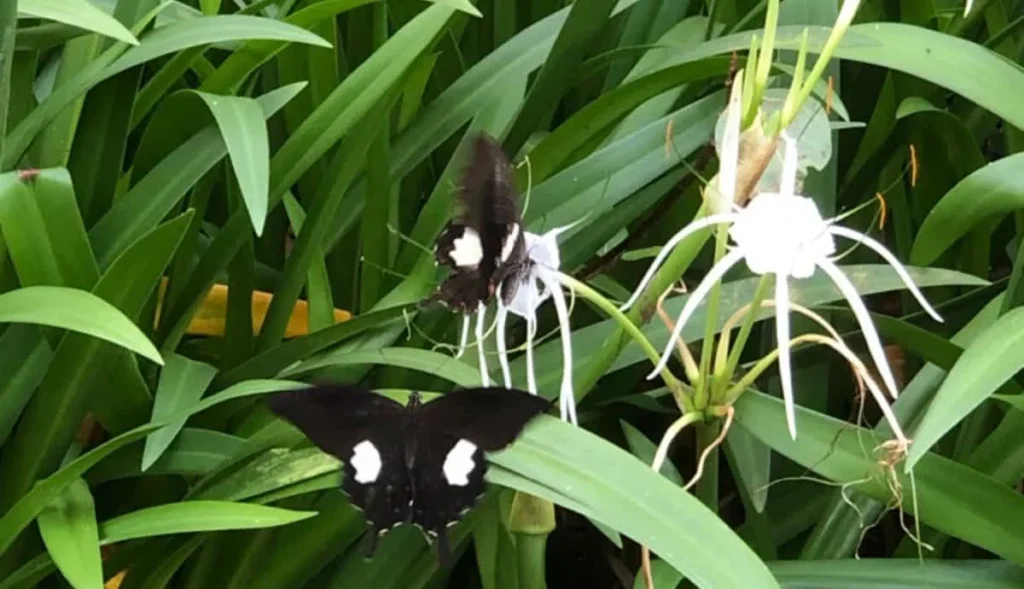
What is the purpose of a garden without its residents? The sight of butterflies and the melody of birds makes a garden pleasurable. By using chemical-free, organic fertilizers, pesticides or any other plant care materials, every small space can do its bit in protecting biodiversity. At the same time, using such natural products enhances soil health, longevity of plants and reduces its carbon footprint.
3) Pocket-Friendly:
Can we create a garden which is aesthetic and low on maintenance at the same time? Yes, of course. Replacing exotic plants with native / indigenous and hardy varieties can not only increase your garden’s lifespan but also reduce maintenance costs to a considerable extent. Native plants are well-adapted for our local climate. This means, they’re more resistant to pests – hence, reducing the use of pesticides. They contribute more towards soil nutrition – hence, reducing the use of fertilizers. They’re hardy in nature – hence, they tend to survive better in harsher weather conditions – hence, reducing the replantation efforts.
To sum up, the choices that we make in our gardens make them sustainable. Choices that put self-sustenance at the centre of garden design. Choices that create a balance between contemporary aesthetics and traditional wisdom.
If any of the above scenarios read familiar to you, then it’s time to transform your society garden into a sustainable garden. As pretentious as it may sound, it is just about going back to our roots.Be it the colours from flowers, the vibrancy from birds and butterflies, the joy of growing your own organic food or a cooler sense of surroundings, a garden has much more to offer than one can think. From improving our physical, mental, spiritual, emotional, to even social health, it can enhance our quality of life. Not just for us, but everyone around us.