
Categories
blog Sustainable Gardening Basics

Plant of the Month: Aboli

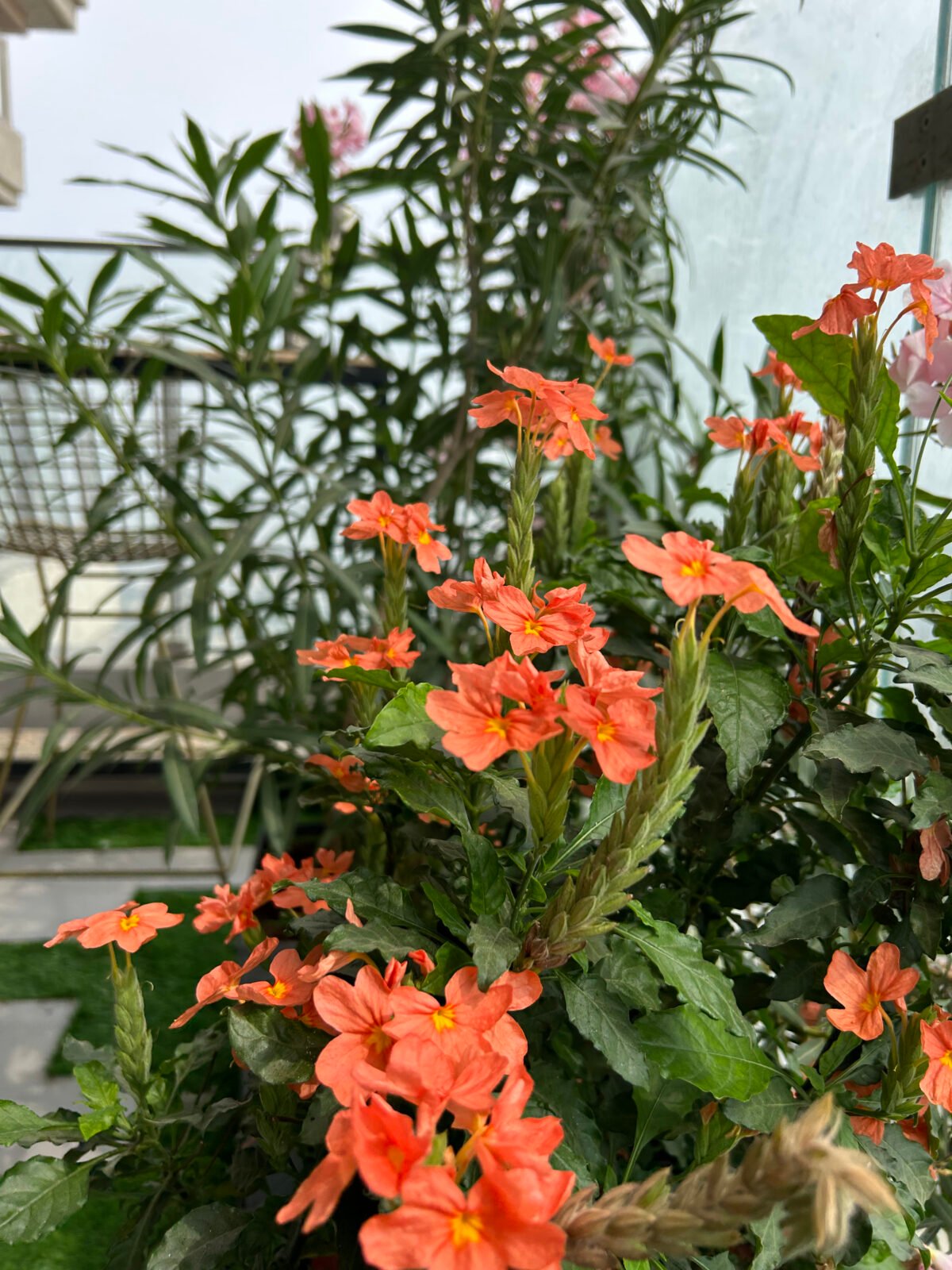
Botanical Name: Crossandra infundibuliformis

Who doesn’t like a perennial, bountiful garden! In this quest, selecting the right set of plants that balances both seasonal and perennial outcomes, is paramount. At the same time, ensuring that it’s hardy, lesser-prone to pests, and vibrant, could make this task a bit harder.

But not with Aboli! Crossandra infundibuliformis easily checks all the boxes with ease. Native to India, it has rightfully earned its position in our botanical heritage, owing to its abundance of bright orange blooms. From embellishing hairstyles of Indian women to becoming an integral part of daily rituals, this flower continues to win the hearts of many.

Once a state flower of Goa, Aboli is gradually and sadly evading the Indian landscape and botanical heritage to its foreign / exotic counterparts. Interestingly, this plant is also called Firecracker flower since its seed pods tends to explode onto the ground like a firecracker when nearing high humidity or rainfall. 

Also being high in medicinal properties, Aboli’s extract is widely used to treat minor headaches, aperitif, fever, pain, and also wound healing. This plant is best suited for people who are looking to create a low maintenance, perennial garden.

Being native to our environment and surroundings, it is better placed to fight pest attacks or diseases. Like any other flowering plant, Aboli likes direct sunlight of at least 3-5 hours to produce those vibrant flowers.

Maintain your garden’s perennial beauty with Aboli!

Categories
blog Sustainable Gardening Basics

Plant of the Month: Ixora

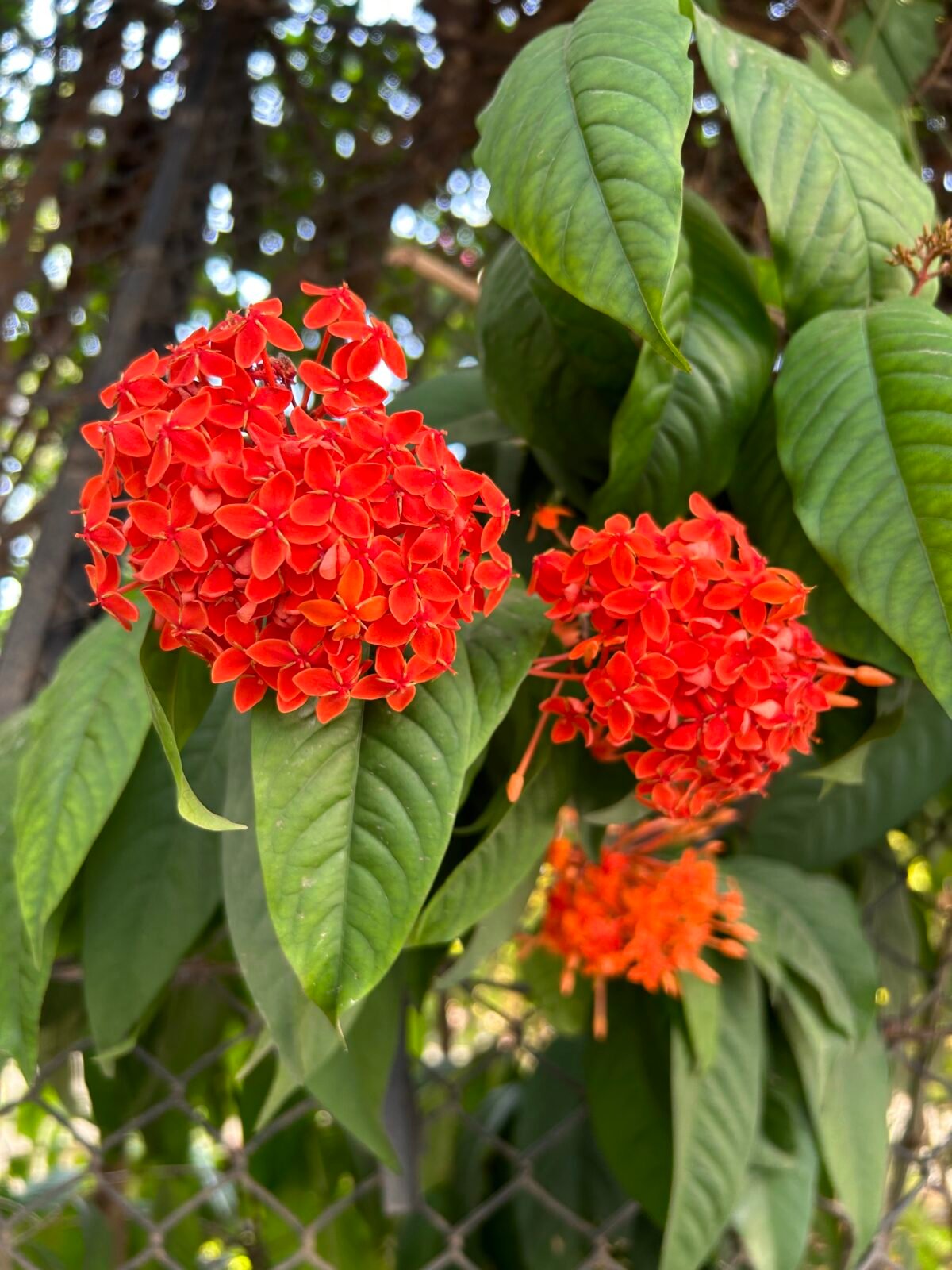
Botanical Name: Ixora coccinea Linn.

Everyone loves a perennial garden! A garden, which can stand the test of changing weather, places, people, etc.

In garden planning, the choice of flowers and foliage plants makes a lot of difference. For instance, the simple humble Ixora promises perennial flowering with a colour blast in your garden. A native of India, Ixora coccinea is known by several names that characterises it. From Flame of the Woods, or Jungle Flame or Jungle Geranium, this plant produces flowers that looks a mini bouquet of delicate flowers bunched up together.

Being a native, it is an extremely hardy plant that grows profusely in a medium sized shrub. Though there are several hybrid and dwarf varieties available today to fit your garden as the case may be. For hedging, this is a perfect plant owing to its thick leaf coverage as well as striking flower bunches that make a statement in any garden.

Ixora has been widely used in traditional medicine i.e. Ayurveda due to its richness in antioxidants and anti-inflammatory compounds. Owing to this, most parts of the plant from flower, leaves to roots are used to treat conditions such as arthritis, asthma, eczema, psoriasis, dermatitis, diabetes, heart disease, cancer, Alzheimer’s disease, and other chronic illnesses. It is also consider to purify air and increase humidity levels, making them ideal in drier climates.

This low-maintenance, happy-go-lucky plant is a gardener’s favourite, which you may find growing throughout India. Hard to believe that one plant can check all boxes, isn’t it! After all, gardening is all about trying and trying until you grow it!

Categories
blog Sustainable Gardening Basics

Why should housing societies invest in a sustainable garden?

An evening stroll in the garden and came back with an itchy skin? Your pet accidentally chewed on some leaves and felt uneasy? Maintaining the health, look of your garden is digging a hole in your pocket?
If any of the above scenarios read familiar to you, then it’s time to transform your society garden into a sustainable garden. As pretentious as it may sound, it is just about going back to our roots.
1) People-Friendly:
Since society gardens are used by everyone, especially the vulnerable – children, senior citizens, pets, one must be conscious of the plants being used in such spaces. A few plants are known to be highly toxic for the above groups such as Dieffenbachia, Lantana, Morning Glory, Croton, etc. Instead using native plants can create a safer space for all.
2) Environment-Friendly:
What is the purpose of a garden without its residents? The sight of butterflies and the melody of birds makes a garden pleasurable. By using chemical-free, organic fertilizers, pesticides or any other plant care materials, every small space can do its bit in protecting biodiversity. At the same time, using such natural products enhances soil health, longevity of plants and reduces its carbon footprint.
3) Pocket-Friendly:
Can we create a garden which is aesthetic and low on maintenance at the same time? Yes, of course. Replacing exotic plants with native / indigenous and hardy varieties can not only increase your garden’s lifespan but also reduce maintenance costs to a considerable extent. Native plants are well-adapted for our local climate. This means, they’re more resistant to pests – hence, reducing the use of pesticides. They contribute more towards soil nutrition – hence, reducing the use of fertilizers. They’re hardy in nature – hence, they tend to survive better in harsher weather conditions – hence, reducing the replantation efforts.
To sum up, the choices that we make in our gardens make them sustainable. Choices that put self-sustenance at the centre of garden design. Choices that create a balance between contemporary aesthetics and traditional wisdom.
If any of the above scenarios read familiar to you, then it’s time to transform your society garden into a sustainable garden. As pretentious as it may sound, it is just about going back to our roots.Be it the colours from flowers, the vibrancy from birds and butterflies, the joy of growing your own organic food or a cooler sense of surroundings, a garden has much more to offer than one can think. From improving our physical, mental, spiritual, emotional, to even social health, it can enhance our quality of life. Not just for us, but everyone around us.
Categories
blog Native Plants of India

Son Champa: A perfume that spreads joy

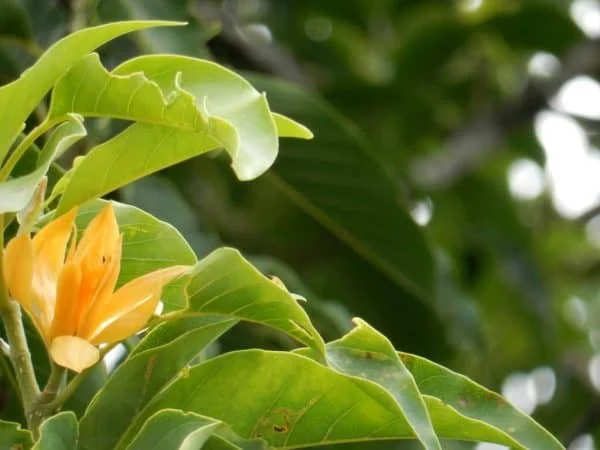
Magnolia champaca aka Son Champa or Son Chafa is a native tree of India, and is found in abundance throughout the country.

It is popularly known as the joy perfume tree in English due to its strong aroma and attractive yellow petals, which is a key ingredient in perfumery.

The flowering season usually starts from May and stays until December. From a large, evergreen tree to a bonsai shrub, Son Champa is one of the most fragrant and aesthetic flowers indigenous to India.

It holds immense ornamental, medicinal and religious values. From anti-cancer to antimicrobial, antioxidant properties, Son Champa is an all-rounder plant to ensure one’s wellbeing. In Indian scriptures, Son Champa is revered as a sacred and divine flower. From Lord Vishnu to Lord Krishna, son champa finds it way in almost all mythological stories in India.

Categories
blog Sustainable Gardening Basics

3 reasons why you don’t need a lawn

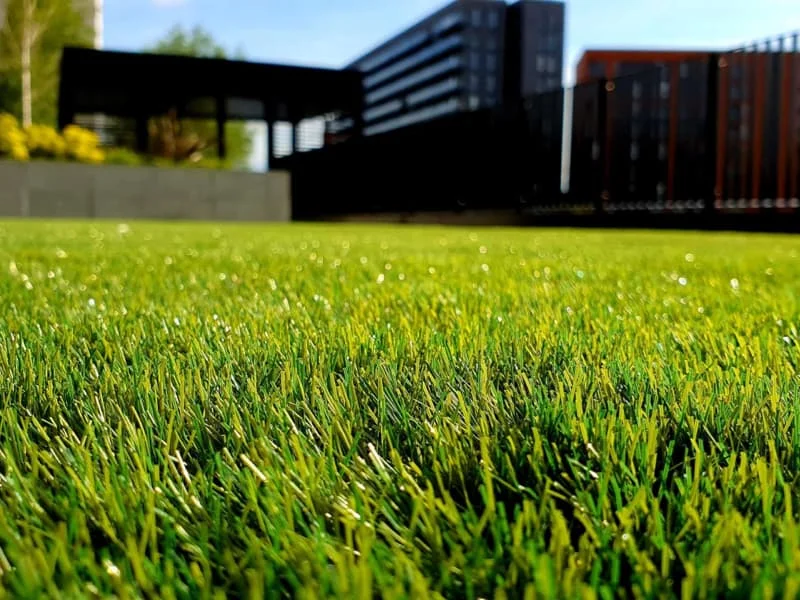
A lush green, perfectly manicured lawn is something we all plan to have one day. But what if we told you that you could have something better along with it and that too, with minimal maintenance?

Yes, this is possible. Using sustainable gardening techniques, you can transform your lawn into any lively space you can imagine. From growing your food in small patches or creating a colourful and fragrant flower garden, your lawn can be an oasis of life.

Starting a lawn garden may seem difficult. A little bit of planning and investment in laying the right foundation can make it self-sustainable in the long-run.

Here are the 3 things you could start in your lawn:

Start a small vegetable or herb garden with the help of contemporary raised beds.

Create a colourful border with different flowering plants that are rich in aroma and beauty.

Use your lawn as a green hangout space for the friends of you and nature.

Categories
blog Sustainable Gardening Basics

Myths v/s Facts: Bigger the better

Myth:

Size of pots determine plant growth.

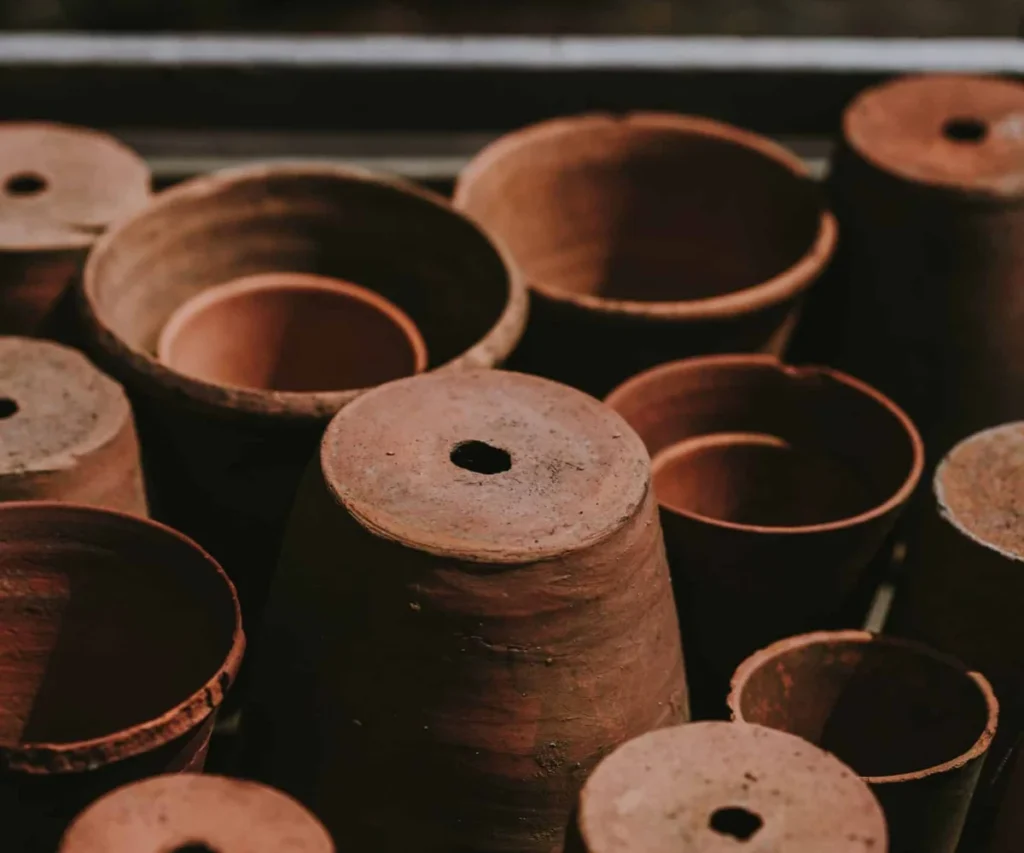
Can we create a garden which is aesthetic and low on maintenance at the same time? Yes, of course. Replacing exotic plants with native / indigenous and hardy varieties can not only increase your garden’We often, think that our plants need more space than they have currently. Larger and bigger the pots, proportionate will be the plant’s growth.

Especially, potted houseplants need more space to grow. This may not be necessarily and entirely true.s lifespan but also reduce maintenance costs to a considerable extent. Native plants are well-adapted for our local climate. This means, they’re more resistant to pests – hence, reducing the use of pesticides. They contribute more towards soil nutrition – hence, reducing the use of fertilizers. They’re hardy in nature – hence, they tend to survive better in harsher weather conditions – hence, reducing the replantation efforts.

Fact:

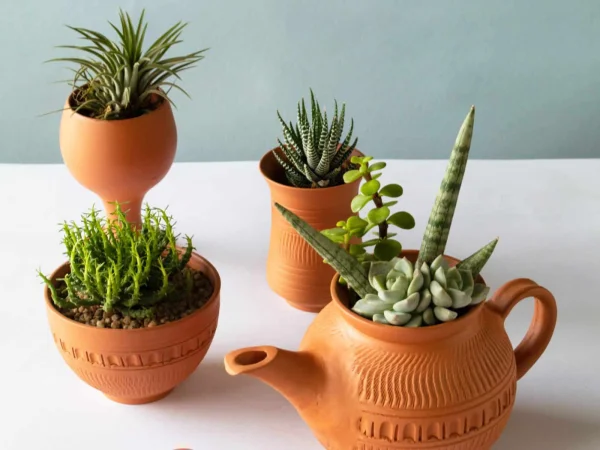
It is important to choose the right size and kind of planters depending on the plants you have.

Every plant has a different root system. Some grow deep, some remain shallow.

When smaller plants are given extra large planters, they may in fact not survive owing to dispersal of water in the soil. Hence, understanding the space requirement for plants is very crucial for their healthy development.

One easy tip to check if your plants need more space – tilt your pot and check underneath for any roots coming out of the hole. If yes, then your plant is wanting to be repotted in a slightly larger planter. If no, then it is okay with its current home!

For instance, Orchids like airy planters while palms can remain pot bound for a very long time. For shallow rooted plants such as houseplants or indoor plants small sized and wide shaped planters would do just fine.

However, for deep rooted and fast growing plants such as flowers, edibles, etc you must invest in deep or tall height planters.

So before, you start repotting your houseplants, look at the signs and choose the planters wisely.

Categories
blog Native Plants of India Sustainable Gardening Basics

5 native flowers to bring home this winter

Winters in Mumbai may not be as harsh as the northern cities. However, they could be the same for plants. The cold weather brings its own set of challenges for plants. With pest attacks such as the powdery mildew, mealy bugs, white flies, etc, plants are more prone to diseases and decay in winters than any other season.

Hence, while adding plants to your garden, choose a mix of both evergreen and seasonal flowers. This way you can keep your garden colourful and lively at all times.

When it comes to perennial flowering plants, you can opt for Orchids, Kaner, Ixora, Roses. On the other hand, winter blooming flowers such as Sevanti or Chrysanthemums, Kalanchoe, Begonia, Hydrangeas can add vigour to your garden.

These native flowers are not just hardy in nature but beautiful in blooms and foliage. So go on and bring them home now!
Categories
blog Sustainable Gardening Basics

Flower of the month – July – Kaner

Kaner
Oleanders or kaner are one the most talked about flowers – for good and bad reasons both.

Kaner or karavira (Nerium indicum) as its popularly known in India, holds a special place in Ayurvedic medicine and Hindu religion. Strong bushy structure, colourful flowers and deep green leaves make it one of the most favourite ornamental plants in landscaping throughout the country.

It is a paradox plant. On one hand it is considered to be highly toxic for humans, pets, birds, etc. On the other hand, this indigenous, hardy plant of India is loaded with healing properties too. Almost all parts of the flower from its roots, barks, leaves have rich medicinal quotient. From skin disorders to treating life-threatening diseases such as cancer, diabetes, etc, Kaner is nothing less than a miracle herb.

As per Vastu Shastra, the white kaner flower is considered to bring wealth and prosperity as its associated with Goddess Lakshmi. On important festivals, kaner is offered to Gods for eternal health and happiness.
Categories
blog Native Plants of India

Flower of the month – Lotus – June

Lotus

Popularly known as the god’s own flower, Lotus (Nelumbo Nucifera) marks the onset of Jyeshtha ritu in India. From its beautiful pink, white petals to its stems and roots, the lotus is considered to be one of the most important flowers in the country.

This delicate flower has touched several walks of life from architecture to textile, botanicals to recipes. Even in this century, lotus continues to inspire design in every aspect.

It also symbolizes various aspects for different cultures. In ancient Egypt, it was considered to be a symbol of sun, rebirth and creation because of its unusual behaviour which marks the beginning and the end of the day.

For Asian communities, it continues to a symbol of wealth, prosperity, purity and fertility. Its unique traits of submerging every night into river water and miraculously re-blooming the next morning, sparklingly clean is a symbol of hope to many.
Its stems known as Kamal Kadki in Hindi or Lotus Roots in English is used to prepare several delicacies in Asian cuisine.