
Categories
blog Sustainable Gardening Basics

Plant of the Month – Shatavari

Botanical Name: Asparagus racemosus

Creating a low-maintenance and beautiful garden is an ambitious combination for many. But not when, one chooses sustainable gardening practices, starting by choosing native plants.

However, a constant challenge is to find native plants who can help us in fulfilling this vision. Today, commercial plant nurseries are flooded with exotic species and information about our native plants is minimal, if not rare.

If you’re thinking of landscaping your large outdoor spaces or greenscaping your smaller indoors such as balconies or terraces, then one such plant that can be easily found is Shatavari aka Asparagus racemosus – “the plant with hundred roots” in Sanskrit.

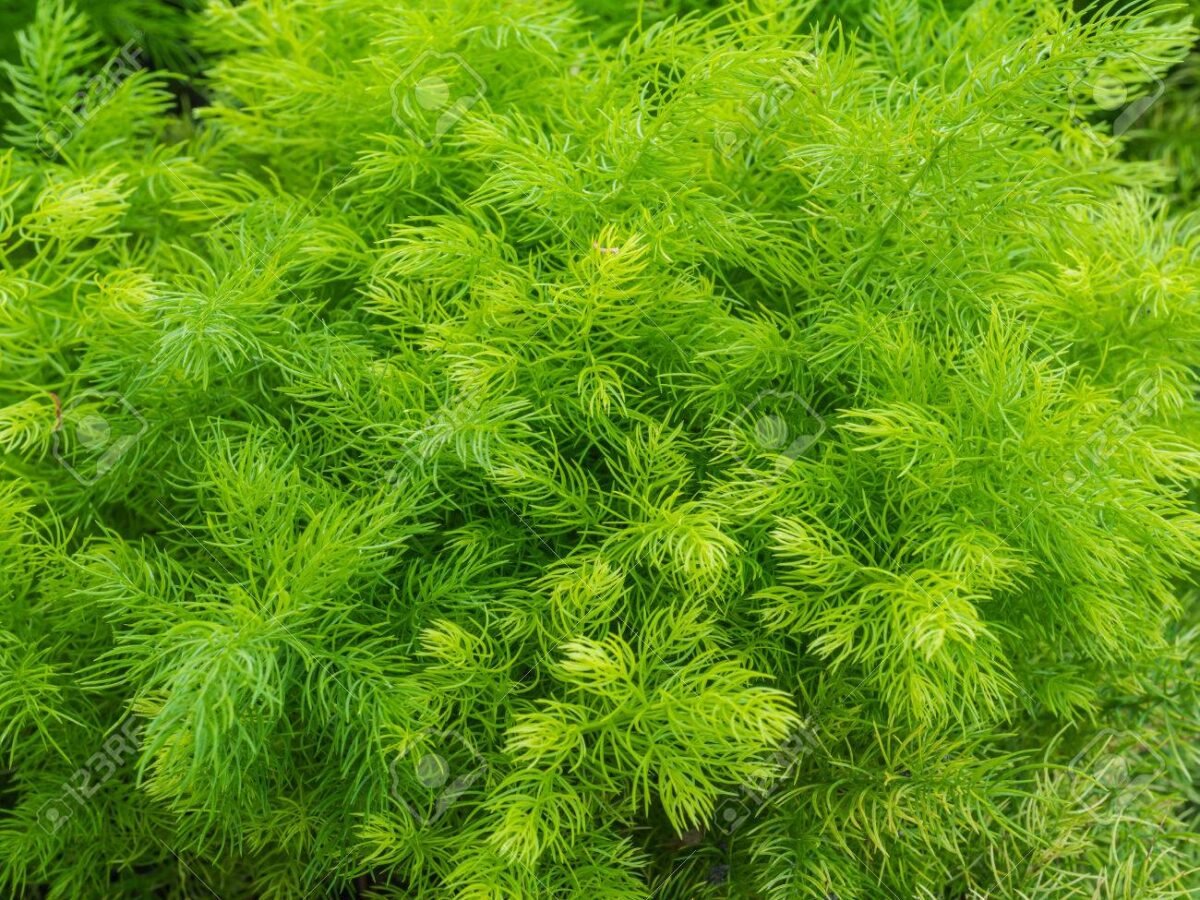
Often confused with Foxtail Fern (Asparagus aethiopicus), Shatavari is one of the most underrated and underutilised plant in the world of landscaping. Packed with medicinal qualities, it can add both environmental as well as aesthetic value to any garden. It’s beautiful, pine-needle-like foliage coupled with its pretty little white blossoms makes it a winner almost everywhere. One may use this humble plant as a filler in hedges to add that touch of glamour while balancing simplicity among other plants.

In several walks of life, Shatavari is known to be associated with something. For instance, it derives its name owing to its ability to increase fertility and vitality among females “who possesses a hundred husbands or acceptable to many”. In Ayurveda, it is known as the ‘Queen of Herbs’ as it promotes love and devotion.

A native plant of India, one can use Shatavari not just for greenscaping but also for its rich medicinal properties. From treating serious illnesses to enhancing moods, Shatavari is known to a remedy for almost 100 types of diseased conditions. 

If you’re thinking of adding greens to your garden, don’t miss out on this green gold.
Categories
blog Sustainable Gardening Basics

Plant of the Month: Aboli

Botanical Name: Crossandra infundibuliformis

Who doesn’t like a perennial, bountiful garden! In this quest, selecting the right set of plants that balances both seasonal and perennial outcomes, is paramount. At the same time, ensuring that it’s hardy, lesser-prone to pests, and vibrant, could make this task a bit harder.

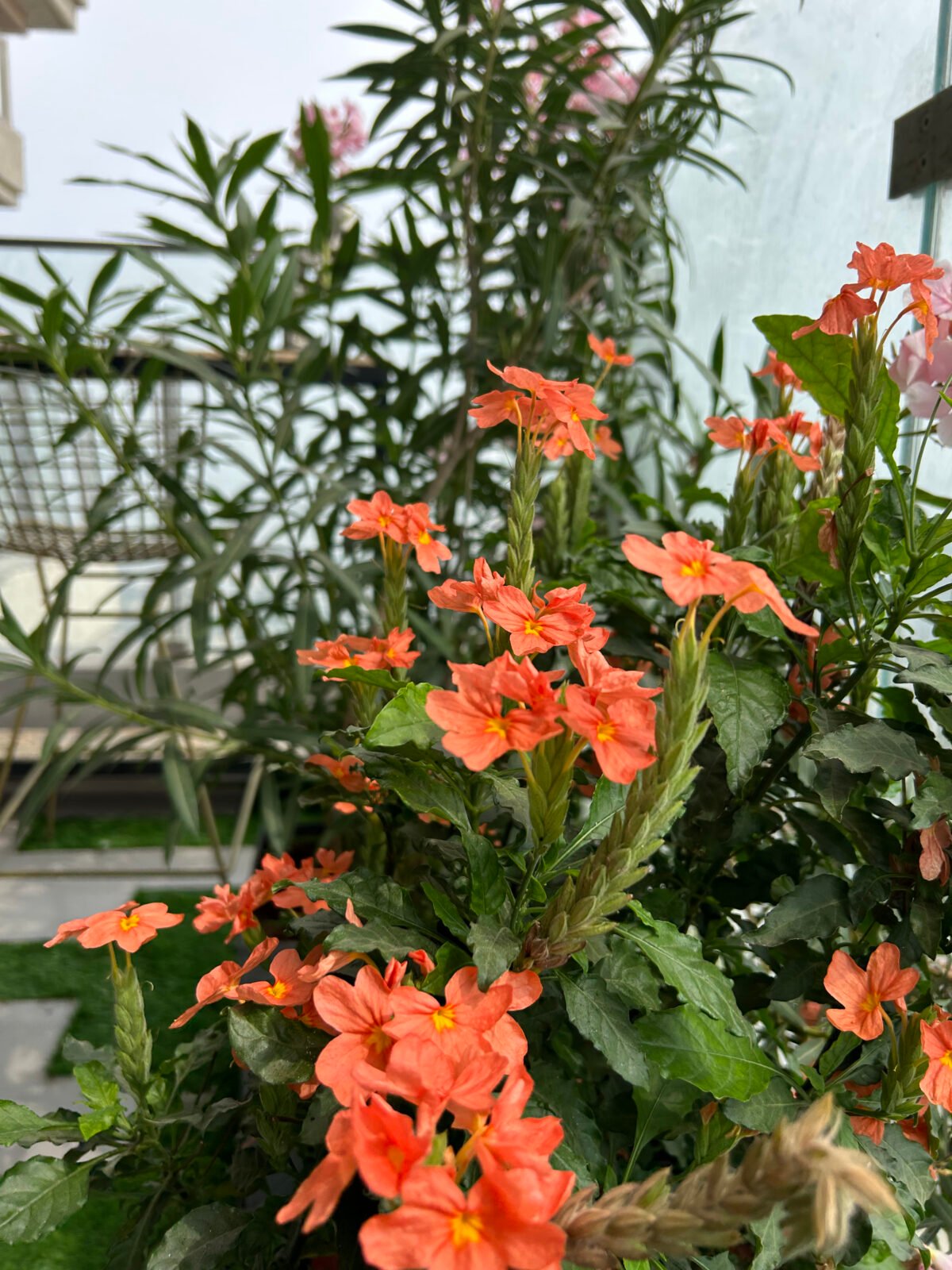
But not with Aboli! Crossandra infundibuliformis easily checks all the boxes with ease. Native to India, it has rightfully earned its position in our botanical heritage, owing to its abundance of bright orange blooms. From embellishing hairstyles of Indian women to becoming an integral part of daily rituals, this flower continues to win the hearts of many.

Once a state flower of Goa, Aboli is gradually and sadly evading the Indian landscape and botanical heritage to its foreign / exotic counterparts. Interestingly, this plant is also called Firecracker flower since its seed pods tends to explode onto the ground like a firecracker when nearing high humidity or rainfall. 

Also being high in medicinal properties, Aboli’s extract is widely used to treat minor headaches, aperitif, fever, pain, and also wound healing. This plant is best suited for people who are looking to create a low maintenance, perennial garden.

Being native to our environment and surroundings, it is better placed to fight pest attacks or diseases. Like any other flowering plant, Aboli likes direct sunlight of at least 3-5 hours to produce those vibrant flowers.

Maintain your garden’s perennial beauty with Aboli!

Categories
blog Sustainable Gardening Basics

Native alternatives to popular exotic plants in India

You might be wondering why I need alternatives to exotic plants? What harm will these plants bring to anyone? The fuss about exotic plants isn’t just about their aesthetic appeal but sustainability – for you and our environment at large.

Worldwide, developed nations are now realizing the value of native, indigenous plants in their ecosystem and working hard to reintroduce them. This realization has come at a heavy price though. From heavy garden maintenance, biodiversity loss, degrading soil health and erosion, reducing green cover, rising temperatures and the list goes on.

In the short-run, effects are hardly felt. Though some are visibility evident such as the movements of birds, butterflies, bees. For instance, birds use their intelligence to recognize exotic trees and avoid building their nests on them. Non-native or exotic trees are weaker in the rooting system as compared to the native trees and are more prone to falling. A good example of this is Mumbai’s popular Gulmohar tree, which dot our cityscape but also pose as a major threat during monsoons.  

Like Gulmohar in the city, our homes are filled with exotic species too. Be it indoor plants such as Monsteras, Pachira, Bird of Paradise or invasive outdoor species such as Lantana, Bougainvillea, Morning Glory, these pretty plants can take up a lot of your time, space and effort if left unchecked.

Here a few alternatives to exotic and invasive plants while planning your home garden which have near similar aesthetic appeal:

Ixora (Ixora coccinea) – Alternative to Lantana

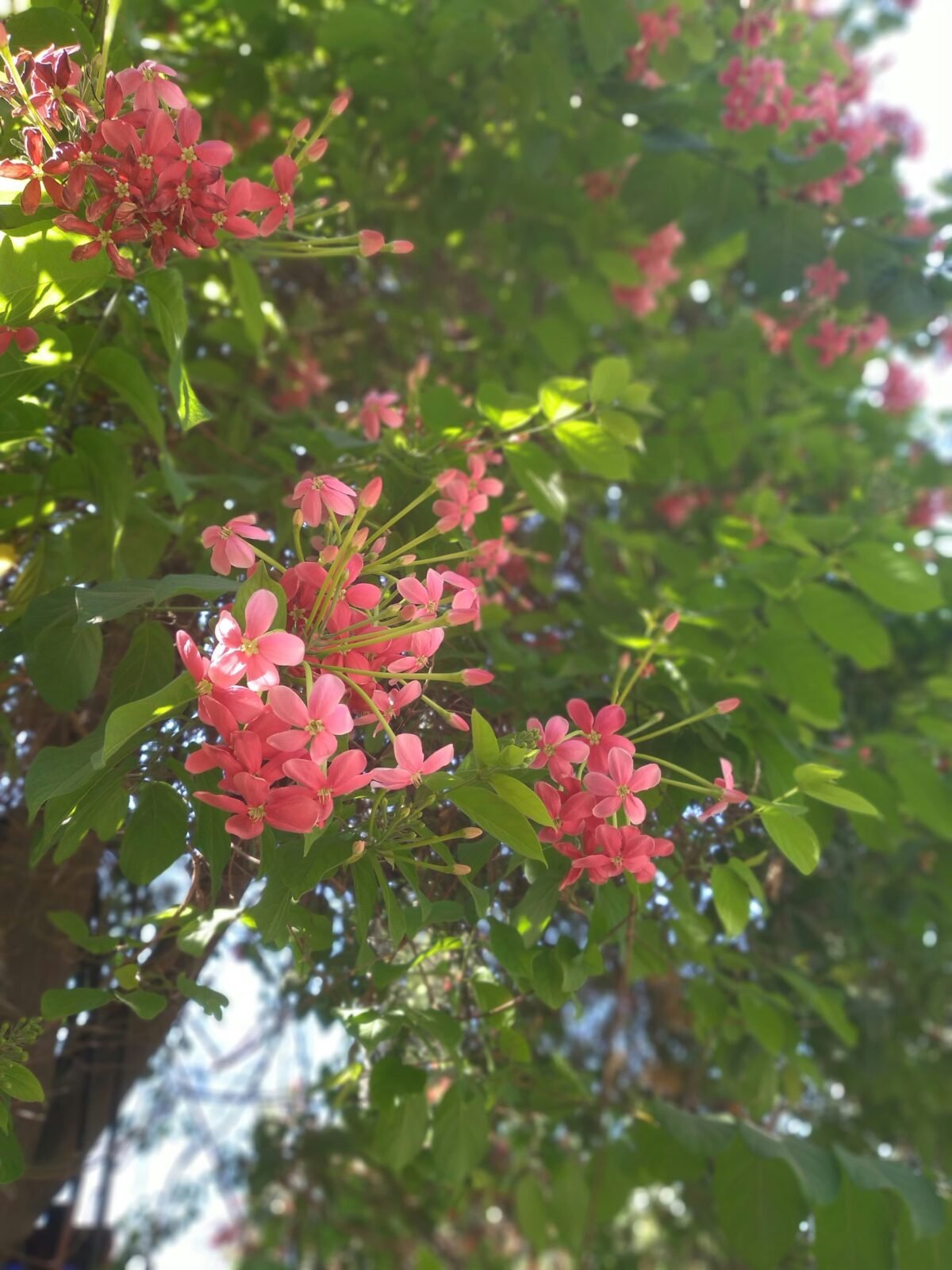
Popularly known as Jungle Geranium, Ixora is a perennial flowering plant with striking clusters of flowers available in different colours

Madhumalti (Combretum indicum) – Alternative to Bougainvillea

Attractive flowers, which blossom like a bouquet of different shades of pink, red and white, can fill your garden with a sweet, unforgettable scent unlike its global counterpart Bougainvillea.

Thunbergia (Thunbergia grandiflora) – Alternative to Morning Glory

Creating a natural green wall couldn’t be easier with Thunbergia. It’s thick green foliage coupled with beautiful purple flowers can create a sturdy green barrier in no time.

Kaner (Nerium Oleander) – Alternative to Thevetia

Drought resistant, perennial, flowering and bushy – what more can a garden demand!

Son Champa (Michelia champaca) – Alternative to Plumeria

A highly underrated, hardy, fragrant plant that adorns our festivities every year. Son Champa can be a great addition to any garden – big or small.

Exotic plants are not bad by themselves. They are just plants after all, but happen to be in a different place, unknown environment, and more often bring along a host of issues. The human endeavor to introduce and multiply exotic plants in non-native conditions creates a negative impact on the local ecology.

Start by adopting these hardy, low-maintenance plants that can serve as great alternatives to exotics.

Categories
blog Sustainable Gardening Basics

3 reasons why you need garden therapy

We are surrounded by jargons. Especially in the green world. From biophilia to sustainability, every concept seems convoluted. Though if one tries to dig deeper, the simplicity behind such complexity can be truly uncovered.

To understand, we first need to revisit the basics. What is a garden? What is it meant to do? Why should I have one? Before we deep-dive, we must remember that there’s no right or wrong answer, it’s just a matter of our own interpretation.

There are several definitions of a garden. A plot where flowers, plants, fruits, herbs are cultivated. A place meant for enjoyment with plants. A planned space, usually outdoors, set aside for the display with grass, ornamental plants.

Well, a garden is all of it and much more. It is a collective of people and plants, where they come together to celebrate life, appreciate beauty, harvest bounty and above all, share joy.

A garden is also one such place, that embraces every kind of gardener – one who is actively involved in planning, observing, nurturing, sharing insights, being physically involved in the act of gardening or making use of the garden for leisure, recreation and other purposes.

And it takes care of the passive ones too – who don’t engage themselves in the process but yet reap the indirect benefits by being around. From the calm and cool of green to the scent of flowers, plants have this magical, intangible impact on everyone.

Here are top three reasons why everyone should consider garden therapy:

Holistic well-being: It is a known fact that plants can heal our body. And, they can also heal our mind and soul. From reducing stress, improving mood and memory, enabling social skills, promoting emotional growth in form of self-esteem, to making one self-aware, a garden has a lot of offer for us.

Pollution-free environment: Every plant exhales oxygen and inhales carbon dioxide. It’s a natural phenomenon called photosynthesis. By doing so, every plant contributes towards cleaning the air we breathe, bringing the rainwater we drink and cooling the climatic conditions we live in.

Health and lifestyle: By adopting organic and sustainable methods of gardening, one can produce his/her own food chemically-free. From herbs to vegetables, an organic garden can help increase vitality, longevity of people while also inviting beneficial pollinators to pollinate our food naturally. After all, a healthy body and mind can enjoy life to the fullest.

A garden is more than a place of past-time or a hobby. It has the potential to heal our body, mind and even soul. This form of therapy is the most pioneering, pure, and powerful gift of nature for us.

Try it to believe it!

Categories
blog Sustainable Gardening Basics

How to set-up a low-maintenance home garden?

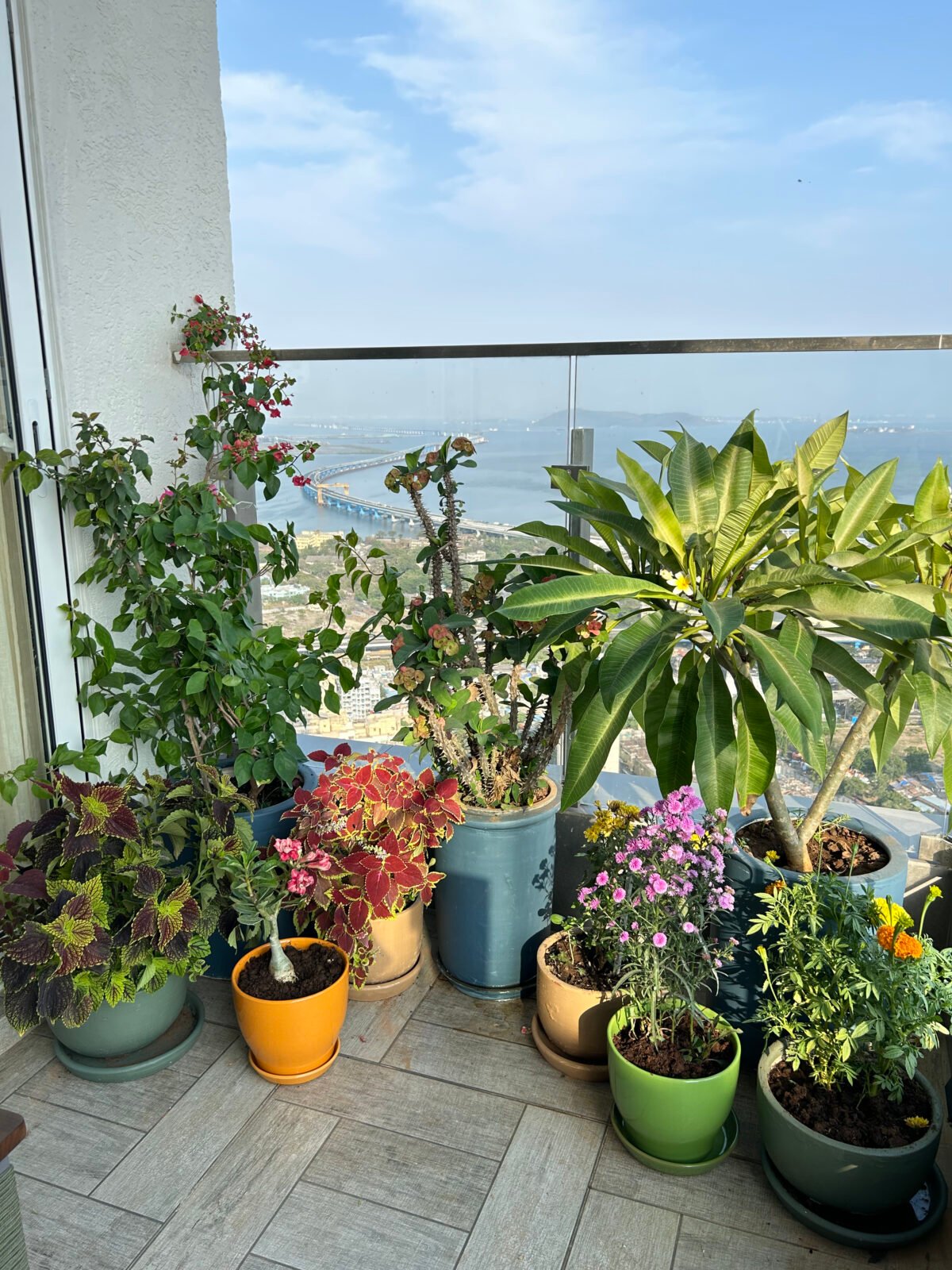
You have been thinking of bringing plants home for some time. But you’re confused or hesitant on which ones to get, where to keep, how not to kill them. Or, you already have plants in your garden space (window, balcony, terrace, lawn) but keep jostling with their survival from time to time. Well, this is a journey for most of us. Starting your garden with the right knowledge and materials is the key to addressing your concerns.

With the help of the internet especially Instagram, one may argue that choosing houseplants is simple and straight-forward today. Nursery operators have elaborate sections inundated with “indoor plants” they claim are maintenance friendly. And to take care of them, we now have mobile apps powered by AI that can help us to identify the names and diseases and perhaps, better take care of them.

While all this may be true to some extent, the challenge lies in getting the right information meant for your own garden space. Not generic rulebooks meant for all. Before you decide to buy any plant or pot, you must consider the following factors in your house:

Light condition For spaces or corners that receive direct sunlight, choose plants that can withstand it such as flowering plants such as Ixora, Jasmines, Desi Hibiscus, Kaner, etc. Or herbs or edibles such as Pudina, Oregano, Lemon, Ajwain. Certain foliage plants include Rubber Plant, Schefflera, Palms, etc. Even exotics like Fiddle Leaf Fig or Radermachera thrive in direct light against popular belief. Depending on the hours of sunlight that space receives, you can pick the desired plant that won’t burn out in the sun or won’t wither away in its absence.  

Ventilation This is a very important factor to consider given the hot, humid, and unpredictable weather of Mumbai. Lack of fresh air can degrade the health of plants, just like ours and invite pests, diseases which make them high on maintenance. Instead of keeping plants in zero ventilated areas, choose a spot which allows fresh air at least for a few hours of the day. Or move the plants is breezy spot at least twice a week.

Materials If your house lacks bright daylight, then avoid using non-porous materials such as plastics or ceramics as they don’t allow water to evaporate easily. In turn, use fabric grow bags as inner liners in place of plastic pots or simply use the age-old terracotta planters to always keep your plants healthy.

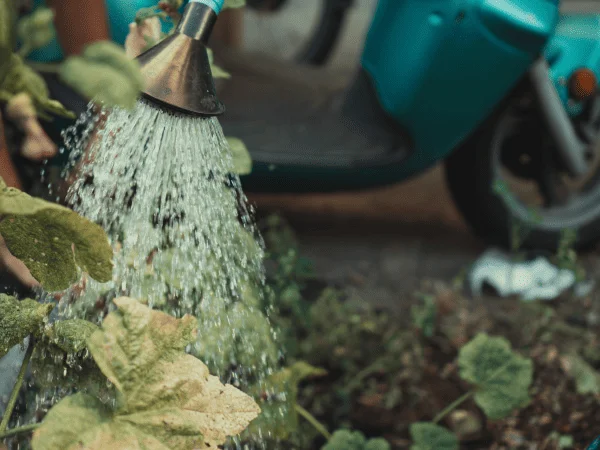
Watering This is the most critical aspect which can make or break your garden eventually. Whichever material you choose, watering the plants should be regulated and personalized to each plant’s need. Terracotta needs lesser water as the clay keeps the soil moist and aerated for a longer period. Plants which are kept in direct sunlight always, may need water daily v/s plant which are kept in indirect light.

Above all, use native plants that are indigenous to our land, climate, and environment. Such plants by default make a garden low maintenance yet maintaining its natural beauty. While setting-up a home garden seems daunting, the tougher part is the post set-up maintenance.  

Plants make a great addition to décor. However, this experience can be daunting if style takes over sustainability. Hence, it is imperative to strike a balance between science and aesthetics.

Simple techniques such as selecting plants to suit light + space conditions, reducing clutter, choosing the right materials, can help in creating a self-sustaining home garden.

Categories
blog Sustainability Sustainable Gardening Basics

Pal Talks November – December 2023

It is that time of the year when you wake up to a slight nip in the air. Your plants are gearing up for the seasonal changes. Growth eases out, leaves change their colour, start falling to increase defence mechanism in fall.

People’s craze for ‘rare’ and ‘exotic’ foreign plants is posing a threat to urban green covers and natural forests, nearly 66% of India’s natural systems are threatened by invasive plant species

3 things to look out in potted plants during this season

1. Water

Do not overwater your plants as temperature is cooler now. Check topsoil before watering.

2. Fungus & pests

Dryness, excess water may increase fungus, spider mites, other leaf sucking pests.

3. Brightness

Shift plants in a warm, brighter spot or keep room lights on, especially during evenings.

Plant of the Month

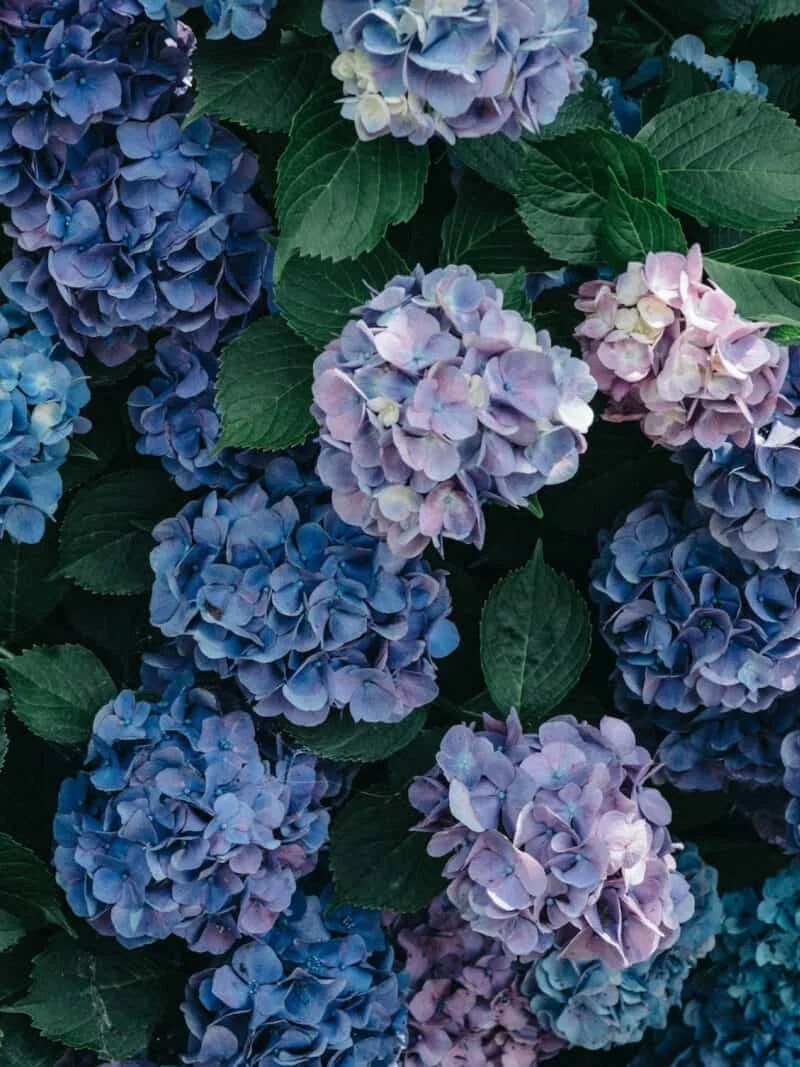
Hydrangea. A winter flower, hydrangeas come in different colours and sizes. For hedges or pots, this flower is a bouquet in itself.

DIY Fungicide

Make this easy decoction to fight fungal infections in plants. Mix and apply turmeric & cinnamon powders in equal parts and apply on topsoil.

Categories
blog Sustainable Gardening Basics

Pal Talks Volume 5: July-August 2023

Red Alert!
From skyrocketing price of tomatoes to deluge of rain, this monsoon season has brought several red alerts in our lives.
This takes us back to the most fundamental questions – when exactly to water the plants? Just yesterday it was pouring, today it is sunny.. what should be the watering routine?
The answer lies within your touch!

A few thumb rules to help you and your plants this monsoon:

Feel the soil

Be 100% sure while watering your plants with this finger test.. especially for indoor plants.

Dip your fingertip (about an inch) in the soil and see if it sticks to your finger.

If yes, there’s enough water and you can avoid watering your plant. If it doesn’t stick at all, only then water your plants.

Make simple changes

In addition to this, you may do the following:

reduce overall quantity of water to avoid filling up the plates or containers for indoor plants

remove the trays / plates for outdoor plants to allow excess water to flow out from the bottom

Categories
blog Sustainable Gardening Basics

Myths v/s Facts: Mess v/s Method

Myth

Potted plants stain the exterior walls of buildings. They’re not meant to keep in the windows or grills.

In urban cities, especially Mumbai, several housing societies have banned houseplants.

Residents are discouraged to keep potted plants in the exterior fittings of the buildings such as window grills or panes, a/c ducts and sometimes even balconies.

The primary reason behind such intentions are to avoid mud marks as well as reduce weight on the exterior walls of buildings.

Fact

Potted plants without plates underneath and overwatering are the main reasons for causing stains on walls.

While placing plants on windows, balconies or terraces, one must always invest in plates or trays to collect the excess water. During summers, this excess water can also help birds to quench their thirst. However, we recommend to keep the trays clean periodically of this water to avoid breeding of any insects or pests.

Second, avoid flood irrigation or pouring large amounts of water in one go. It will not only save you from creating those ugly stains but will also from eroding nutrients from the soil.

Keeping these two factors in mind, one can create a green window without affecting the beauty and integrity of building walls.

Categories
blog Sustainable Gardening Basics

Did you know? Plants love terracotta

Planters are made out of natural clay are both plant and environment-friendly. Such material is breathable and adjusts as per the outside temperature. In short, plants love and thrive in terracotta v/s other materials. However, they come with their own pros and cons.

Water and air circulation is better in terracotta

The high porosity in terracotta planters allows for air and water to move through the walls. This keeps the plant healthy from root rots, soil erosion, etc.

Terracotta materials also reflects the outside temperature very easily. Hence, problems related to watering can be easily noticed in such planters.

Natural look and patina makes it more desirable

The colour of clay combined with the white deposits on the outer surface can outshine any other material.

In different regions around the world, clay colour can differ from reddish brown to white and even black in a few cases. You can also give it your creative spun

Being a natural material, it is prone to wear and tear

Since terracotta planters are made of natural clay, they’re delicate and can break or crack.

Long exposure to water can bring a deposit of fungus on the outer layer. However, it can be scraped or washed once the temperature is dry enough with a cloth or tissue.

Categories
blog Sustainable Gardening Basics

FAQ: How to create a sustainable garden?

Such balanced, consistent, and self-sustained ecosystems require minimal or no intervention, resulting into ecological conservation at a macro level.

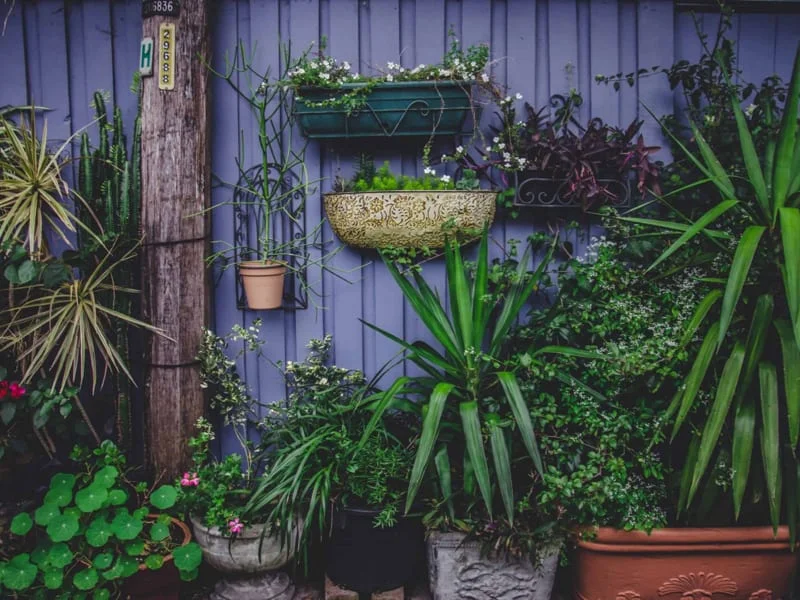
At an individual level, choosing eco-friendly materials, native plants, optimising time and resources to create your home garden, makes it sustainable.

Such methods encourage natural ways of –

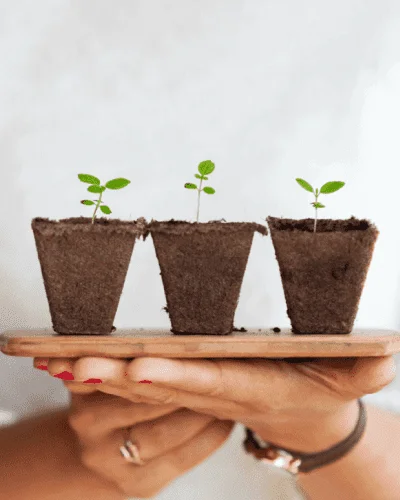
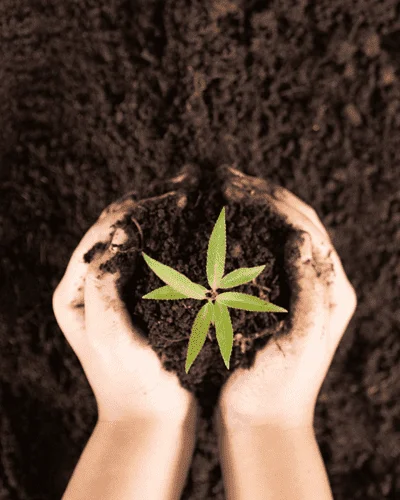
Growing

(with no frills attached)

Fertilization

(where the kitchen is the gold mine)

Pest control

(when the job can be done gently)

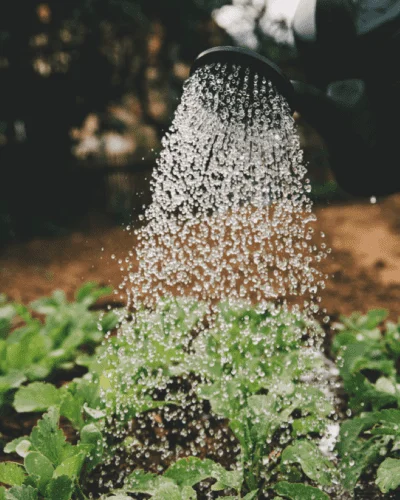
Watering

(when less is more)

Creating a sustainable garden at home requires a holistic approach towards incorporating natural ecosystems at a smaller scale. From the choice of planter materials to the type of plants and maintenance of gardens, one can create a self-sustaining microcosm within the confines of one’s home.