
Categories
blog Sustainable Gardening Basics

How to set-up a low-maintenance home garden?

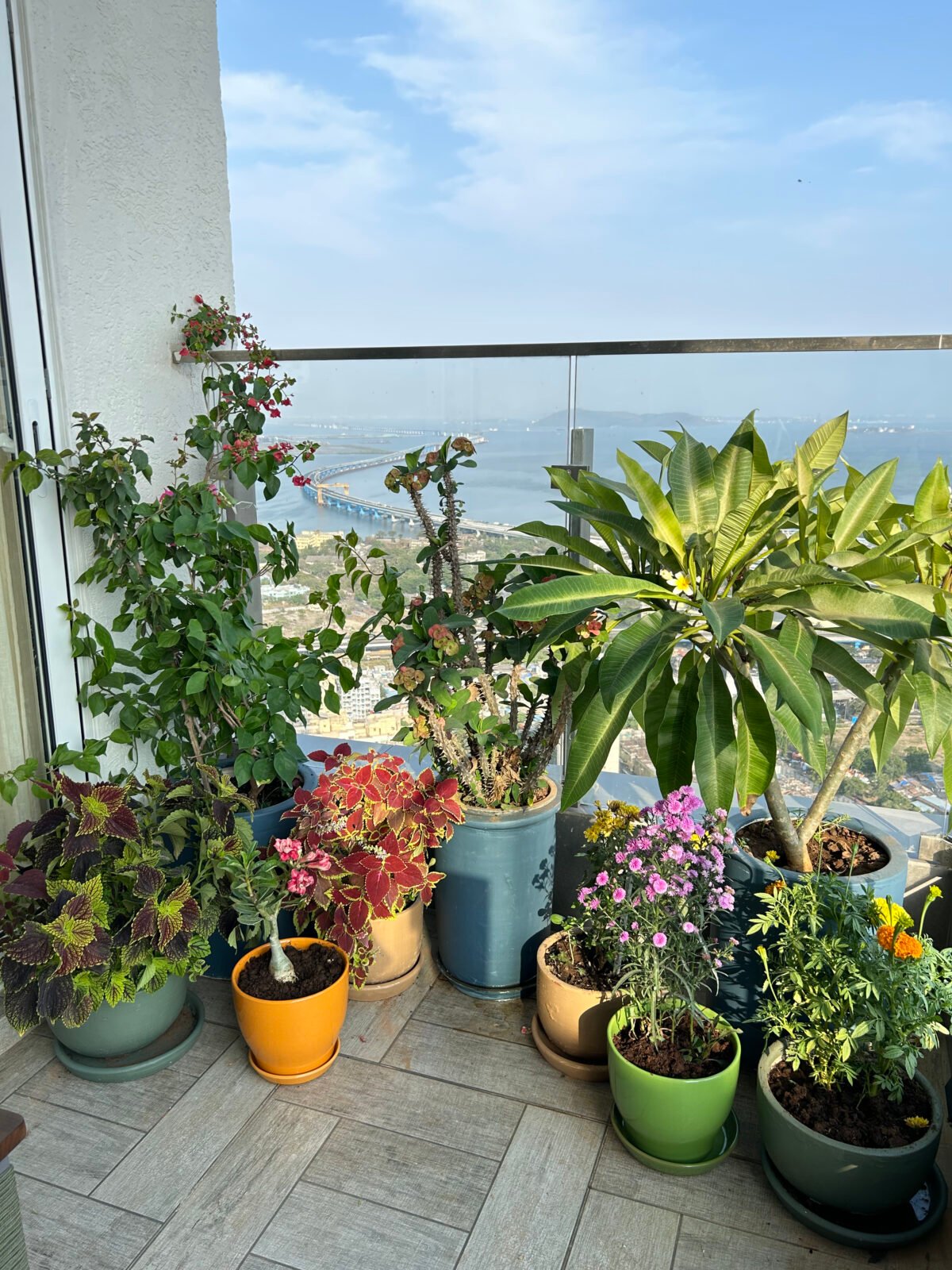
You have been thinking of bringing plants home for some time. But you’re confused or hesitant on which ones to get, where to keep, how not to kill them. Or, you already have plants in your garden space (window, balcony, terrace, lawn) but keep jostling with their survival from time to time. Well, this is a journey for most of us. Starting your garden with the right knowledge and materials is the key to addressing your concerns.

With the help of the internet especially Instagram, one may argue that choosing houseplants is simple and straight-forward today. Nursery operators have elaborate sections inundated with “indoor plants” they claim are maintenance friendly. And to take care of them, we now have mobile apps powered by AI that can help us to identify the names and diseases and perhaps, better take care of them.

While all this may be true to some extent, the challenge lies in getting the right information meant for your own garden space. Not generic rulebooks meant for all. Before you decide to buy any plant or pot, you must consider the following factors in your house:

Light condition For spaces or corners that receive direct sunlight, choose plants that can withstand it such as flowering plants such as Ixora, Jasmines, Desi Hibiscus, Kaner, etc. Or herbs or edibles such as Pudina, Oregano, Lemon, Ajwain. Certain foliage plants include Rubber Plant, Schefflera, Palms, etc. Even exotics like Fiddle Leaf Fig or Radermachera thrive in direct light against popular belief. Depending on the hours of sunlight that space receives, you can pick the desired plant that won’t burn out in the sun or won’t wither away in its absence.  

Ventilation This is a very important factor to consider given the hot, humid, and unpredictable weather of Mumbai. Lack of fresh air can degrade the health of plants, just like ours and invite pests, diseases which make them high on maintenance. Instead of keeping plants in zero ventilated areas, choose a spot which allows fresh air at least for a few hours of the day. Or move the plants is breezy spot at least twice a week.

Materials If your house lacks bright daylight, then avoid using non-porous materials such as plastics or ceramics as they don’t allow water to evaporate easily. In turn, use fabric grow bags as inner liners in place of plastic pots or simply use the age-old terracotta planters to always keep your plants healthy.

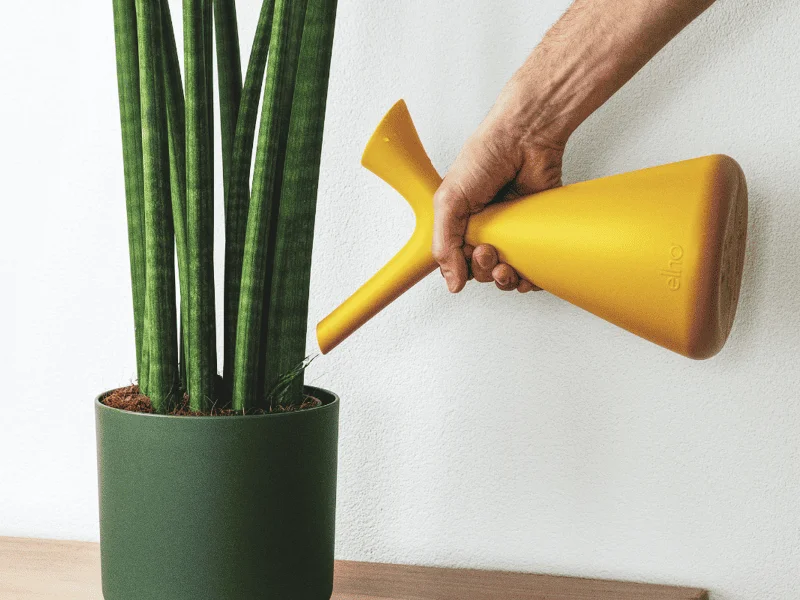
Watering This is the most critical aspect which can make or break your garden eventually. Whichever material you choose, watering the plants should be regulated and personalized to each plant’s need. Terracotta needs lesser water as the clay keeps the soil moist and aerated for a longer period. Plants which are kept in direct sunlight always, may need water daily v/s plant which are kept in indirect light.

Above all, use native plants that are indigenous to our land, climate, and environment. Such plants by default make a garden low maintenance yet maintaining its natural beauty. While setting-up a home garden seems daunting, the tougher part is the post set-up maintenance.  

Plants make a great addition to décor. However, this experience can be daunting if style takes over sustainability. Hence, it is imperative to strike a balance between science and aesthetics.

Simple techniques such as selecting plants to suit light + space conditions, reducing clutter, choosing the right materials, can help in creating a self-sustaining home garden.
Categories
blog Sustainable Gardening Basics

5 reasons why you need a sustainable landscape

We are surrounded with landscapes in our everyday life – be it backyards, balconies, parks, public green spaces, roads, and even office spaces.

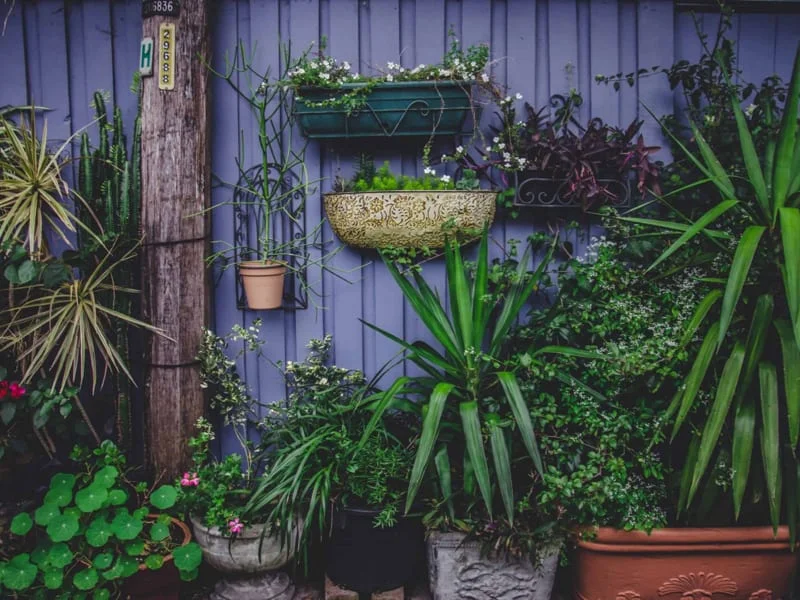
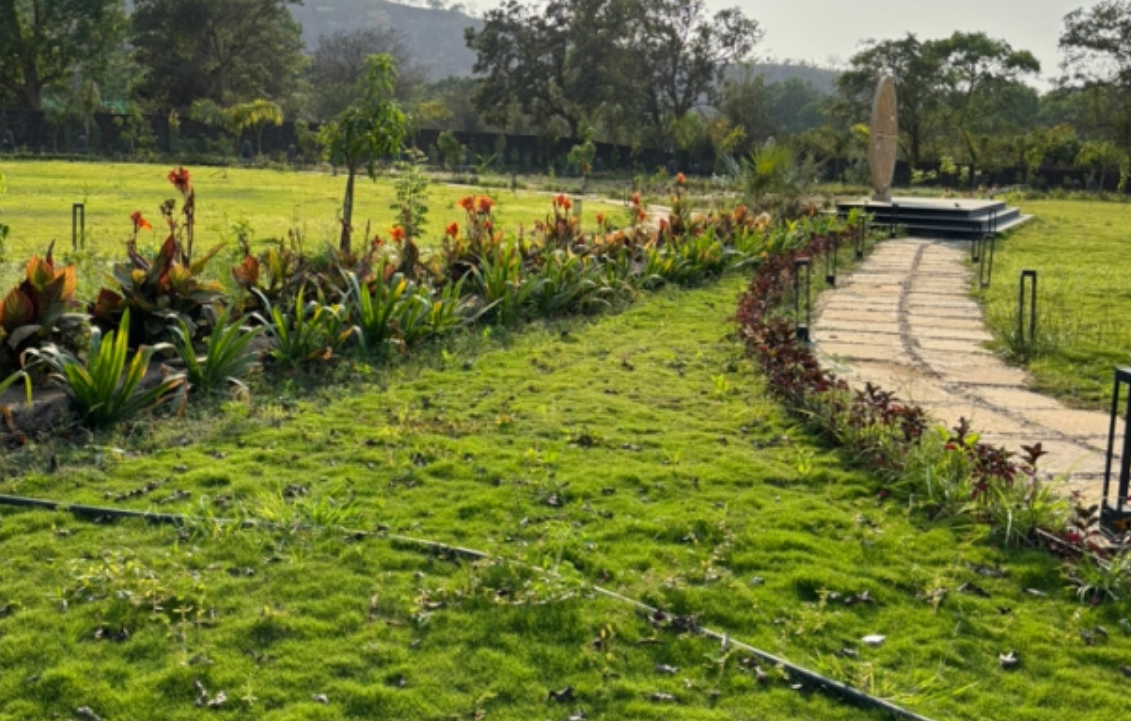
Using sustainable practices in your garden, no matter where you live – whether you create a garden in a balcony, your housing society or farmhouse, can do good for you and our environment. Sustainable landscapes enhance our environment’s ability to clean air and water, reduce flooding, combat climate change, and provide all the other natural benefits that support life on earth. Sounds big?! Let’s break it down in simple words.

A sustainable landscape works with nature, not against it. Irrespective of its size, it maximizes environmental and health benefits for the current and future generations. In short, a sustainable landscape is a beautiful garden that protects or restores the benefits nature provides us that are essential to our everyday lives. It can be a space for outdoor recreation, gathering with family and friends, stormwater mitigation, plain relaxation, or a home for wildlife. The choice is yours to make.

5 benefits of creating sustainable landscapes:

This approach not only benefits the environment but also enhances the quality of life for you and community at large. It offers the best of both worlds, blending beauty with practical benefits.

Clean Air Plants naturally remove pollutants from the air, take in carbon dioxide, and provide the oxygen we breathe. Rapid concretization in urban cities is taking a toll on public health and mindful landscaping is one of the key factors to protect it.

Clean Water Plants and healthy soils capture, break down, and bind water pollutants. Stormwater runoff from developed land is the leading cause of water pollution of urban areas.

Build Healthy and Fertile Soil Maintaining soil health and fertility is one of the foremost benefits of this method. Turning landscape trimmings into compost or mulch benefits landscapes and minimizes waste materials in the landfill

Control Erosion and Sediment Runoff On terrains which are prone to soil erosion, landslides, a sustainable garden can offer more than concrete can. Vegetation holds soil in place and decreases the likelihood of erosion and sediment runoff

Mitigate Urban Heat Island Vegetation helps to moderate air temperatures by providing shade and releasing moisture into the air. Sustainable landscapes shade dark surfaces and use light-coloured or porous materials to mitigate urban heat islands.

Urban development and the replacement of vegetation with dark impervious surfaces such as conventional roofs, roads and buildings can absorb and trap heat which causes cities to have warmer temperatures than their rural surroundings. This phenomenon, known as the urban heat island effect, increases the demand for cooling energy in buildings and accelerates the formation of ground level ozone and smog.

Above all, sustainable landscape provide habitat – plants and soils fuel the dazzling diversity of life on this planet. There are more soil microorganisms in a teaspoonful of soil than there are people on the earth! Sustainable gardens can provide habitat for a variety of plant and animal species that are paramount to human life, too.

Home gardeners or not, you can work with nature and as a part of nature to support and build biodiversity in your way. Even a small garden, can have a big impact.

By Dipti Agarwal Founder and Chief Gardening Officer, Peepal Resident of Kemps Corner
Mobile: +91 7400XXXXX| Email: dipti.agarwal@peepal.one | Website: https://peepal.one/ | Instagram: peepalindia
Categories
blog Sustainable Gardening Basics

Myths v/s Facts: Mess v/s Method

Myth

Potted plants stain the exterior walls of buildings. They’re not meant to keep in the windows or grills.

In urban cities, especially Mumbai, several housing societies have banned houseplants.

Residents are discouraged to keep potted plants in the exterior fittings of the buildings such as window grills or panes, a/c ducts and sometimes even balconies.

The primary reason behind such intentions are to avoid mud marks as well as reduce weight on the exterior walls of buildings.

Fact

Potted plants without plates underneath and overwatering are the main reasons for causing stains on walls.

While placing plants on windows, balconies or terraces, one must always invest in plates or trays to collect the excess water. During summers, this excess water can also help birds to quench their thirst. However, we recommend to keep the trays clean periodically of this water to avoid breeding of any insects or pests.

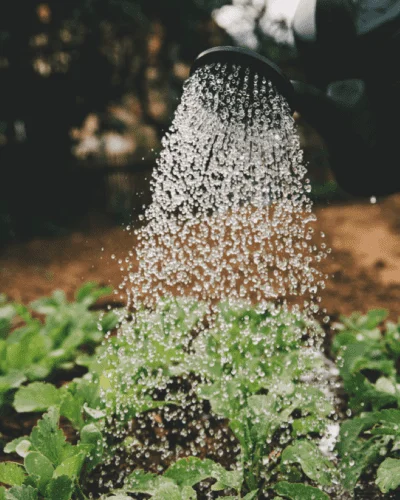
Second, avoid flood irrigation or pouring large amounts of water in one go. It will not only save you from creating those ugly stains but will also from eroding nutrients from the soil.

Keeping these two factors in mind, one can create a green window without affecting the beauty and integrity of building walls.

Categories
blog Sustainable Gardening Basics

FAQ: How to create a sustainable garden?

Such balanced, consistent, and self-sustained ecosystems require minimal or no intervention, resulting into ecological conservation at a macro level.

At an individual level, choosing eco-friendly materials, native plants, optimising time and resources to create your home garden, makes it sustainable.

Such methods encourage natural ways of –

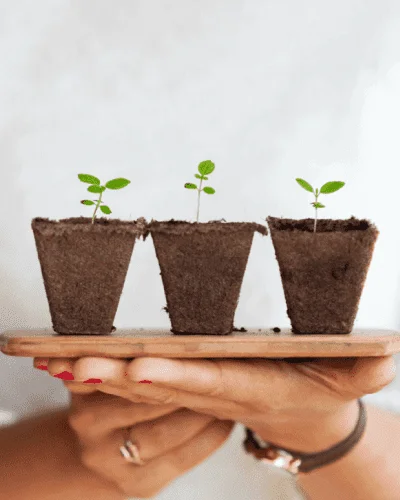
Growing

(with no frills attached)

Fertilization

(where the kitchen is the gold mine)

Pest control

(when the job can be done gently)

Watering

(when less is more)

Creating a sustainable garden at home requires a holistic approach towards incorporating natural ecosystems at a smaller scale. From the choice of planter materials to the type of plants and maintenance of gardens, one can create a self-sustaining microcosm within the confines of one’s home.