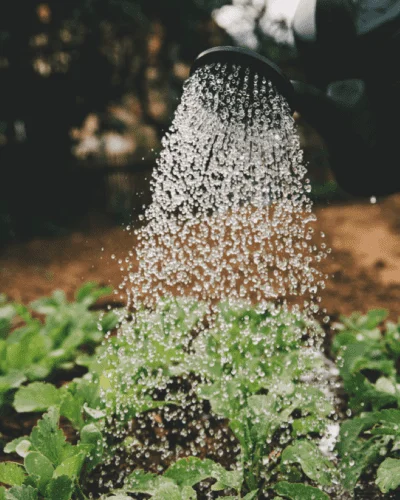

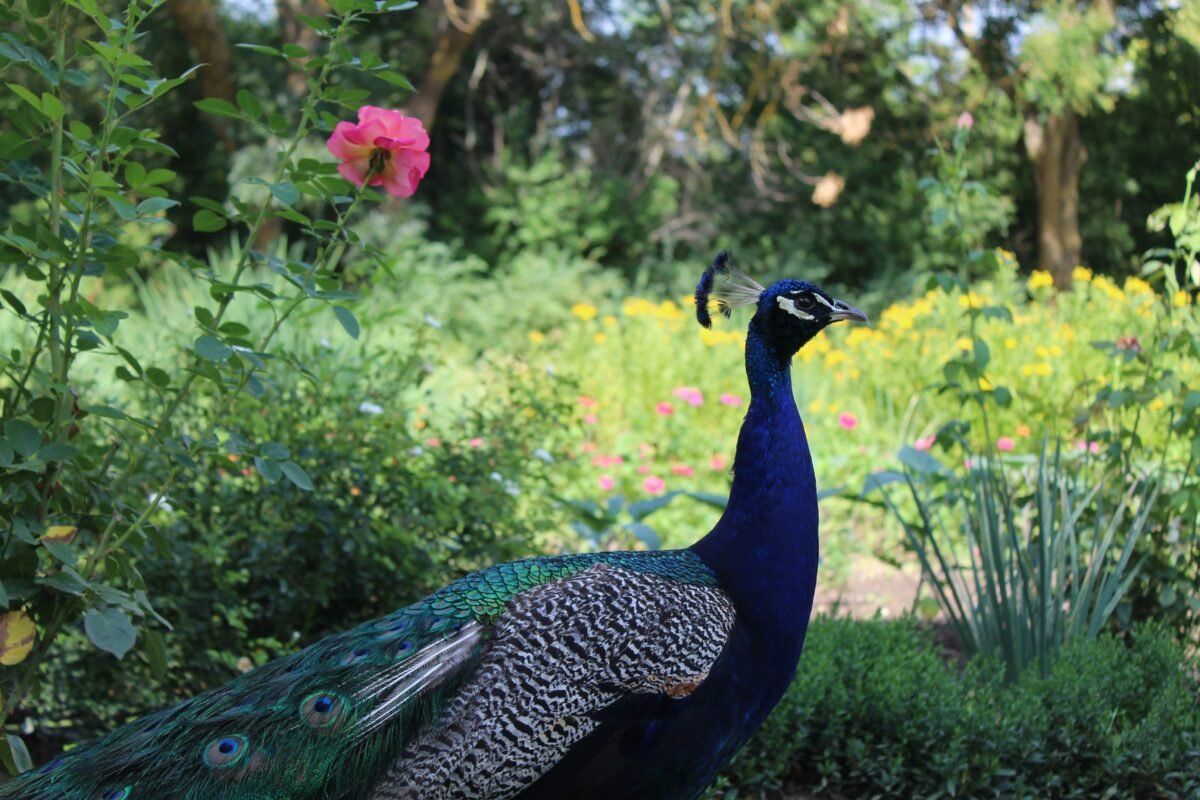
We often, perceive and use plants for their sheer beauty, overlooking their innate potential to nurture all life on earth.
Beyond providing tangible benefits such as medicine or food, plants play a far deeper role in supporting us mentally, physically, socially and spiritually. Irrespective of how one engages with them – actively, passively or sub-consciously, there’s constant interaction with plants. In our everyday lives, there are countless instances where one directly or indirectly reaps their benefits. Be it the food we eat or day-to-day materials we use or the air we breathe, every single thing we consume is a derivative of plants.
Unfortunately, over the years, the meaning of gardens and landscapes have changed radically, thus undermining their value in our lives today. From being a place of enjoyment to being a platform of appeasement, the inherent ability of a garden has been truncated. The indiscriminate use of templatized and over-commercialized non-native materials such as exotic ornamental plants, lawns, non-biodegradable products, is gradually changing their identity to mere beautiful decor objects.
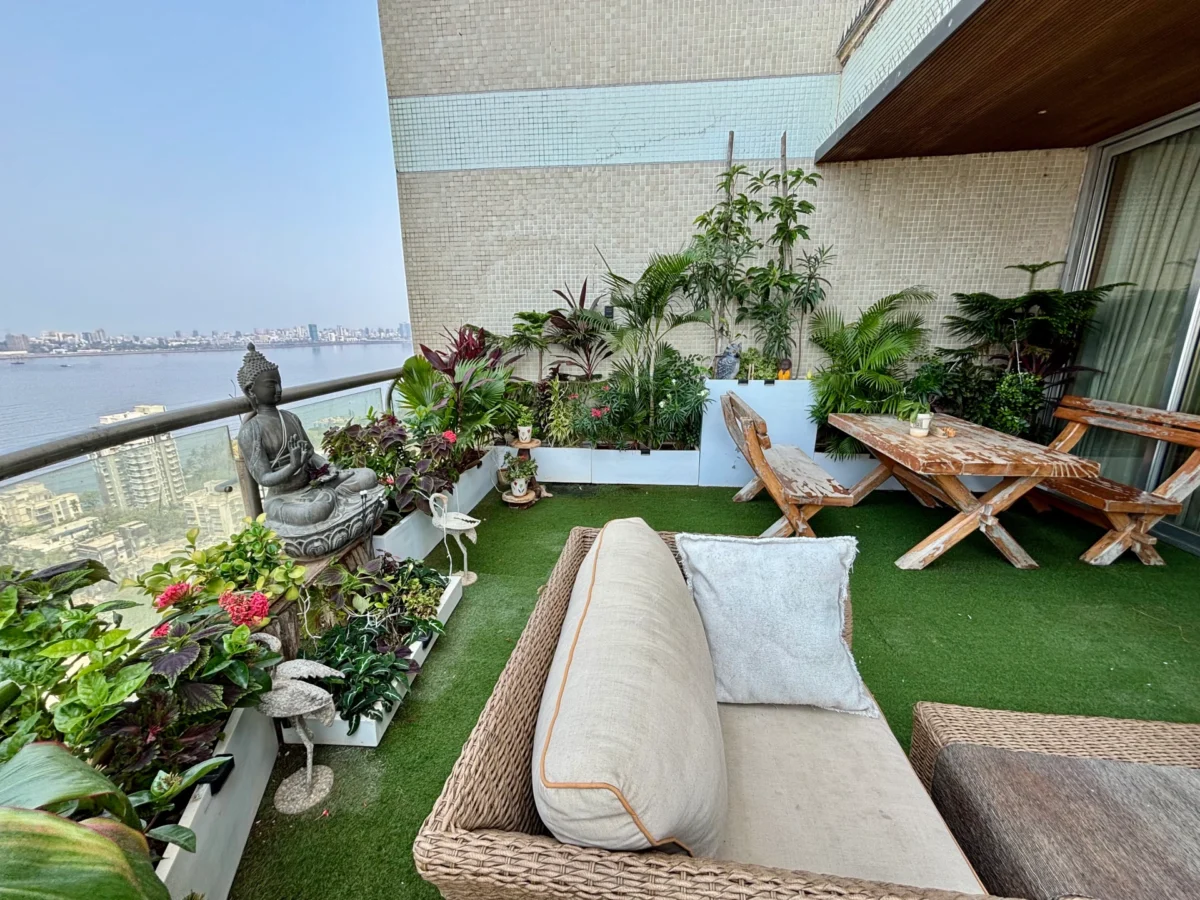
On the brighter side, a garden full of plants can be many things beyond grandeur. A pharmacy, an orchard, a farm, a meditation corner, a fitness centre, a cultural or social hub – a garden can serve many purposes if designed with a vision and built with the sustainable principles.
3 things that you must consider in your garden to unlock the healing power of plants:
1) Sensory experience:
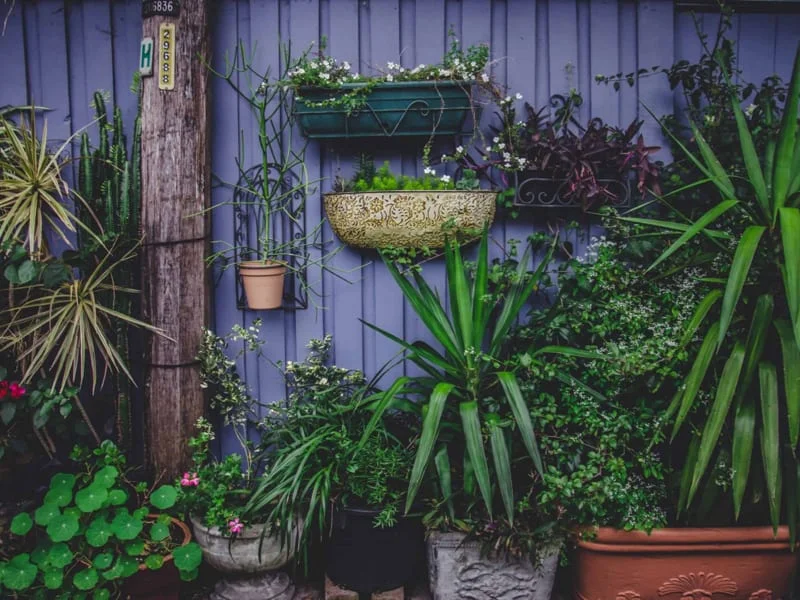
Several landscaping experts restrict the use of flowering plants in design in the name of maintenance issues. However, flowers are integral to our environment and our health. Fragrance, colour, texture, the process of blooming, every aspect of flowering plants have a deep impact on our emotional and mental well-being. Such stimulation of senses is one of the important and intangible benefit that such a garden offers.
2) Natural elements:
The idea of listening to running water from a fountain, touching or walking on stones, tasting berries or smelling flowers, together create a healing effect on the mind and soul. What is a garden if it’s not a place that is characterized by peace and silence, free of rubbish but just the sound derived from wind, water, birds or insects! By integrating natural elements such as native vegetation that attract and support biodiversity or water bodies that regulate the internal climate, there are several ways in which a restorative garden can have a healing effect on our body and mind.
3) Garden design:
Design of a garden is not just affected by desire of its designers but also by the establishes who organize it. A garden should be shaped functionally and aesthetically in order to attract and fulfil the user’s needs. From deciding the size of a garden, to creating opportunities to interact with nature and reducing the maintenance in the long-run, there should be a balance between aesthetics and sustenance.
According to World Health Organization (WHO), more than 1 billion people are living with mental health disorders, with conditions such as anxiety and depression inflicting immense human and economic tolls. Several studies have indicated that nature has positive effects on our health and can be a place for restoration from stress.
In the coming new year, let this be your new resolution. Don’t think of creating a beautiful garden, alone. Think of how you can create an opportunity to restore the joy and well-being at your disposal, a safe space that helps you establish a deeper connection with nature, an ecosystem that makes you feel beautiful from within.