
Categories
blog Sustainable Gardening Basics

5 reasons why you need a sustainable landscape

We are surrounded with landscapes in our everyday life – be it backyards, balconies, parks, public green spaces, roads, and even office spaces.

Using sustainable practices in your garden, no matter where you live – whether you create a garden in a balcony, your housing society or farmhouse, can do good for you and our environment. Sustainable landscapes enhance our environment’s ability to clean air and water, reduce flooding, combat climate change, and provide all the other natural benefits that support life on earth. Sounds big?! Let’s break it down in simple words.

A sustainable landscape works with nature, not against it. Irrespective of its size, it maximizes environmental and health benefits for the current and future generations. In short, a sustainable landscape is a beautiful garden that protects or restores the benefits nature provides us that are essential to our everyday lives. It can be a space for outdoor recreation, gathering with family and friends, stormwater mitigation, plain relaxation, or a home for wildlife. The choice is yours to make.

5 benefits of creating sustainable landscapes:

This approach not only benefits the environment but also enhances the quality of life for you and community at large. It offers the best of both worlds, blending beauty with practical benefits.

Clean Air Plants naturally remove pollutants from the air, take in carbon dioxide, and provide the oxygen we breathe. Rapid concretization in urban cities is taking a toll on public health and mindful landscaping is one of the key factors to protect it.

Clean Water Plants and healthy soils capture, break down, and bind water pollutants. Stormwater runoff from developed land is the leading cause of water pollution of urban areas.

Build Healthy and Fertile Soil Maintaining soil health and fertility is one of the foremost benefits of this method. Turning landscape trimmings into compost or mulch benefits landscapes and minimizes waste materials in the landfill

Control Erosion and Sediment Runoff On terrains which are prone to soil erosion, landslides, a sustainable garden can offer more than concrete can. Vegetation holds soil in place and decreases the likelihood of erosion and sediment runoff

Mitigate Urban Heat Island Vegetation helps to moderate air temperatures by providing shade and releasing moisture into the air. Sustainable landscapes shade dark surfaces and use light-coloured or porous materials to mitigate urban heat islands.

Urban development and the replacement of vegetation with dark impervious surfaces such as conventional roofs, roads and buildings can absorb and trap heat which causes cities to have warmer temperatures than their rural surroundings. This phenomenon, known as the urban heat island effect, increases the demand for cooling energy in buildings and accelerates the formation of ground level ozone and smog.

Above all, sustainable landscape provide habitat – plants and soils fuel the dazzling diversity of life on this planet. There are more soil microorganisms in a teaspoonful of soil than there are people on the earth! Sustainable gardens can provide habitat for a variety of plant and animal species that are paramount to human life, too.

Home gardeners or not, you can work with nature and as a part of nature to support and build biodiversity in your way. Even a small garden, can have a big impact.

By Dipti Agarwal Founder and Chief Gardening Officer, Peepal Resident of Kemps Corner
Mobile: +91 7400XXXXX| Email: dipti.agarwal@peepal.one | Website: https://peepal.one/ | Instagram: peepalindia
Categories
blog Sustainable Gardening Basics

Why should housing societies invest in a sustainable garden?

An evening stroll in the garden and came back with an itchy skin? Your pet accidentally chewed on some leaves and felt uneasy? Maintaining the health, look of your garden is digging a hole in your pocket?
If any of the above scenarios read familiar to you, then it’s time to transform your society garden into a sustainable garden. As pretentious as it may sound, it is just about going back to our roots.
1) People-Friendly:
Since society gardens are used by everyone, especially the vulnerable – children, senior citizens, pets, one must be conscious of the plants being used in such spaces. A few plants are known to be highly toxic for the above groups such as Dieffenbachia, Lantana, Morning Glory, Croton, etc. Instead using native plants can create a safer space for all.
2) Environment-Friendly:
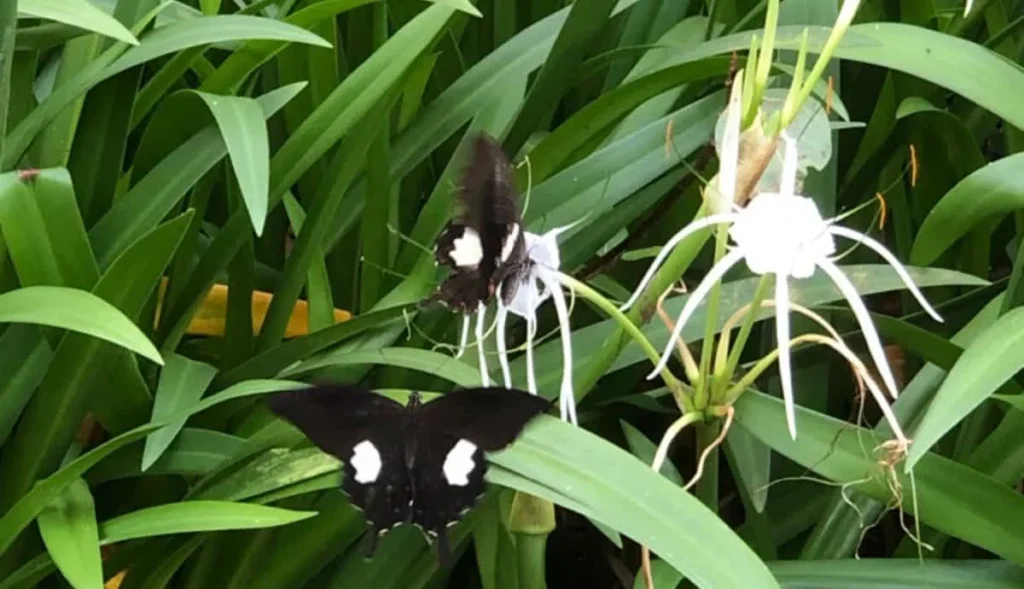
What is the purpose of a garden without its residents? The sight of butterflies and the melody of birds makes a garden pleasurable. By using chemical-free, organic fertilizers, pesticides or any other plant care materials, every small space can do its bit in protecting biodiversity. At the same time, using such natural products enhances soil health, longevity of plants and reduces its carbon footprint.
3) Pocket-Friendly:
Can we create a garden which is aesthetic and low on maintenance at the same time? Yes, of course. Replacing exotic plants with native / indigenous and hardy varieties can not only increase your garden’s lifespan but also reduce maintenance costs to a considerable extent. Native plants are well-adapted for our local climate. This means, they’re more resistant to pests – hence, reducing the use of pesticides. They contribute more towards soil nutrition – hence, reducing the use of fertilizers. They’re hardy in nature – hence, they tend to survive better in harsher weather conditions – hence, reducing the replantation efforts.
To sum up, the choices that we make in our gardens make them sustainable. Choices that put self-sustenance at the centre of garden design. Choices that create a balance between contemporary aesthetics and traditional wisdom.
If any of the above scenarios read familiar to you, then it’s time to transform your society garden into a sustainable garden. As pretentious as it may sound, it is just about going back to our roots.Be it the colours from flowers, the vibrancy from birds and butterflies, the joy of growing your own organic food or a cooler sense of surroundings, a garden has much more to offer than one can think. From improving our physical, mental, spiritual, emotional, to even social health, it can enhance our quality of life. Not just for us, but everyone around us.
Categories
blog Sustainable Gardening Basics

3 reasons why you don’t need a lawn

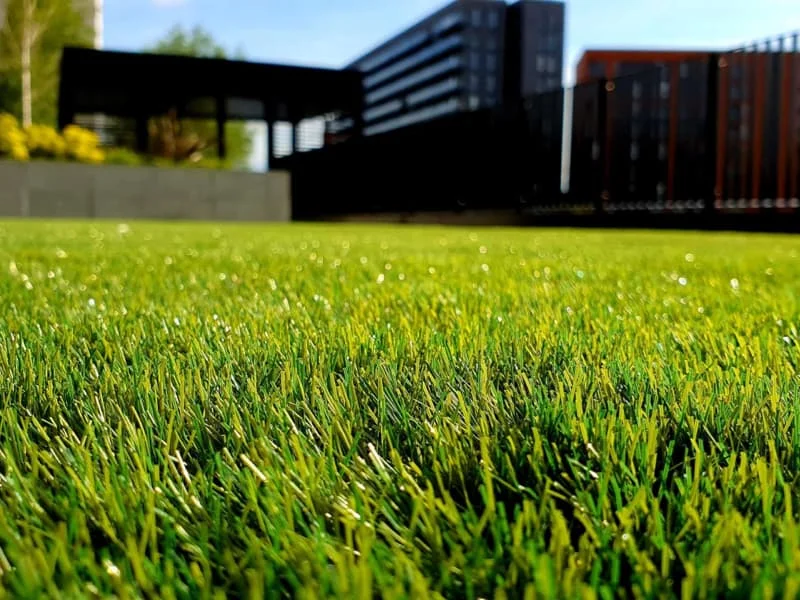
A lush green, perfectly manicured lawn is something we all plan to have one day. But what if we told you that you could have something better along with it and that too, with minimal maintenance?

Yes, this is possible. Using sustainable gardening techniques, you can transform your lawn into any lively space you can imagine. From growing your food in small patches or creating a colourful and fragrant flower garden, your lawn can be an oasis of life.

Starting a lawn garden may seem difficult. A little bit of planning and investment in laying the right foundation can make it self-sustainable in the long-run.

Here are the 3 things you could start in your lawn:

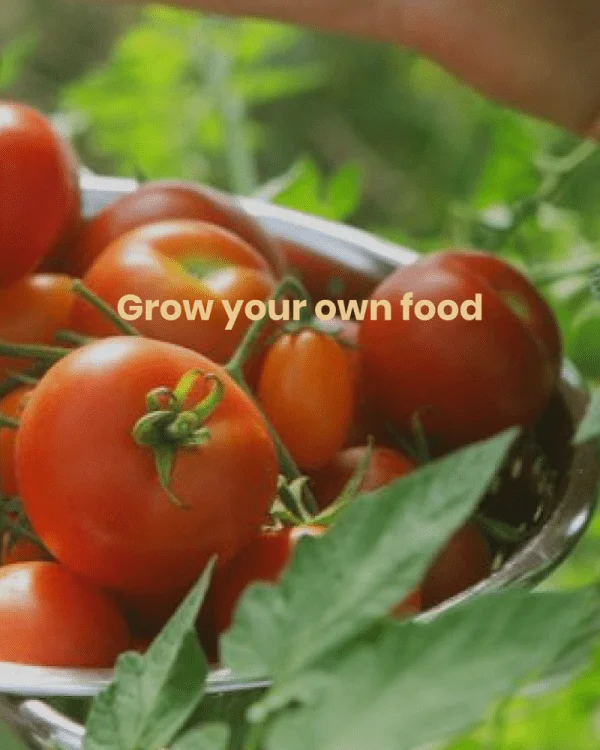
Start a small vegetable or herb garden with the help of contemporary raised beds.

Create a colourful border with different flowering plants that are rich in aroma and beauty.

Use your lawn as a green hangout space for the friends of you and nature.