
Categories
blog Native Plants of India Sustainable Gardening Basics

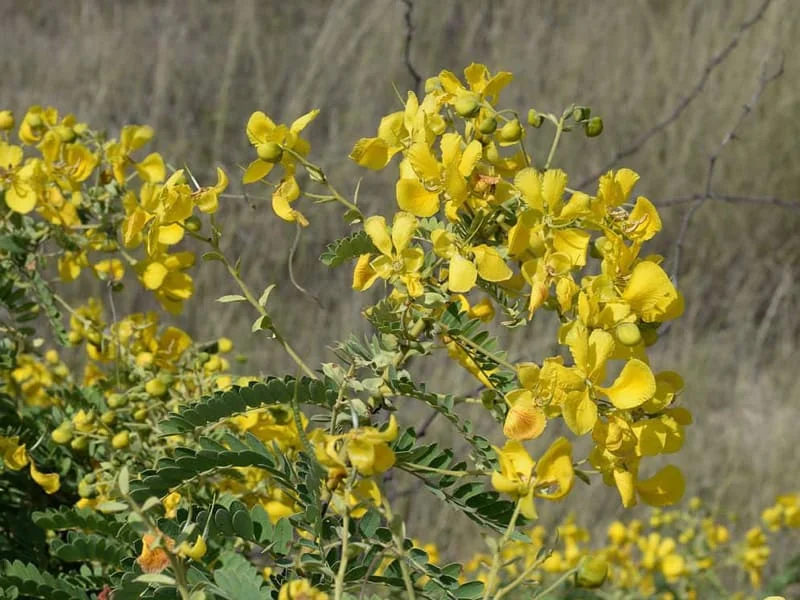
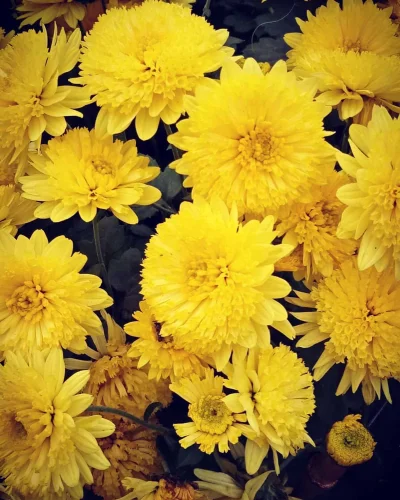
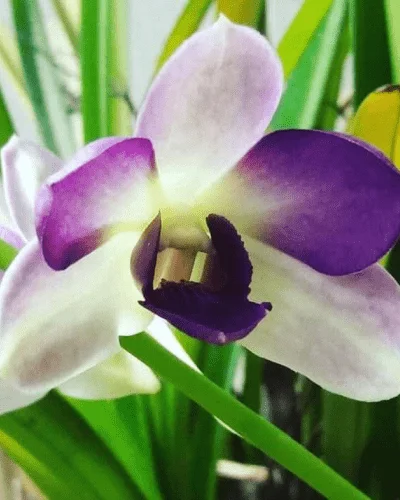
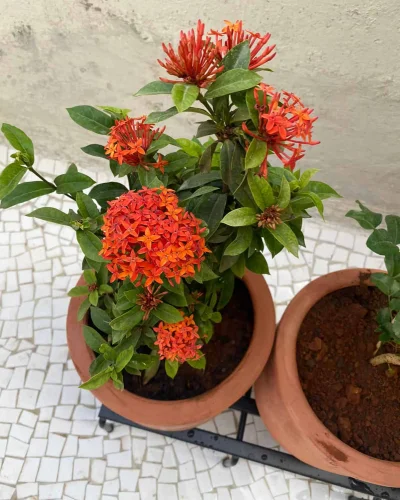
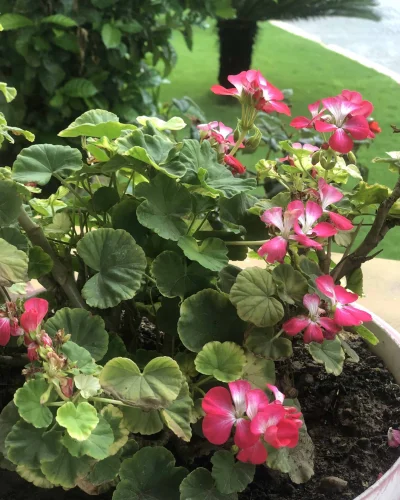
5 native flowers to bring home this winter

Winters in Mumbai may not be as harsh as the northern cities. However, they could be the same for plants. The cold weather brings its own set of challenges for plants. With pest attacks such as the powdery mildew, mealy bugs, white flies, etc, plants are more prone to diseases and decay in winters than any other season.

Hence, while adding plants to your garden, choose a mix of both evergreen and seasonal flowers. This way you can keep your garden colourful and lively at all times.

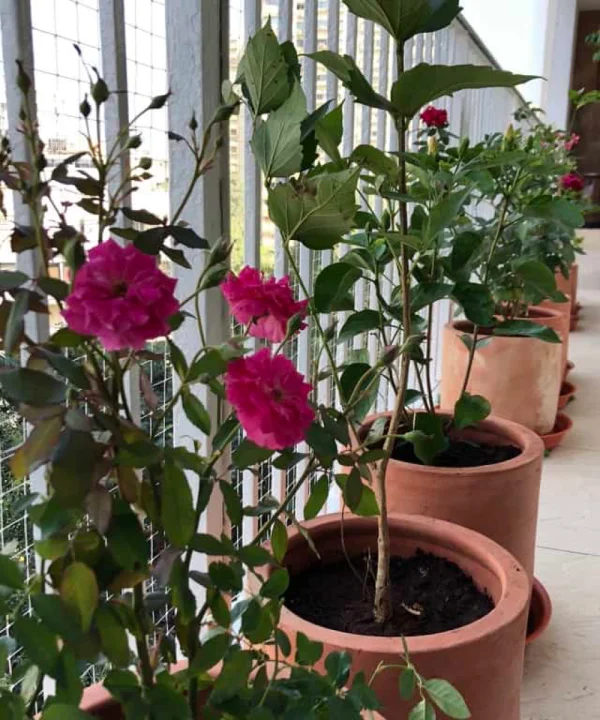
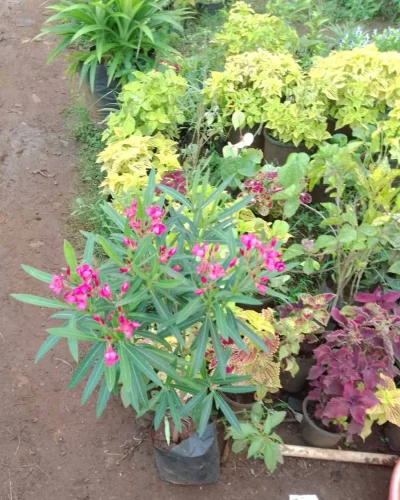
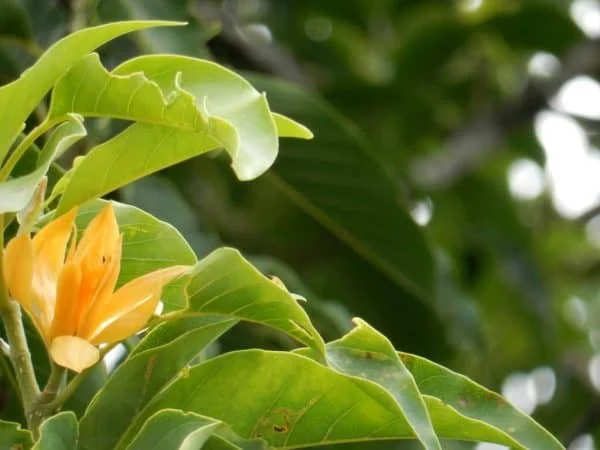
When it comes to perennial flowering plants, you can opt for Orchids, Kaner, Ixora, Roses. On the other hand, winter blooming flowers such as Sevanti or Chrysanthemums, Kalanchoe, Begonia, Hydrangeas can add vigour to your garden.

These native flowers are not just hardy in nature but beautiful in blooms and foliage. So go on and bring them home now!
Categories
blog Sustainable Gardening Basics

FAQs: What is the fuss about exotic plants?

If an exotic or non-native plant is introduced in a new country / region, it may thrive equally well like the locals. However, it comes at a cost. Both for you and our environment.

Exotic plants affect the ecological functions in several ways.

Outnumber natives

To survive, exotic plants multiply at a much faster rate than native plants. In the long run, such exotic plants become invasive and push the native plants into extinction.

Degrade soil quality

In the race of survival, exotics end up consuming more nutrients present in the soil. Slowly and gradually, this process deprives native plants of basic nutrition to grow.

Reduce foliage area

Leaf canopy or structure of such plants is usually thin, fragile. Exotic trees such as pine don't let other plants to grow besides them, thus, reducing the green foliage area.

Induce pest attacks

One of the common problems with exotic plantation is frequent pest attacks. Native plants have the immunity to fight known and unknown pests as compared to exotics.

Bring new diseases

Plants from different countries may carry along certain organisms and viruses. Such scenarios can give birth to new diseases among plants on a foreign soil.

A simple observation related to the movement and settlement of birds can give us an idea of this impact.

For instance, birds use their intelligence to recognize exotic trees and avoid building their nests on them in the absence of an alternative. (non-native or exotic trees are weaker in the rooting system as compared to the native trees and are more prone to falling).

On the other hand, invasion, predation of birds is higher when they settle down on exotic trees v/s native, displacing species and eventually leading to their extinction.

Exotic plants are not bad by themselves. They are just plants after all, but happen to be in a different place, unknown environment, and more often bring along a host of issues. The human endeavor to introduce and multiply exotic plants in non-native conditions creates a negative impact on the local ecology.
Categories
blog Client Project Sustainable Gardening Basics

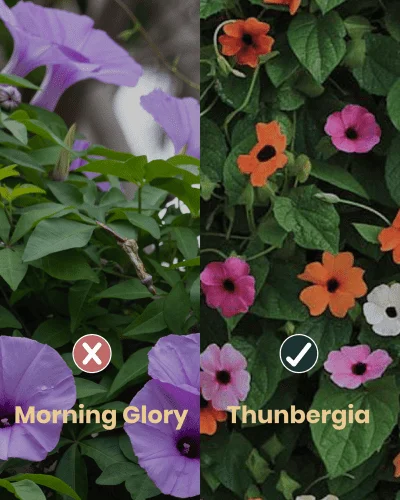
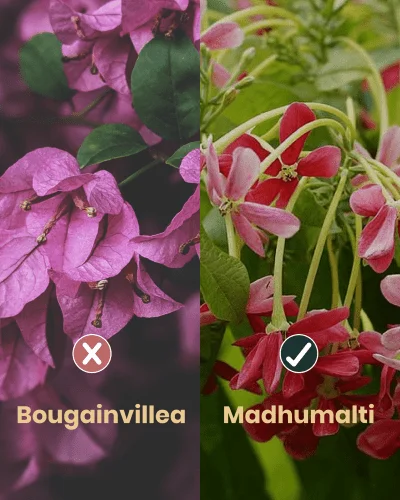
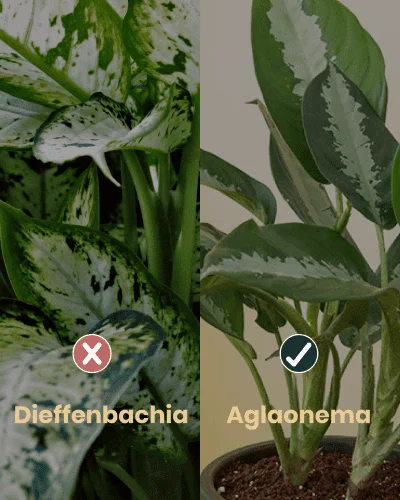
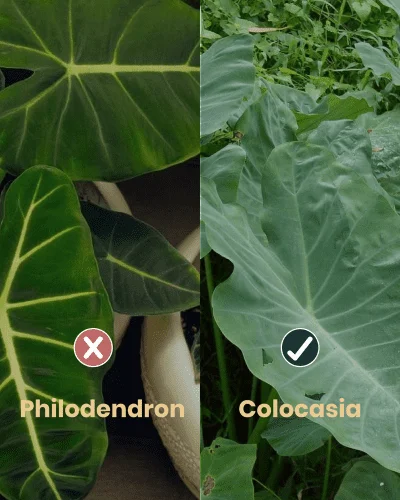
5 native alternatives to popular houseplants

In our earlier post, we talked about the top five exotic houseplants. But what do we use in their place?


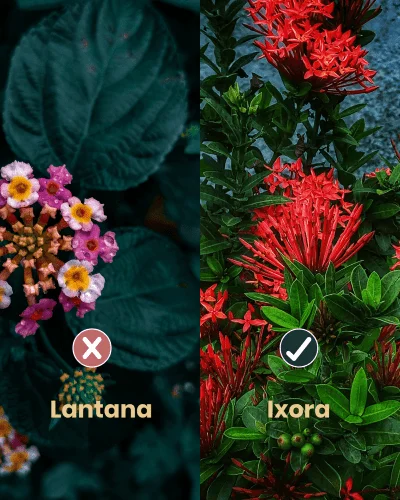
Here’s a list of native or indigenous plant that can serve as alternatives to exotic plants in your garden. Such plants are not just similar in terms of size, shape, colours, formation but are pro local environment.

Start by adopting these hardy, low-maintenance indoor plants that can serve as great alternatives to exotic plants.

While creating a new garden or adding plants to your existing one, choose plants wisely. Building a home garden with native varieties has several benefits – for you and our environment.
Categories
blog Sustainable Gardening Basics

Microblog Series: 3 similarities between humans and plants

Plants and human beings are no different. We share a similar response and survival mechanism. Few of these aspects include:

A little bit of fresh air is something we all need. Like us, plants can also suffocate in closed, non-ventilated spaces. Such conditions slowly stagnate the growth, eventually leading to pre-mature death of the plant. Placing plants near open windows or spaces which have some air circulation can help them grow.

Social distancing doesn’t protect us alone from germs, it also protects plants. A little bit of space between each plant can help in preventing pests travel from one plant to the other. Space also allows plants to flourish and avoid the feeling of claustrophobia.

A regular dose of nutritious meals can really boost our metabolism and immunity. Similar to us, plants also need a regular intake of minerals, vitamins, proteins to reach their full potential. Natural, organic ways of providing nutrition can go a long way in maintaining plant health.

Categories
blog Sustainable Gardening Basics

Microblog Series: 3 things that make your plant happy

Plants may not be demanding your attention most times. However, like us, they also need suitable environment to flourish and grow in life. A little insight in their likes and dislikes can help you cultivate a happy and healthy garden.

Here’s a list of three basic and simple routines that are beloved to your indoor and outdoor plants:

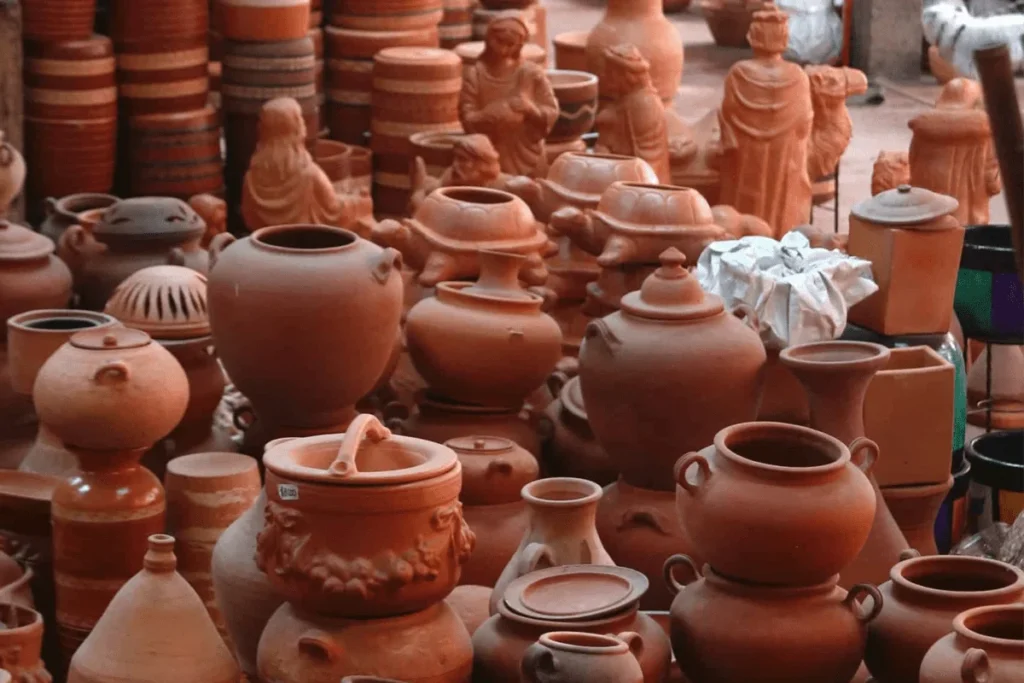
Planters that are made out of natural clay are both plant and environment-friendly. Such material is breathable as it allows oxygen’s inflow and outflow.

Additionally, terracotta let’s the water dry out as compared to other materials hence minimising the chances of root rot in plants. In short, plants love and thrive in terracotta v/s other materials.

Watering is the most important aspect for potted plants. How we water them makes a huge difference in their growth stimulation.

Showers make them nostalgic of rains – something that they eagerly await for every year. Watering cans with shower-heads work best for plants as they spread the water evenly in the soil.

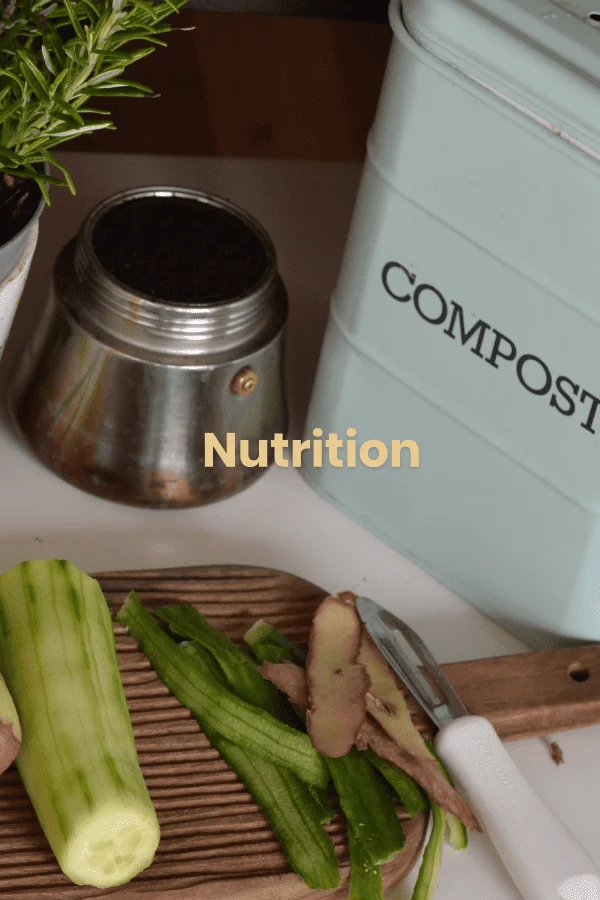
Nutrition in plants mainly comes from soil. While good organic soil is good enough to provide essential nutrients to plants, they do need top-up dozes too.

Fertilizers derived from desi-cow breeds such as cow dung cakes, jeevamrut are beloved to plants, more than even vermi-compost and other forms of bio fertilisers.

Categories
blog Sustainable Gardening Basics

How sustainable gardening can help reduce negative impact on our environment

Nature has not only decided the birthplace of every plant but also its family and friends who can depend on it. Even the external surroundings and habitat which will provide ensure its growth and development has been well planned for them.

Native plants require lesser time and resources as they have spent centuries learning and adapting to the local environment and growing conditions. They also tend to be healthier and stronger thus, reducing the risk of withering or premature dying, falling, pest attacks, frequent maintenance among other aspects. More importantly, most native plants in India have immense medicinal and healing qualities that benefit the gardeners, in turn.

However, sustainable gardening isn’t about native plants alone.

However, sustainable gardening isn’t about native plants alone.It combines knowledge of resource optimization and conservation with natural gardening practices. Native plants are just a part of it. Sustainable gardening encompasses these five elements:
1. Soil
Healthy soils produce healthy plants. Healthy soil is full of organisms that turn organic matter and minerals into vital plant nutrients. When the soil is healthy, the need to apply fertilizers to boost plant growth is minimized.
2. Water

Drinking water is a precious resource that, in many parts of the country, is in short supply.

Optimizing the water application techniques such as designing water-thrifty gardens can help reduce burden on our water resources.

3. Material
To be truly earth-friendly, it makes sense to think sustainably beyond plant selections — about the other parts of a garden, such as planters, raised beds, pathways, fences, and outdoor furniture.
4. Biodiversity
Wilderness is disappearing at an alarming rate. Supporting a natural ecosystem is something that home gardeners can do to combat loss of plant and animal species.
5. Plants

Native plants are adapted to the local climate and soil conditions where they naturally occur.

In addition to supporting pollinators and other wildlife, native plants are inherently sustainable as they require less watering and fertilization than most non-natives.

They also have significant medicinal importance & are being used in traditional therapeutic systems like Ayurveda for thousands of years in India.
Besides the above, a sustainable garden maintains the natural look of landscape with the systematic growth of plants. It also spreads the message of nature conservation by protecting local flora of the region.
Categories
blog Sustainable Gardening Basics

Introduction to sustainable gardening

The definition of being eco-friendly in some way starts with plants.

Technically speaking, planting a tree contributes to greenery around us. One would imagine that the greener spaces we create, the better our world feels. More oxygen, improved air quality, cooler atmosphere, mental well-being among several other positives. When we grow a plant, we feel that we have taken the first step towards building a sustainable world.

But what if, someone told you that planting any tree isn’t enough? What if, gardening in the modern world is doing more damage than good to your green vision?

As it turns out, sowing a seed or growing a sapling isn’t enough to create a truly green, sustainable world. The complete knowledge of gardening and study of our natural world determines how well we are inching towards our green goals.

To create such a garden, one must remember these 3 principles where it should:

1. Support local biodiversity and the natural ecosystem

2. Self-sustains itself without constant human intervention

3. Creates minimal negative impact on the local habitat

In short, you must know what you are growing, where are you growing it, how are you growing it and what impact it is generating in this process.

Simply put, a sustainable garden works with nature, not against it. Such a space encourages co-existence among other habitants of our planet in form of other species of plants, birds, butterflies, bees, etc.

While creating or sustaining an indoor or outdoor garden, one must consider the above principles. From the choice of plants or seeds to the kind of materials, one uses in the garden, determines the sustainability factor in it.

In our Introduction to Sustainable Gardening series, we will talk about the three principles in detail. Watch out this space.
Next in this series: How home gardening can support local biodiversity and ecosystems
Categories
blog Peepal uncategorized

Why I chose Peepal as the brand name?

One of the most difficult tasks in creating a brand is choosing the right brand name. In addition to being different, it also needs to reflect a brand’s philosophy in a simple and relatable way. A real tough challenge to crack.

Like many others, there were in-numerous brainstorming sessions to arrive at a logical conclusion. And one fine morning, I woke up to the name literally.

But before that, what is the brand and the business, one would ask.

As it turns out, sowing a seed or growing a sapling isn’t enough to create a truly green, sustainable world. The complete knowledge of gardening and study of our natural world determines how well we are inching towards our green goals.

In simple terms, my brand aims to make a difference in the lives of people, plants and the planet we live. Not that simple, right? Let me break it down for you.

Good health is often described as a state of complete physical, mental, and social well-being and not just merely the absence of a disease.

One of the most underrated enablers in achieving this state are — plants. Several global studies show that gardening promotes physical health through activity, mental health through self-care, and spiritual health through discovery. To that effect and coupled with the Covid-19 lockdown, gardening took the centre-stage in our lives, globally.

While this may seem all known and good, there is bad news too.

Thanks to the internet, we can now buy these living things online — just like any other (non-living) thing. Thanks to technology, we can mass produce them in almost any climatic condition — making them exotic and aspirational. And thanks to cheap transportation, we can introduce them in any part of the world — making them invasive in the local ecosystem.

Plants, the genesis of a sustainable world, are creating a negative impact on our environment, if planted without knowledge and wisdom.

Consumerism and commercialization in the gardening, horticulture industry has given rise to the most unsustainable practices today, be it opting for exotic (non-native) plants or non-eco-friendly gardening materials (plastic, concrete, fiber).

Peepal was born out of this observation.

Since the roots of these challenges lie in our past, we turned to the ancient wisdom and combined it with the present knowledge.

Peepal is not a tree — ficus religiosa but a combination of many things that universe has packed into one. And our brand aims to embody the many qualities that it has to offer:
  • The spiritual connection: a sacred, native, indigenous plant of India representing enlightenment
  • The health connection: a healer with medicinal properties that cures several diseases
  • The social connection: a common place for ‘people’ to celebrate and convene
  • The emotional and mental connection: a symbol of perseverance and adaptability
  • The sustainability connection: a key player in maintaining the ecological balance
Above all, it is humble unlike its sibling — ficus benghalensis also known as a strangler tree which is famous for building its foundation on someone else’s.