
Categories
blog Sustainable Gardening Basics

Balancing the green in the grey

March has just begun. Summers usually don’t make their official onset in India yet. Though, here we are today. Instead of the much-awaited spring blooms, we are looking at weather reports. Temperatures soaring to 40 degrees in early March is an unusual phenomenon and alarming for Mumbaikars.

This situation can be easily attributed to a man-made disaster that is swiftly turning into a health and well-being catastrophe – the Urban Heat Island (UHI) effect. It is rapidly painting our city grey driven by the quest for faster travel, larger homes, bigger accolades and higher aspirations.

Yes, we need all this to some extent, but what about the collateral damage it is bringing along? 13 heatwaves, 2 extreme heatwaves in 30 years, and an average of 8 days annually exceeding threshold temperatures, and of course, the deteriorating air quality. It is imperative that we address this dreadful issue at an individual level now than ever.

The question arises that how could such a huge challenge be addressed at an individual level. The answer lies in first, accepting this problem and second, in adopting simple practices that offsets the grey with green. Making our living and working spaces green isn’t just an aesthetic or aspirational want anymore. It is a necessity for our own survival, health and well-being.

In this effort it is imperative to preserve what we have and to create new spaces by either rethinking the old or building new ones altogether. However, what matters the most are the choices we make in this process. A simple aspect of choosing the right species of trees and plants to provide shade with their canopies, cool and purify air with their large leaf structures, provide shelter to biodiversity and some sensory experiences to people can go a long way for generations to come.

A few things can be done at a individual level to create your own microclimate to beat this heat slowly and eventually:

1) Immediate spaces such as balconies, decks, terraces, offices, etc.

While it may seem difficult, starting a personal garden is quite easy if done using the good fundamentals. From choosing native, hardy plant species suited for indirect or direct light to low-maintenance planting materials can add a touch of green in your day-to-day living.

General notions and misconceptions such as plants attract mosquitoes, post set-up high maintenance, low survival rates indoors, heavy initial costs, etc have long being deterrents towards this effort. However, with sustainable gardening practices, all these issues can be smoothly addressed to give you access to a greener and safer environment at your disposal.

2) Secondary spaces such as building gardens, rooftops, schools, etc.

The most underrated and unused spaces around us can be put to some good use. While most new residential and commercial developments have dedicated garden spaces, the older ones have a sizeable spaces that remain underutilised.

Residential or commercial buildings have tremendous potential of creating large green spaces that can act as a carbon sink, not just for them but for the entire neighbourhood. From vertical gardens alongside the boundary walls or retrofitting old gardens with native trees and plants to creating green rooftops or corridors, there are several opportunities for buildings to create their own microcosm of green.

Being a user of such facilities, all you need to do is urge the members to create such green facilities unanimously. It would not only benefit senior citizens, children but everyone and anyone to reap benefits of your own micro-climate.

3) All others such as farmlands, villas, second homes, resorts, etc.

When it comes to landscape, aesthetics often overshadows scientific logic. To create both an aesthetic and sustainable green space, it is imperative to adopt sustainable landscaping practices. After all, just planting trees or plants doesn’t guarantee green cover. It is the choice of planting as well as technique that matters the most.

For instance, to create a beautiful driveway one often uses Ashoka trees or Palms for visual aesthetics. However, in extremely hot locations such as Karjat, Alibaug where second homes or large developments are coming up, such trees fail miserably. They can neither create canopy and thus, provide almost no shade as compared to fast growing, shade providing and high dust accumulating trees such as Kadamb, Karanj, Saptaparni, Siris, etc.

People who are acquainted with Race Course Mahalaxmi or the Hanging Garden Road, would recollect the tree cover that almost gives a feeling of a green tunnel each time one drives through it. Such magnificent trees not just meet the aesthetics need but also provide a critical ecosystem for everyone’s survival. It is also possible to replicate such an effect on a smaller level with smart choices of plants.

It is time to make a choice between aesthetics over the survival. Both can be fulfilled if there is willingness to try something new (which is adopting older ways in a refreshed form) in this maximum city to a greener for us and our next generations.

Categories
blog Sustainable Gardening Basics

The Times of India: Can a balcony garden actually reduce indoor heat? Here’s what science says

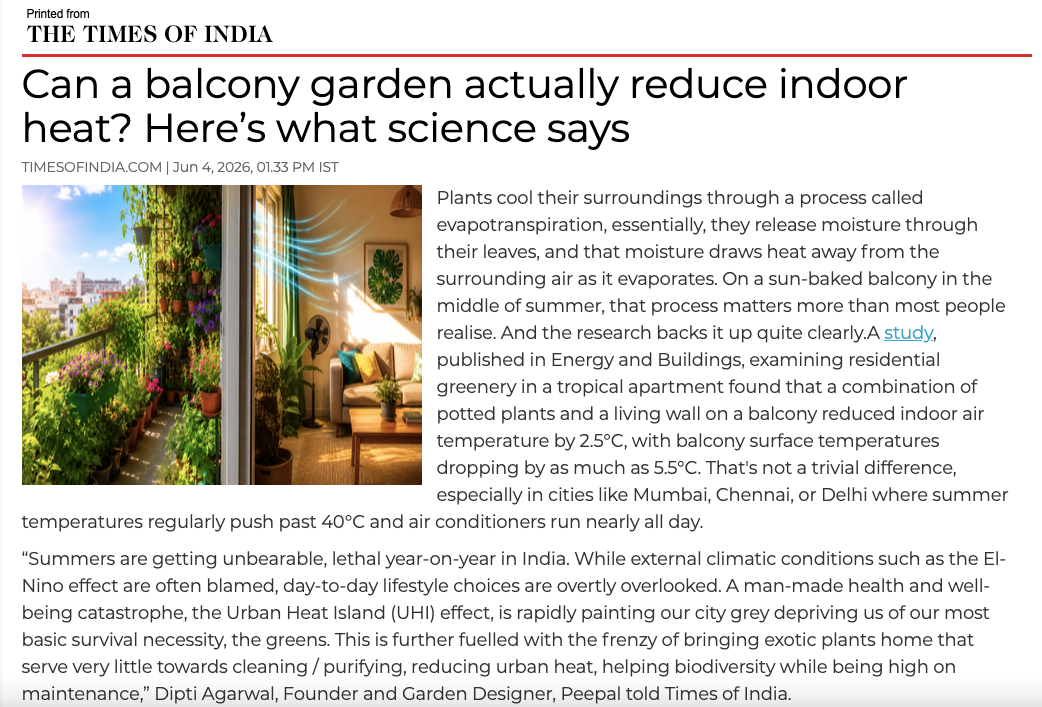
Plants cool their surroundings through a process called evapotranspiration, essentially, they release moisture through their leaves, and that moisture draws heat away from the surrounding air as it evaporates. On a sun-baked balcony in the middle of summer, that process matters more than most people realise. And the research backs it up quite clearly.

study, published in Energy and Buildings, examining residential greenery in a tropical apartment found that a combination of potted plants and a living wall on a balcony reduced indoor air temperature by 2.5°C, with balcony surface temperatures dropping by as much as 5.5°C. That’s not a trivial difference, especially in cities like Mumbai, Chennai, or Delhi where summer temperatures regularly push past 40°C and air conditioners run nearly all day.

“Summers are getting unbearable, lethal year-on-year in India. While external climatic conditions such as the El-Nino effect are often blamed, day-to-day lifestyle choices are overtly overlooked. A man-made health and well-being catastrophe, the Urban Heat Island (UHI) effect, is rapidly painting our city grey depriving us of our most basic survival necessity, the greens. This is further fuelled with the frenzy of bringing exotic plants home that serve very little towards cleaning / purifying, reducing urban heat, helping biodiversity while being high on maintenance,” Dipti Agarwal, Founder and Garden Designer, Peepal told Times of India.

Tackling this issue at a city’s infrastructure level is a gargantuan task but, one can address this issue with smart and sustainable greening efforts at their disposal, home gardens, she adds.

For Indian homes specifically, the evidence is encouraging. A study in Greater Noida found that terrace gardens can reduce ceiling temperature by 2°C to 3°C in winter and 5°C to 7°C in summer.

Agarwal says native and hardy species create a quick, thick green cover of leaves and provide a cooling effect. “Popular exotic plant choices such as Bougainvilleas are often opted in home gardens. However, one must distinguish plants that are heat-resistance with plants that can reduce heat in the environment. Bougainvilleas, while being globally-loved, often fail to maintain a thick, green look with their small and scanty leaves, thus being counter-productive for reducing urban heat,” she suggests.

The expert shares few guidelines on this:
 
  • Choosing the right species of plants that provide shade with their canopies, cool and purify air with their large leaf structures or create a natural green curtain can go a long way in reducing urban heat.
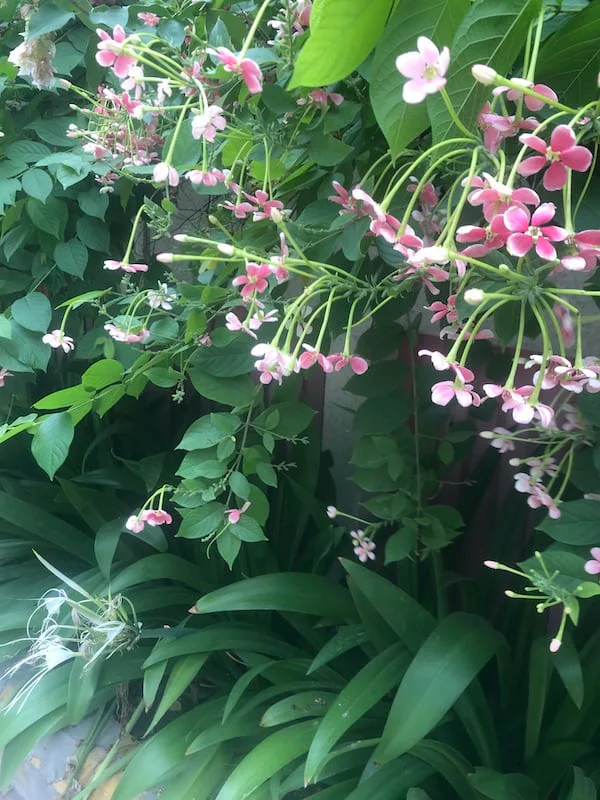
  • Simple garden design elements such as a trellis for balconies or terraces can help create a natural green wall or a vertical garden coupled with fast-growing climbing plants such as Thunbergia Grandiflora, Madhumalti (Combretum indicum), Aparjita (Clitoria ternatea), Chameli (Jasminum officinale), etc.
  • Another effective technique is layered plantation that uses different plant height combinations in descending order. Much like forests, this cascading effect helps in creating overlapping canopies and filtering sunlight before it reaches the bottom. For example, one could pair a tall palm or Champa plant with medium flowering shrubs like Ixoras or Jasmines to create a layer of visual and heat relief.
 

What practical advice would you give homeowners or apartment residents who want to create a balcony garden specifically to combat indoor heat during summer?

“Opting for native plants that have broad leaf structure, deep root systems, dark green foliage colour, can help cool the environment through evapotranspiration process. Releasing moisture, increasing air flow, blocking sun rays, thus reducing internal temperature are just a few of the several benefits of creating a well-planned balcony garden,” she suggests. “The wider leafy surface area you can add to your garden space, the better cooling effect you eventually create. At an individual home level, this cooling effect can be gradually felt with the right plant mix and low-maintenance gardening materials to maintain the garden’s health and look.”

Few examples:

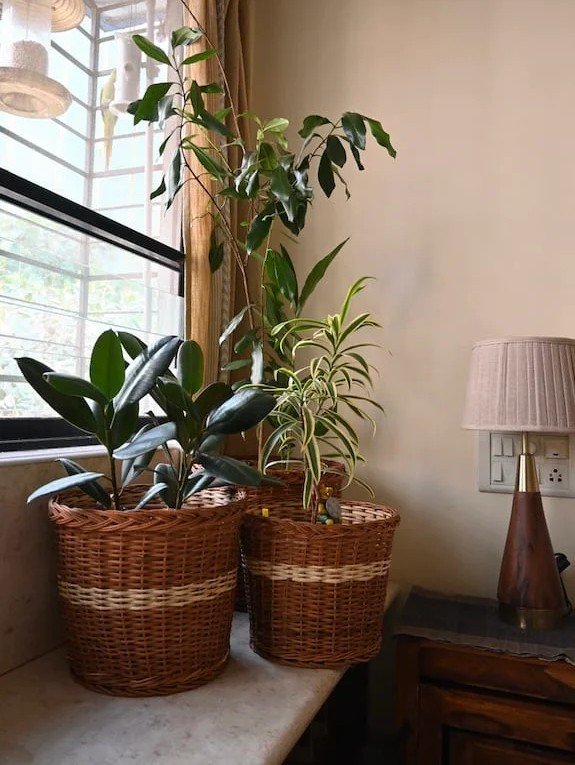
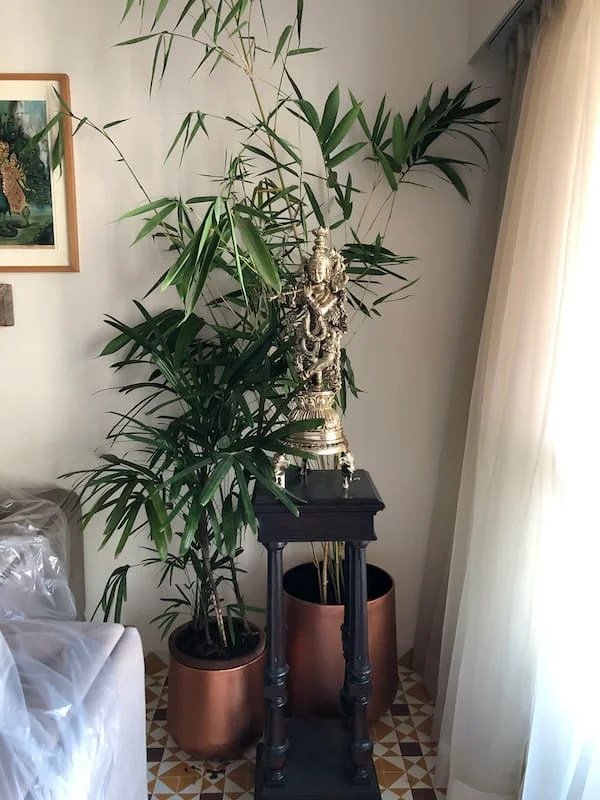
For balconies, says the founder, decks or terraces that receive direct sunlight, exotic foliage plants should bereplaced with native flowering plants. Few examples of medium heighted shrubs include Ixora (Ixora coccinea),Son Champa (Magnolia champaca), Nag Champa (Plumeria Pudica), Parijat (Nyctanthes arbor-tristis), Hibiscus(Hibiscus rosa-sinensis), Kaner (Nerium Oleander) among others. Even edible plants like Lemons, Curry Leaves,which tend to have thick foliage could serve the purpose. Such plants not only help elevate your internalenvironment but also support biodiversity. On the other hand, for spaces which receive partial direct sunlight(indirect bright light), one can opt for palms (although most of them are non-native) for Areca Palm (Dypsislutescens), Rhapis Palm (Rhapis excelsa), and Ficus varieties.

So yes, a balcony garden can genuinely reduce indoor heat. It won’t replace an air conditioner on a 45°C afternoon. But it will take the edge off, cut your cooling load, and make your home more liveable through summer. Plants that you grow anyway, doing something useful all day long. 

Categories
blog Sustainable Gardening Basics

Did you know? Black soil is not always the best

It is not necessary that blacker the soil, the better it is for your plants. There are several types of soil found across the world.
From colour to density, each kind of soil differs depending on a region’s typography and weather conditions.
Hence, while starting an indoor or outdoor garden, one must consider theIn India itself, every state has different kind of soil, rich in minerals in their own way. From black to red, from alluvial to marsh, soil conditions vary from region to region depending on the respective climate and environment.se three aspects:

1. Rich in minerals and organic matter

Each region in India has a different typography, geographical conditions and mineral compositions. Using local soil gives access to these rich deposits of minerals and organic materials.

2. Well-suited to support native plants

Local soil is equipped to handle the local plants. It complements the strengths of these plants and gives essential support in building immunity towards pests, other threats.

3. Avoids degradation of environment

Lesser transportation, lesser use of fertilizer, lesser burden on plants, there are several advantages of using native soil in gardens. They thus help in reducing the environmental impact.

Next time you want to change the soil of your plants or create a new garden, choose the locally originated ones. Here are the top benefits of using native soil in your garden v/s the commercially available garden soil.
Categories
blog Sustainable Gardening Basics

Introduction to sustainable gardening

The definition of being eco-friendly in some way starts with plants.

Technically speaking, planting a tree contributes to greenery around us. One would imagine that the greener spaces we create, the better our world feels. More oxygen, improved air quality, cooler atmosphere, mental well-being among several other positives. When we grow a plant, we feel that we have taken the first step towards building a sustainable world.

But what if, someone told you that planting any tree isn’t enough? What if, gardening in the modern world is doing more damage than good to your green vision?

As it turns out, sowing a seed or growing a sapling isn’t enough to create a truly green, sustainable world. The complete knowledge of gardening and study of our natural world determines how well we are inching towards our green goals.

To create such a garden, one must remember these 3 principles where it should:

1. Support local biodiversity and the natural ecosystem

2. Self-sustains itself without constant human intervention

3. Creates minimal negative impact on the local habitat

In short, you must know what you are growing, where are you growing it, how are you growing it and what impact it is generating in this process.

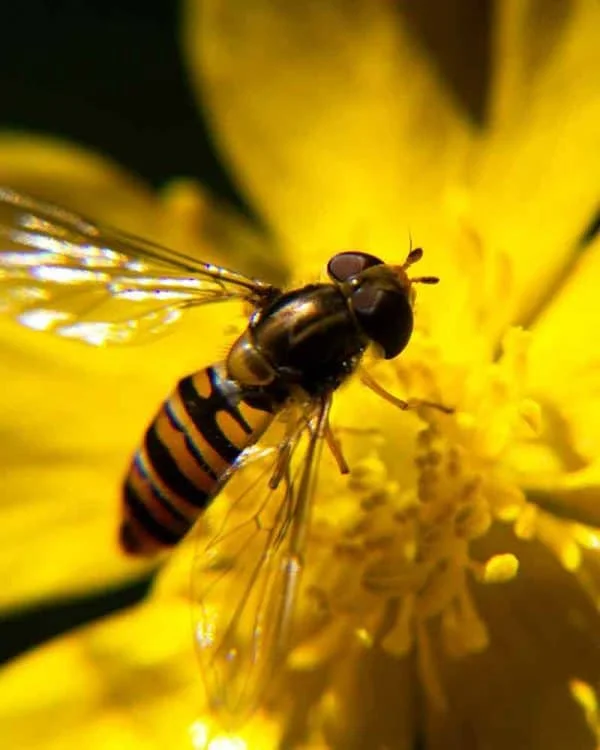
Simply put, a sustainable garden works with nature, not against it. Such a space encourages co-existence among other habitants of our planet in form of other species of plants, birds, butterflies, bees, etc.

While creating or sustaining an indoor or outdoor garden, one must consider the above principles. From the choice of plants or seeds to the kind of materials, one uses in the garden, determines the sustainability factor in it.

In our Introduction to Sustainable Gardening series, we will talk about the three principles in detail. Watch out this space.
Next in this series: How home gardening can support local biodiversity and ecosystems