

Categories
blog Sustainable Gardening Basics

Microblog Series: 3 daily routines for you and your plants

There are several similarities between us and plants. Our basic necessities are theirs too. In order to understand what plants need, a gardener must think about his or her own daily wants, such as Hydration, Fresh Air and Health Check-ups.

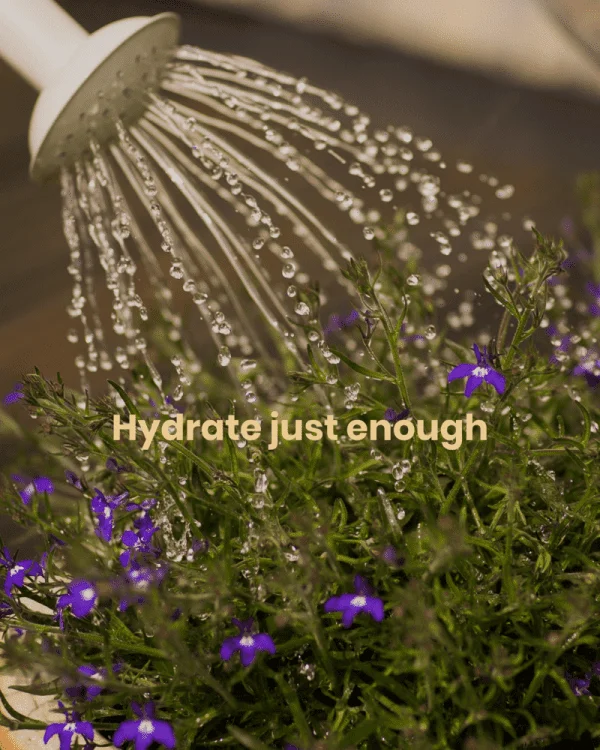
Hydration

Our water or liquids intake differ from season to season. In summer we feel more thirsty as compared to winters. Same is with plants. To understand how much water they need, look at their leaves. If they’re upright, they’re fine. If they’re drooping downwards, they’re thirsty.
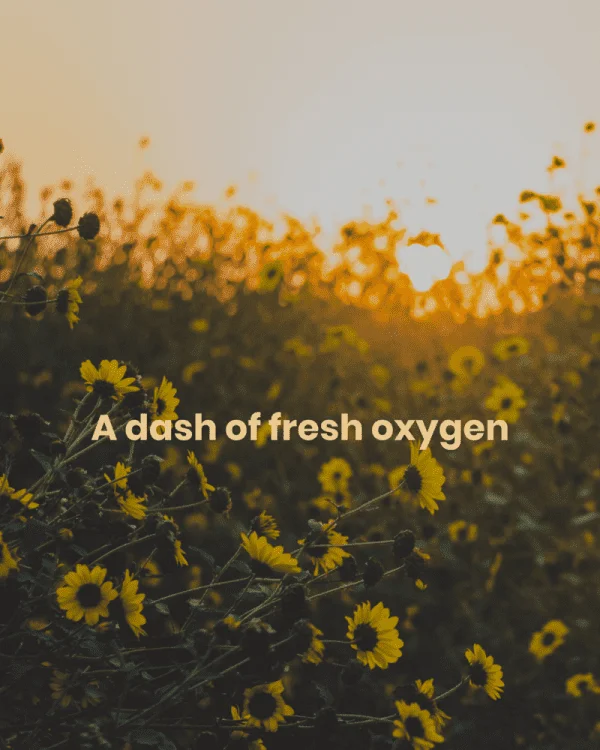
Fresh Air

We all are oxygen loving creatures. A daily dose of fresh air is all we need to keep our lungs healthy. While plants can survive in closed, non-ventilated spaces, they might not thrive. Keeping them in open air or breeze can keep pests at bay, ensuring their good health.
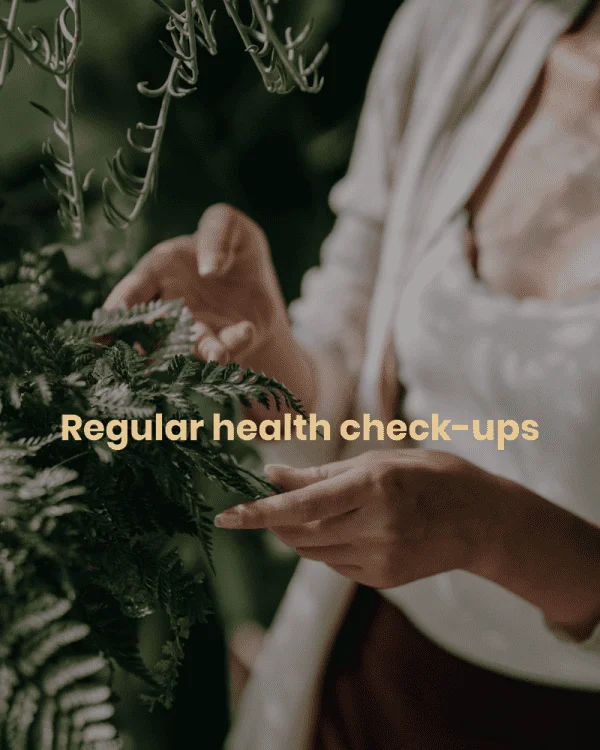
Health Check-Ups

Prevention is better than cure – applies to plants as well. Diagnosing problems at the right time can give them a new lease of life. Whether it is a pest attack or lack of nutrients in soil, such problems when detected in early stages can help the spread and long-lasting effects.
Categories
blog Sustainable Gardening Basics

FAQs: What is the fuss about exotic plants?

If an exotic or non-native plant is introduced in a new country / region, it may thrive equally well like the locals. However, it comes at a cost. Both for you and our environment.

Exotic plants affect the ecological functions in several ways.

Outnumber natives

To survive, exotic plants multiply at a much faster rate than native plants. In the long run, such exotic plants become invasive and push the native plants into extinction.

Degrade soil quality

In the race of survival, exotics end up consuming more nutrients present in the soil. Slowly and gradually, this process deprives native plants of basic nutrition to grow.

Reduce foliage area

Leaf canopy or structure of such plants is usually thin, fragile. Exotic trees such as pine don't let other plants to grow besides them, thus, reducing the green foliage area.

Induce pest attacks

One of the common problems with exotic plantation is frequent pest attacks. Native plants have the immunity to fight known and unknown pests as compared to exotics.

Bring new diseases

Plants from different countries may carry along certain organisms and viruses. Such scenarios can give birth to new diseases among plants on a foreign soil.

A simple observation related to the movement and settlement of birds can give us an idea of this impact.

For instance, birds use their intelligence to recognize exotic trees and avoid building their nests on them in the absence of an alternative. (non-native or exotic trees are weaker in the rooting system as compared to the native trees and are more prone to falling).

On the other hand, invasion, predation of birds is higher when they settle down on exotic trees v/s native, displacing species and eventually leading to their extinction.

Exotic plants are not bad by themselves. They are just plants after all, but happen to be in a different place, unknown environment, and more often bring along a host of issues. The human endeavor to introduce and multiply exotic plants in non-native conditions creates a negative impact on the local ecology.