

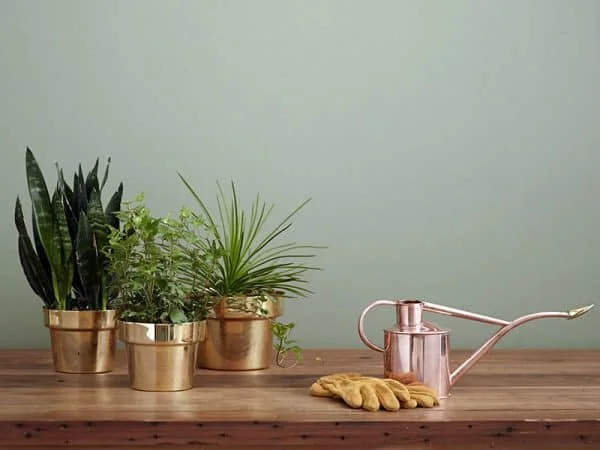


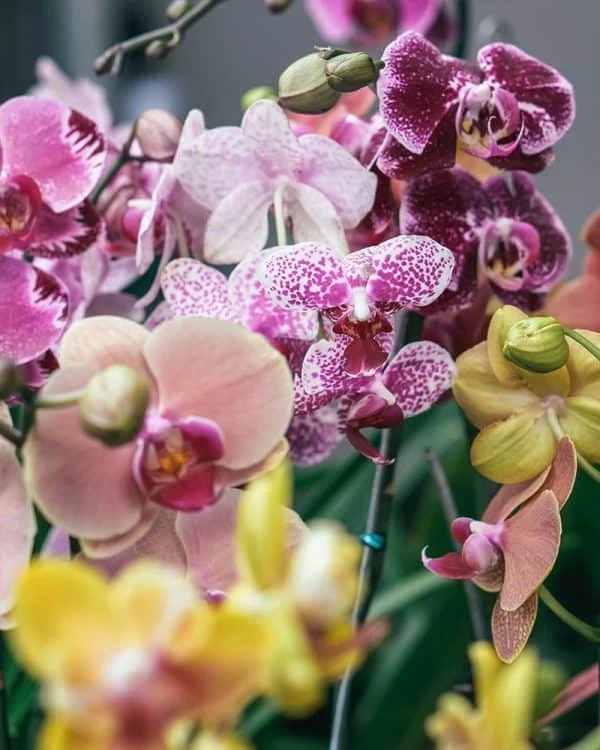
1. Plants that are native or indigenous to the place of your stay.
Plants that are native or indigenous to the place of your stay. Such plants are well-equipped to handle the climatic, soil, water conditions and hence, put lesser strain on the environment.
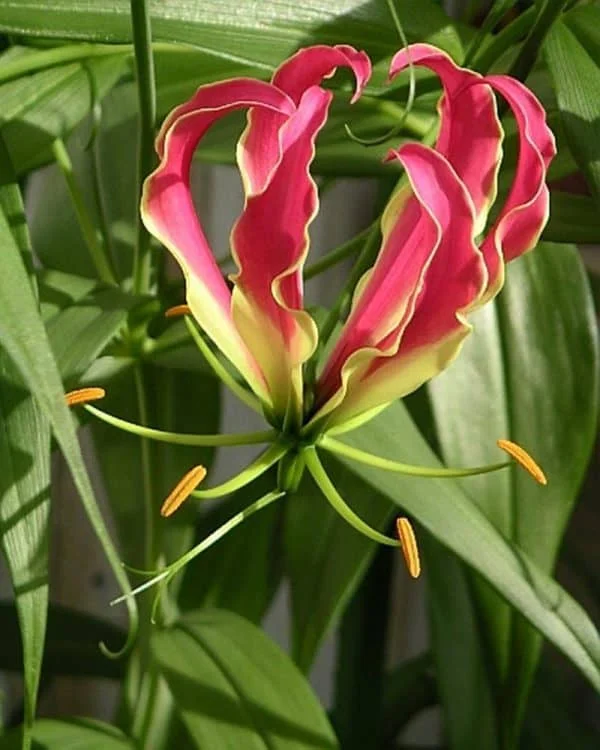
2. Plants that attract pollinators such as birds, bees, butterflies
Plants that attract pollinators such as birds, bees, butterflies. You can share nature’s bounty with them as they help in pollinating seeds from where we get our own food.
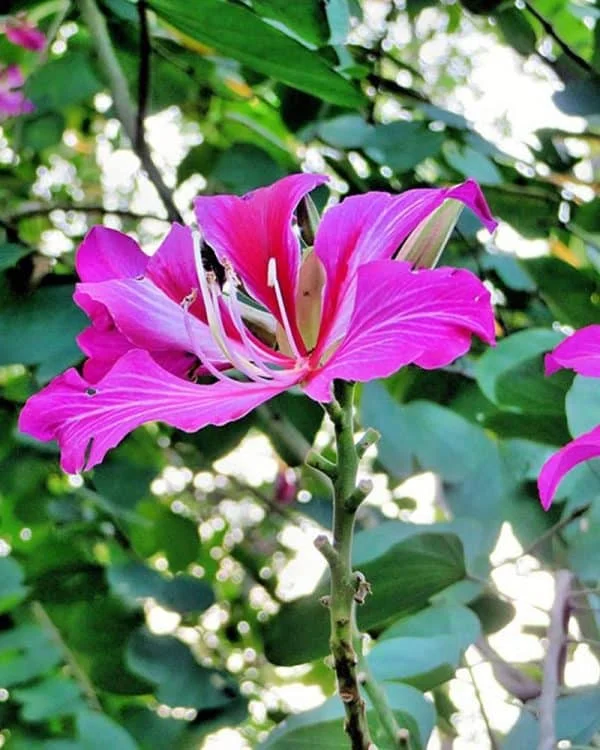
3. Plants that optimise therapeutic benefits
Plants that optimize therapeutic benefits from gardening for you and others. From flowers that spread their sweet fragrance in your spaces to providing nectar to butterflies, choose native flowers.
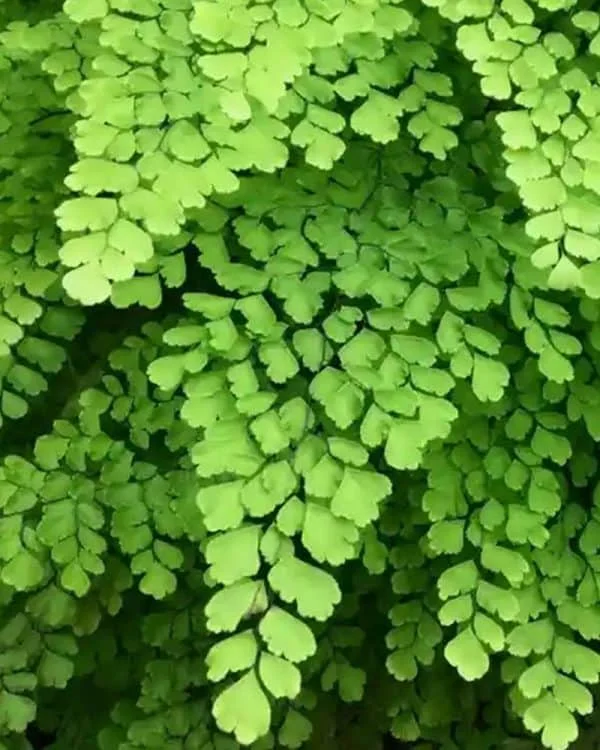
4. Plants that can distinguish beneficial insects from garden pests
Plants that can distinguish beneficial insects from garden pests and protect other plants from being infected. Just like us, plants also have their own in-built, self-defence system.
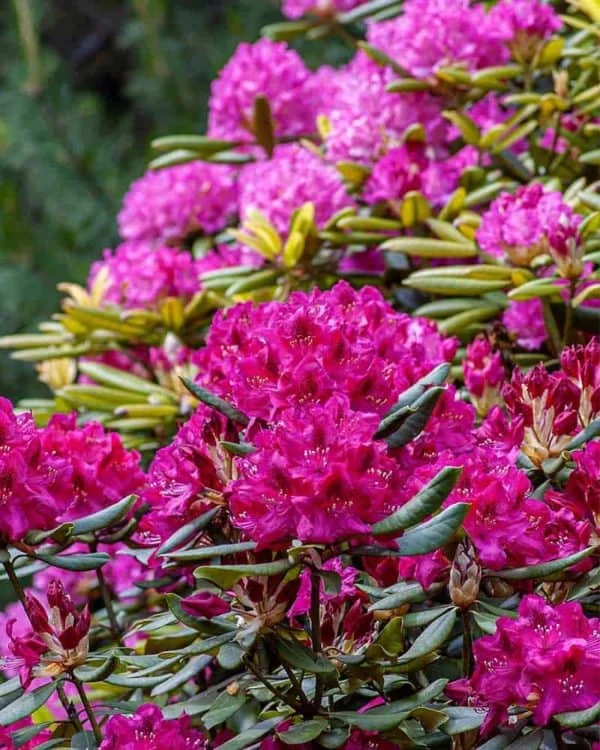
5. Plants that supplement growth of other fellow plant
Plants that supplement growth of other fellow plants and not outrace, strangle them to make them extinct. Community sharing is one common quality between us.