
Categories
blog Native Plants of India

3 native plants to style corners

Want to create an Instagramable living room? Try integrating a few tall, statement plants in the corners of your homes.

Plants can brighten up any space, if placed in the right setting. Be it bonsais that make an extraordinary addition to one’s house or simple palms, plants have the potential of making any corner lively.

While doing so, choose low-maintenance and hardy plants so that they can survive in indirect light.

Here are a few native plants that can help you achieve a stylish and sustainable corner.

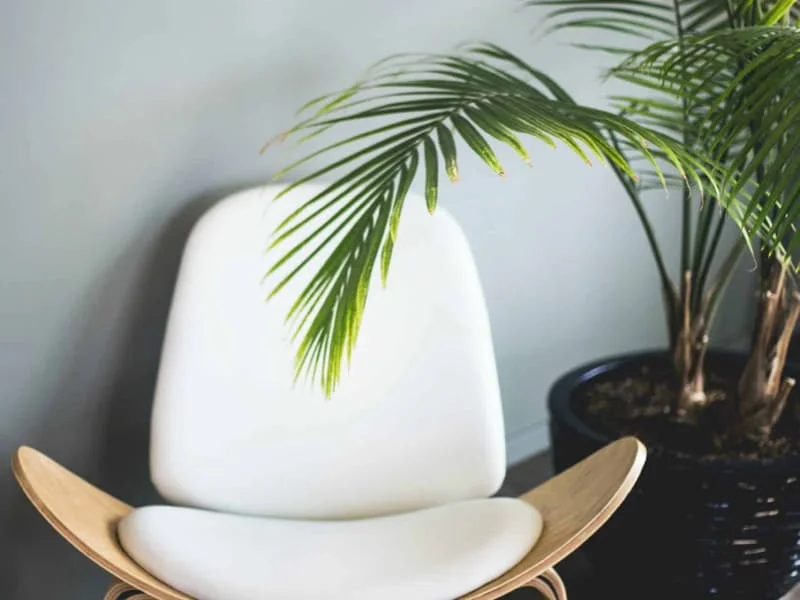
Palms

There’s a lot of variety in palms that you could choose from. However, the ultimate favourite of all time remains Areca Palm, Raphis Palm, etc.
Ficus

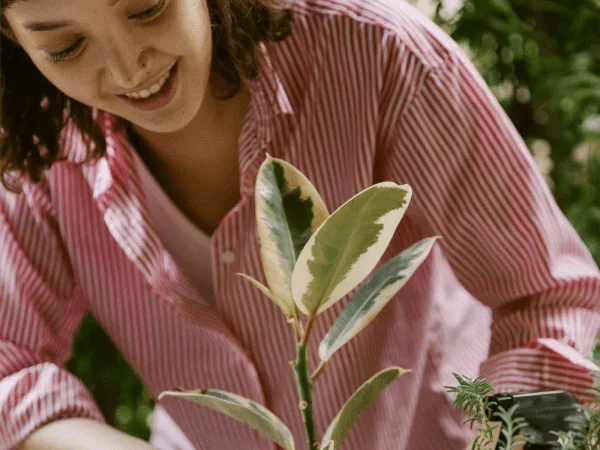
Comes in different sizes, shapes, colours. Weeping Fig, one of the most popular houseplants, is making a serious comeback in our homes.
Schefflera

It is one of the most under-rated plants. It can really brighten up your corners with its interesting umbrella shaped leaf pattern and strong stem structure.
Categories
blog Sustainable Gardening Basics

Microblog Series: 3 daily routines for you and your plants

There are several similarities between us and plants. Our basic necessities are theirs too. In order to understand what plants need, a gardener must think about his or her own daily wants, such as Hydration, Fresh Air and Health Check-ups.

Hydration

Our water or liquids intake differ from season to season. In summer we feel more thirsty as compared to winters. Same is with plants. To understand how much water they need, look at their leaves. If they’re upright, they’re fine. If they’re drooping downwards, they’re thirsty.

Fresh Air

We all are oxygen loving creatures. A daily dose of fresh air is all we need to keep our lungs healthy. While plants can survive in closed, non-ventilated spaces, they might not thrive. Keeping them in open air or breeze can keep pests at bay, ensuring their good health.

Health Check-Ups

Prevention is better than cure – applies to plants as well. Diagnosing problems at the right time can give them a new lease of life. Whether it is a pest attack or lack of nutrients in soil, such problems when detected in early stages can help the spread and long-lasting effects.

Categories
blog Sustainable Gardening Basics

FAQs: What is the fuss about exotic plants?

If an exotic or non-native plant is introduced in a new country / region, it may thrive equally well like the locals. However, it comes at a cost. Both for you and our environment.

Exotic plants affect the ecological functions in several ways.

Outnumber natives

To survive, exotic plants multiply at a much faster rate than native plants. In the long run, such exotic plants become invasive and push the native plants into extinction.

Degrade soil quality

In the race of survival, exotics end up consuming more nutrients present in the soil. Slowly and gradually, this process deprives native plants of basic nutrition to grow.

Reduce foliage area

Leaf canopy or structure of such plants is usually thin, fragile. Exotic trees such as pine don't let other plants to grow besides them, thus, reducing the green foliage area.

Induce pest attacks

One of the common problems with exotic plantation is frequent pest attacks. Native plants have the immunity to fight known and unknown pests as compared to exotics.

Bring new diseases

Plants from different countries may carry along certain organisms and viruses. Such scenarios can give birth to new diseases among plants on a foreign soil.

A simple observation related to the movement and settlement of birds can give us an idea of this impact.

For instance, birds use their intelligence to recognize exotic trees and avoid building their nests on them in the absence of an alternative. (non-native or exotic trees are weaker in the rooting system as compared to the native trees and are more prone to falling).

On the other hand, invasion, predation of birds is higher when they settle down on exotic trees v/s native, displacing species and eventually leading to their extinction.

Exotic plants are not bad by themselves. They are just plants after all, but happen to be in a different place, unknown environment, and more often bring along a host of issues. The human endeavor to introduce and multiply exotic plants in non-native conditions creates a negative impact on the local ecology.
Categories
blog Sustainable Gardening Basics

Myths v/s facts: mosquitoes and plants

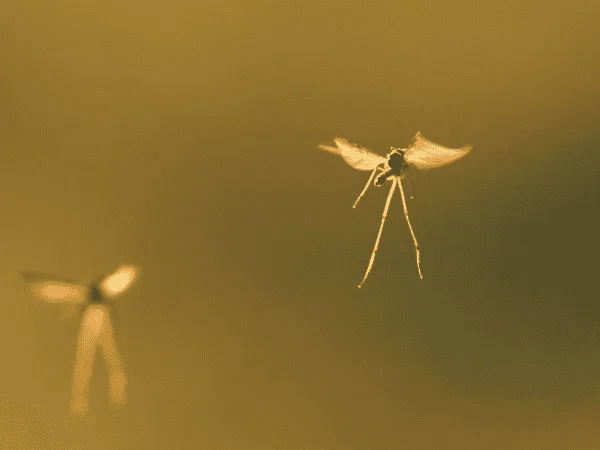
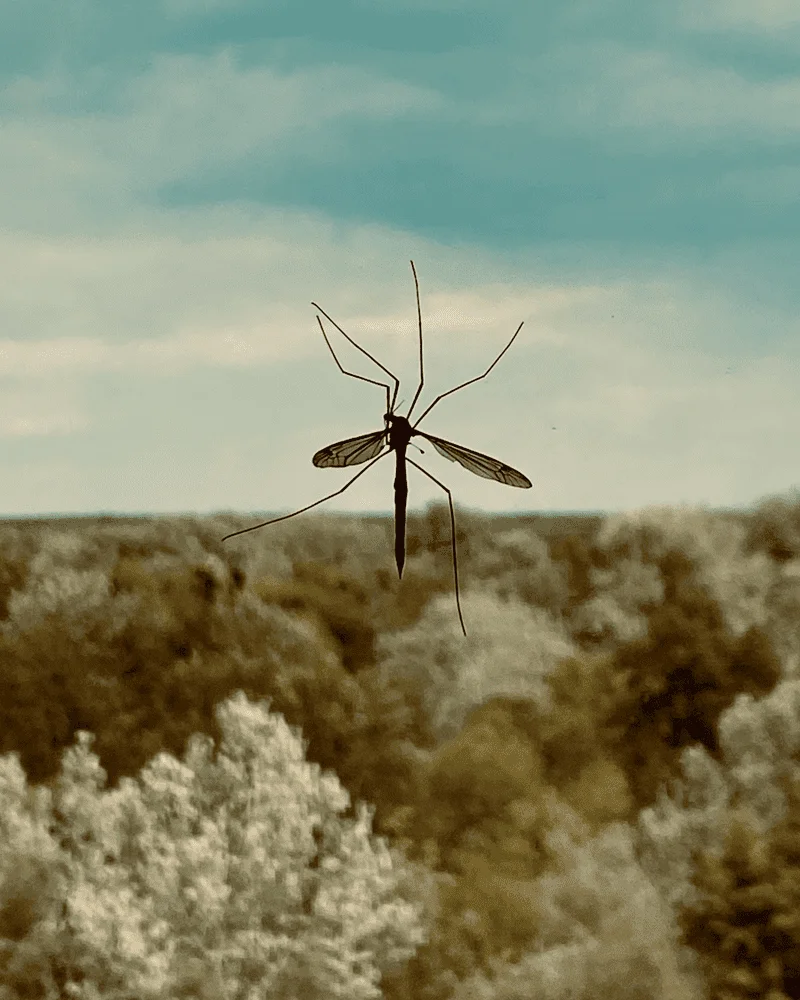
One of the most debated topics in indoor gardening is that plants are responsible for inviting mosquitoes in homes. Let’s explore the myth and fact behind this.

Myth: Plants attract mosquitoes

Potted plants especially, indoor plants attract mosquitoes. Hence, it is not advisable to keep plants at home.

Fact: Water stagnation attracts mosquitoes

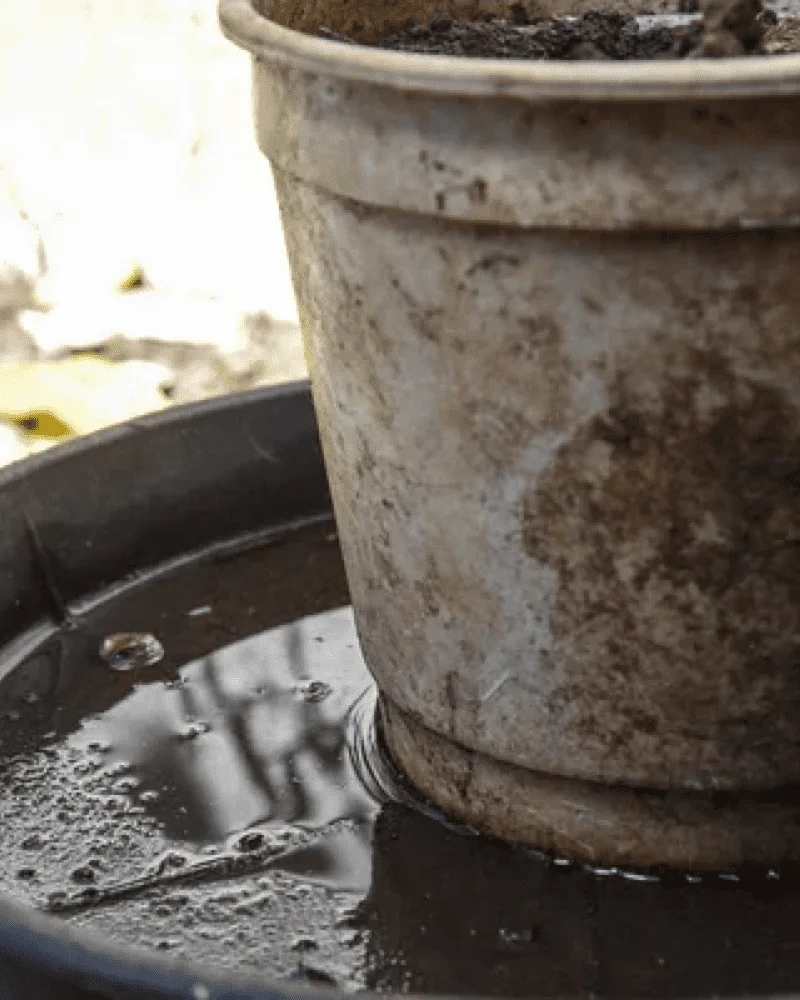
Mosquitoes get attracted to water that gets accumulated in trays or planters. Such conditions create their breeding zones.

In houseplants, mosquitoes are usually uncommon. However, they may develop if plants are kept in stagnated or standing water for a long period of time. Such conditions can avoided by maintaining a few simple cleanliness routines.

While watering plants, especially during monsoons, one must ensure to avoid overwatering the plants. Remove trays / plates if your plants are kept outdoors in direct rainfall. For indoor plants, reduce overall watering in a way that it doesn’t overflow in the tray.

If you’ve aquatic plants in urlis or artificial ponds, do not forget to add fish to have a mosquito-free zone. They will prevent any breeding activity, thus keeping the water clean at all times.

Observing hygiene in garden especially, for indoor plants can keep all sorts of insects, pests at bay – for you and your loved ones – plants included.
Categories
blog Sustainable Gardening Basics

Microblog Series: 3 things that make your plant happy

Plants may not be demanding your attention most times. However, like us, they also need suitable environment to flourish and grow in life. A little insight in their likes and dislikes can help you cultivate a happy and healthy garden.

Here’s a list of three basic and simple routines that are beloved to your indoor and outdoor plants:

Planters that are made out of natural clay are both plant and environment-friendly. Such material is breathable as it allows oxygen’s inflow and outflow.

Additionally, terracotta let’s the water dry out as compared to other materials hence minimising the chances of root rot in plants. In short, plants love and thrive in terracotta v/s other materials.

Watering is the most important aspect for potted plants. How we water them makes a huge difference in their growth stimulation.

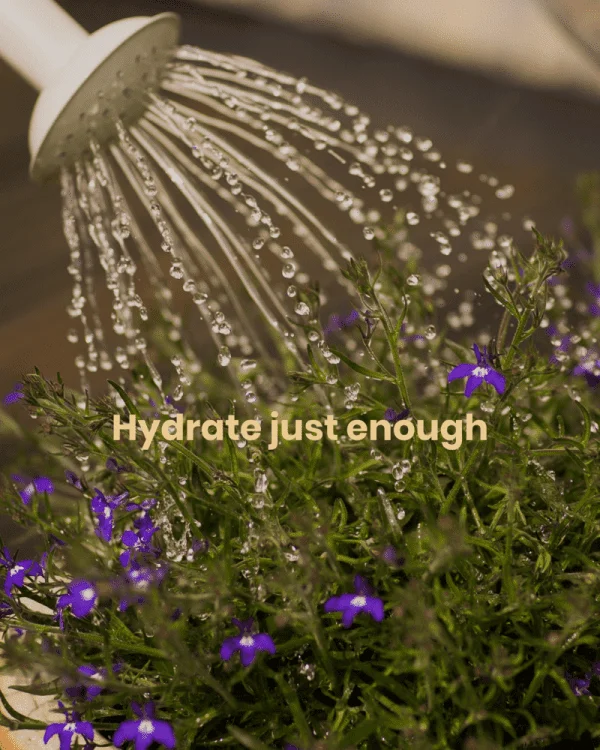
Showers make them nostalgic of rains – something that they eagerly await for every year. Watering cans with shower-heads work best for plants as they spread the water evenly in the soil.

Nutrition in plants mainly comes from soil. While good organic soil is good enough to provide essential nutrients to plants, they do need top-up dozes too.

Fertilizers derived from desi-cow breeds such as cow dung cakes, jeevamrut are beloved to plants, more than even vermi-compost and other forms of bio fertilisers.

Categories
blog Sustainable Gardening Basics

How home gardening can support local biodiversity and ecosystem

Charity begins at home and so does, change.

A small change in our gardening practices can go a long way in creating a sustainable garden. And it all starts from choosing the right kind of plants.
When it comes to create indoor or outdoor gardens, plants are often seen as objects of décor, aesthetics, and beauty.
However, they serve a much larger purpose of providing various tangible and intangible benefits to all living and non-living things on earth.

Take for instance, the pipal (ficus religiosa, the sacred fig tree).

It is a thriving ecosystem within itself with every inch, and function of the tree designed to support life.

From aiding natural reforestation through seed dispersal to giving shelter to fruit-eating birds and insects, this benevolent pipal tree has something in store for all.

Like pipal, India boasts of over 18,000 native species of plants that play an important role in supporting local biodiversity and human life in form of food, shelter, resources, medicine.

Here are a few ways in which you can support a natural ecosystem through your home garden. For both indoor and outdoor garden, choose these types of plants:

1. Plants that are native or indigenous to the place of your stay.

Plants that are native or indigenous to the place of your stay. Such plants are well-equipped to handle the climatic, soil, water conditions and hence, put lesser strain on the environment.

2. Plants that attract pollinators such as birds, bees, butterflies

Plants that attract pollinators such as birds, bees, butterflies. You can share nature’s bounty with them as they help in pollinating seeds from where we get our own food.

3. Plants that optimise therapeutic benefits

Plants that optimize therapeutic benefits from gardening for you and others. From flowers that spread their sweet fragrance in your spaces to providing nectar to butterflies, choose native flowers.

4. Plants that can distinguish beneficial insects from garden pests

Plants that can distinguish beneficial insects from garden pests and protect other plants from being infected. Just like us, plants also have their own in-built, self-defence system.

5. Plants that supplement growth of other fellow plant

Plants that supplement growth of other fellow plants and not outrace, strangle them to make them extinct. Community sharing is one common quality between us.

Such knowledge and conscious choices can go a long way for home gardeners in supporting a natural ecosystem.

Next in this series: Can a home garden sustain itself without our intervention