Categories
blog Sustainable Gardening Basics

FAQ: Where can I get sustainable gardening products?

The answer is simple and within your reach. To create a garden with sustainable materials, you don’t have to travel far.

Buying these products online will certainly give you a variety to choose from. However, longevity and sustainability – especially in the case of plants, remains highly doubtful.

For example, when you buy plants online, they travel from various locations outside the city. The time spent in transit from one location to the other in a cardboard box pushes the plant into shock. By the time it reaches your doorstop, it has already suffered the long journey and transplanting in a new environment becomes lesser conducive.

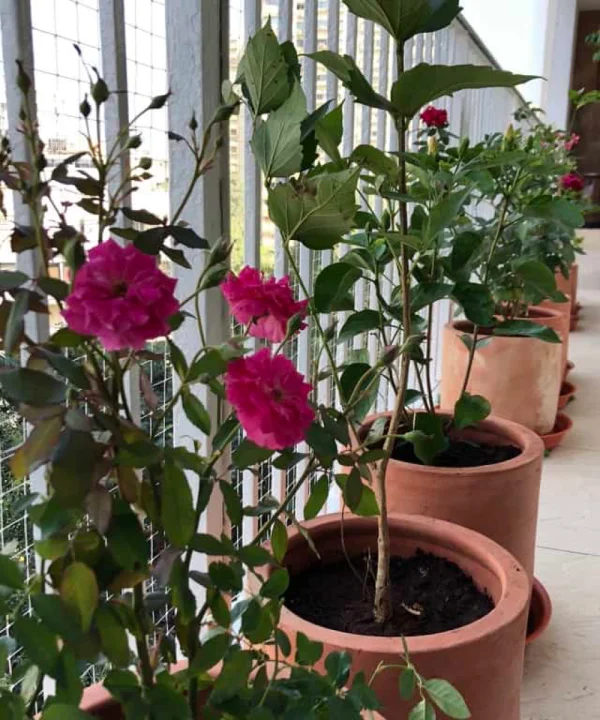
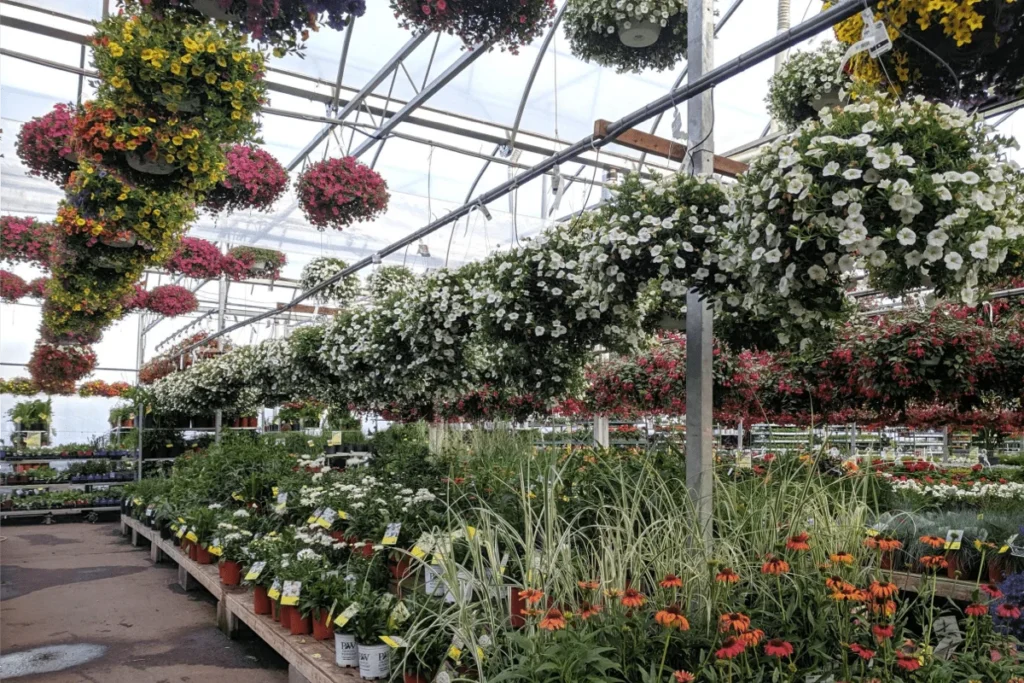
When it comes to plants, always buy from a local nursery or plant store. It not only ensure good health of the plant but also reduces cost of transportation, carbon emission etc. Plus the entire experience of visiting nursery itself is fulfilling.

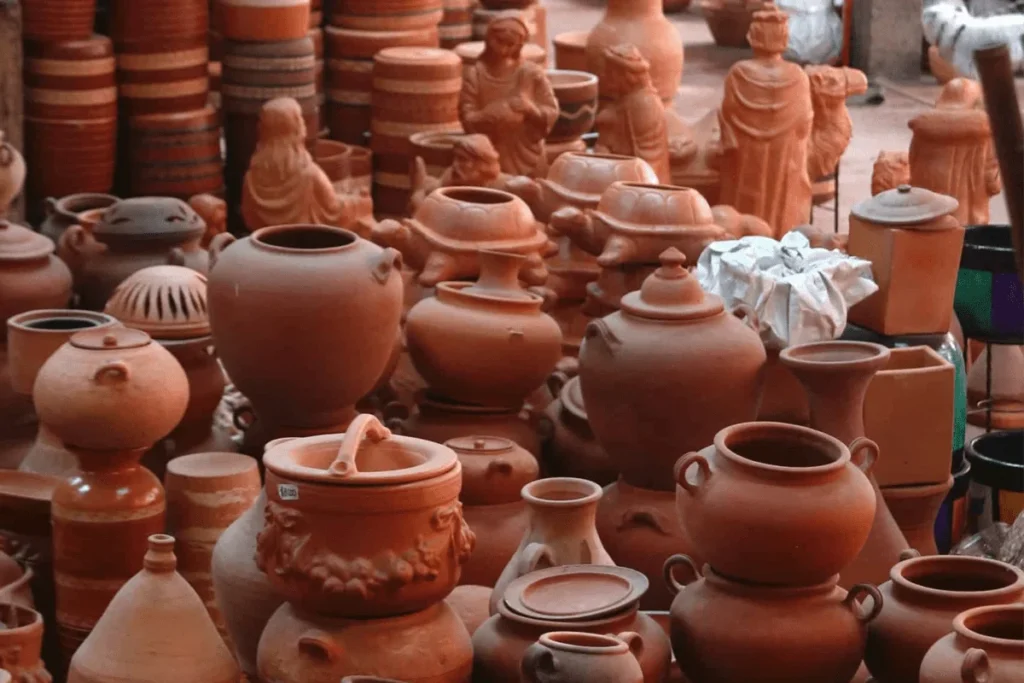
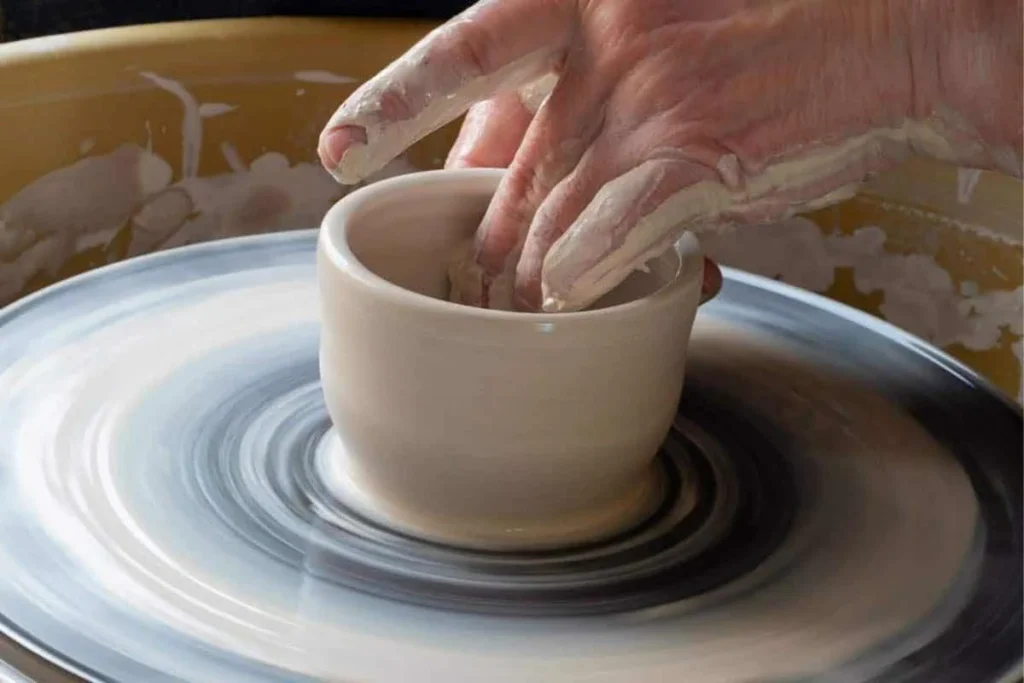
Same applies for planters. Each city in India from Mumbai, Delhi, Bangalore, Kolkata, Ahmedabad is filled with skilled pottery artisans. Visit any local pottery hub to acquire some unique terracotta planters for your garden.

To sum up, here are two interesting ways
of making your garden sustainable.

Go local

Buy terracotta planters from local pottery artists, native plants from local nurseries, and other gardening materials from local stores.

Not only it will save you the transportation and packaging hassles but you may just find artistic and real products too.

Up-cycle

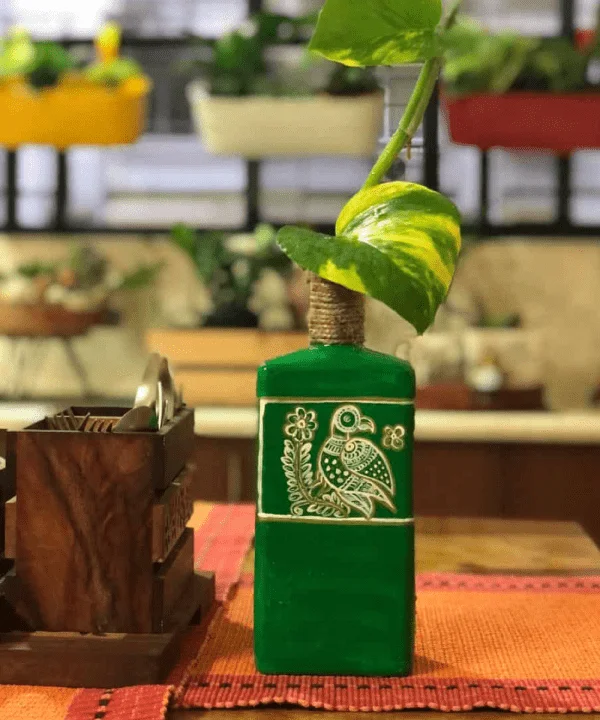
Reuse, recycle some of your junk / used products into interesting planters. Using empty plastic bottles, glass jars, tin boxes, can be made to grow plants that do well in water and lesser soil.

From money plants to kitchen herbs, such planters can help you make your own style statement.
Needless to mention, we will be happy to assist you in your quest to make your garden fully sustainable by recommending local partners who can fit the bill.
Categories
blog Sustainable Gardening Basics

How sustainable gardening can help reduce negative impact on our environment

Nature has not only decided the birthplace of every plant but also its family and friends who can depend on it. Even the external surroundings and habitat which will provide ensure its growth and development has been well planned for them.

Native plants require lesser time and resources as they have spent centuries learning and adapting to the local environment and growing conditions. They also tend to be healthier and stronger thus, reducing the risk of withering or premature dying, falling, pest attacks, frequent maintenance among other aspects. More importantly, most native plants in India have immense medicinal and healing qualities that benefit the gardeners, in turn.

However, sustainable gardening isn’t about native plants alone.

However, sustainable gardening isn’t about native plants alone.It combines knowledge of resource optimization and conservation with natural gardening practices. Native plants are just a part of it. Sustainable gardening encompasses these five elements:
1. Soil
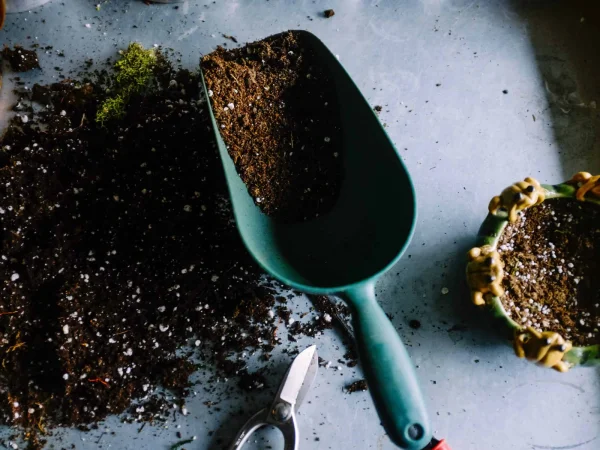
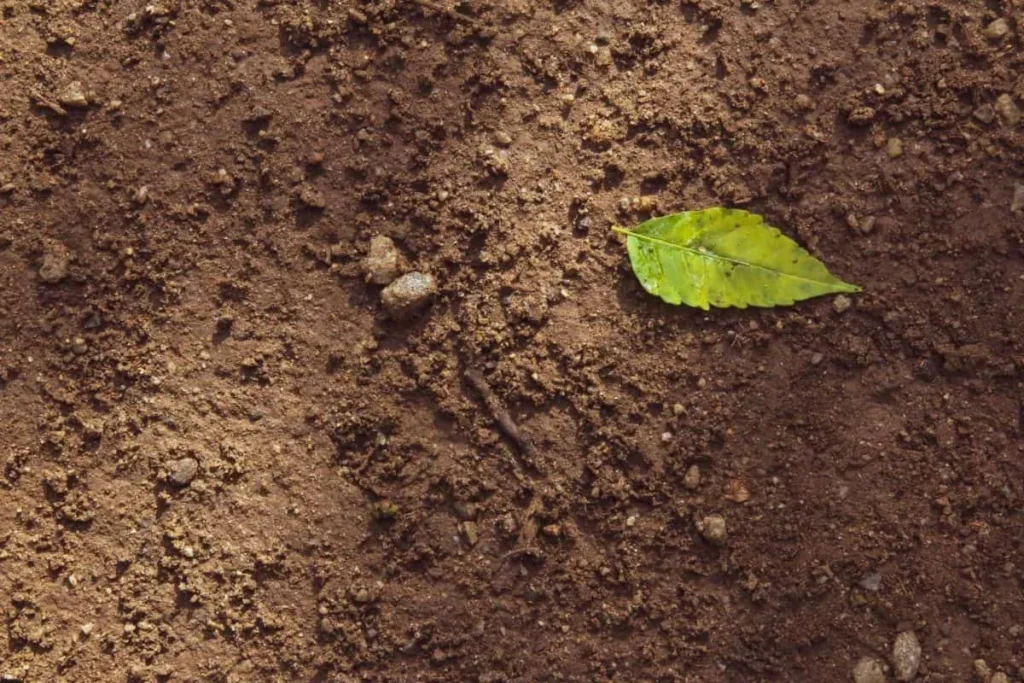
Healthy soils produce healthy plants. Healthy soil is full of organisms that turn organic matter and minerals into vital plant nutrients. When the soil is healthy, the need to apply fertilizers to boost plant growth is minimized.
2. Water

Drinking water is a precious resource that, in many parts of the country, is in short supply.

Optimizing the water application techniques such as designing water-thrifty gardens can help reduce burden on our water resources.

3. Material
To be truly earth-friendly, it makes sense to think sustainably beyond plant selections — about the other parts of a garden, such as planters, raised beds, pathways, fences, and outdoor furniture.
4. Biodiversity
Wilderness is disappearing at an alarming rate. Supporting a natural ecosystem is something that home gardeners can do to combat loss of plant and animal species.
5. Plants

Native plants are adapted to the local climate and soil conditions where they naturally occur.

In addition to supporting pollinators and other wildlife, native plants are inherently sustainable as they require less watering and fertilization than most non-natives.

They also have significant medicinal importance & are being used in traditional therapeutic systems like Ayurveda for thousands of years in India.
Besides the above, a sustainable garden maintains the natural look of landscape with the systematic growth of plants. It also spreads the message of nature conservation by protecting local flora of the region.