Categories
blog Sustainable Gardening Basics

Did you know? Black soil is not always the best

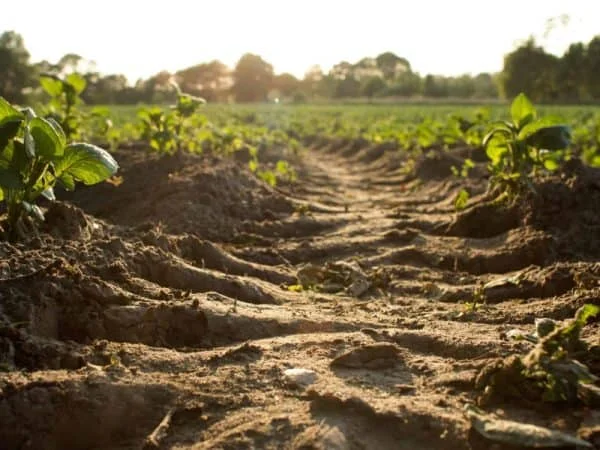
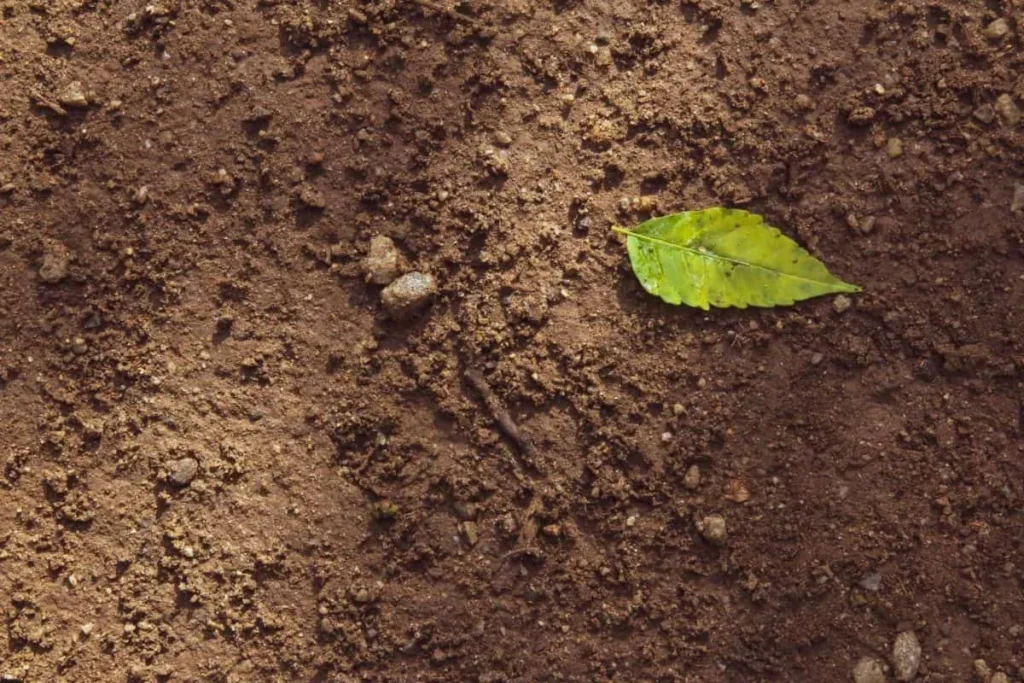
It is not necessary that blacker the soil, the better it is for your plants. There are several types of soil found across the world.
From colour to density, each kind of soil differs depending on a region’s typography and weather conditions.
Hence, while starting an indoor or outdoor garden, one must consider theIn India itself, every state has different kind of soil, rich in minerals in their own way. From black to red, from alluvial to marsh, soil conditions vary from region to region depending on the respective climate and environment.se three aspects:

1. Rich in minerals and organic matter

Each region in India has a different typography, geographical conditions and mineral compositions. Using local soil gives access to these rich deposits of minerals and organic materials.

2. Well-suited to support native plants

Local soil is equipped to handle the local plants. It complements the strengths of these plants and gives essential support in building immunity towards pests, other threats.

3. Avoids degradation of environment

Lesser transportation, lesser use of fertilizer, lesser burden on plants, there are several advantages of using native soil in gardens. They thus help in reducing the environmental impact.

Next time you want to change the soil of your plants or create a new garden, choose the locally originated ones. Here are the top benefits of using native soil in your garden v/s the commercially available garden soil.
Categories
blog Sustainable Gardening Basics

Top 5 issues related to home gardening in India

Place of birth

Who doesn’t like Monstera or Pachira? These gorgeous, top-dollar plants have left a long-lasting impression – not just on us but also on our environment.

Native to the Central and South Americas, such plants when brought to a foreign land needs a lot of help to survive. After all, change of place doesn’t impact our health alone but of plants too.

Understanding nativity or place of origin of plants can help you make conscious and cost-effective decisions for your garden.

Build your garden instead with native plants such as Champa (Plumeria), Chameli (Jasmine), Balsam (Rose Balsam) and so many other aromatic, medicinal ones.

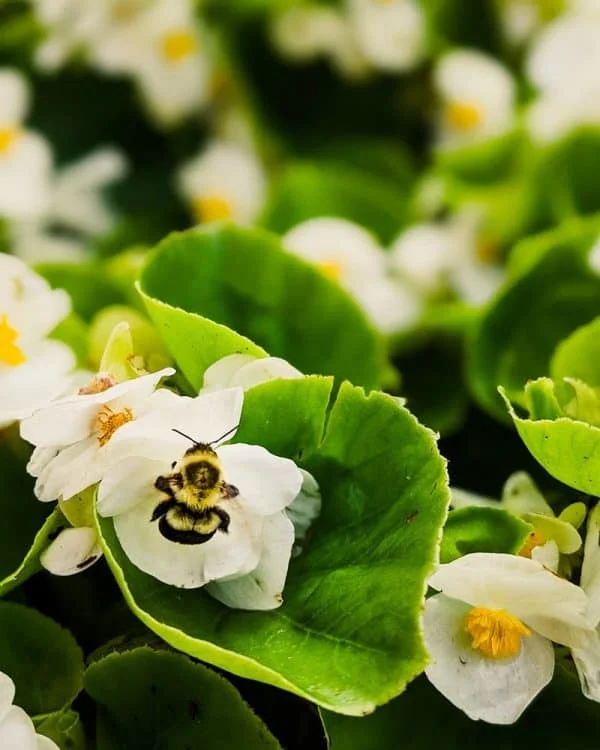
They will not only uplift your senses but also support the friends of our planet aka bees, butterflies, birds.

Special Growing Conditions

Lucky Jade and Aloe escaped the scorching heat of Africa’s desert to make their way into our tropical and humid climate.

To make such succulents survive, one has to invest in a special soil mixes, growing conditions, etc. to replicate their home environment.

Overwatering and wrong soil mix issues among succulents are the most as compared to other plants,. Such issues reduce their survival rates to negligible.

Instead, choose native succulents such as Malayan Spurge (Euphorbia antiquorum), Indian Spurge / Dog’s Tongue (Euphorbia neriifolia).

Such plants are well-versed with the local environment. It can be a good start to opt for such native, hardy succulents, if you love such plants.

Toxic Content in Plants

Talking about mindless gardening and not mentioning about Dumb Cane will be really dumb on our part.

Dieffenbachia, popularly known as dumb cane, has the potential to render someone speechless. It is one of the most toxic houseplants commonly found today. With its poisonous raphides, it can give someone infectious skin allergies to both people and pets.

Similar to dumb cane, most exotic houseplants today such as ZZ (Zamioculcas zamiifolia), Peace Lily (Spathiphyllum) etc have toxic elements which can harmful to humans and animals upon ingestion or exposure.

When you think of creating an outdoor garden, replace such plants with native varieties that have numerous health benefits.

From nettle to neem, select plants that are useful to you, not harmful for your kids, pets or anyone in the family.

Depletion of Resources

Imagine one day you wake up in a city taken over by aliens! As crazy as it sounds, growing exotic plants, especially outdoors, is just like inviting an alien invasion.

In order to survive in unfamiliar, sometimes hostile conditions, such plants reproduce in abundance to create their future generations. In the process, they not only take over the local habitats but also erode soil quality over time by sucking out groundwater, essential nutrients, etc.

Lantana, Morning Glory, Bougainvillea, Eucalyptus, Pine are a few examples of invasive species in India which have outrun several native plant varieties.

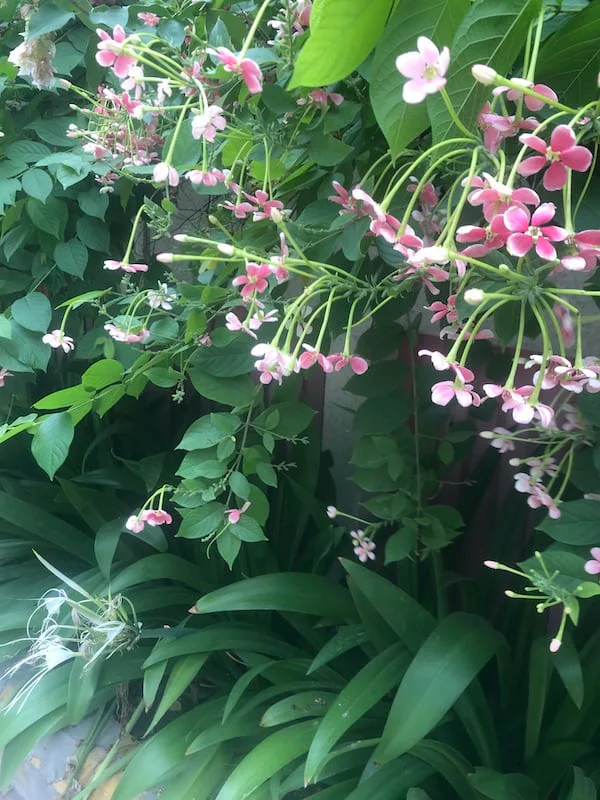
Native alternatives to these plants such as Ixora, Thunbergia, Madhumalti (Rangoon Creeper), Sal, Deodar are beneficial to both – your garden and our environment.

Barrier to Biodiversity

Plants which have originated in some other parts of the world and introduced in an unknown place are known as exotic plants. Such plants are cultivated in controlled environments to make them survive on foreign soil.

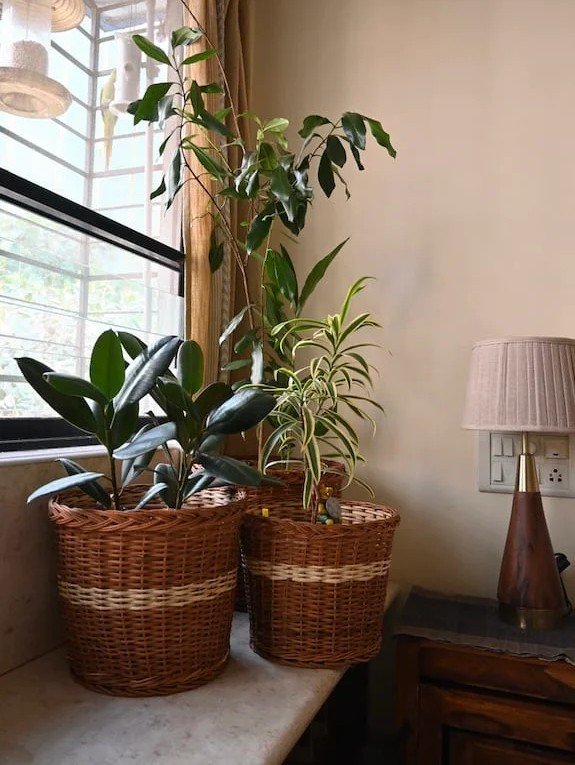
Some of the favourite houseplants Pachira, Dracaena have originated in the West and introduced in all parts of the world. Such cultivation not only disrupts the local environmental cycle but also degrades the foreign habitat.

Instead adopting and using plants which are native, originated or endemic to your region can help preserve soil health, biodiversity, among several other benefits.

Keep this is mind the next time you choose plants or seeds for your organic farm or lawn.

Categories
blog Sustainable Gardening Basics

How sustainable gardening can help reduce negative impact on our environment

Nature has not only decided the birthplace of every plant but also its family and friends who can depend on it. Even the external surroundings and habitat which will provide ensure its growth and development has been well planned for them.

Native plants require lesser time and resources as they have spent centuries learning and adapting to the local environment and growing conditions. They also tend to be healthier and stronger thus, reducing the risk of withering or premature dying, falling, pest attacks, frequent maintenance among other aspects. More importantly, most native plants in India have immense medicinal and healing qualities that benefit the gardeners, in turn.

However, sustainable gardening isn’t about native plants alone.

However, sustainable gardening isn’t about native plants alone.It combines knowledge of resource optimization and conservation with natural gardening practices. Native plants are just a part of it. Sustainable gardening encompasses these five elements:
1. Soil
Healthy soils produce healthy plants. Healthy soil is full of organisms that turn organic matter and minerals into vital plant nutrients. When the soil is healthy, the need to apply fertilizers to boost plant growth is minimized.
2. Water

Drinking water is a precious resource that, in many parts of the country, is in short supply.

Optimizing the water application techniques such as designing water-thrifty gardens can help reduce burden on our water resources.

3. Material
To be truly earth-friendly, it makes sense to think sustainably beyond plant selections — about the other parts of a garden, such as planters, raised beds, pathways, fences, and outdoor furniture.
4. Biodiversity
Wilderness is disappearing at an alarming rate. Supporting a natural ecosystem is something that home gardeners can do to combat loss of plant and animal species.
5. Plants

Native plants are adapted to the local climate and soil conditions where they naturally occur.

In addition to supporting pollinators and other wildlife, native plants are inherently sustainable as they require less watering and fertilization than most non-natives.

They also have significant medicinal importance & are being used in traditional therapeutic systems like Ayurveda for thousands of years in India.
Besides the above, a sustainable garden maintains the natural look of landscape with the systematic growth of plants. It also spreads the message of nature conservation by protecting local flora of the region.
Categories
blog Sustainable Gardening Basics

Microblog Series: Why should you opt for native plants in your home garden

Native plants play a vital role in supporting our lives as well as the biodiversity around us. When starting a home garden either indoors or outdoors, one must consider choosing plants which are indigenous or native to the environment one lives in.

3 reasons why you must choose native plants for your garden:

1. They complete their family – other plant species find it easy to co-exist with them.

2. Their friends depend on them – birds, butterflies, insects, worms, etc derive their food, nutrition, shelter, medicines in the form of nectar, pollen, seeds, leaves from them.

3. They hold us together – moisture, soil, water, sunlight – all facilitate the natural multiplication of plants and become a part of the larger ecosystem we thrive in.

Besides the above, native plants are also low on maintenance as they’re well equipped to adapt with the local environment.

When starting a home garden either indoors or outdoors, one must consider choosing plants which are indigenous or native to the environment. This is the foundation of building an eco-friendly garden. Native plants also tend to have higher medicinal value which is good for your well-being.

Read more about our sustainable gardening services on Peepal. Link in Bio
Categories
blog Sustainability

Square one

An intersection of technological advancements and policymaking

It was a lazy Sunday afternoon and just like any other weekend, I was binge watching. This time it was one of my all-time favourite sci-fi movies ‘Mad Max — The Fury Road’. It makes a simple yet compelling point — the pursuit of a post-apocalyptic green place ended where it started from.

As the movie progressed, my mind began to drift away in joining the dots together. The blurry line between scientific fiction and non-fiction was disappearing and something, preposterously common between the two was becoming vividly evident. Both forms exploit the idea of using advanced technologies to save mankind from extinction by discovering newer horizons and building better habitats.

But how could scriptwriters peek into the future before scientists? There have been astounding similarities between the vision of filmmakers and the natural disasters taking place now. Few movies that show this correlation include Contagion (2011) > Covid-19, Interstellar (2014) > sandstorms in China and Martian (2015) > SpaceX Mars mission.

The phantasmagoria projected by sci-fi movies and the actuality represented by the real-world scientists intersects at technology and policy. It may seem like a coincidence, but history tells us that early warnings of climate change have been ignored by governments, creating negative externalities on individuals, degrading public goods such as air, water, land and accelerating irreversible environmental damage over the years.

The expeditious progress of the West has always fascinated me. Be it the scientific and technological progress it has made over the years or industrial revolution that it has pioneered or the Hollywood action movies, there’s something surreptitious about it.

Did they really have access to an Atlantis equivalent system of information? Or did the tectonic plates push an entire nation of intellectuals westward? Or did they try more, fail more and hence, experience more than the rest of the world?

On the other end of the spectrum, I wonder why was NASA or Google established in the US and not in India (despite the fact that Indians constitute a sizeable chunk of its workforce)? Why did the Northwest Europe succeed in global trade and commerce while the Middle East did not (despite the fact that both the worlds have similar demographics and access to natural resources)?

The questions seem to be infinite, and the possibilities may be limitless ranging from human capital, geography, cultural differences to abundance of natural resources. Perhaps, the key lies in policy (the strategy behind governance).

In this 3-part series, I shall attempt to unravel a phenomenon with interesting examples of how technology in the quest for advancing mankind, is, in fact, bringing us back to square one.