Categories
blog Sustainable Gardening Basics

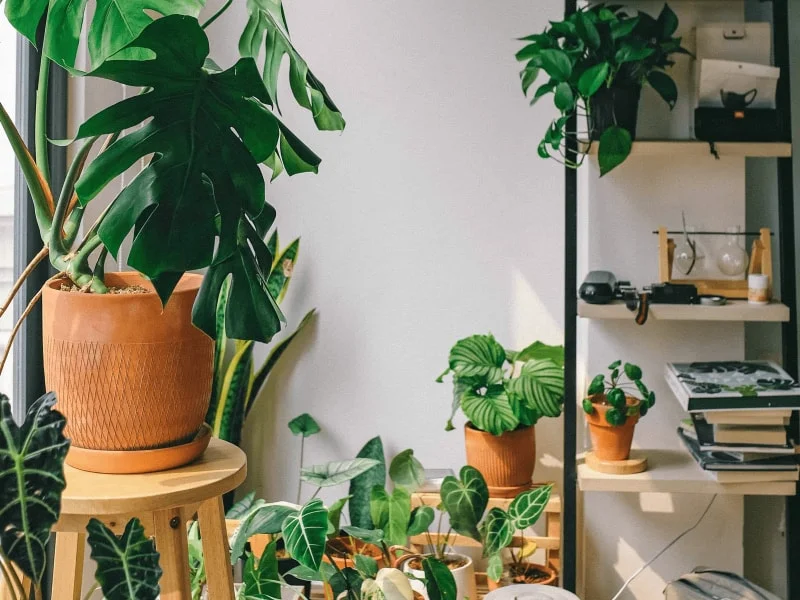
Did you know? Plants love terracotta

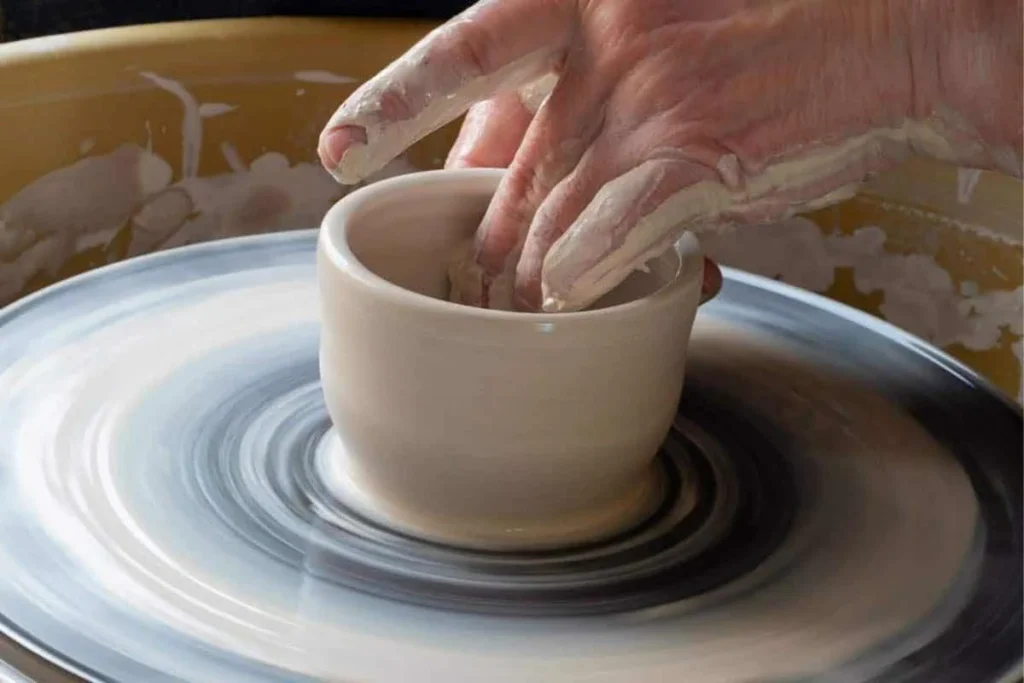
Planters are made out of natural clay are both plant and environment-friendly. Such material is breathable and adjusts as per the outside temperature. In short, plants love and thrive in terracotta v/s other materials. However, they come with their own pros and cons.

Water and air circulation is better in terracotta

The high porosity in terracotta planters allows for air and water to move through the walls. This keeps the plant healthy from root rots, soil erosion, etc.

Terracotta materials also reflects the outside temperature very easily. Hence, problems related to watering can be easily noticed in such planters.

Natural look and patina makes it more desirable

The colour of clay combined with the white deposits on the outer surface can outshine any other material.

In different regions around the world, clay colour can differ from reddish brown to white and even black in a few cases. You can also give it your creative spun

Being a natural material, it is prone to wear and tear

Since terracotta planters are made of natural clay, they’re delicate and can break or crack.

Long exposure to water can bring a deposit of fungus on the outer layer. However, it can be scraped or washed once the temperature is dry enough with a cloth or tissue.

Categories
blog Sustainable Gardening Basics

Microblog Series: 3 daily routines for you and your plants

There are several similarities between us and plants. Our basic necessities are theirs too. In order to understand what plants need, a gardener must think about his or her own daily wants, such as Hydration, Fresh Air and Health Check-ups.

Hydration

Our water or liquids intake differ from season to season. In summer we feel more thirsty as compared to winters. Same is with plants. To understand how much water they need, look at their leaves. If they’re upright, they’re fine. If they’re drooping downwards, they’re thirsty.

Fresh Air

We all are oxygen loving creatures. A daily dose of fresh air is all we need to keep our lungs healthy. While plants can survive in closed, non-ventilated spaces, they might not thrive. Keeping them in open air or breeze can keep pests at bay, ensuring their good health.

Health Check-Ups

Prevention is better than cure – applies to plants as well. Diagnosing problems at the right time can give them a new lease of life. Whether it is a pest attack or lack of nutrients in soil, such problems when detected in early stages can help the spread and long-lasting effects.

Categories
blog Sustainable Gardening Basics

Myths v/s facts: mosquitoes and plants

One of the most debated topics in indoor gardening is that plants are responsible for inviting mosquitoes in homes. Let’s explore the myth and fact behind this.

Myth: Plants attract mosquitoes

Potted plants especially, indoor plants attract mosquitoes. Hence, it is not advisable to keep plants at home.

Fact: Water stagnation attracts mosquitoes

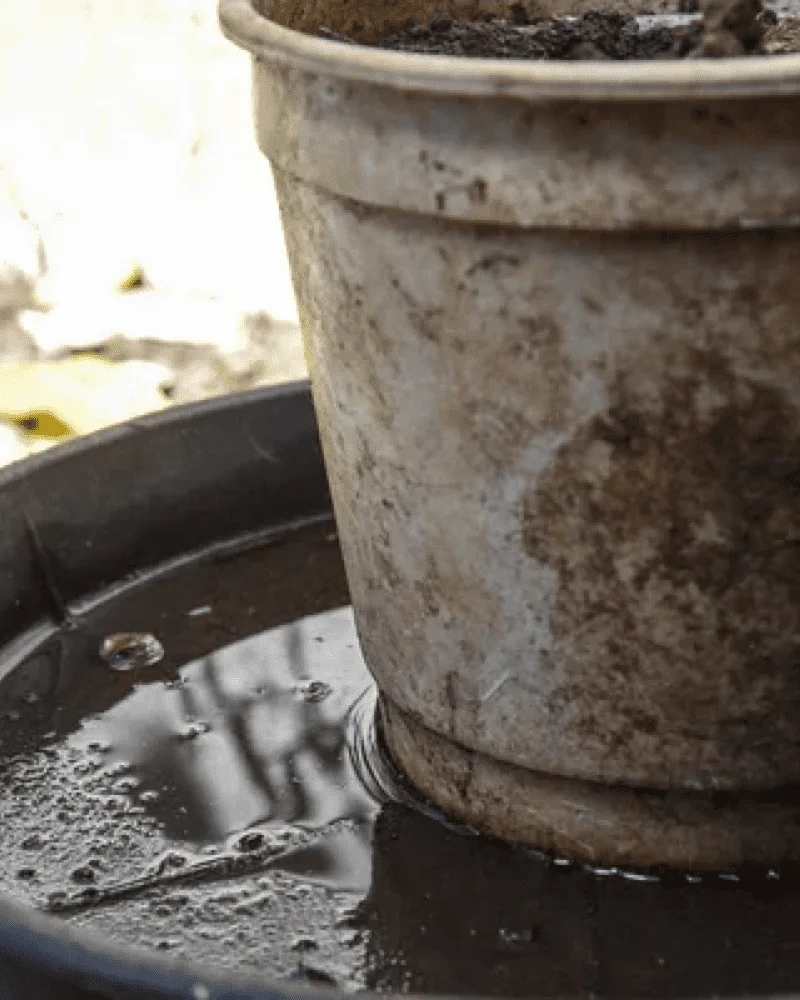
Mosquitoes get attracted to water that gets accumulated in trays or planters. Such conditions create their breeding zones.

In houseplants, mosquitoes are usually uncommon. However, they may develop if plants are kept in stagnated or standing water for a long period of time. Such conditions can avoided by maintaining a few simple cleanliness routines.

While watering plants, especially during monsoons, one must ensure to avoid overwatering the plants. Remove trays / plates if your plants are kept outdoors in direct rainfall. For indoor plants, reduce overall watering in a way that it doesn’t overflow in the tray.

If you’ve aquatic plants in urlis or artificial ponds, do not forget to add fish to have a mosquito-free zone. They will prevent any breeding activity, thus keeping the water clean at all times.

Observing hygiene in garden especially, for indoor plants can keep all sorts of insects, pests at bay – for you and your loved ones – plants included.
Categories
blog Sustainable Gardening Basics

Microblog Series: 3 things that make your plant happy

Plants may not be demanding your attention most times. However, like us, they also need suitable environment to flourish and grow in life. A little insight in their likes and dislikes can help you cultivate a happy and healthy garden.

Here’s a list of three basic and simple routines that are beloved to your indoor and outdoor plants:

Planters that are made out of natural clay are both plant and environment-friendly. Such material is breathable as it allows oxygen’s inflow and outflow.

Additionally, terracotta let’s the water dry out as compared to other materials hence minimising the chances of root rot in plants. In short, plants love and thrive in terracotta v/s other materials.

Watering is the most important aspect for potted plants. How we water them makes a huge difference in their growth stimulation.

Showers make them nostalgic of rains – something that they eagerly await for every year. Watering cans with shower-heads work best for plants as they spread the water evenly in the soil.

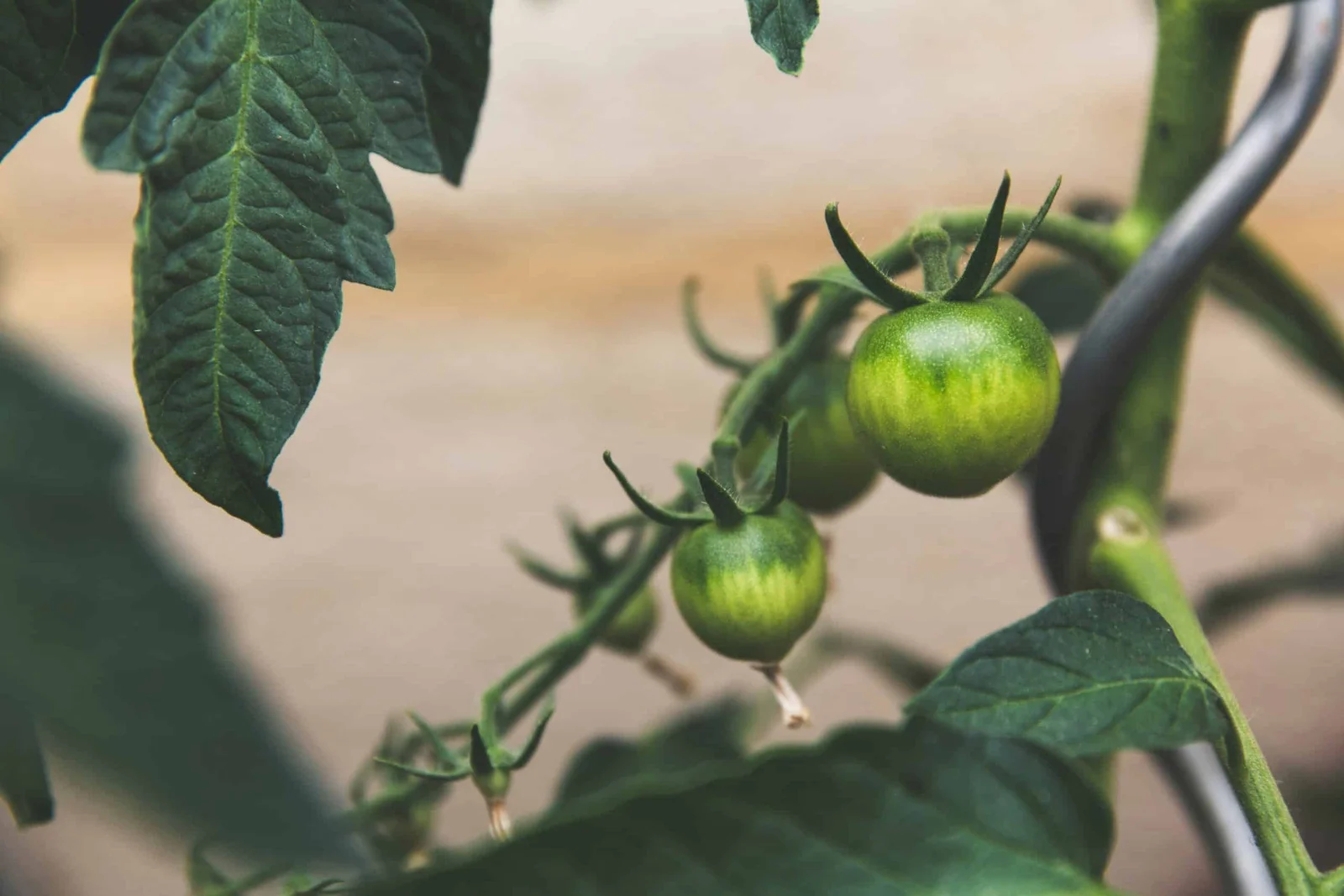
Nutrition in plants mainly comes from soil. While good organic soil is good enough to provide essential nutrients to plants, they do need top-up dozes too.

Fertilizers derived from desi-cow breeds such as cow dung cakes, jeevamrut are beloved to plants, more than even vermi-compost and other forms of bio fertilisers.

Categories
blog Sustainable Gardening Basics

How sustainable gardening can help reduce negative impact on our environment

Nature has not only decided the birthplace of every plant but also its family and friends who can depend on it. Even the external surroundings and habitat which will provide ensure its growth and development has been well planned for them.

Native plants require lesser time and resources as they have spent centuries learning and adapting to the local environment and growing conditions. They also tend to be healthier and stronger thus, reducing the risk of withering or premature dying, falling, pest attacks, frequent maintenance among other aspects. More importantly, most native plants in India have immense medicinal and healing qualities that benefit the gardeners, in turn.

However, sustainable gardening isn’t about native plants alone.

However, sustainable gardening isn’t about native plants alone.It combines knowledge of resource optimization and conservation with natural gardening practices. Native plants are just a part of it. Sustainable gardening encompasses these five elements:
1. Soil
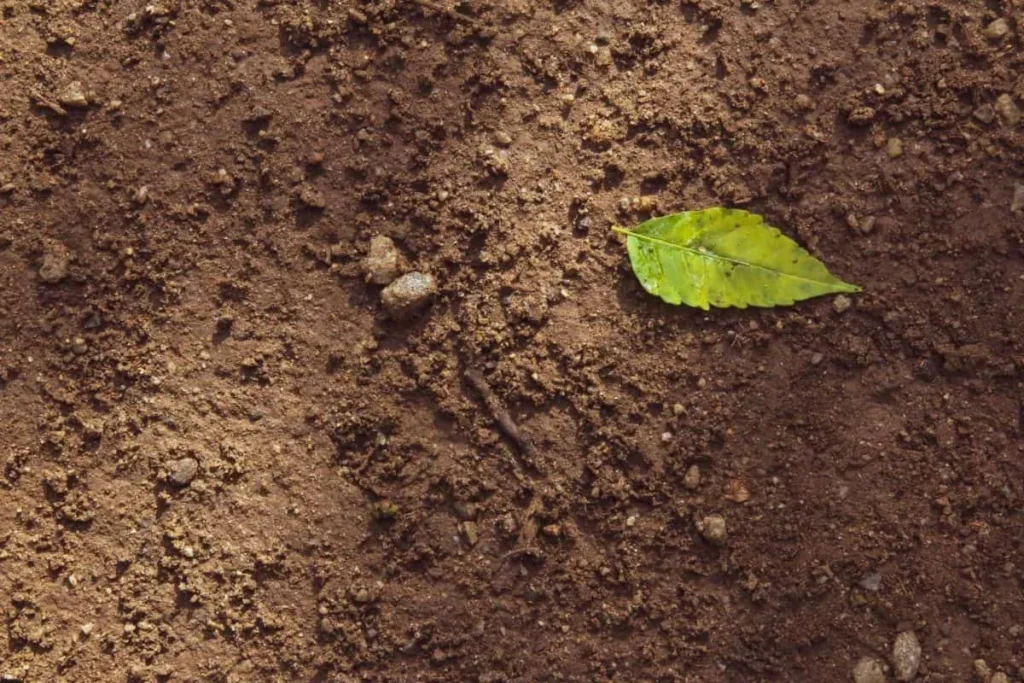
Healthy soils produce healthy plants. Healthy soil is full of organisms that turn organic matter and minerals into vital plant nutrients. When the soil is healthy, the need to apply fertilizers to boost plant growth is minimized.
2. Water

Drinking water is a precious resource that, in many parts of the country, is in short supply.

Optimizing the water application techniques such as designing water-thrifty gardens can help reduce burden on our water resources.

3. Material
To be truly earth-friendly, it makes sense to think sustainably beyond plant selections — about the other parts of a garden, such as planters, raised beds, pathways, fences, and outdoor furniture.
4. Biodiversity
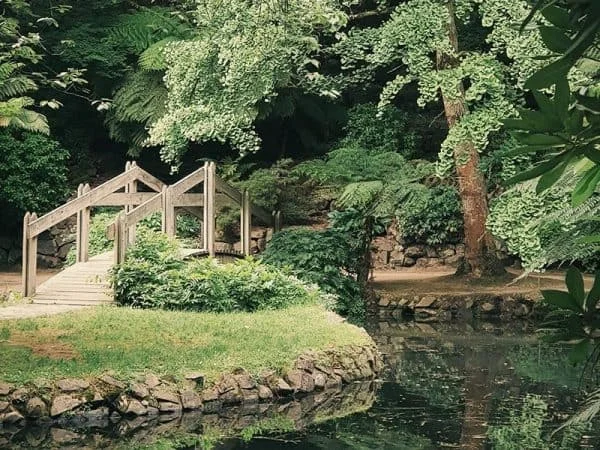
Wilderness is disappearing at an alarming rate. Supporting a natural ecosystem is something that home gardeners can do to combat loss of plant and animal species.
5. Plants

Native plants are adapted to the local climate and soil conditions where they naturally occur.

In addition to supporting pollinators and other wildlife, native plants are inherently sustainable as they require less watering and fertilization than most non-natives.

They also have significant medicinal importance & are being used in traditional therapeutic systems like Ayurveda for thousands of years in India.
Besides the above, a sustainable garden maintains the natural look of landscape with the systematic growth of plants. It also spreads the message of nature conservation by protecting local flora of the region.
Categories
blog Sustainability

Square one

An intersection of technological advancements and policymaking

It was a lazy Sunday afternoon and just like any other weekend, I was binge watching. This time it was one of my all-time favourite sci-fi movies ‘Mad Max — The Fury Road’. It makes a simple yet compelling point — the pursuit of a post-apocalyptic green place ended where it started from.

As the movie progressed, my mind began to drift away in joining the dots together. The blurry line between scientific fiction and non-fiction was disappearing and something, preposterously common between the two was becoming vividly evident. Both forms exploit the idea of using advanced technologies to save mankind from extinction by discovering newer horizons and building better habitats.

But how could scriptwriters peek into the future before scientists? There have been astounding similarities between the vision of filmmakers and the natural disasters taking place now. Few movies that show this correlation include Contagion (2011) > Covid-19, Interstellar (2014) > sandstorms in China and Martian (2015) > SpaceX Mars mission.

The phantasmagoria projected by sci-fi movies and the actuality represented by the real-world scientists intersects at technology and policy. It may seem like a coincidence, but history tells us that early warnings of climate change have been ignored by governments, creating negative externalities on individuals, degrading public goods such as air, water, land and accelerating irreversible environmental damage over the years.

The expeditious progress of the West has always fascinated me. Be it the scientific and technological progress it has made over the years or industrial revolution that it has pioneered or the Hollywood action movies, there’s something surreptitious about it.

Did they really have access to an Atlantis equivalent system of information? Or did the tectonic plates push an entire nation of intellectuals westward? Or did they try more, fail more and hence, experience more than the rest of the world?

On the other end of the spectrum, I wonder why was NASA or Google established in the US and not in India (despite the fact that Indians constitute a sizeable chunk of its workforce)? Why did the Northwest Europe succeed in global trade and commerce while the Middle East did not (despite the fact that both the worlds have similar demographics and access to natural resources)?

The questions seem to be infinite, and the possibilities may be limitless ranging from human capital, geography, cultural differences to abundance of natural resources. Perhaps, the key lies in policy (the strategy behind governance).

In this 3-part series, I shall attempt to unravel a phenomenon with interesting examples of how technology in the quest for advancing mankind, is, in fact, bringing us back to square one.