


Categories
blog Sustainable Gardening Basics

3 things we can learn about community building from trees

Have you ever wondered about we build communities? Well, the answer may not be that complex. Building communities is much like growing a garden. Both need time, patience, knowledge and above all, compassion to thrive in an environment.

Investing in creating a community and garden has immense payoffs – not immediately, but in the near and far future. Plants not only help us in our day-to-day living but also teach us several virtues. Such as:

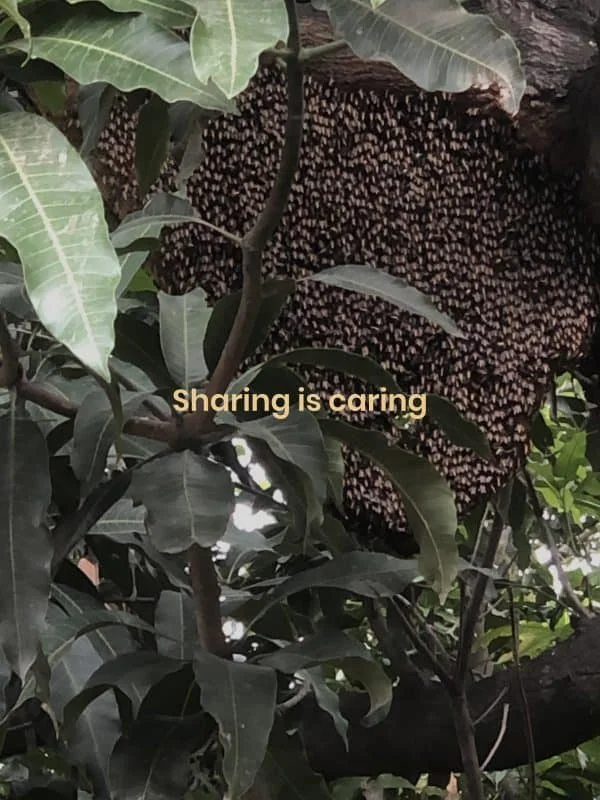
With the help of an extensive root system, native plants, share their nutrients with their neighbours. Such sharing of materials enables plants, trees self-sufficient.
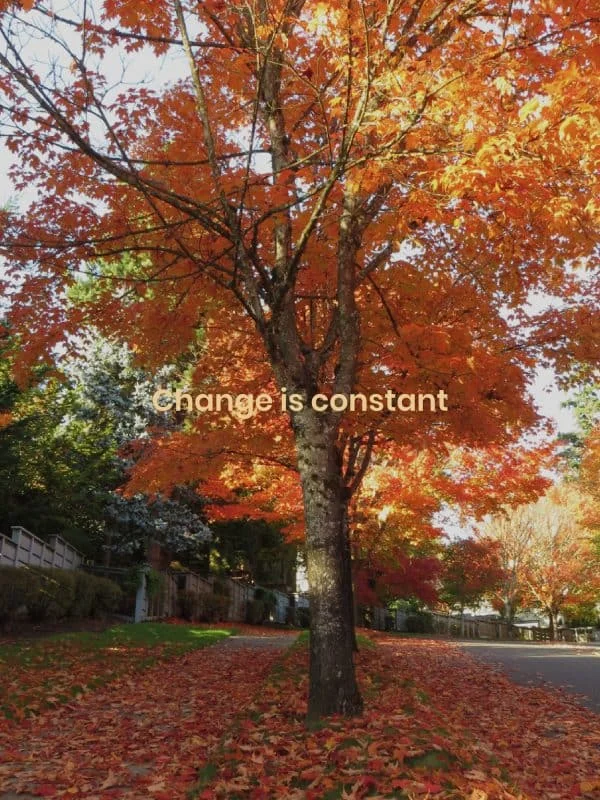
It’s no surprise that trees change colours of their leaves with changing seasons. Such adaptive behaviour helps them survive better and longer than being rigid.

No one does it better than trees. From alerting others about pests attack to sharing an underground root network, plants know that working together is best for survival.

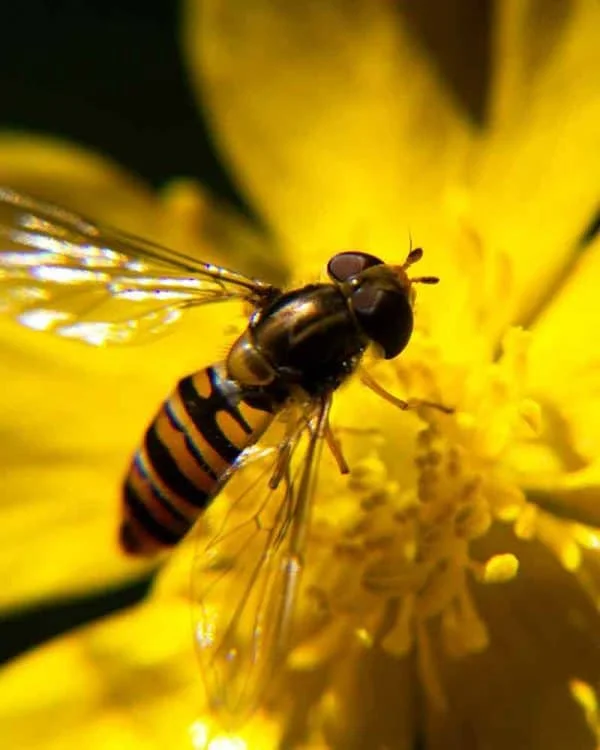
Plants are no different than us in their behaviour. Observe these similarities between you and them next time when you’re in your garden.

Categories
blog Sustainable Gardening Basics

Introduction to sustainable gardening

The definition of being eco-friendly in some way starts with plants.

Technically speaking, planting a tree contributes to greenery around us. One would imagine that the greener spaces we create, the better our world feels. More oxygen, improved air quality, cooler atmosphere, mental well-being among several other positives. When we grow a plant, we feel that we have taken the first step towards building a sustainable world.

But what if, someone told you that planting any tree isn’t enough? What if, gardening in the modern world is doing more damage than good to your green vision?

As it turns out, sowing a seed or growing a sapling isn’t enough to create a truly green, sustainable world. The complete knowledge of gardening and study of our natural world determines how well we are inching towards our green goals.

To create such a garden, one must remember these 3 principles where it should:

1. Support local biodiversity and the natural ecosystem

2. Self-sustains itself without constant human intervention

3. Creates minimal negative impact on the local habitat

In short, you must know what you are growing, where are you growing it, how are you growing it and what impact it is generating in this process.

Simply put, a sustainable garden works with nature, not against it. Such a space encourages co-existence among other habitants of our planet in form of other species of plants, birds, butterflies, bees, etc.

While creating or sustaining an indoor or outdoor garden, one must consider the above principles. From the choice of plants or seeds to the kind of materials, one uses in the garden, determines the sustainability factor in it.

In our Introduction to Sustainable Gardening series, we will talk about the three principles in detail. Watch out this space.
Next in this series: How home gardening can support local biodiversity and ecosystems