

Categories
blog Sustainable Gardening Basics

Did you know? Black soil is not always the best

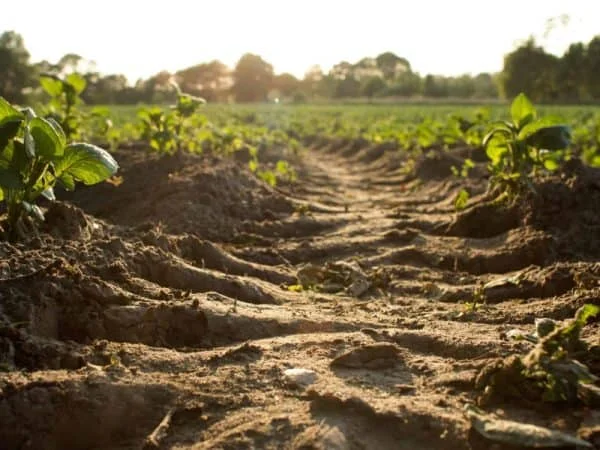
It is not necessary that blacker the soil, the better it is for your plants. There are several types of soil found across the world.
From colour to density, each kind of soil differs depending on a region’s typography and weather conditions.
Hence, while starting an indoor or outdoor garden, one must consider theIn India itself, every state has different kind of soil, rich in minerals in their own way. From black to red, from alluvial to marsh, soil conditions vary from region to region depending on the respective climate and environment.se three aspects:

1. Rich in minerals and organic matter

Each region in India has a different typography, geographical conditions and mineral compositions. Using local soil gives access to these rich deposits of minerals and organic materials.
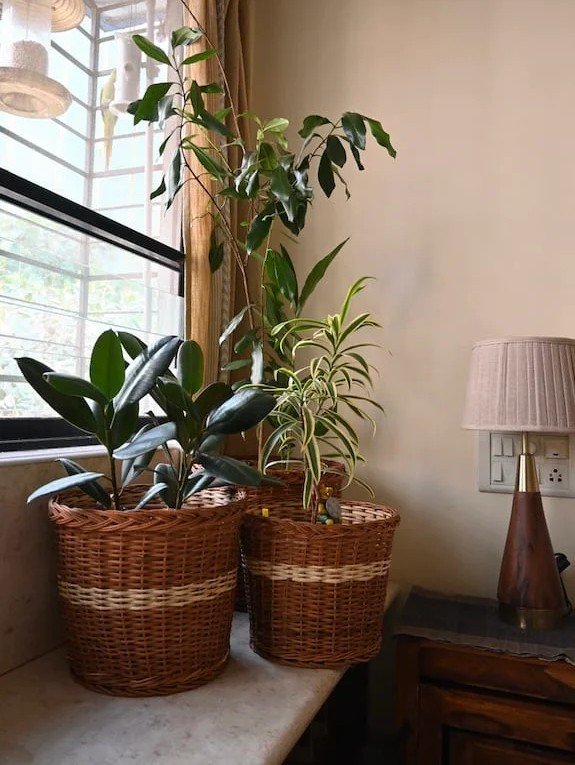
2. Well-suited to support native plants

Local soil is equipped to handle the local plants. It complements the strengths of these plants and gives essential support in building immunity towards pests, other threats.
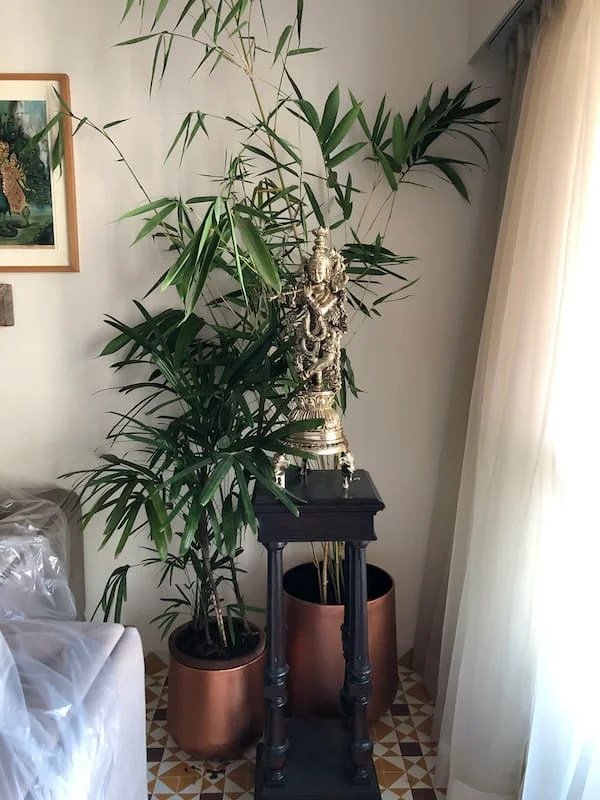
3. Avoids degradation of environment

Lesser transportation, lesser use of fertilizer, lesser burden on plants, there are several advantages of using native soil in gardens. They thus help in reducing the environmental impact.
Next time you want to change the soil of your plants or create a new garden, choose the locally originated ones. Here are the top benefits of using native soil in your garden v/s the commercially available garden soil.
Categories
blog Native Plants of India

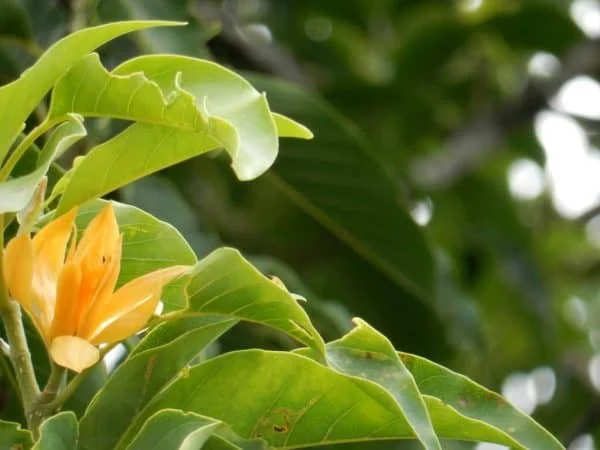
Son Champa: A perfume that spreads joy

Magnolia champaca aka Son Champa or Son Chafa is a native tree of India, and is found in abundance throughout the country.

It is popularly known as the joy perfume tree in English due to its strong aroma and attractive yellow petals, which is a key ingredient in perfumery.

The flowering season usually starts from May and stays until December. From a large, evergreen tree to a bonsai shrub, Son Champa is one of the most fragrant and aesthetic flowers indigenous to India.

It holds immense ornamental, medicinal and religious values. From anti-cancer to antimicrobial, antioxidant properties, Son Champa is an all-rounder plant to ensure one’s wellbeing. In Indian scriptures, Son Champa is revered as a sacred and divine flower. From Lord Vishnu to Lord Krishna, son champa finds it way in almost all mythological stories in India.

Categories
blog Native Plants of India

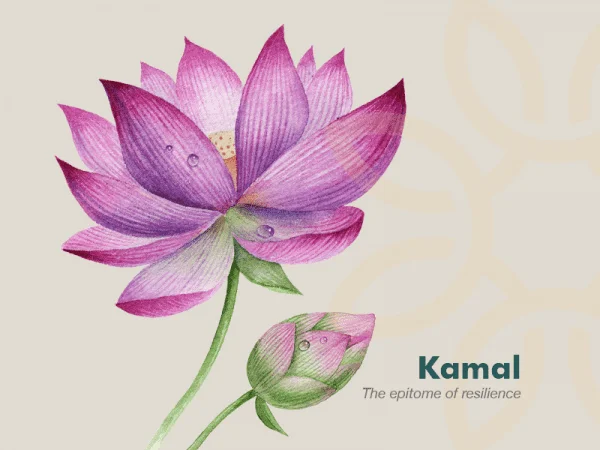
Flower of the month – Lotus – June

Lotus

Popularly known as the god’s own flower, Lotus (Nelumbo Nucifera) marks the onset of Jyeshtha ritu in India. From its beautiful pink, white petals to its stems and roots, the lotus is considered to be one of the most important flowers in the country.

This delicate flower has touched several walks of life from architecture to textile, botanicals to recipes. Even in this century, lotus continues to inspire design in every aspect.

It also symbolizes various aspects for different cultures. In ancient Egypt, it was considered to be a symbol of sun, rebirth and creation because of its unusual behaviour which marks the beginning and the end of the day.

For Asian communities, it continues to a symbol of wealth, prosperity, purity and fertility. Its unique traits of submerging every night into river water and miraculously re-blooming the next morning, sparklingly clean is a symbol of hope to many.
Its stems known as Kamal Kadki in Hindi or Lotus Roots in English is used to prepare several delicacies in Asian cuisine.