One of the most difficult tasks in creating a brand is choosing the right brand name. In addition to being different, it also needs to reflect a brand’s philosophy in a simple and relatable way. A real tough challenge to crack.
Like many others, there were in-numerous brainstorming sessions to arrive at a logical conclusion. And one fine morning, I woke up to the name literally.
But before that, what is the brand and the business, one would ask.
As it turns out, sowing a seed or growing a sapling isn’t enough to create a truly green, sustainable world. The complete knowledge of gardening and study of our natural world determines how well we are inching towards our green goals.
In simple terms, my brand aims to make a difference in the lives of people, plants and the planet we live. Not that simple, right? Let me break it down for you.
Good health is often described as a state of complete physical, mental, and social well-being and not just merely the absence of a disease.
One of the most underrated enablers in achieving this state are — plants. Several global studies show that gardening promotes physical health through activity, mental health through self-care, and spiritual health through discovery. To that effect and coupled with the Covid-19 lockdown, gardening took the centre-stage in our lives, globally.
While this may seem all known and good, there is bad news too.
Thanks to the internet, we can now buy these living things online — just like any other (non-living) thing. Thanks to technology, we can mass produce them in almost any climatic condition — making them exotic and aspirational. And thanks to cheap transportation, we can introduce them in any part of the world — making them invasive in the local ecosystem.
Plants, the genesis of a sustainable world, are creating a negative impact on our environment, if planted without knowledge and wisdom.
Consumerism and commercialization in the gardening, horticulture industry has given rise to the most unsustainable practices today, be it opting for exotic (non-native) plants or non-eco-friendly gardening materials (plastic, concrete, fiber).
Peepal was born out of this observation.
Since the roots of these challenges lie in our past, we turned to the ancient wisdom and combined it with the present knowledge.
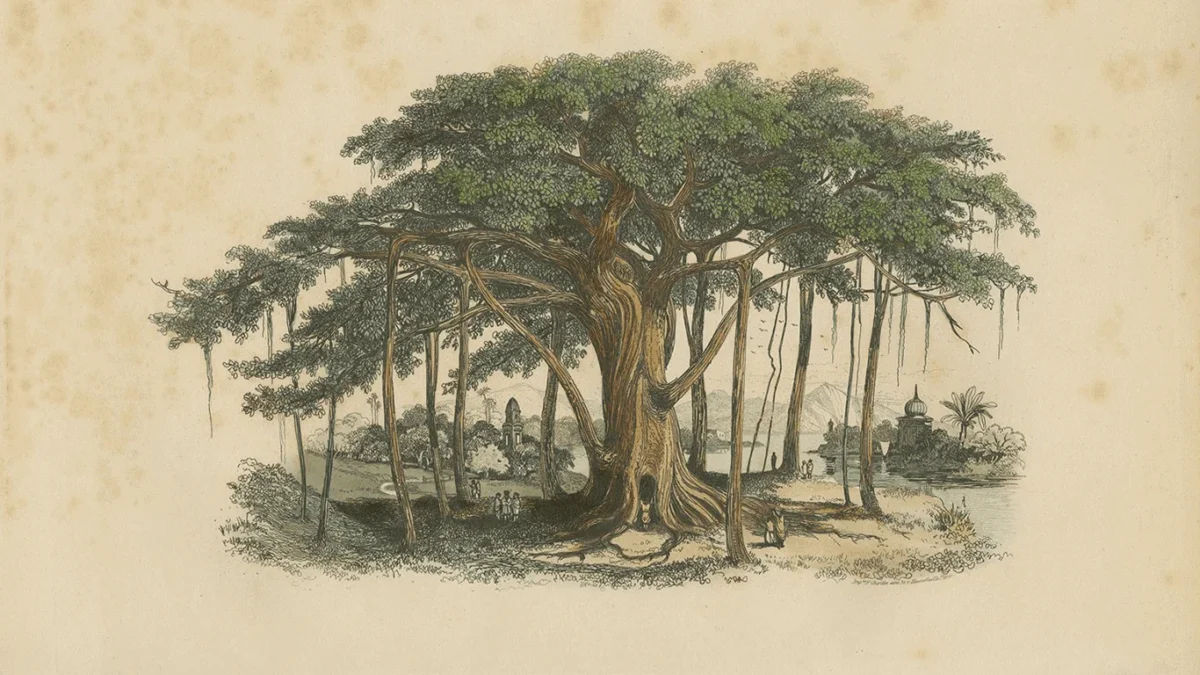
Peepal is not a tree — ficus religiosa but a combination of many things that universe has packed into one. And our brand aims to embody the many qualities that it has to offer:
- The spiritual connection: a sacred, native, indigenous plant of India representing enlightenment
- The health connection: a healer with medicinal properties that cures several diseases
- The social connection: a common place for ‘people’ to celebrate and convene
- The emotional and mental connection: a symbol of perseverance and adaptability
- The sustainability connection: a key player in maintaining the ecological balance
Above all, it is humble unlike its sibling — ficus benghalensis also known as a strangler tree which is famous for building its foundation on someone else’s.