Categories
blog Native Plants of India

3 native plants to style corners

Want to create an Instagramable living room? Try integrating a few tall, statement plants in the corners of your homes.

Plants can brighten up any space, if placed in the right setting. Be it bonsais that make an extraordinary addition to one’s house or simple palms, plants have the potential of making any corner lively.

While doing so, choose low-maintenance and hardy plants so that they can survive in indirect light.

Here are a few native plants that can help you achieve a stylish and sustainable corner.

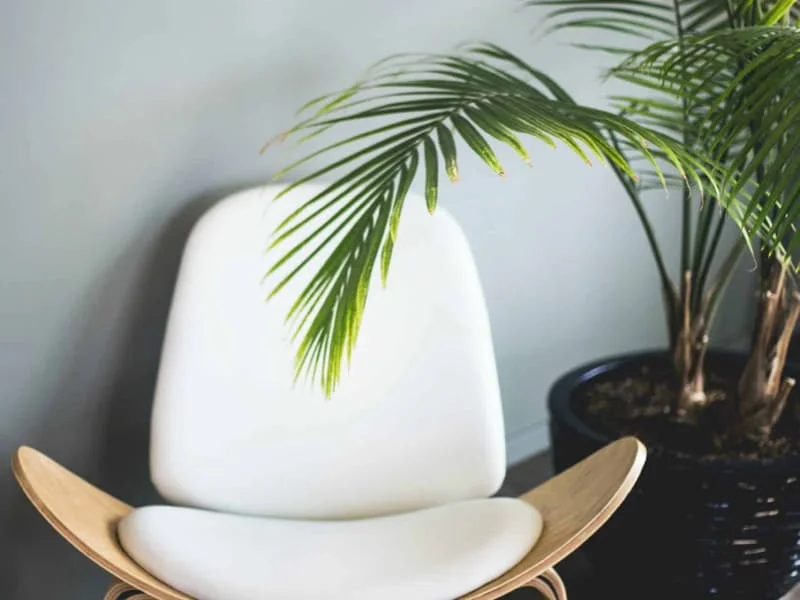
Palms

There’s a lot of variety in palms that you could choose from. However, the ultimate favourite of all time remains Areca Palm, Raphis Palm, etc.

Ficus

Comes in different sizes, shapes, colours. Weeping Fig, one of the most popular houseplants, is making a serious comeback in our homes.

Schefflera

It is one of the most under-rated plants. It can really brighten up your corners with its interesting umbrella shaped leaf pattern and strong stem structure.

Categories
blog Sustainable Gardening Basics

Myths v/s Facts: Bigger the better

Myth:

Size of pots determine plant growth.

Can we create a garden which is aesthetic and low on maintenance at the same time? Yes, of course. Replacing exotic plants with native / indigenous and hardy varieties can not only increase your garden’We often, think that our plants need more space than they have currently. Larger and bigger the pots, proportionate will be the plant’s growth.

Especially, potted houseplants need more space to grow. This may not be necessarily and entirely true.s lifespan but also reduce maintenance costs to a considerable extent. Native plants are well-adapted for our local climate. This means, they’re more resistant to pests – hence, reducing the use of pesticides. They contribute more towards soil nutrition – hence, reducing the use of fertilizers. They’re hardy in nature – hence, they tend to survive better in harsher weather conditions – hence, reducing the replantation efforts.

Fact:

It is important to choose the right size and kind of planters depending on the plants you have.

Every plant has a different root system. Some grow deep, some remain shallow.

When smaller plants are given extra large planters, they may in fact not survive owing to dispersal of water in the soil. Hence, understanding the space requirement for plants is very crucial for their healthy development.

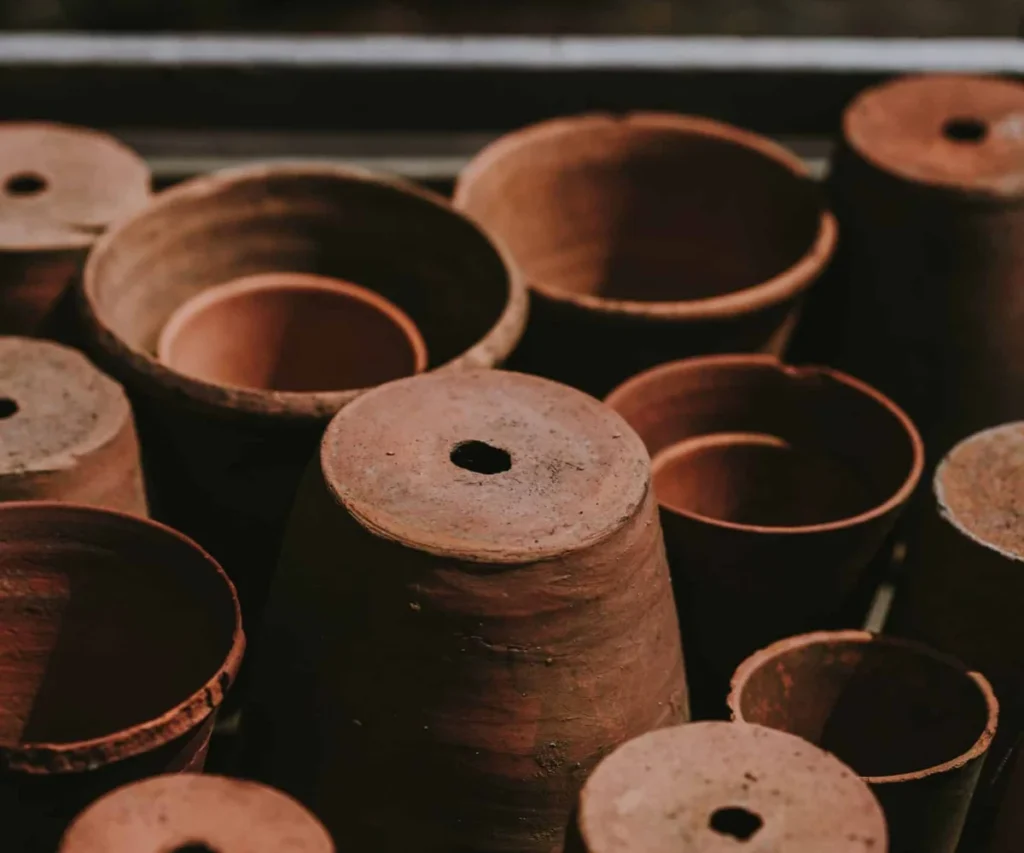
One easy tip to check if your plants need more space – tilt your pot and check underneath for any roots coming out of the hole. If yes, then your plant is wanting to be repotted in a slightly larger planter. If no, then it is okay with its current home!

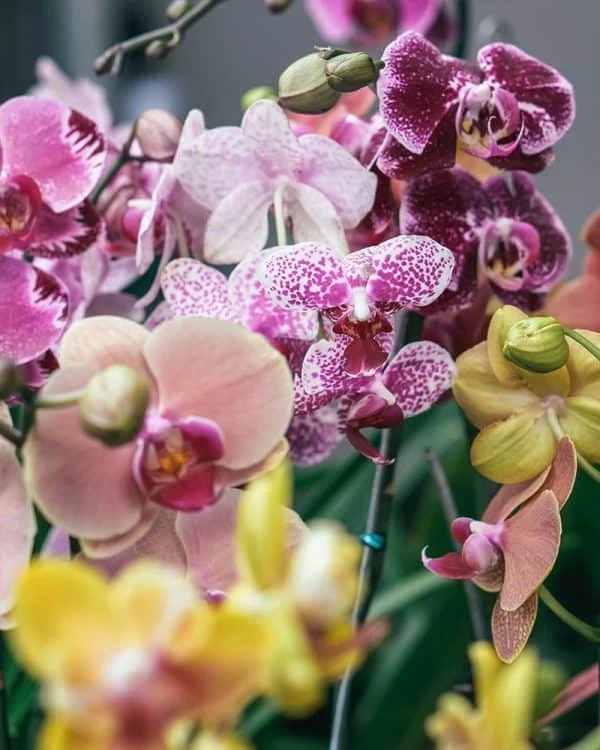
For instance, Orchids like airy planters while palms can remain pot bound for a very long time. For shallow rooted plants such as houseplants or indoor plants small sized and wide shaped planters would do just fine.

However, for deep rooted and fast growing plants such as flowers, edibles, etc you must invest in deep or tall height planters.

So before, you start repotting your houseplants, look at the signs and choose the planters wisely.


Categories
blog Sustainable Gardening Basics

Can a home garden sustain itself, without our intervention?

Foreign or exotic plants that are cultivated or introduced somewhere else often become invasive in a foreign land and environment. Such invasion wipes off the native plants and local habitats with speed. When exotic plants outnumber native plants, it affects the biodiversity as the birds, bees, insects, don’t find them conducive for survival.

Their survival has a direct impact on our lives too with our food-chain being impacted among other aspects. To maintain such exotic gardens, one needs to adopt modern technology and products such as fertilizers, pesticides, insecticides, artificial light, water conditions et al. The cost of creating such ‘beautiful’ gardens is not only borne by the ecosystem but also our treasuries eventually.

On the other hand, gardens that embrace local, indigenous plants require negligible human assistance to thrive. Just like a natural forest.

Five factors why native gardens are self-sustaining because:

1) They require minimal maintenance as such plants don’t need additional water, fertilizers, pesticides to survive

2) They are well-versed with local climatic conditions and are inherently designed to combat them naturally

3) They can create a natural paradise for local butterflies, birds & other species that make the garden alive in a real sense

4) They work with other plants in their community to share and conserve nutrients with their root network

5) They have well entrenched roots that tend to survive the harshest rains, winds, or storms unlike exotic ones

Making conscious choices can lay a root-solid fundamental for your garden whether it is as small as your window or as large as your farm.

Next in this series: How sustainable gardening can help reduce negative impact on our environment