Categories
blog Native Plants of India

3 native plants to style corners

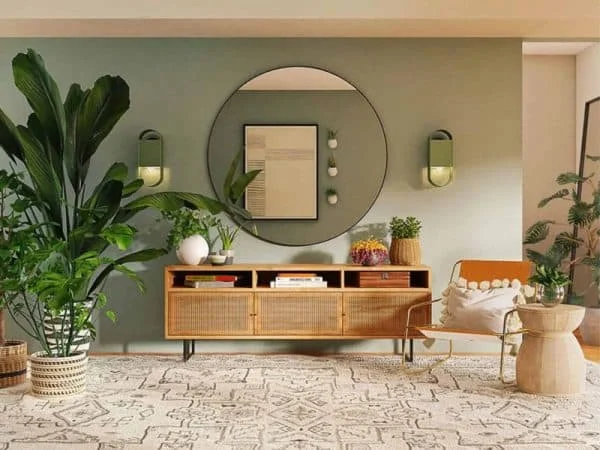
Want to create an Instagramable living room? Try integrating a few tall, statement plants in the corners of your homes.

Plants can brighten up any space, if placed in the right setting. Be it bonsais that make an extraordinary addition to one’s house or simple palms, plants have the potential of making any corner lively.

While doing so, choose low-maintenance and hardy plants so that they can survive in indirect light.

Here are a few native plants that can help you achieve a stylish and sustainable corner.

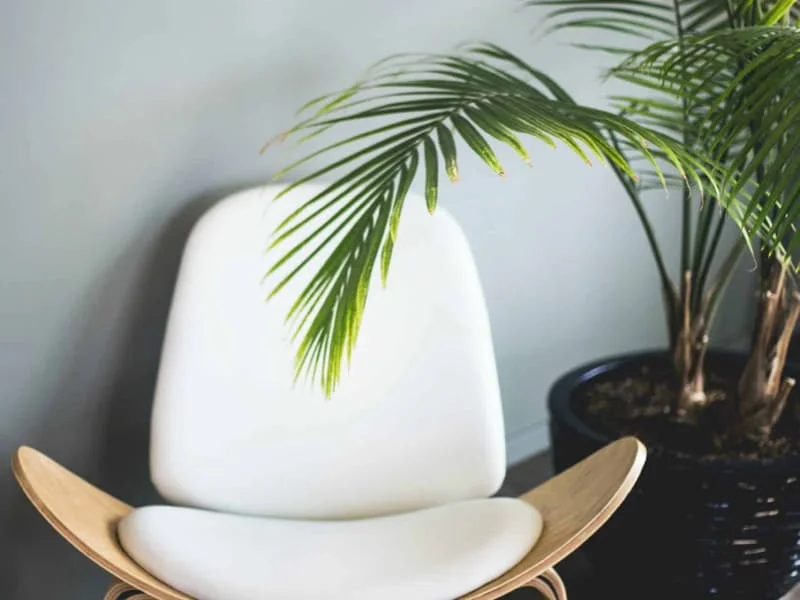
Palms

There’s a lot of variety in palms that you could choose from. However, the ultimate favourite of all time remains Areca Palm, Raphis Palm, etc.

Ficus

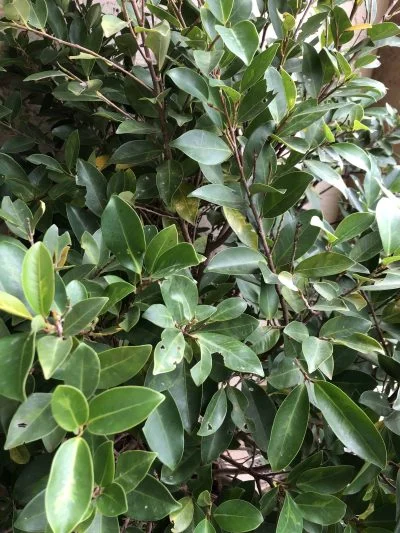
Comes in different sizes, shapes, colours. Weeping Fig, one of the most popular houseplants, is making a serious comeback in our homes.

Schefflera

It is one of the most under-rated plants. It can really brighten up your corners with its interesting umbrella shaped leaf pattern and strong stem structure.

Categories
blog Native Plants of India

3 native plants for styling living rooms

Who doesn’t like large, life-sized plants touching their roof? Plants have become central to home decor and tall plants help make a style statement.

However, the choice of plants can make or break this feeling. While exotic plants look beautiful, they’re often require high maintenance. Fragile root systems, watering issues and pest attacks are more rampant in exotic plants than native varieties.

Native varieties on the other hand, not only help your spaces look evergreen but also reduce maintenance stress for you. Additionally, such plants are versatile and can survive in almost any light condition, indoor or outdoor.

For instance, rubber plants, palms, ficus can thrive inside your house in indirect light and can also do well in your balcony in full sunlight. They adjust to their surroundings way faster than the exotic species.

Here are a few native plants that are low maintenance and can help you make a statement.

Areca Palms

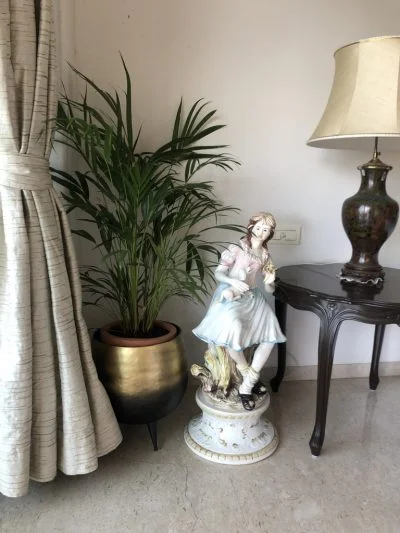
It is the ultimate versatile and low-maintenance plant for living rooms. Keep it anywhere from direct sunlight to indirect bright light, and it shall thrive.

Ficus

Weeping Fig one of the most popular houseplants is making a serious comeback in our homes. Use it as a bonsai or tall, bushy plant.

Rubber Plant

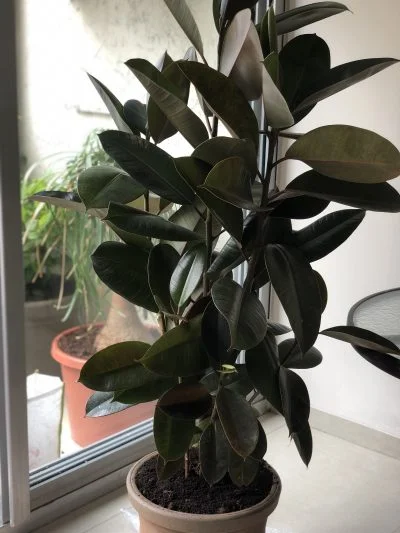
Comes in several sizes, shapes as well as colours. However, the elastica variety is one of the most spectacular and hardy ones among all.

Categories
blog Sustainable Gardening Basics

Myths v/s Facts: Bigger the better

Myth:

Size of pots determine plant growth.

Can we create a garden which is aesthetic and low on maintenance at the same time? Yes, of course. Replacing exotic plants with native / indigenous and hardy varieties can not only increase your garden’We often, think that our plants need more space than they have currently. Larger and bigger the pots, proportionate will be the plant’s growth.

Especially, potted houseplants need more space to grow. This may not be necessarily and entirely true.s lifespan but also reduce maintenance costs to a considerable extent. Native plants are well-adapted for our local climate. This means, they’re more resistant to pests – hence, reducing the use of pesticides. They contribute more towards soil nutrition – hence, reducing the use of fertilizers. They’re hardy in nature – hence, they tend to survive better in harsher weather conditions – hence, reducing the replantation efforts.

Fact:

It is important to choose the right size and kind of planters depending on the plants you have.

Every plant has a different root system. Some grow deep, some remain shallow.

When smaller plants are given extra large planters, they may in fact not survive owing to dispersal of water in the soil. Hence, understanding the space requirement for plants is very crucial for their healthy development.

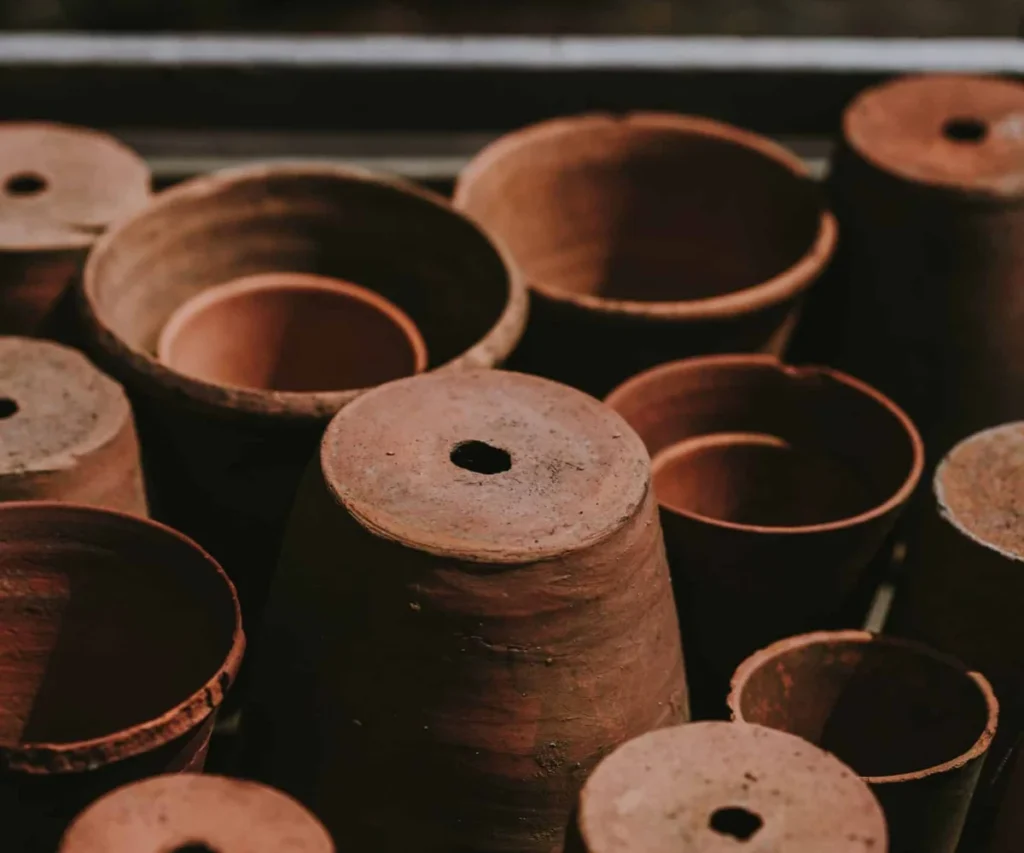
One easy tip to check if your plants need more space – tilt your pot and check underneath for any roots coming out of the hole. If yes, then your plant is wanting to be repotted in a slightly larger planter. If no, then it is okay with its current home!

For instance, Orchids like airy planters while palms can remain pot bound for a very long time. For shallow rooted plants such as houseplants or indoor plants small sized and wide shaped planters would do just fine.

However, for deep rooted and fast growing plants such as flowers, edibles, etc you must invest in deep or tall height planters.

So before, you start repotting your houseplants, look at the signs and choose the planters wisely.