
Categories
blog Sustainable Gardening Basics

Did you know? Black soil is not always the best

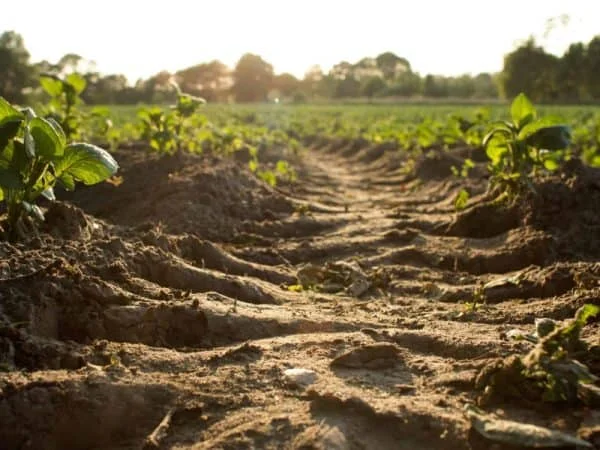
It is not necessary that blacker the soil, the better it is for your plants. There are several types of soil found across the world.
From colour to density, each kind of soil differs depending on a region’s typography and weather conditions.
Hence, while starting an indoor or outdoor garden, one must consider theIn India itself, every state has different kind of soil, rich in minerals in their own way. From black to red, from alluvial to marsh, soil conditions vary from region to region depending on the respective climate and environment.se three aspects:

1. Rich in minerals and organic matter

Each region in India has a different typography, geographical conditions and mineral compositions. Using local soil gives access to these rich deposits of minerals and organic materials.
2. Well-suited to support native plants

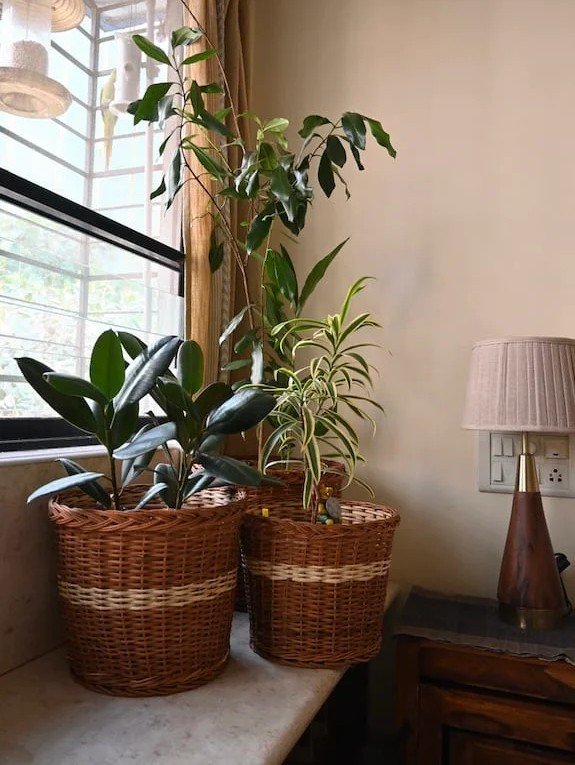
Local soil is equipped to handle the local plants. It complements the strengths of these plants and gives essential support in building immunity towards pests, other threats.
3. Avoids degradation of environment

Lesser transportation, lesser use of fertilizer, lesser burden on plants, there are several advantages of using native soil in gardens. They thus help in reducing the environmental impact.
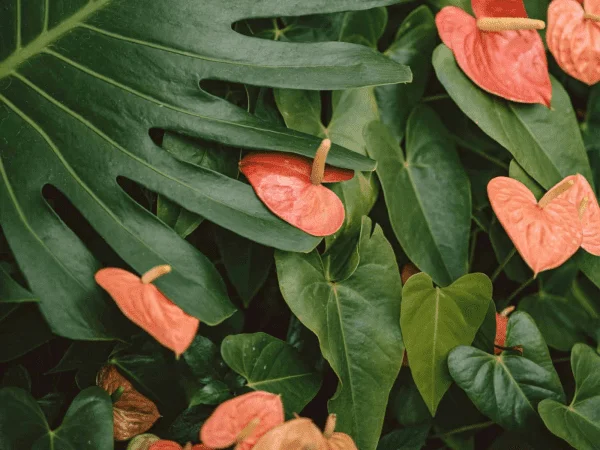
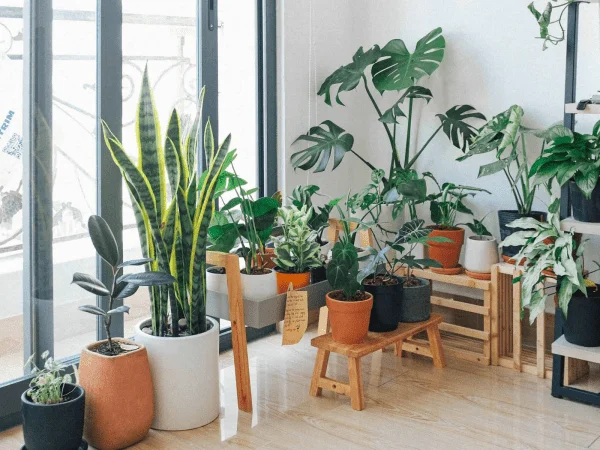
Next time you want to change the soil of your plants or create a new garden, choose the locally originated ones. Here are the top benefits of using native soil in your garden v/s the commercially available garden soil.
Categories
blog Sustainable Gardening Basics

FAQs: What is the fuss about exotic plants?

If an exotic or non-native plant is introduced in a new country / region, it may thrive equally well like the locals. However, it comes at a cost. Both for you and our environment.

Exotic plants affect the ecological functions in several ways.

Outnumber natives

To survive, exotic plants multiply at a much faster rate than native plants. In the long run, such exotic plants become invasive and push the native plants into extinction.

Degrade soil quality

In the race of survival, exotics end up consuming more nutrients present in the soil. Slowly and gradually, this process deprives native plants of basic nutrition to grow.

Reduce foliage area

Leaf canopy or structure of such plants is usually thin, fragile. Exotic trees such as pine don't let other plants to grow besides them, thus, reducing the green foliage area.

Induce pest attacks

One of the common problems with exotic plantation is frequent pest attacks. Native plants have the immunity to fight known and unknown pests as compared to exotics.

Bring new diseases

Plants from different countries may carry along certain organisms and viruses. Such scenarios can give birth to new diseases among plants on a foreign soil.

A simple observation related to the movement and settlement of birds can give us an idea of this impact.

For instance, birds use their intelligence to recognize exotic trees and avoid building their nests on them in the absence of an alternative. (non-native or exotic trees are weaker in the rooting system as compared to the native trees and are more prone to falling).

On the other hand, invasion, predation of birds is higher when they settle down on exotic trees v/s native, displacing species and eventually leading to their extinction.

Exotic plants are not bad by themselves. They are just plants after all, but happen to be in a different place, unknown environment, and more often bring along a host of issues. The human endeavor to introduce and multiply exotic plants in non-native conditions creates a negative impact on the local ecology.
Categories
blog Native Plants of India

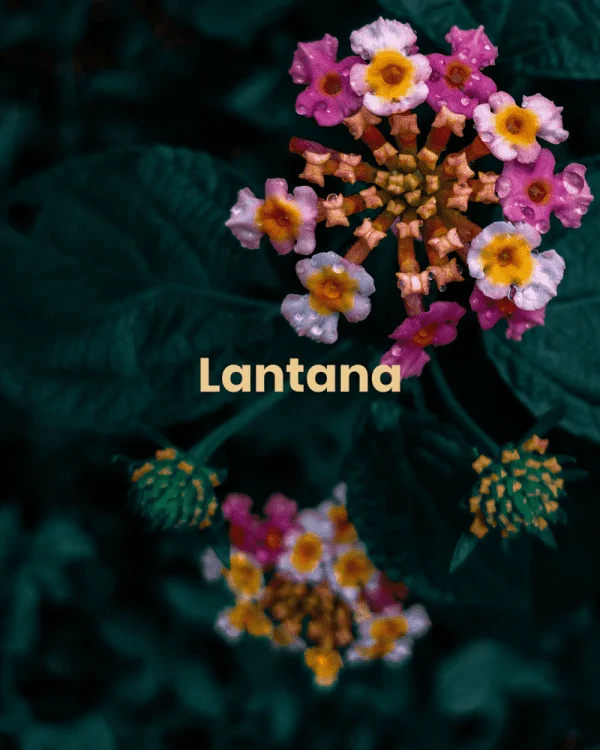
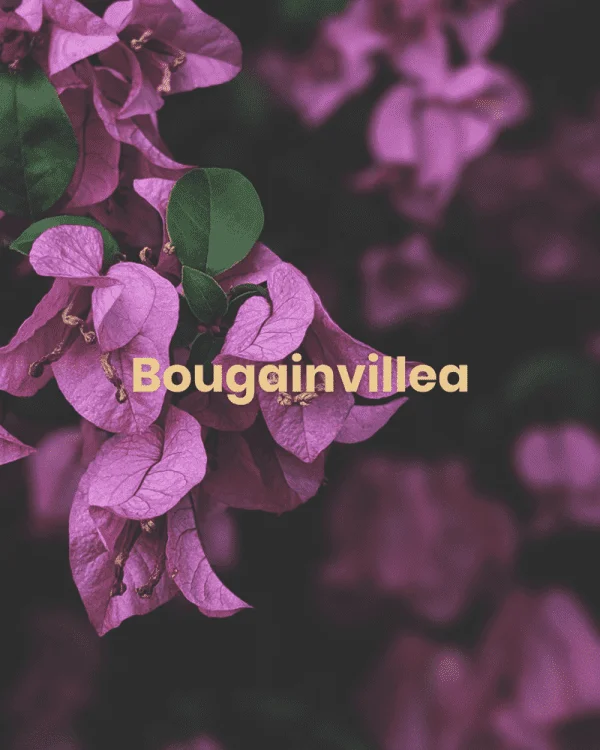
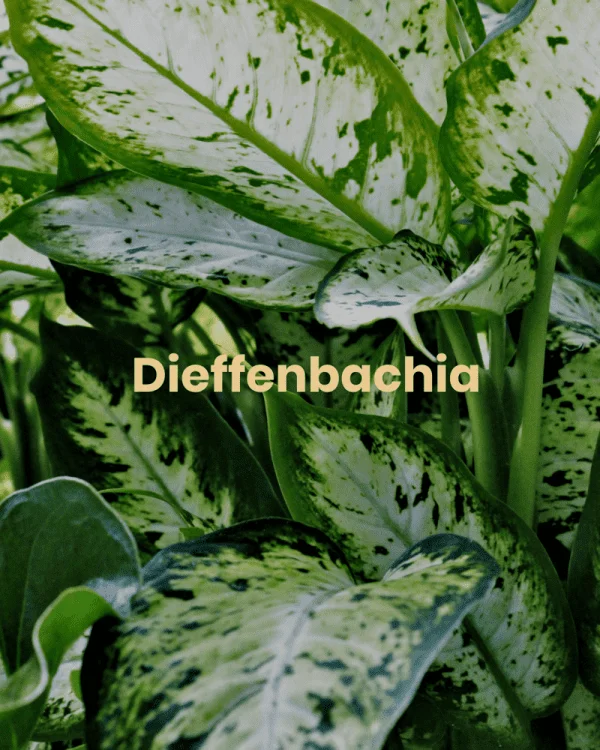
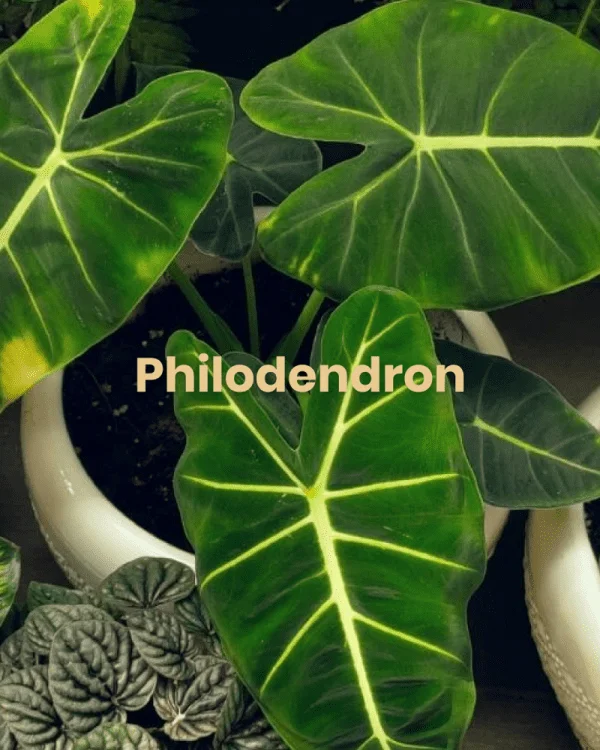
5 houseplants which are disruptive for our local ecosystem

When it comes to choosing houseplants for indoor gardens, exotic plants dominate the decision-making. However, these beautiful plants come at a cost – financially and environmentally.

Today we are uncovering top 5 exotic plants that are invasive in India. Exotic plants means plants that are introduced from foreign regions.

These are common houseplants that belong to different countries and have been cultivated in India to beautify our homes. In the process, they have also proven to disrupt and destroy local habitats in and around us.

These pretty plants are making our environment fragile due to their invasive nature – that means, they can reproduce at a greater speed than native plants, thus,

Making a conscious choice of creating gardens with local or indigenous plants can not just save costs but also our environment.