


Categories
blog Sustainability Sustainable Gardening Basics

Pal Talks November – December 2023

It is that time of the year when you wake up to a slight nip in the air. Your plants are gearing up for the seasonal changes. Growth eases out, leaves change their colour, start falling to increase defence mechanism in fall.

People’s craze for ‘rare’ and ‘exotic’ foreign plants is posing a threat to urban green covers and natural forests, nearly 66% of India’s natural systems are threatened by invasive plant species

3 things to look out in potted plants during this season

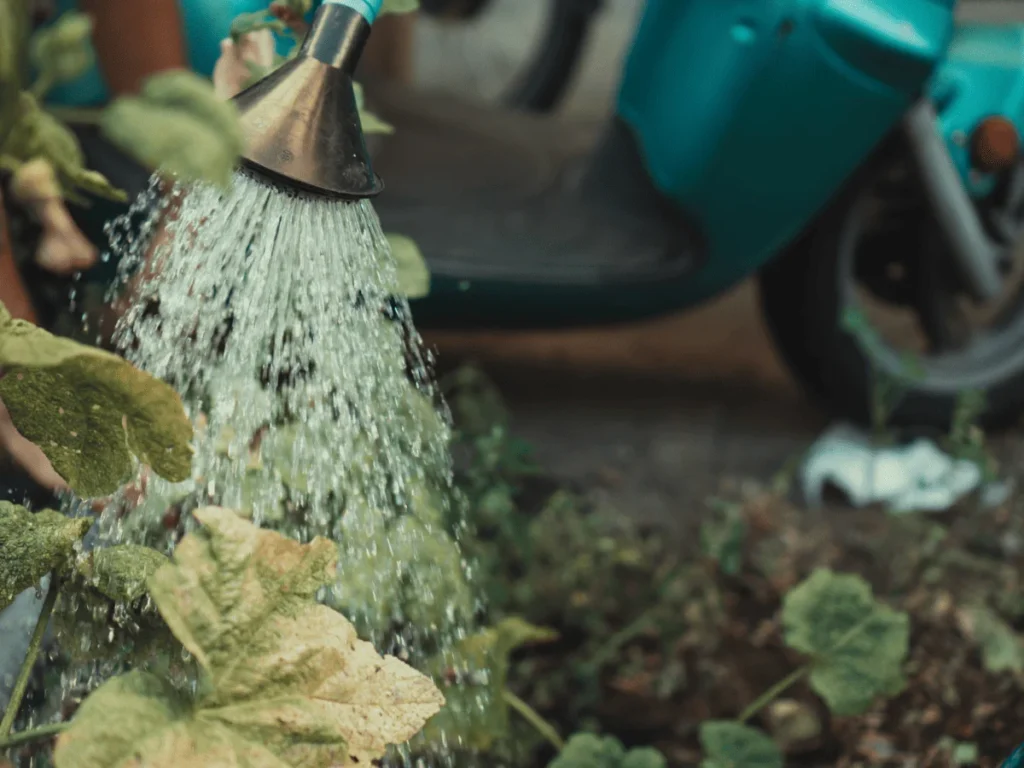
1. Water

Do not overwater your plants as temperature is cooler now. Check topsoil before watering.
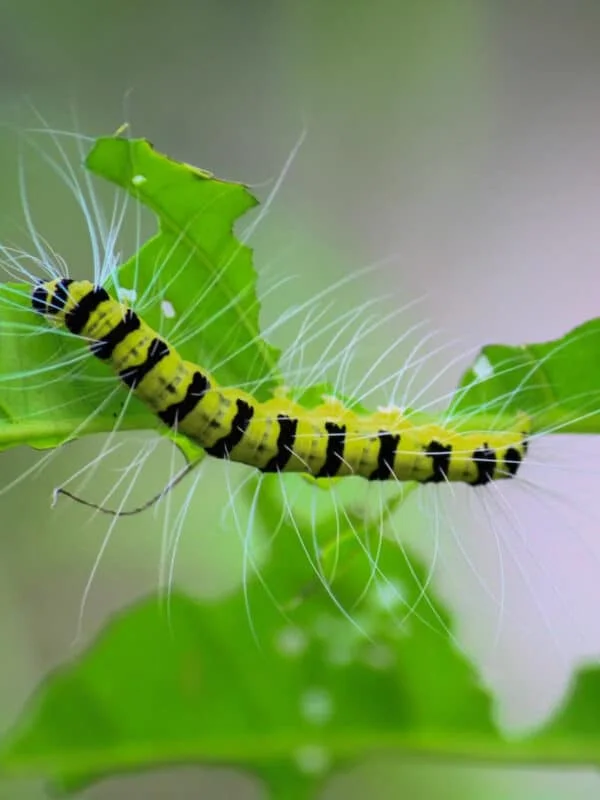
2. Fungus & pests

Dryness, excess water may increase fungus, spider mites, other leaf sucking pests.
3. Brightness

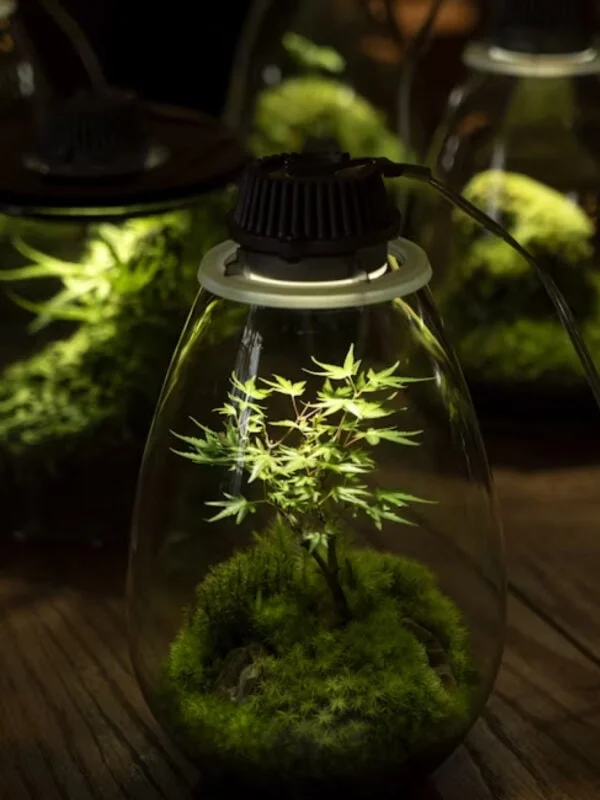
Shift plants in a warm, brighter spot or keep room lights on, especially during evenings.
Plant of the Month

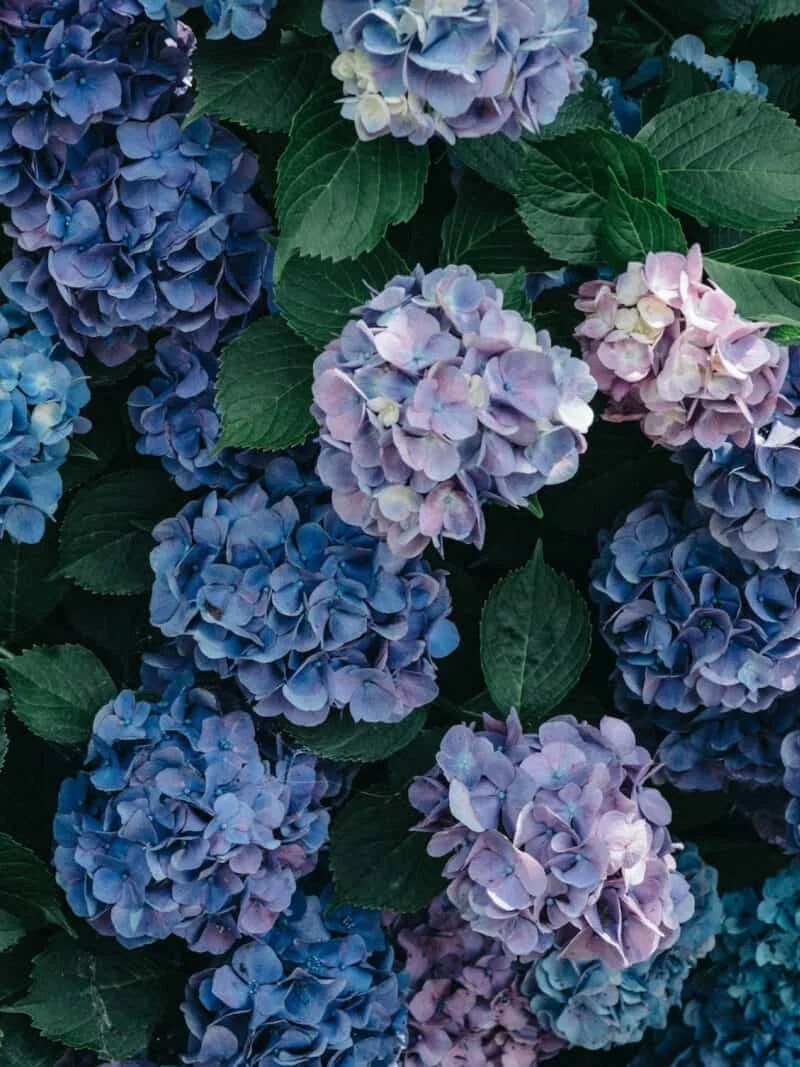
Hydrangea. A winter flower, hydrangeas come in different colours and sizes. For hedges or pots, this flower is a bouquet in itself.

DIY Fungicide

Make this easy decoction to fight fungal infections in plants. Mix and apply turmeric & cinnamon powders in equal parts and apply on topsoil.

Categories
blog Sustainable Gardening Basics

Why should housing societies invest in a sustainable garden?

An evening stroll in the garden and came back with an itchy skin? Your pet accidentally chewed on some leaves and felt uneasy? Maintaining the health, look of your garden is digging a hole in your pocket?
If any of the above scenarios read familiar to you, then it’s time to transform your society garden into a sustainable garden. As pretentious as it may sound, it is just about going back to our roots.
1) People-Friendly:
Since society gardens are used by everyone, especially the vulnerable – children, senior citizens, pets, one must be conscious of the plants being used in such spaces. A few plants are known to be highly toxic for the above groups such as Dieffenbachia, Lantana, Morning Glory, Croton, etc. Instead using native plants can create a safer space for all.
2) Environment-Friendly:
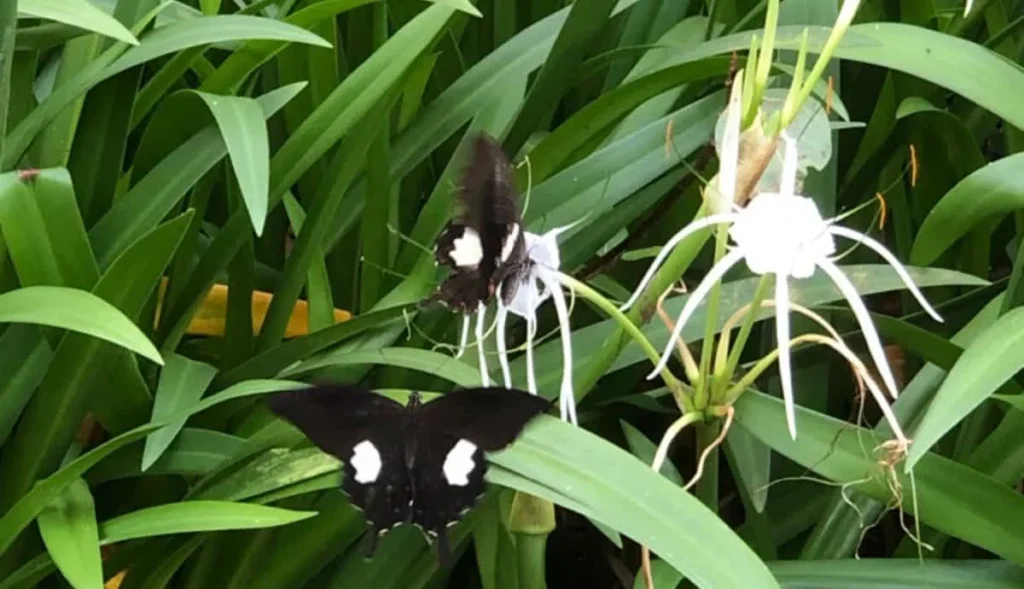
What is the purpose of a garden without its residents? The sight of butterflies and the melody of birds makes a garden pleasurable. By using chemical-free, organic fertilizers, pesticides or any other plant care materials, every small space can do its bit in protecting biodiversity. At the same time, using such natural products enhances soil health, longevity of plants and reduces its carbon footprint.
3) Pocket-Friendly:
Can we create a garden which is aesthetic and low on maintenance at the same time? Yes, of course. Replacing exotic plants with native / indigenous and hardy varieties can not only increase your garden’s lifespan but also reduce maintenance costs to a considerable extent. Native plants are well-adapted for our local climate. This means, they’re more resistant to pests – hence, reducing the use of pesticides. They contribute more towards soil nutrition – hence, reducing the use of fertilizers. They’re hardy in nature – hence, they tend to survive better in harsher weather conditions – hence, reducing the replantation efforts.
To sum up, the choices that we make in our gardens make them sustainable. Choices that put self-sustenance at the centre of garden design. Choices that create a balance between contemporary aesthetics and traditional wisdom.
If any of the above scenarios read familiar to you, then it’s time to transform your society garden into a sustainable garden. As pretentious as it may sound, it is just about going back to our roots.Be it the colours from flowers, the vibrancy from birds and butterflies, the joy of growing your own organic food or a cooler sense of surroundings, a garden has much more to offer than one can think. From improving our physical, mental, spiritual, emotional, to even social health, it can enhance our quality of life. Not just for us, but everyone around us.