
Categories
blog Native Plants of India

Son Champa: A perfume that spreads joy

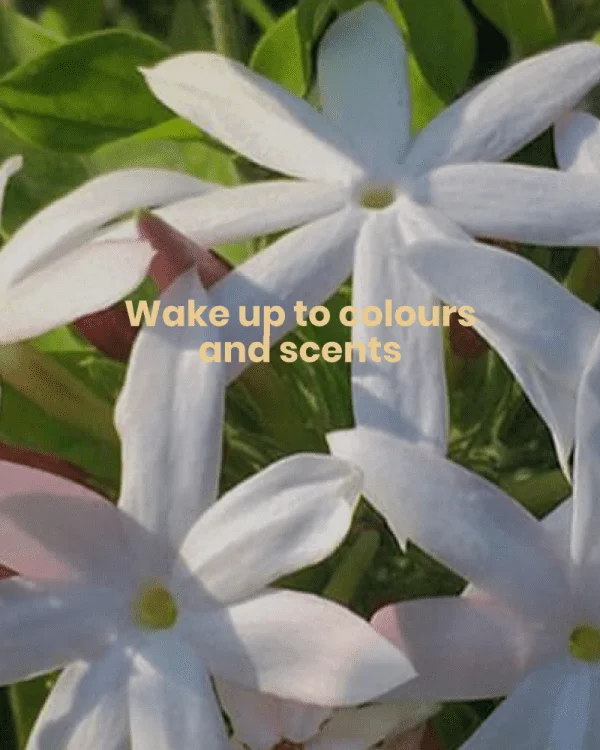
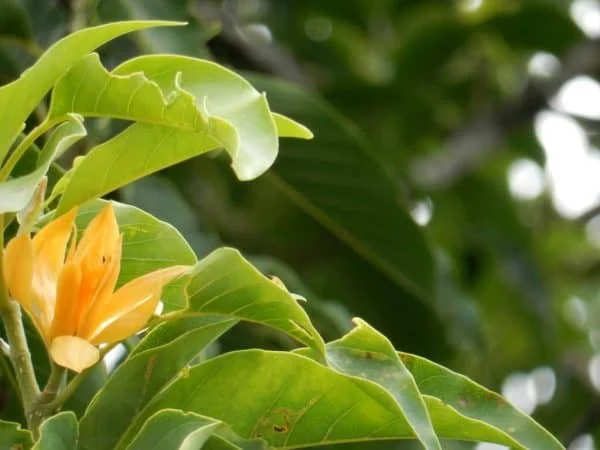
Magnolia champaca aka Son Champa or Son Chafa is a native tree of India, and is found in abundance throughout the country.

It is popularly known as the joy perfume tree in English due to its strong aroma and attractive yellow petals, which is a key ingredient in perfumery.

The flowering season usually starts from May and stays until December. From a large, evergreen tree to a bonsai shrub, Son Champa is one of the most fragrant and aesthetic flowers indigenous to India.

It holds immense ornamental, medicinal and religious values. From anti-cancer to antimicrobial, antioxidant properties, Son Champa is an all-rounder plant to ensure one’s wellbeing. In Indian scriptures, Son Champa is revered as a sacred and divine flower. From Lord Vishnu to Lord Krishna, son champa finds it way in almost all mythological stories in India.
Categories
blog Native Plants of India

Tarwar: The miracle flower

Tarwar – The miracle flower
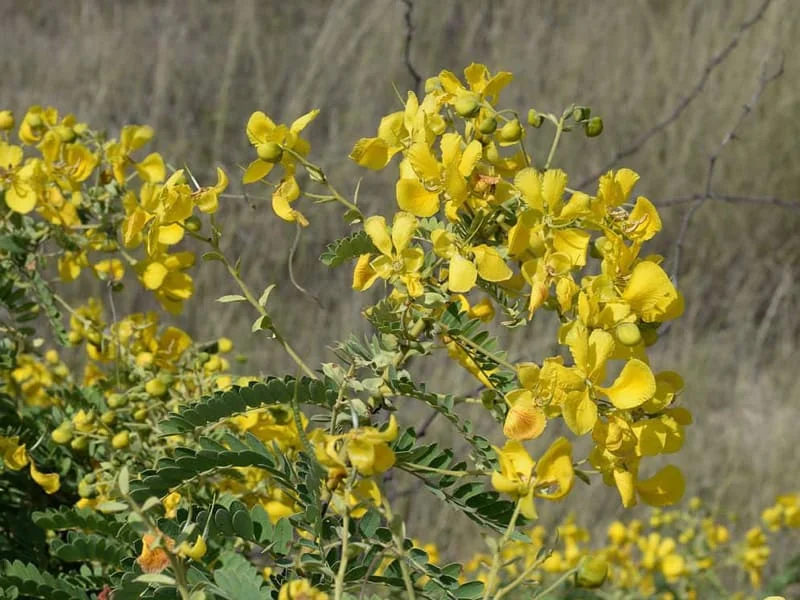
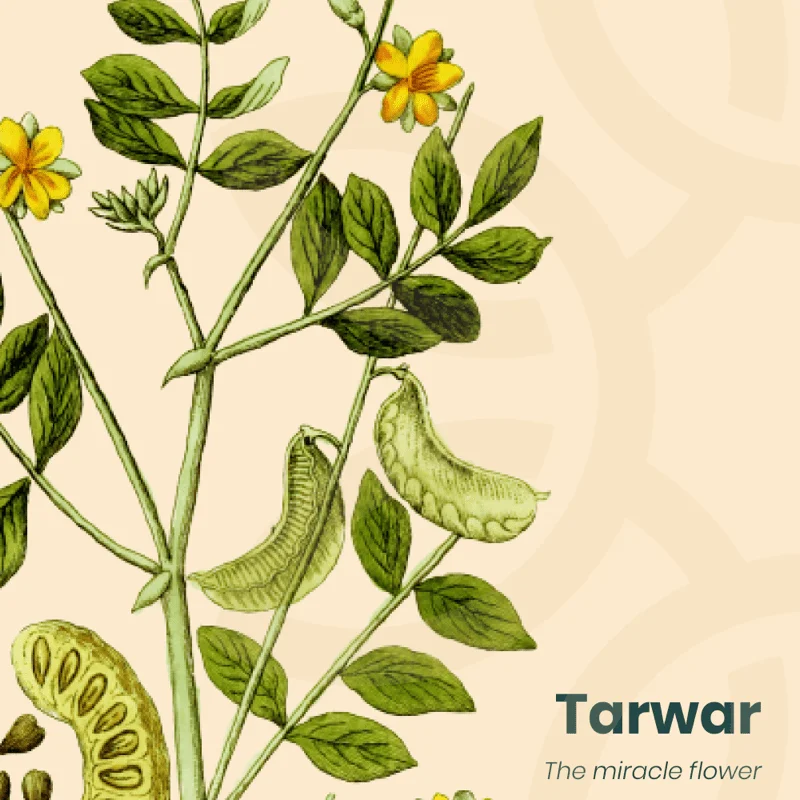
Tarwar (Senna auriculata) is a miracle plant. It is popularly known as Avartaki, Avarampoo, Tanner’s Cassia. Bright yellow flowers, medicinal values, and an evergreen foliage, defines this humble plant
Found widely growing in the dry zones of peninsular India as far as the northern parts of Rajasthan, Tarwar is an extremely hardy plant. It can survive the harshest weather conditions.
Grown as a hedge plant, it is typically found along roadsides and various other open degraded habitats and in scrub forests, usually on stony, dry or sandy soils.
Tarwar is widely used a a household medicinal plant from being an antiseptic to treating skin disorders. In Ayurveda, the root of this plant is used in a decoction for fevers, diabetes, diseases of the urinary system and constipation.
Categories
blog Native Plants of India

3 native plants to style corners

Want to create an Instagramable living room? Try integrating a few tall, statement plants in the corners of your homes.

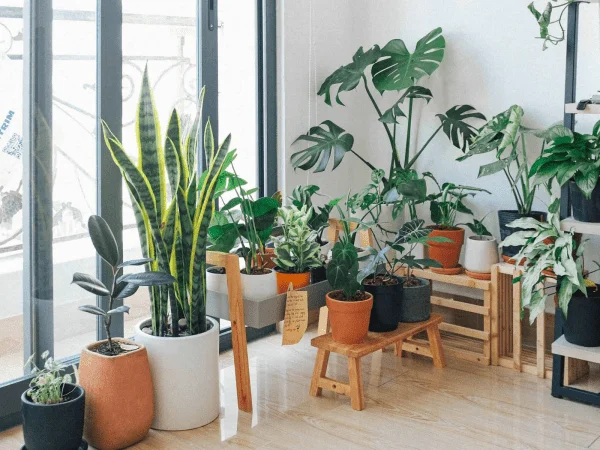
Plants can brighten up any space, if placed in the right setting. Be it bonsais that make an extraordinary addition to one’s house or simple palms, plants have the potential of making any corner lively.

While doing so, choose low-maintenance and hardy plants so that they can survive in indirect light.

Here are a few native plants that can help you achieve a stylish and sustainable corner.

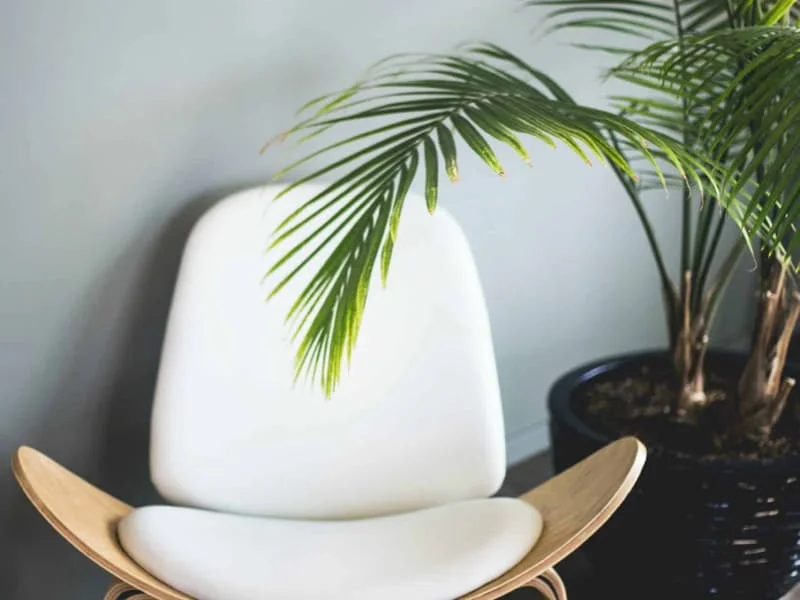
Palms

There’s a lot of variety in palms that you could choose from. However, the ultimate favourite of all time remains Areca Palm, Raphis Palm, etc.

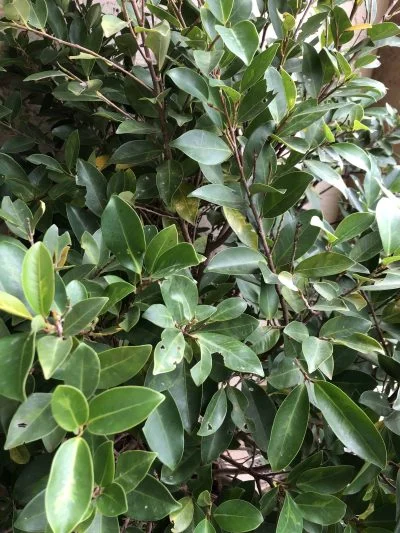
Ficus

Comes in different sizes, shapes, colours. Weeping Fig, one of the most popular houseplants, is making a serious comeback in our homes.

Schefflera

It is one of the most under-rated plants. It can really brighten up your corners with its interesting umbrella shaped leaf pattern and strong stem structure.

Categories
blog Native Plants of India

3 native plants for styling living rooms

Who doesn’t like large, life-sized plants touching their roof? Plants have become central to home decor and tall plants help make a style statement.

However, the choice of plants can make or break this feeling. While exotic plants look beautiful, they’re often require high maintenance. Fragile root systems, watering issues and pest attacks are more rampant in exotic plants than native varieties.

Native varieties on the other hand, not only help your spaces look evergreen but also reduce maintenance stress for you. Additionally, such plants are versatile and can survive in almost any light condition, indoor or outdoor.

For instance, rubber plants, palms, ficus can thrive inside your house in indirect light and can also do well in your balcony in full sunlight. They adjust to their surroundings way faster than the exotic species.

Here are a few native plants that are low maintenance and can help you make a statement.

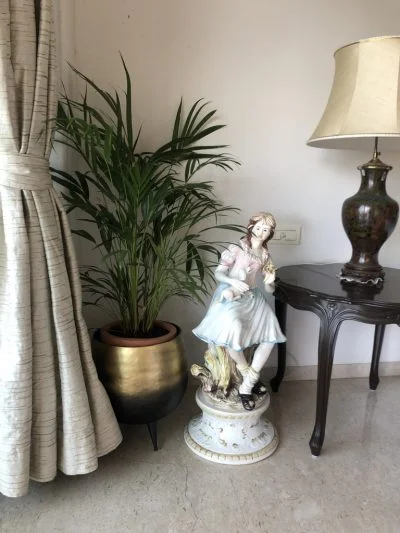
Areca Palms

It is the ultimate versatile and low-maintenance plant for living rooms. Keep it anywhere from direct sunlight to indirect bright light, and it shall thrive.

Ficus

Weeping Fig one of the most popular houseplants is making a serious comeback in our homes. Use it as a bonsai or tall, bushy plant.

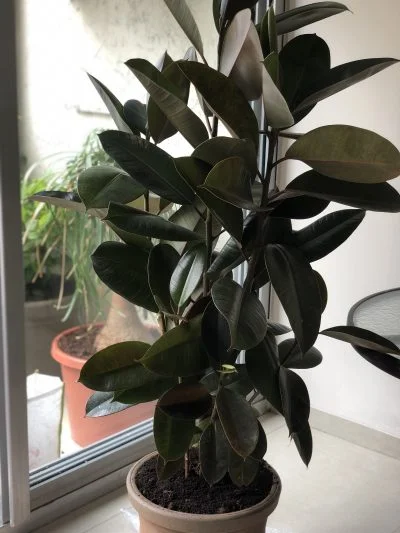
Rubber Plant

Comes in several sizes, shapes as well as colours. However, the elastica variety is one of the most spectacular and hardy ones among all.

Categories
blog Native Plants of India Sustainable Gardening Basics

5 native flowers to bring home this winter

Winters in Mumbai may not be as harsh as the northern cities. However, they could be the same for plants. The cold weather brings its own set of challenges for plants. With pest attacks such as the powdery mildew, mealy bugs, white flies, etc, plants are more prone to diseases and decay in winters than any other season.

Hence, while adding plants to your garden, choose a mix of both evergreen and seasonal flowers. This way you can keep your garden colourful and lively at all times.

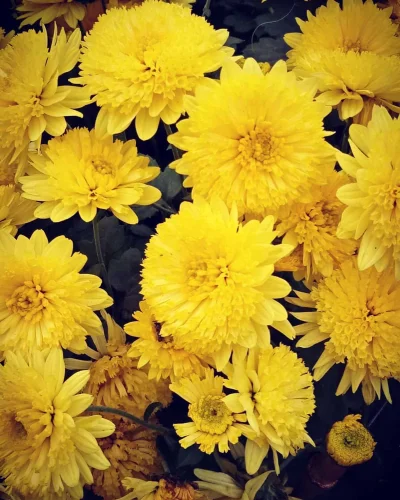
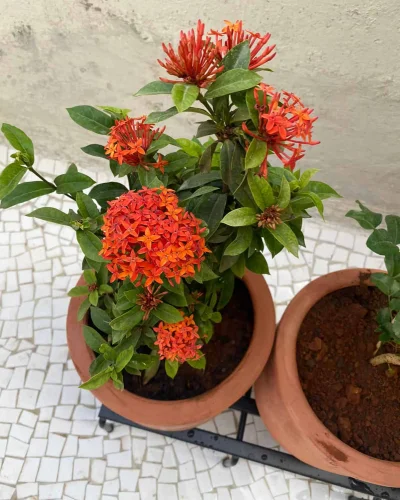
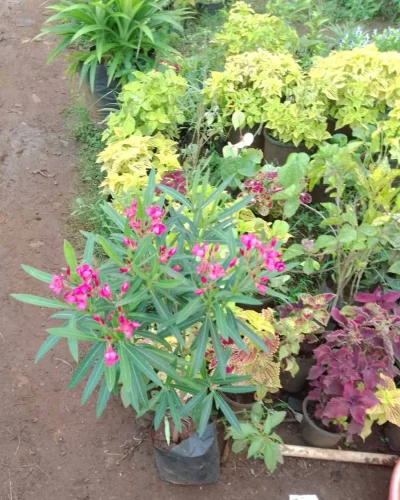
When it comes to perennial flowering plants, you can opt for Orchids, Kaner, Ixora, Roses. On the other hand, winter blooming flowers such as Sevanti or Chrysanthemums, Kalanchoe, Begonia, Hydrangeas can add vigour to your garden.

These native flowers are not just hardy in nature but beautiful in blooms and foliage. So go on and bring them home now!
Categories
blog Native Plants of India

5 houseplants which are disruptive for our local ecosystem

When it comes to choosing houseplants for indoor gardens, exotic plants dominate the decision-making. However, these beautiful plants come at a cost – financially and environmentally.

Today we are uncovering top 5 exotic plants that are invasive in India. Exotic plants means plants that are introduced from foreign regions.

These are common houseplants that belong to different countries and have been cultivated in India to beautify our homes. In the process, they have also proven to disrupt and destroy local habitats in and around us.

These pretty plants are making our environment fragile due to their invasive nature – that means, they can reproduce at a greater speed than native plants, thus,

Making a conscious choice of creating gardens with local or indigenous plants can not just save costs but also our environment.

Categories
blog Native Plants of India

Flower of the month – Lotus – June

Lotus

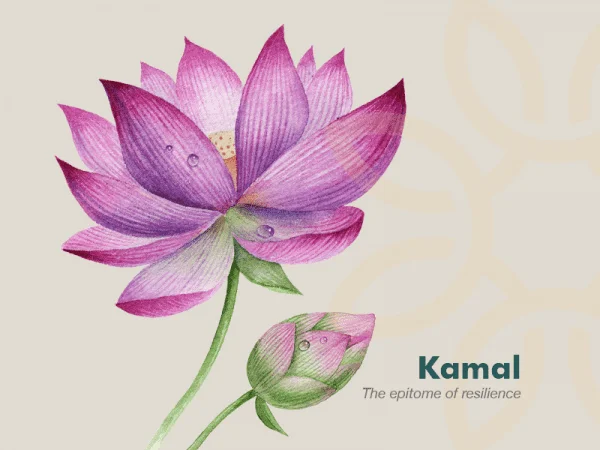
Popularly known as the god’s own flower, Lotus (Nelumbo Nucifera) marks the onset of Jyeshtha ritu in India. From its beautiful pink, white petals to its stems and roots, the lotus is considered to be one of the most important flowers in the country.

This delicate flower has touched several walks of life from architecture to textile, botanicals to recipes. Even in this century, lotus continues to inspire design in every aspect.

It also symbolizes various aspects for different cultures. In ancient Egypt, it was considered to be a symbol of sun, rebirth and creation because of its unusual behaviour which marks the beginning and the end of the day.

For Asian communities, it continues to a symbol of wealth, prosperity, purity and fertility. Its unique traits of submerging every night into river water and miraculously re-blooming the next morning, sparklingly clean is a symbol of hope to many.
Its stems known as Kamal Kadki in Hindi or Lotus Roots in English is used to prepare several delicacies in Asian cuisine.