
Categories
blog Sustainable Gardening Basics

Did you know? Plants love terracotta

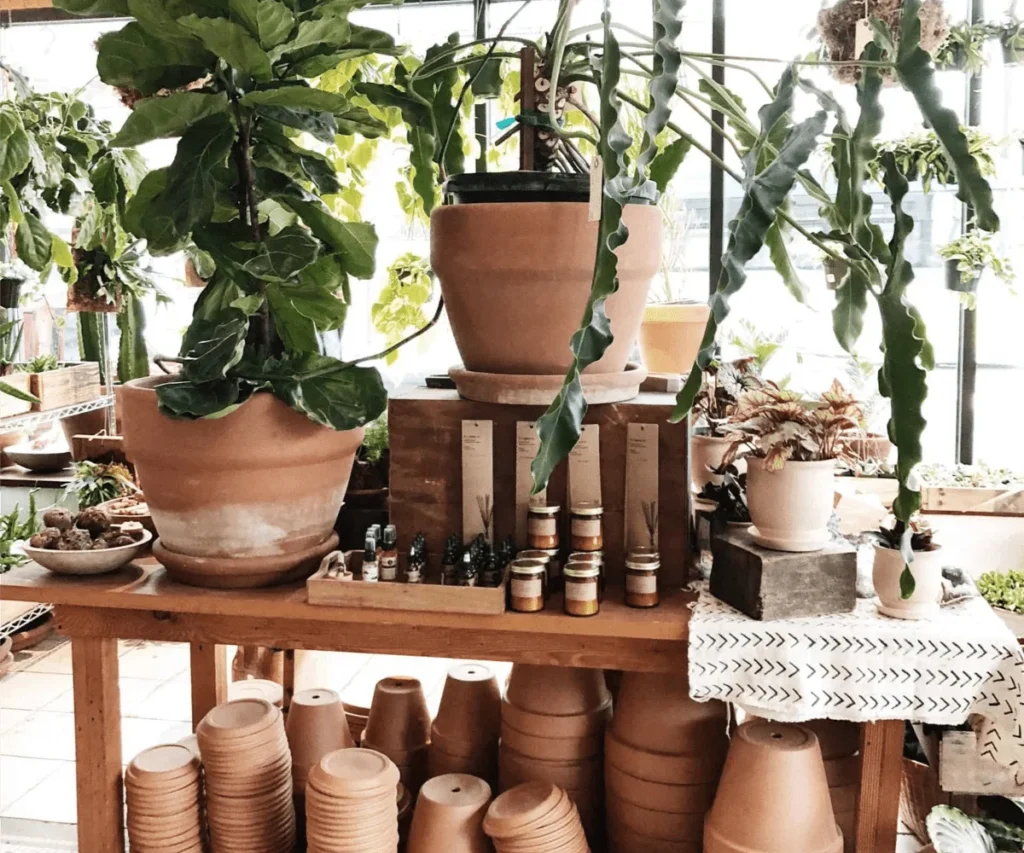
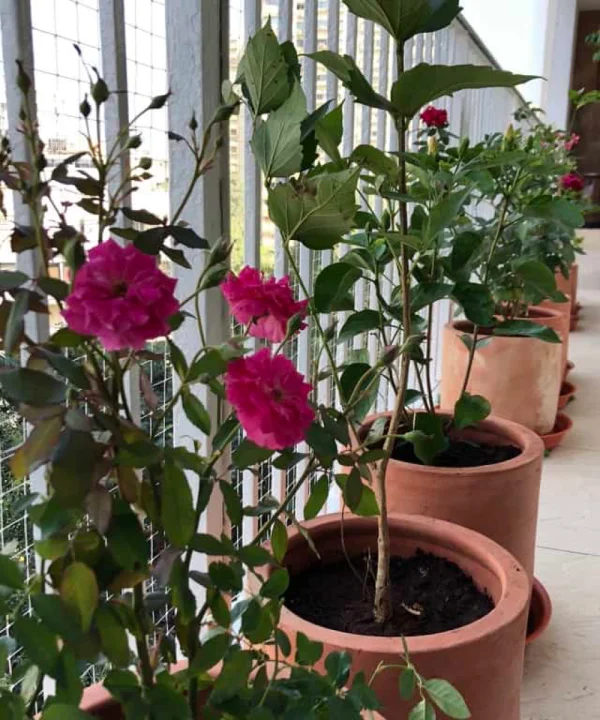
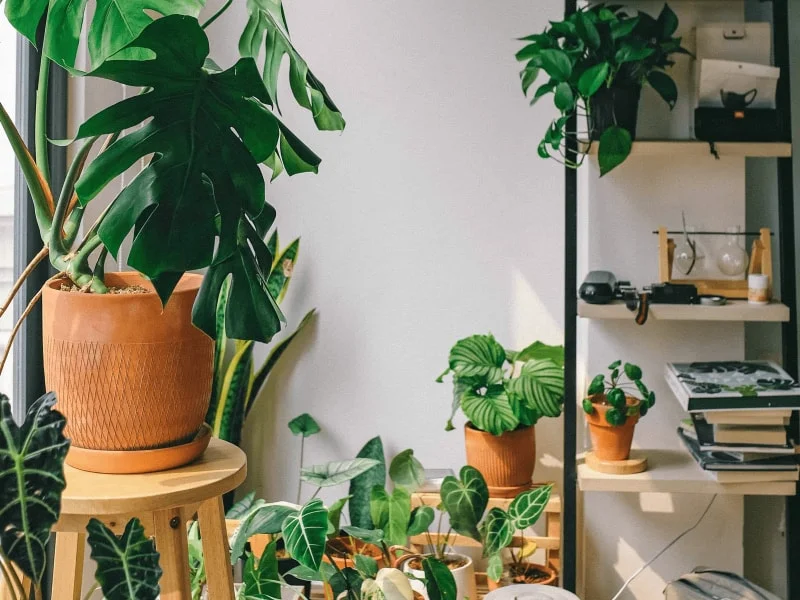
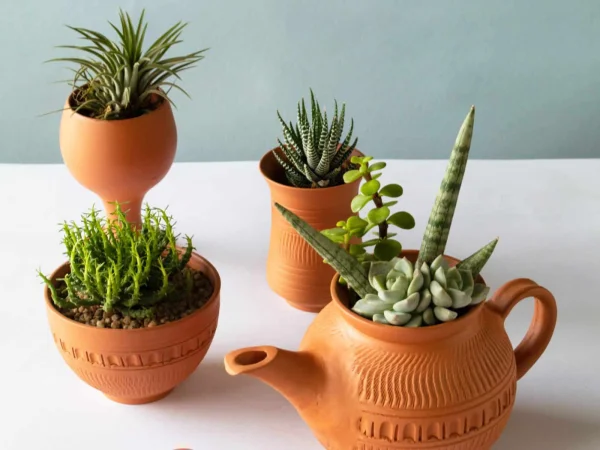
Planters are made out of natural clay are both plant and environment-friendly. Such material is breathable and adjusts as per the outside temperature. In short, plants love and thrive in terracotta v/s other materials. However, they come with their own pros and cons.

Water and air circulation is better in terracotta

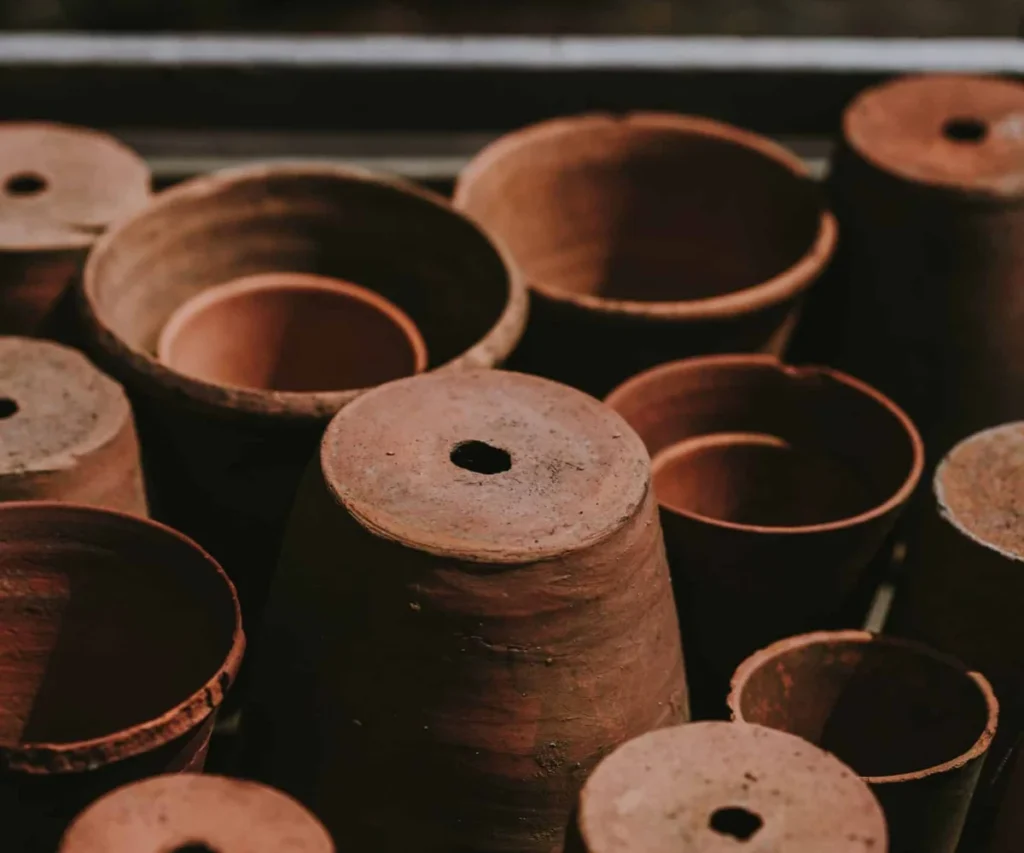
The high porosity in terracotta planters allows for air and water to move through the walls. This keeps the plant healthy from root rots, soil erosion, etc.

Terracotta materials also reflects the outside temperature very easily. Hence, problems related to watering can be easily noticed in such planters.

Natural look and patina makes it more desirable

The colour of clay combined with the white deposits on the outer surface can outshine any other material.

In different regions around the world, clay colour can differ from reddish brown to white and even black in a few cases. You can also give it your creative spun
Being a natural material, it is prone to wear and tear

Since terracotta planters are made of natural clay, they’re delicate and can break or crack.

Long exposure to water can bring a deposit of fungus on the outer layer. However, it can be scraped or washed once the temperature is dry enough with a cloth or tissue.
Categories
blog Sustainable Gardening Basics

Myths v/s Facts: Bigger the better

Myth:

Size of pots determine plant growth.

Can we create a garden which is aesthetic and low on maintenance at the same time? Yes, of course. Replacing exotic plants with native / indigenous and hardy varieties can not only increase your garden’We often, think that our plants need more space than they have currently. Larger and bigger the pots, proportionate will be the plant’s growth.

Especially, potted houseplants need more space to grow. This may not be necessarily and entirely true.s lifespan but also reduce maintenance costs to a considerable extent. Native plants are well-adapted for our local climate. This means, they’re more resistant to pests – hence, reducing the use of pesticides. They contribute more towards soil nutrition – hence, reducing the use of fertilizers. They’re hardy in nature – hence, they tend to survive better in harsher weather conditions – hence, reducing the replantation efforts.

Fact:

It is important to choose the right size and kind of planters depending on the plants you have.

Every plant has a different root system. Some grow deep, some remain shallow.

When smaller plants are given extra large planters, they may in fact not survive owing to dispersal of water in the soil. Hence, understanding the space requirement for plants is very crucial for their healthy development.

One easy tip to check if your plants need more space – tilt your pot and check underneath for any roots coming out of the hole. If yes, then your plant is wanting to be repotted in a slightly larger planter. If no, then it is okay with its current home!

For instance, Orchids like airy planters while palms can remain pot bound for a very long time. For shallow rooted plants such as houseplants or indoor plants small sized and wide shaped planters would do just fine.

However, for deep rooted and fast growing plants such as flowers, edibles, etc you must invest in deep or tall height planters.

So before, you start repotting your houseplants, look at the signs and choose the planters wisely.

Categories
blog Sustainable Gardening Basics

FAQ: Where can I get sustainable gardening products?

The answer is simple and within your reach. To create a garden with sustainable materials, you don’t have to travel far.

Buying these products online will certainly give you a variety to choose from. However, longevity and sustainability – especially in the case of plants, remains highly doubtful.

For example, when you buy plants online, they travel from various locations outside the city. The time spent in transit from one location to the other in a cardboard box pushes the plant into shock. By the time it reaches your doorstop, it has already suffered the long journey and transplanting in a new environment becomes lesser conducive.

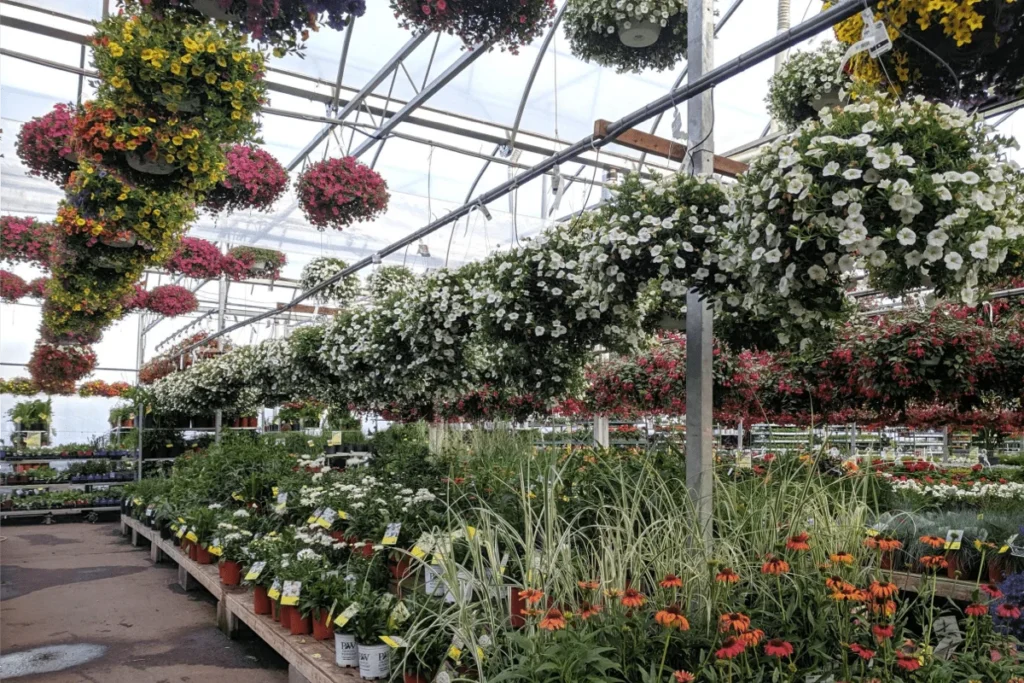
When it comes to plants, always buy from a local nursery or plant store. It not only ensure good health of the plant but also reduces cost of transportation, carbon emission etc. Plus the entire experience of visiting nursery itself is fulfilling.

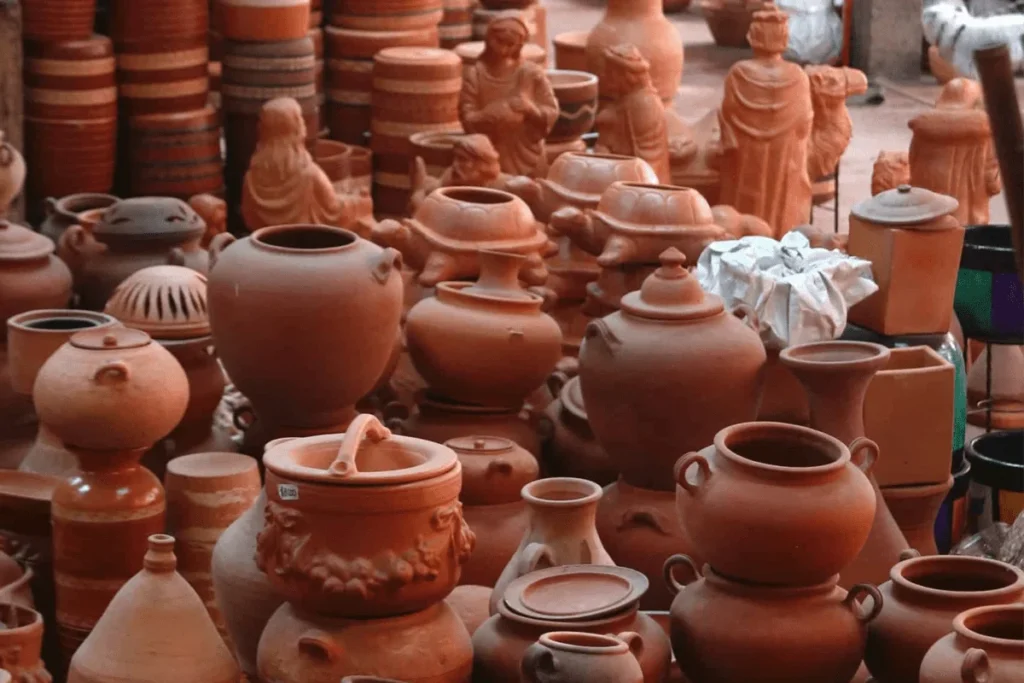
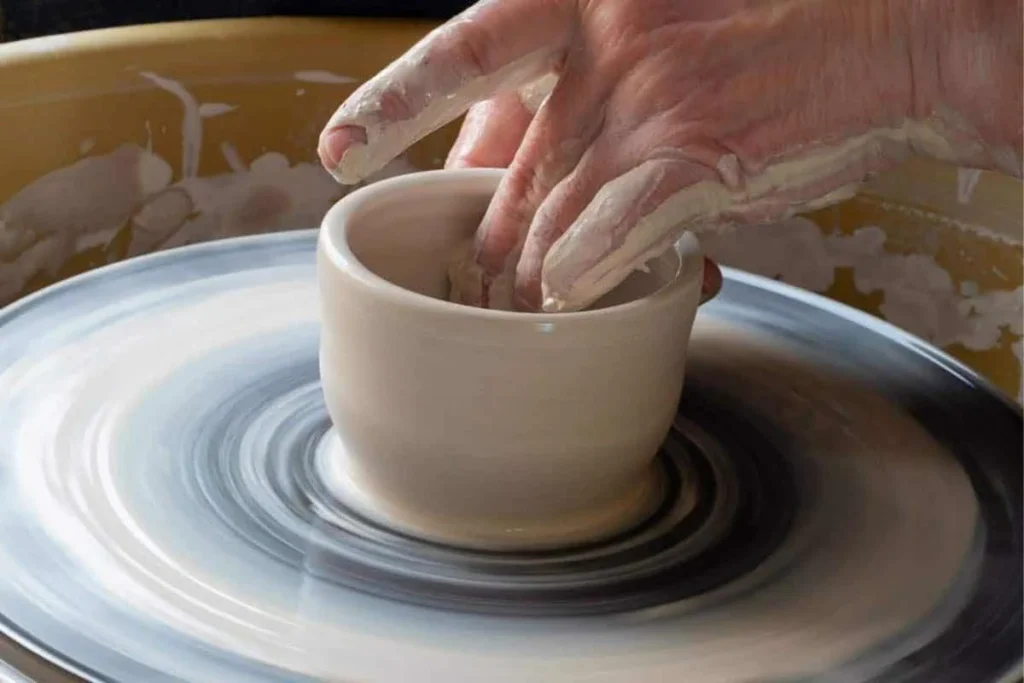
Same applies for planters. Each city in India from Mumbai, Delhi, Bangalore, Kolkata, Ahmedabad is filled with skilled pottery artisans. Visit any local pottery hub to acquire some unique terracotta planters for your garden.

To sum up, here are two interesting ways
of making your garden sustainable.

Go local

Buy terracotta planters from local pottery artists, native plants from local nurseries, and other gardening materials from local stores.

Not only it will save you the transportation and packaging hassles but you may just find artistic and real products too.

Up-cycle

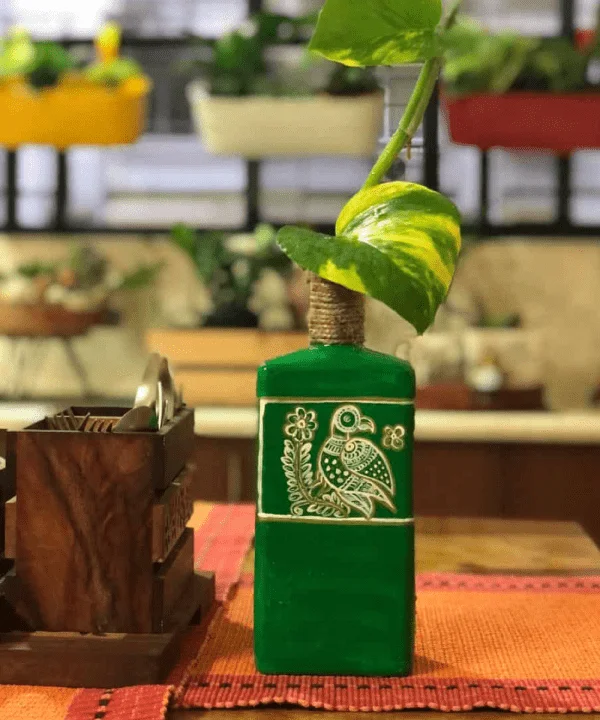
Reuse, recycle some of your junk / used products into interesting planters. Using empty plastic bottles, glass jars, tin boxes, can be made to grow plants that do well in water and lesser soil.

From money plants to kitchen herbs, such planters can help you make your own style statement.
Needless to mention, we will be happy to assist you in your quest to make your garden fully sustainable by recommending local partners who can fit the bill.
Categories
blog Sustainable Gardening Basics

Myths v/s facts: mosquitoes and plants

One of the most debated topics in indoor gardening is that plants are responsible for inviting mosquitoes in homes. Let’s explore the myth and fact behind this.

Myth: Plants attract mosquitoes

Potted plants especially, indoor plants attract mosquitoes. Hence, it is not advisable to keep plants at home.

Fact: Water stagnation attracts mosquitoes

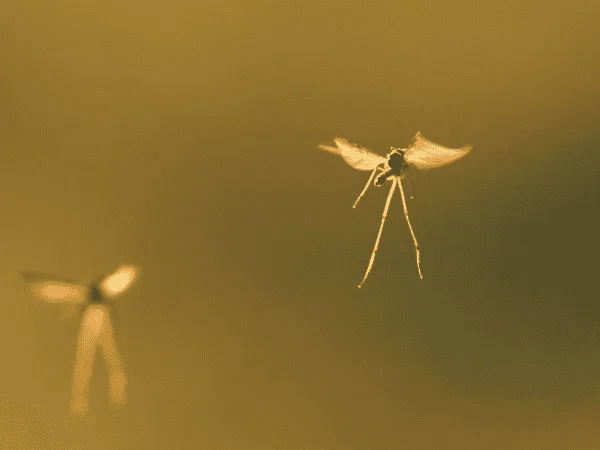
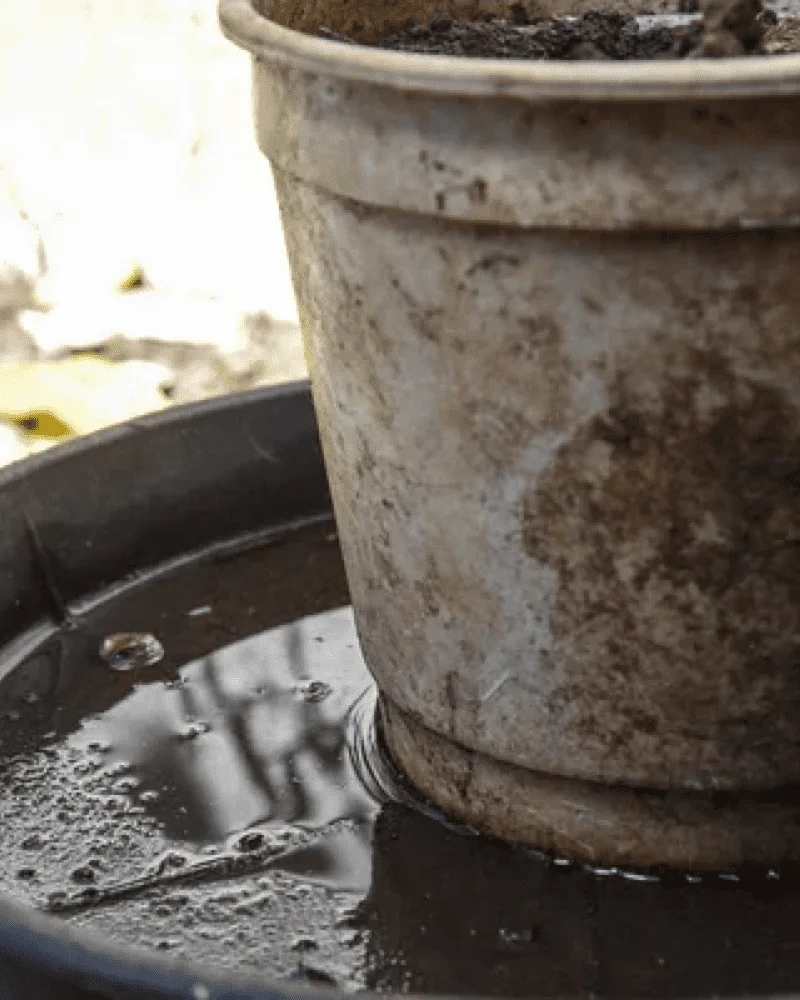
Mosquitoes get attracted to water that gets accumulated in trays or planters. Such conditions create their breeding zones.

In houseplants, mosquitoes are usually uncommon. However, they may develop if plants are kept in stagnated or standing water for a long period of time. Such conditions can avoided by maintaining a few simple cleanliness routines.

While watering plants, especially during monsoons, one must ensure to avoid overwatering the plants. Remove trays / plates if your plants are kept outdoors in direct rainfall. For indoor plants, reduce overall watering in a way that it doesn’t overflow in the tray.

If you’ve aquatic plants in urlis or artificial ponds, do not forget to add fish to have a mosquito-free zone. They will prevent any breeding activity, thus keeping the water clean at all times.

Observing hygiene in garden especially, for indoor plants can keep all sorts of insects, pests at bay – for you and your loved ones – plants included.
Categories
blog Sustainable Gardening Basics

How sustainable gardening can help reduce negative impact on our environment

Nature has not only decided the birthplace of every plant but also its family and friends who can depend on it. Even the external surroundings and habitat which will provide ensure its growth and development has been well planned for them.

Native plants require lesser time and resources as they have spent centuries learning and adapting to the local environment and growing conditions. They also tend to be healthier and stronger thus, reducing the risk of withering or premature dying, falling, pest attacks, frequent maintenance among other aspects. More importantly, most native plants in India have immense medicinal and healing qualities that benefit the gardeners, in turn.

However, sustainable gardening isn’t about native plants alone.

However, sustainable gardening isn’t about native plants alone.It combines knowledge of resource optimization and conservation with natural gardening practices. Native plants are just a part of it. Sustainable gardening encompasses these five elements:
1. Soil
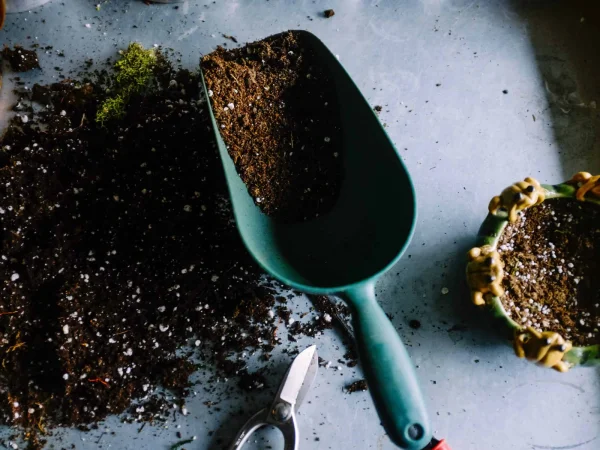
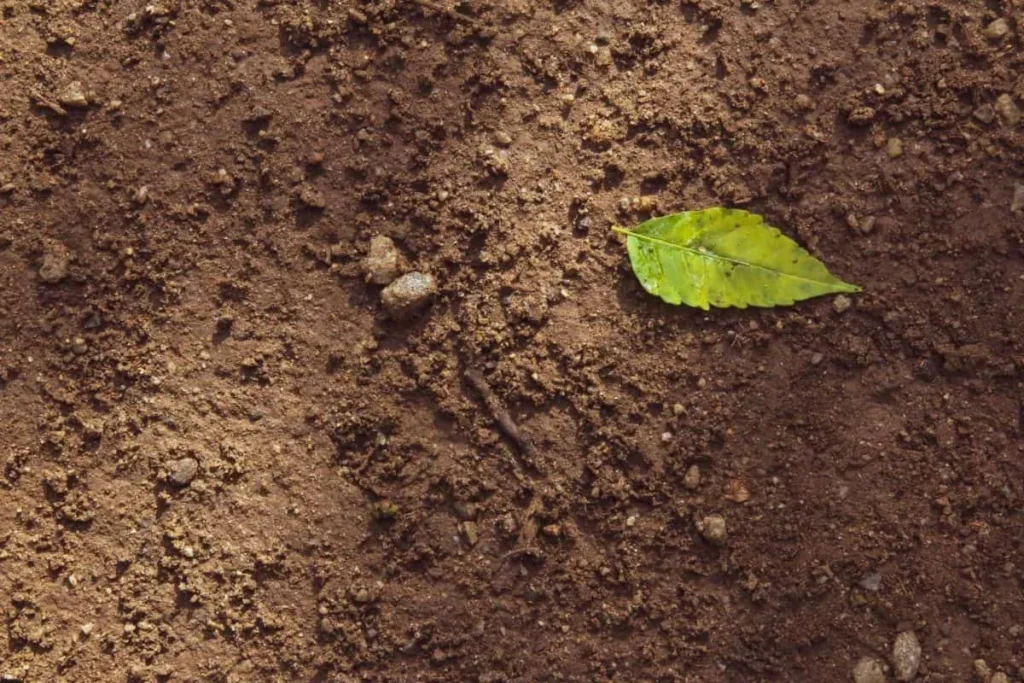
Healthy soils produce healthy plants. Healthy soil is full of organisms that turn organic matter and minerals into vital plant nutrients. When the soil is healthy, the need to apply fertilizers to boost plant growth is minimized.
2. Water

Drinking water is a precious resource that, in many parts of the country, is in short supply.

Optimizing the water application techniques such as designing water-thrifty gardens can help reduce burden on our water resources.

3. Material
To be truly earth-friendly, it makes sense to think sustainably beyond plant selections — about the other parts of a garden, such as planters, raised beds, pathways, fences, and outdoor furniture.
4. Biodiversity
Wilderness is disappearing at an alarming rate. Supporting a natural ecosystem is something that home gardeners can do to combat loss of plant and animal species.
5. Plants

Native plants are adapted to the local climate and soil conditions where they naturally occur.

In addition to supporting pollinators and other wildlife, native plants are inherently sustainable as they require less watering and fertilization than most non-natives.

They also have significant medicinal importance & are being used in traditional therapeutic systems like Ayurveda for thousands of years in India.
Besides the above, a sustainable garden maintains the natural look of landscape with the systematic growth of plants. It also spreads the message of nature conservation by protecting local flora of the region.