
Categories
blog Sustainable Gardening Basics

Did you know? Plants love terracotta

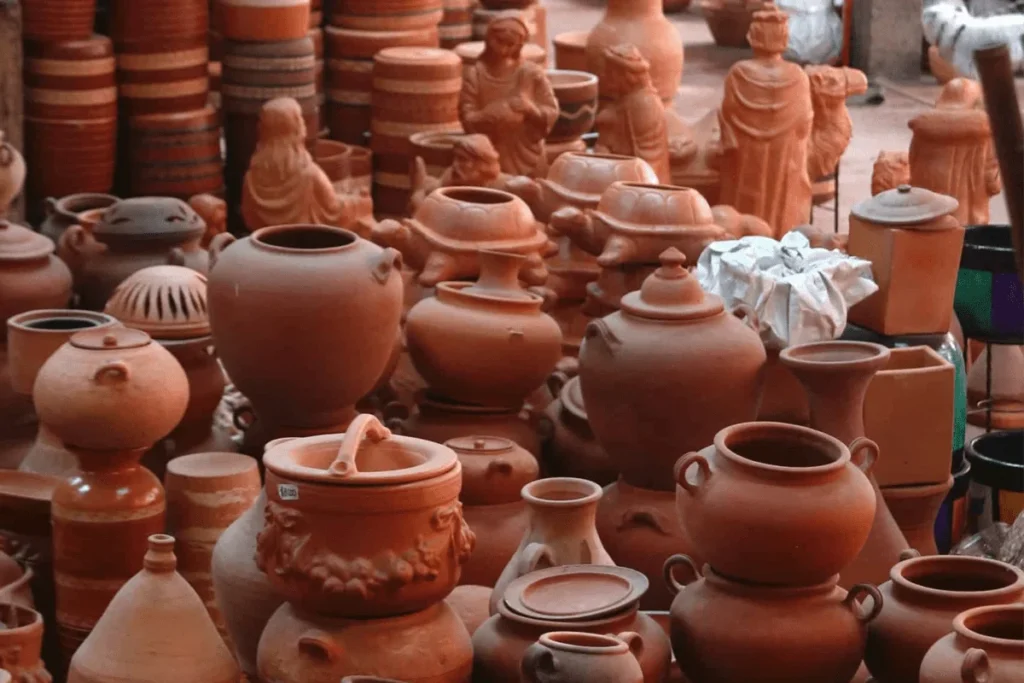
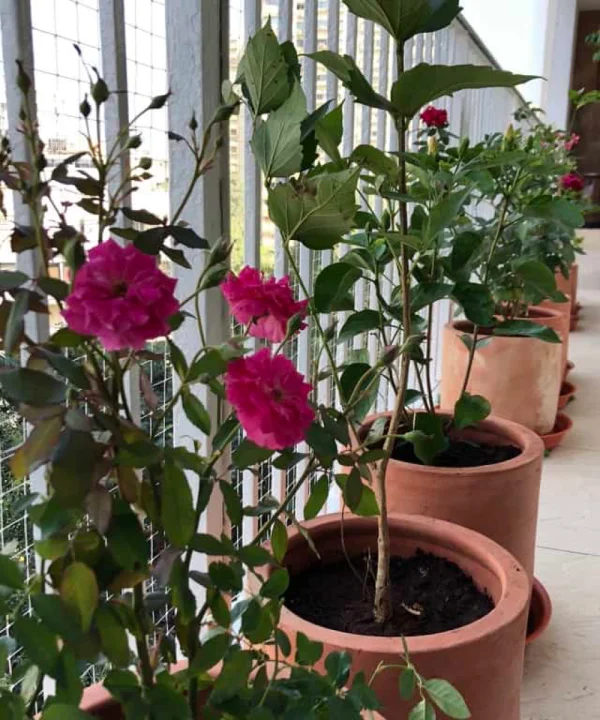
Planters are made out of natural clay are both plant and environment-friendly. Such material is breathable and adjusts as per the outside temperature. In short, plants love and thrive in terracotta v/s other materials. However, they come with their own pros and cons.

Water and air circulation is better in terracotta

The high porosity in terracotta planters allows for air and water to move through the walls. This keeps the plant healthy from root rots, soil erosion, etc.

Terracotta materials also reflects the outside temperature very easily. Hence, problems related to watering can be easily noticed in such planters.

Natural look and patina makes it more desirable

The colour of clay combined with the white deposits on the outer surface can outshine any other material.

In different regions around the world, clay colour can differ from reddish brown to white and even black in a few cases. You can also give it your creative spun
Being a natural material, it is prone to wear and tear

Since terracotta planters are made of natural clay, they’re delicate and can break or crack.

Long exposure to water can bring a deposit of fungus on the outer layer. However, it can be scraped or washed once the temperature is dry enough with a cloth or tissue.
Categories
blog Sustainable Gardening Basics

FAQ: Where can I get sustainable gardening products?

The answer is simple and within your reach. To create a garden with sustainable materials, you don’t have to travel far.

Buying these products online will certainly give you a variety to choose from. However, longevity and sustainability – especially in the case of plants, remains highly doubtful.

For example, when you buy plants online, they travel from various locations outside the city. The time spent in transit from one location to the other in a cardboard box pushes the plant into shock. By the time it reaches your doorstop, it has already suffered the long journey and transplanting in a new environment becomes lesser conducive.

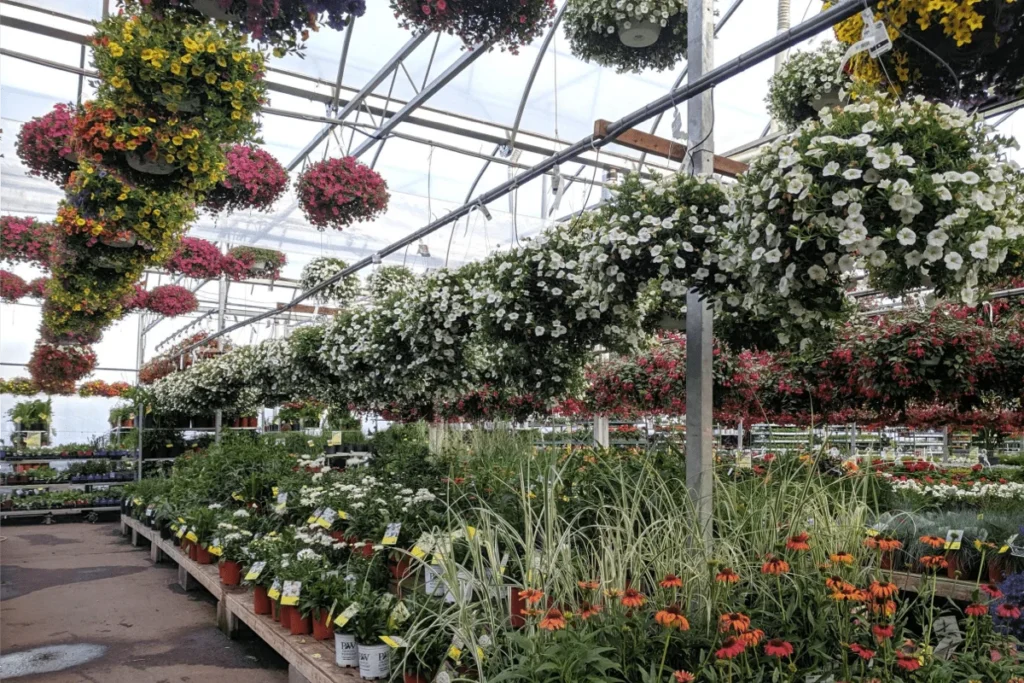
When it comes to plants, always buy from a local nursery or plant store. It not only ensure good health of the plant but also reduces cost of transportation, carbon emission etc. Plus the entire experience of visiting nursery itself is fulfilling.

Same applies for planters. Each city in India from Mumbai, Delhi, Bangalore, Kolkata, Ahmedabad is filled with skilled pottery artisans. Visit any local pottery hub to acquire some unique terracotta planters for your garden.

To sum up, here are two interesting ways
of making your garden sustainable.

Go local

Buy terracotta planters from local pottery artists, native plants from local nurseries, and other gardening materials from local stores.

Not only it will save you the transportation and packaging hassles but you may just find artistic and real products too.

Up-cycle

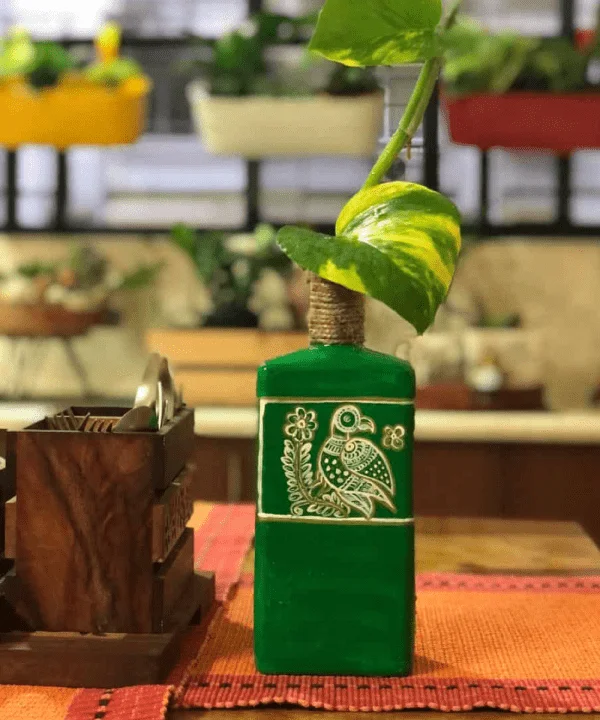
Reuse, recycle some of your junk / used products into interesting planters. Using empty plastic bottles, glass jars, tin boxes, can be made to grow plants that do well in water and lesser soil.

From money plants to kitchen herbs, such planters can help you make your own style statement.
Needless to mention, we will be happy to assist you in your quest to make your garden fully sustainable by recommending local partners who can fit the bill.
Categories
blog Sustainable Gardening Basics

Microblog Series: 3 things that make your plant happy

Plants may not be demanding your attention most times. However, like us, they also need suitable environment to flourish and grow in life. A little insight in their likes and dislikes can help you cultivate a happy and healthy garden.

Here’s a list of three basic and simple routines that are beloved to your indoor and outdoor plants:

Planters that are made out of natural clay are both plant and environment-friendly. Such material is breathable as it allows oxygen’s inflow and outflow.

Additionally, terracotta let’s the water dry out as compared to other materials hence minimising the chances of root rot in plants. In short, plants love and thrive in terracotta v/s other materials.

Watering is the most important aspect for potted plants. How we water them makes a huge difference in their growth stimulation.

Showers make them nostalgic of rains – something that they eagerly await for every year. Watering cans with shower-heads work best for plants as they spread the water evenly in the soil.

Nutrition in plants mainly comes from soil. While good organic soil is good enough to provide essential nutrients to plants, they do need top-up dozes too.

Fertilizers derived from desi-cow breeds such as cow dung cakes, jeevamrut are beloved to plants, more than even vermi-compost and other forms of bio fertilisers.

Categories
blog Sustainable Gardening Basics

Introduction to sustainable gardening

The definition of being eco-friendly in some way starts with plants.

Technically speaking, planting a tree contributes to greenery around us. One would imagine that the greener spaces we create, the better our world feels. More oxygen, improved air quality, cooler atmosphere, mental well-being among several other positives. When we grow a plant, we feel that we have taken the first step towards building a sustainable world.

But what if, someone told you that planting any tree isn’t enough? What if, gardening in the modern world is doing more damage than good to your green vision?

As it turns out, sowing a seed or growing a sapling isn’t enough to create a truly green, sustainable world. The complete knowledge of gardening and study of our natural world determines how well we are inching towards our green goals.

To create such a garden, one must remember these 3 principles where it should:

1. Support local biodiversity and the natural ecosystem

2. Self-sustains itself without constant human intervention

3. Creates minimal negative impact on the local habitat

In short, you must know what you are growing, where are you growing it, how are you growing it and what impact it is generating in this process.

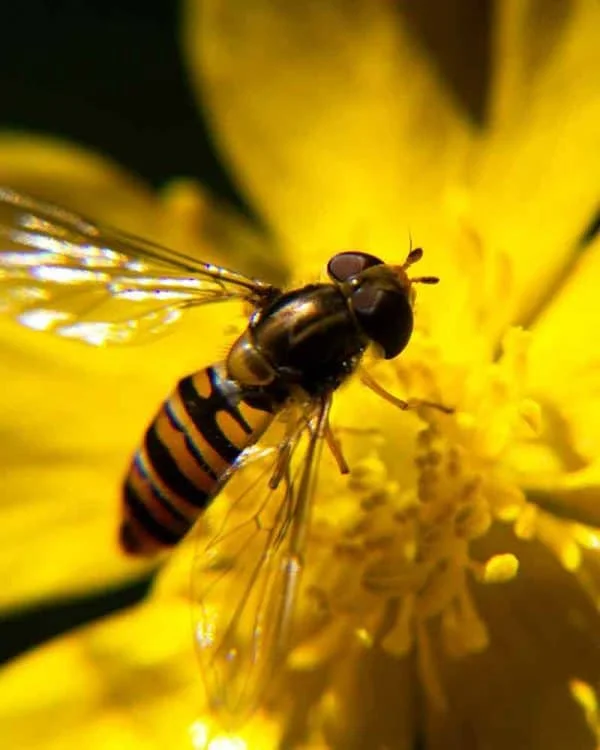
Simply put, a sustainable garden works with nature, not against it. Such a space encourages co-existence among other habitants of our planet in form of other species of plants, birds, butterflies, bees, etc.

While creating or sustaining an indoor or outdoor garden, one must consider the above principles. From the choice of plants or seeds to the kind of materials, one uses in the garden, determines the sustainability factor in it.

In our Introduction to Sustainable Gardening series, we will talk about the three principles in detail. Watch out this space.
Next in this series: How home gardening can support local biodiversity and ecosystems