
Categories
blog Sustainable Gardening Basics

3 steps to creating beautiful indoor gardens

The Covid-19 pandemic has brought several changes in the way we live and work today. One of them being co-living with plants.

The rise of indoor gardening in urban cities in the last two years has been significant with people growing their own food to making plants central in home décor. However, the after-effects of this rising trend are visible more now, than ever.

Thanks to the internet, one can now buy plants online – just like any other non-living thing. Thanks to technology, plants can be mass produced in almost any climatic condition – making them an exotic. And thanks to transportation, such plants can be introduced them in any part of the world – making them aspirational.

Problems with such gardening practices are infinite, not only for gardeners but also for our environment. From reducing plant survival, increasing a garden’s maintenance costs, to dispersing local biodiversity and degrading soil quality, there are several challenges that exotic gardens pose.
Investing in creating a community and garden has immense payoffs – not immediately, but in the near and far future. Plants not only help us in our day-to-day living but also teach us several virtues. Such as:

Hence, while starting an indoor or outdoor garden, one must consider these three aspects:

1) Origin of plants

Choose native or indigenous plants over foreign-origin or exotic species. The more exotic, the more maintenance.

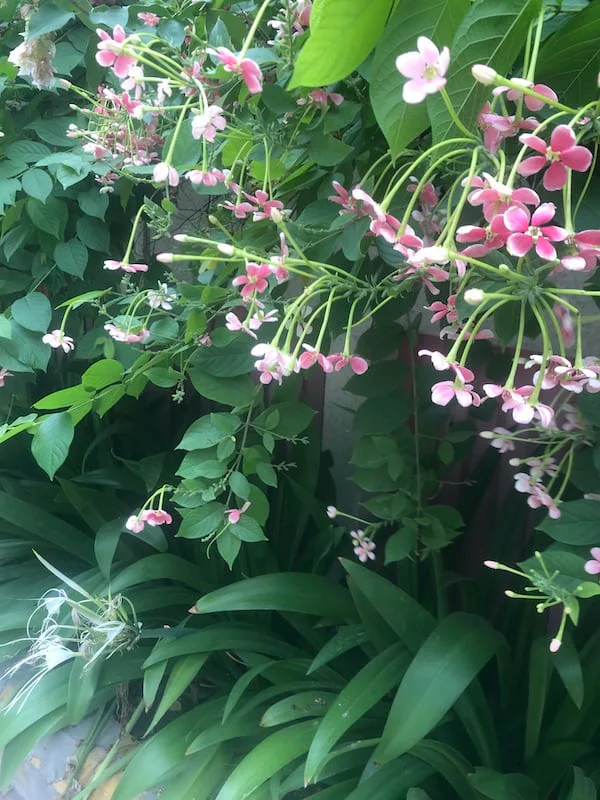
For instance, in place of Bougainvillea one can use Madhumalti or Rangoon Creeper. Thunbergia Grandifora over Morning Glory. There are several native plants of India which can complement one’s space in terms of style or design as well as help butterflies, bees to flourish.

2) Choice of materials

There is a problem of plenty when it comes to selecting gardening products such as pots or planters. Majority of these products are made of non-eco-friendly materials such as plastic, resin, concrete.

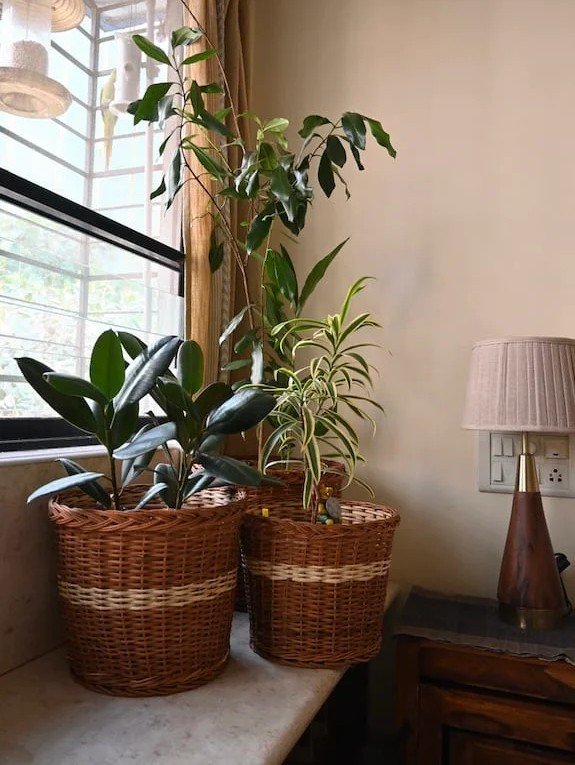
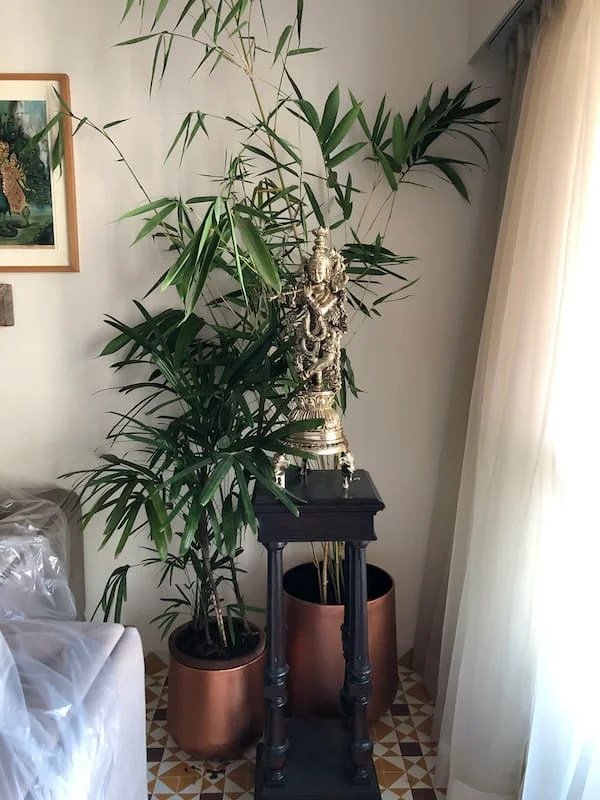
On the other hand, natural elements such as terracotta (clay), metal, wood, or bamboo, natural fibres not only give a sophisticated look but also a nurturing environment for plants.

3) Thoughtful planting

Plants make a great addition to décor. However, this experience can be daunting if style takes over sustainability. It is imperative to strike a balance between science and aesthetics.

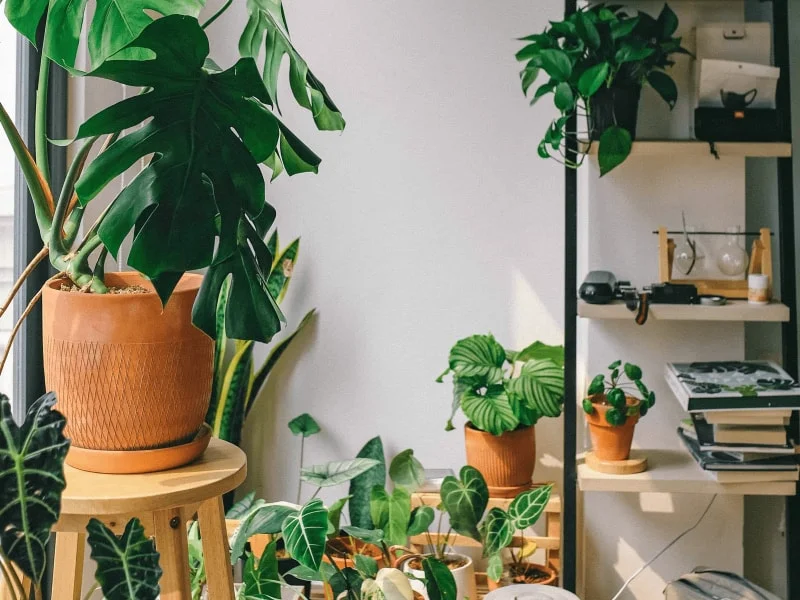
Simple techniques such as selecting plants to suit light + space conditions, reducing clutter, choosing the right materials, can help in creating a self-sustaining home garden.

Categories
blog Sustainable Gardening Basics

Myths v/s Facts: Mess v/s Method

Myth

Potted plants stain the exterior walls of buildings. They’re not meant to keep in the windows or grills.

In urban cities, especially Mumbai, several housing societies have banned houseplants.

Residents are discouraged to keep potted plants in the exterior fittings of the buildings such as window grills or panes, a/c ducts and sometimes even balconies.

The primary reason behind such intentions are to avoid mud marks as well as reduce weight on the exterior walls of buildings.

Fact

Potted plants without plates underneath and overwatering are the main reasons for causing stains on walls.

While placing plants on windows, balconies or terraces, one must always invest in plates or trays to collect the excess water. During summers, this excess water can also help birds to quench their thirst. However, we recommend to keep the trays clean periodically of this water to avoid breeding of any insects or pests.

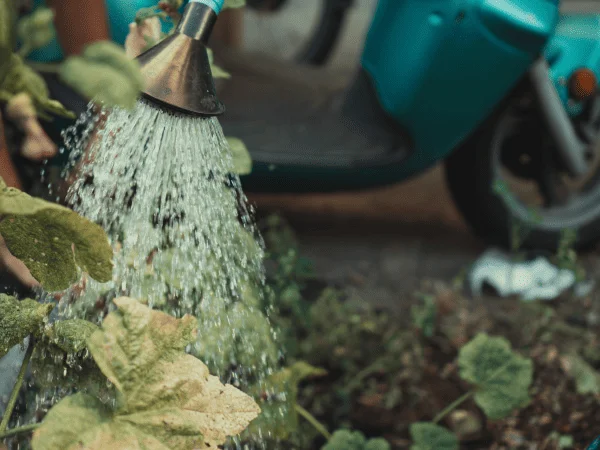
Second, avoid flood irrigation or pouring large amounts of water in one go. It will not only save you from creating those ugly stains but will also from eroding nutrients from the soil.

Keeping these two factors in mind, one can create a green window without affecting the beauty and integrity of building walls.

Categories
blog Sustainable Gardening Basics

Did you know? Black soil is not always the best

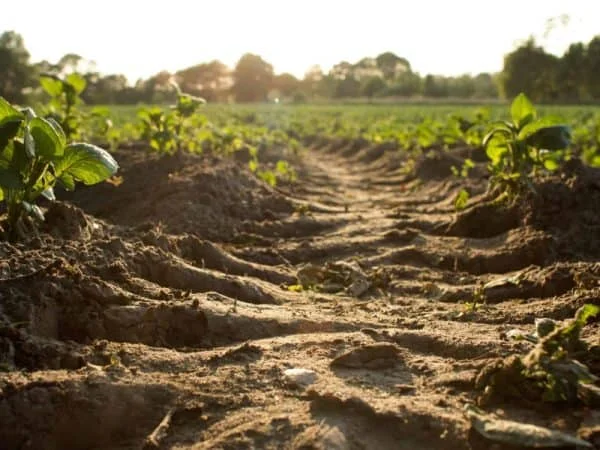
It is not necessary that blacker the soil, the better it is for your plants. There are several types of soil found across the world.
From colour to density, each kind of soil differs depending on a region’s typography and weather conditions.
Hence, while starting an indoor or outdoor garden, one must consider theIn India itself, every state has different kind of soil, rich in minerals in their own way. From black to red, from alluvial to marsh, soil conditions vary from region to region depending on the respective climate and environment.se three aspects:

1. Rich in minerals and organic matter

Each region in India has a different typography, geographical conditions and mineral compositions. Using local soil gives access to these rich deposits of minerals and organic materials.

2. Well-suited to support native plants

Local soil is equipped to handle the local plants. It complements the strengths of these plants and gives essential support in building immunity towards pests, other threats.

3. Avoids degradation of environment

Lesser transportation, lesser use of fertilizer, lesser burden on plants, there are several advantages of using native soil in gardens. They thus help in reducing the environmental impact.

Next time you want to change the soil of your plants or create a new garden, choose the locally originated ones. Here are the top benefits of using native soil in your garden v/s the commercially available garden soil.
Categories
blog Native Plants of India

Son Champa: A perfume that spreads joy

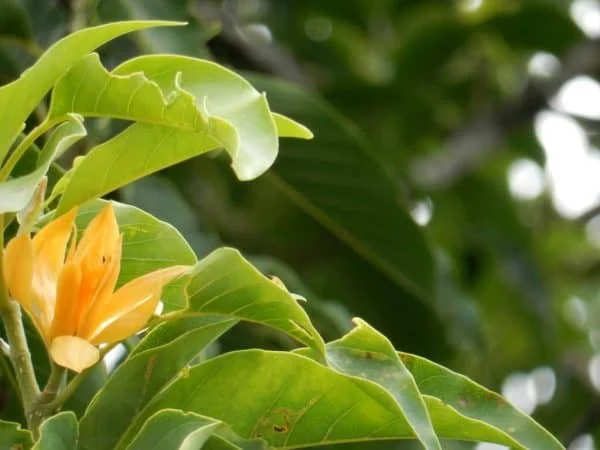
Magnolia champaca aka Son Champa or Son Chafa is a native tree of India, and is found in abundance throughout the country.

It is popularly known as the joy perfume tree in English due to its strong aroma and attractive yellow petals, which is a key ingredient in perfumery.

The flowering season usually starts from May and stays until December. From a large, evergreen tree to a bonsai shrub, Son Champa is one of the most fragrant and aesthetic flowers indigenous to India.

It holds immense ornamental, medicinal and religious values. From anti-cancer to antimicrobial, antioxidant properties, Son Champa is an all-rounder plant to ensure one’s wellbeing. In Indian scriptures, Son Champa is revered as a sacred and divine flower. From Lord Vishnu to Lord Krishna, son champa finds it way in almost all mythological stories in India.

Categories
blog Sustainable Gardening Basics

3 characteristics of native plants

Plants are no different than us in their behaviour. Observe these similarities between you and them next time wheWondering why you should opt for native plants over exotics? The choice is simple. These are the top 3 reasons why native plants have far better advantages for you and your garden.n you’re in your garden.

They’re lesser demanding as compared to their foreign counterparts. Being native, such plants are hardy, lesser prone to pest attacks, require lesser fertilisers and technological support among other benefits. Hence, such plants tend to have lesser maintenance and costs over a period of time.

Being born and brought up in local surroundings, native plants have made several friends in their lifetime. Friends such as butterflies, bees, birds, insects etc. Native plants play a crucial role in supporting the wildlife, from providing food to shelter and refuge from predators.

No frills, no fertiliser, no water, they can tolerate it all as they’ve spent years learning and adapting to the local weather systems. Their roots are well-entrenched in the ground which allows them to withstand harsh winds, suck water from the deep, and create a share connection with other trees.

If you’re planning to transform your existing or create a new one, make a well-informed choice. After all, native plants are beautiful too!
Categories
blog Sustainable Gardening Basics

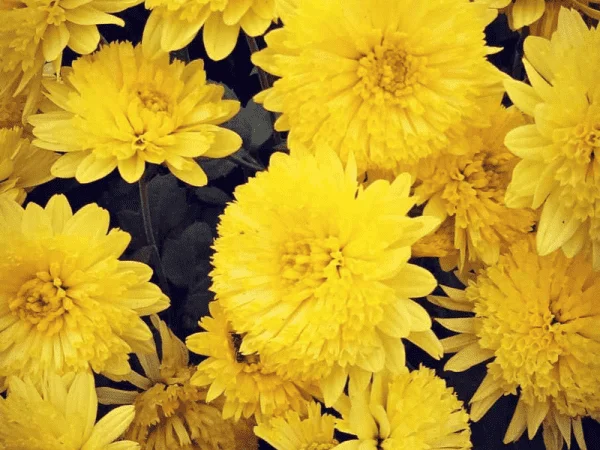
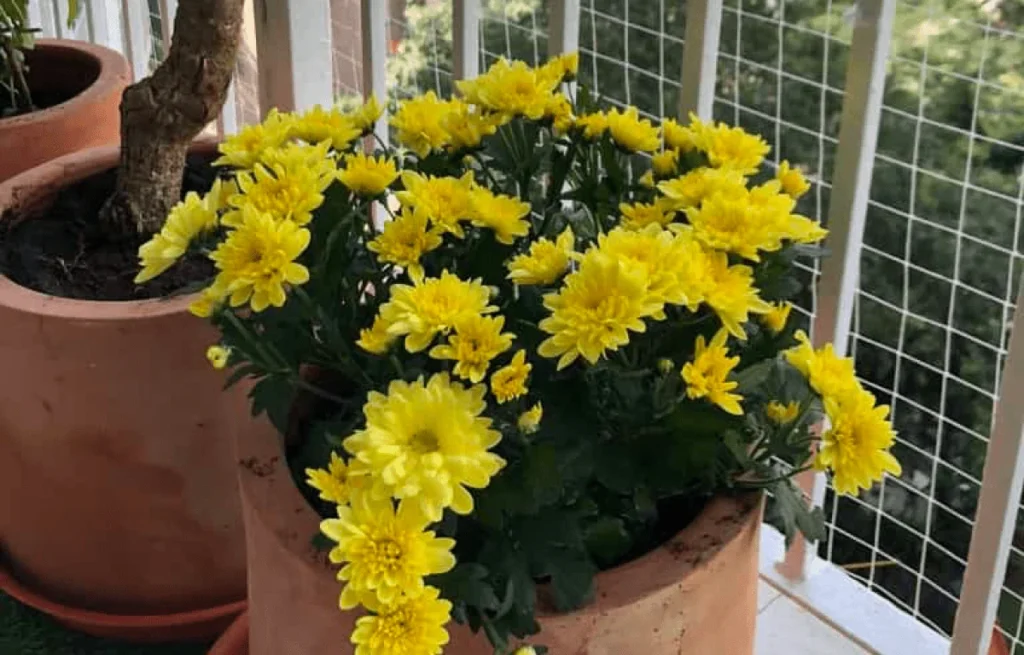
Indian Chrysanthemum

If you love colours; if you love flowers; if you love variations; then this plant will surely make its way into your garden.

Close cousin to the sunflower family, the Indian Chrysanthemum (in English) or Shevanti (in Marathi) or Guldaudi (in Hindi) is one of the most hardy and easy-to-maintain houseplants as compared to its exotic peers – aka marigold, sunflowers.

This medium sized flowering plant can grow up to 3 meters, and apt for potted plants in urban homes. Shevanti comes in numerous colours, and grows profusely in its main flowering season in India – winters. Although, sometimes it continues to bloom during early summers too.

Native to Asia, it is widely used in traditional medicine from herbal teas to concoctions. Several studies have pointed out the benefits of this flower to treat ailments from hypertension, fevers, headaches, inflammation, anxiety, et al

Native to Asia, it is widely used in traditional medicine from herbal teas to concoctions. Several studies have pointed out the benefits of this flower to treat ailments from hyIn case you haven’t added this flower yet in your garden, now it is the time to enjoy the mums now!pertension, fevers, headaches, inflammation, anxiety, et al

Categories
blog Sustainable Gardening Basics

Pal Talks Volume 3 – March

The wait is coming to an end. Spring’s blazing sun is waking up your dormant plants, who have been conserving their energy for this day.

Now, flowers will bloom to their full glory, bringing the much-awaited vibrancy and joy in your garden.

Here are a few tips to help your plants grow to their full potential:

1. Boost strength

Add organic manure – compost or liquid fertilizers to aid growth.

2. Prune dead weight

Cut off dead branches, leaves, flowers to focus on new growth.

3. Inspect pest attacks

Treat the pests in time to reduce the burden of fighting diseases.

Plant of the Month

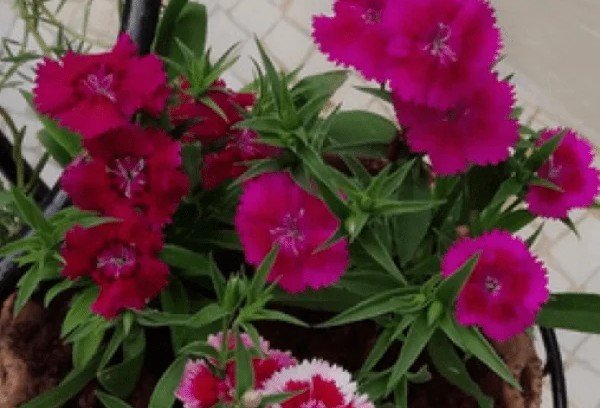
Dianthus comes in several colours and forms. Use it as hanging flower baskets or railing planters owing to its small size.

DIY Plant Care

Soak 1 large cow dung cake in 2-3 litres of water. Cover it and leave aside for atleast 36-48 hours. Give this mix generously to your plants.

Categories
blog Native Plants of India

Tarwar: The miracle flower

Tarwar – The miracle flower
Tarwar (Senna auriculata) is a miracle plant. It is popularly known as Avartaki, Avarampoo, Tanner’s Cassia. Bright yellow flowers, medicinal values, and an evergreen foliage, defines this humble plant
Found widely growing in the dry zones of peninsular India as far as the northern parts of Rajasthan, Tarwar is an extremely hardy plant. It can survive the harshest weather conditions.
Grown as a hedge plant, it is typically found along roadsides and various other open degraded habitats and in scrub forests, usually on stony, dry or sandy soils.
Tarwar is widely used a a household medicinal plant from being an antiseptic to treating skin disorders. In Ayurveda, the root of this plant is used in a decoction for fevers, diabetes, diseases of the urinary system and constipation.
Categories
blog Sustainable Gardening Basics

Pal Talks Volume 2 – January

New year brings new hope. Sometimes, it also brings new challenges.

Rapidly changing weather is posing health problems for us and, for our plants too.

Here are a few ways to save your plants from climate change:

Water plants enough on hot, dry days. Reduce the amount of water on cold, foggy days.

Curling of leaves inward or outward, a powdery layer, white dots on the surface are signs of distress.

Winter is the hibernation / survival time for plants. Pruning plants without an urgent need may add stress.

Important: In extremely cold days, cover your plants after sunset with a cloth and remove it in the morning. Applies to perennials plants especially Tulsi.

Chrysanthemum can vibrancy to almost any space. This short-heighted plant gives blooms in several colours.

Make this easy decoction to boost immunity in plants. Mix and apply 1 part turmeric powder + 1 part cinnamon powder to fight fungal infections.

Categories
blog Sustainable Gardening Basics

Did you know? Plants love terracotta

Planters are made out of natural clay are both plant and environment-friendly. Such material is breathable and adjusts as per the outside temperature. In short, plants love and thrive in terracotta v/s other materials. However, they come with their own pros and cons.

Water and air circulation is better in terracotta

The high porosity in terracotta planters allows for air and water to move through the walls. This keeps the plant healthy from root rots, soil erosion, etc.

Terracotta materials also reflects the outside temperature very easily. Hence, problems related to watering can be easily noticed in such planters.

Natural look and patina makes it more desirable

The colour of clay combined with the white deposits on the outer surface can outshine any other material.

In different regions around the world, clay colour can differ from reddish brown to white and even black in a few cases. You can also give it your creative spun

Being a natural material, it is prone to wear and tear

Since terracotta planters are made of natural clay, they’re delicate and can break or crack.

Long exposure to water can bring a deposit of fungus on the outer layer. However, it can be scraped or washed once the temperature is dry enough with a cloth or tissue.