
Categories
blog Sustainable Gardening Basics

How to set-up a low-maintenance home garden?

You have been thinking of bringing plants home for some time. But you’re confused or hesitant on which ones to get, where to keep, how not to kill them. Or, you already have plants in your garden space (window, balcony, terrace, lawn) but keep jostling with their survival from time to time. Well, this is a journey for most of us. Starting your garden with the right knowledge and materials is the key to addressing your concerns.

With the help of the internet especially Instagram, one may argue that choosing houseplants is simple and straight-forward today. Nursery operators have elaborate sections inundated with “indoor plants” they claim are maintenance friendly. And to take care of them, we now have mobile apps powered by AI that can help us to identify the names and diseases and perhaps, better take care of them.

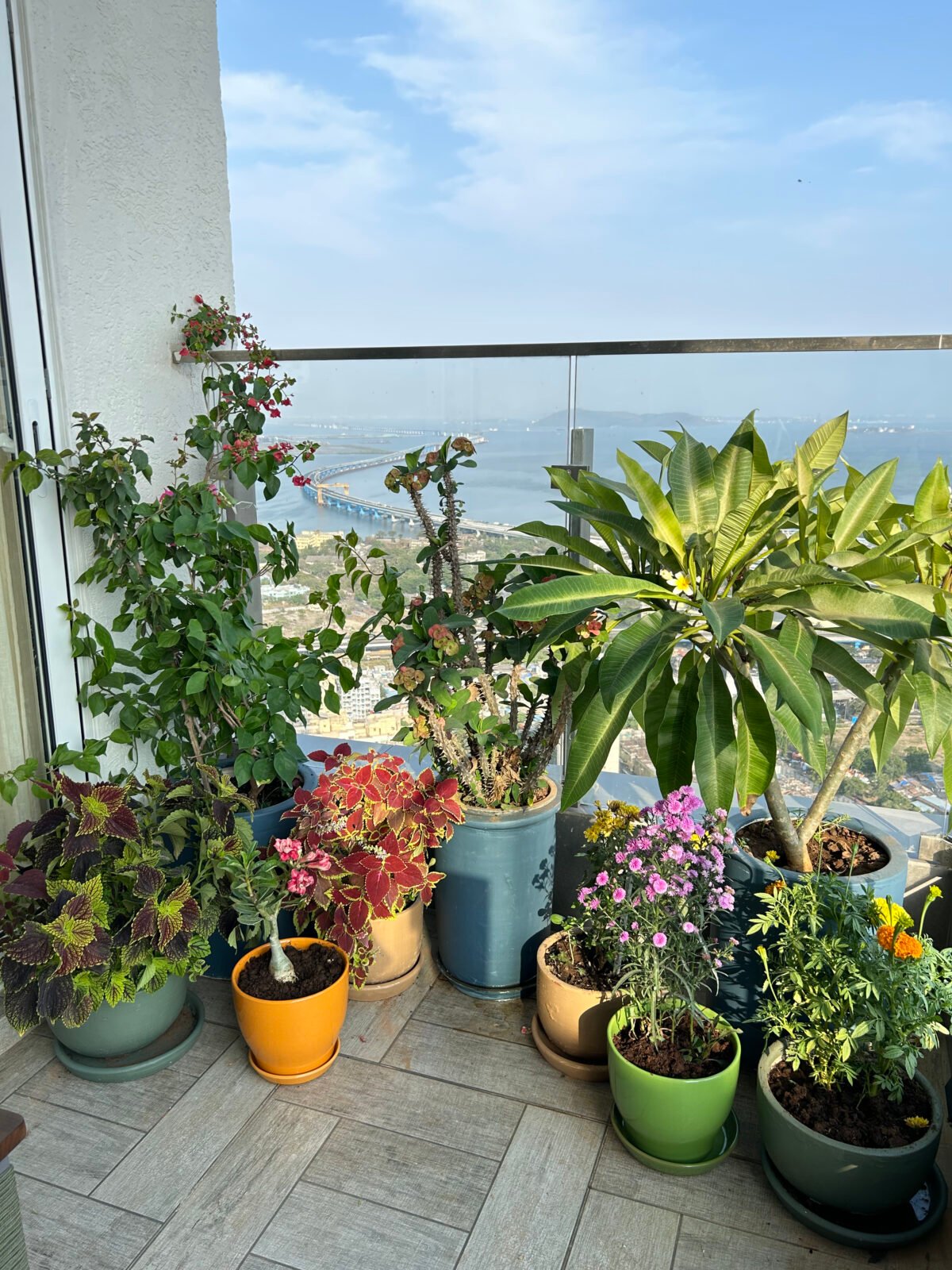
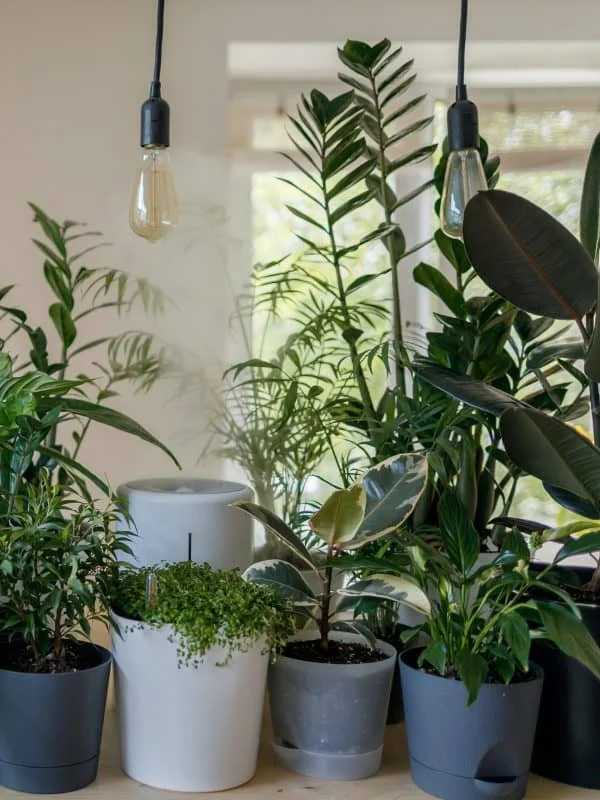
While all this may be true to some extent, the challenge lies in getting the right information meant for your own garden space. Not generic rulebooks meant for all. Before you decide to buy any plant or pot, you must consider the following factors in your house:

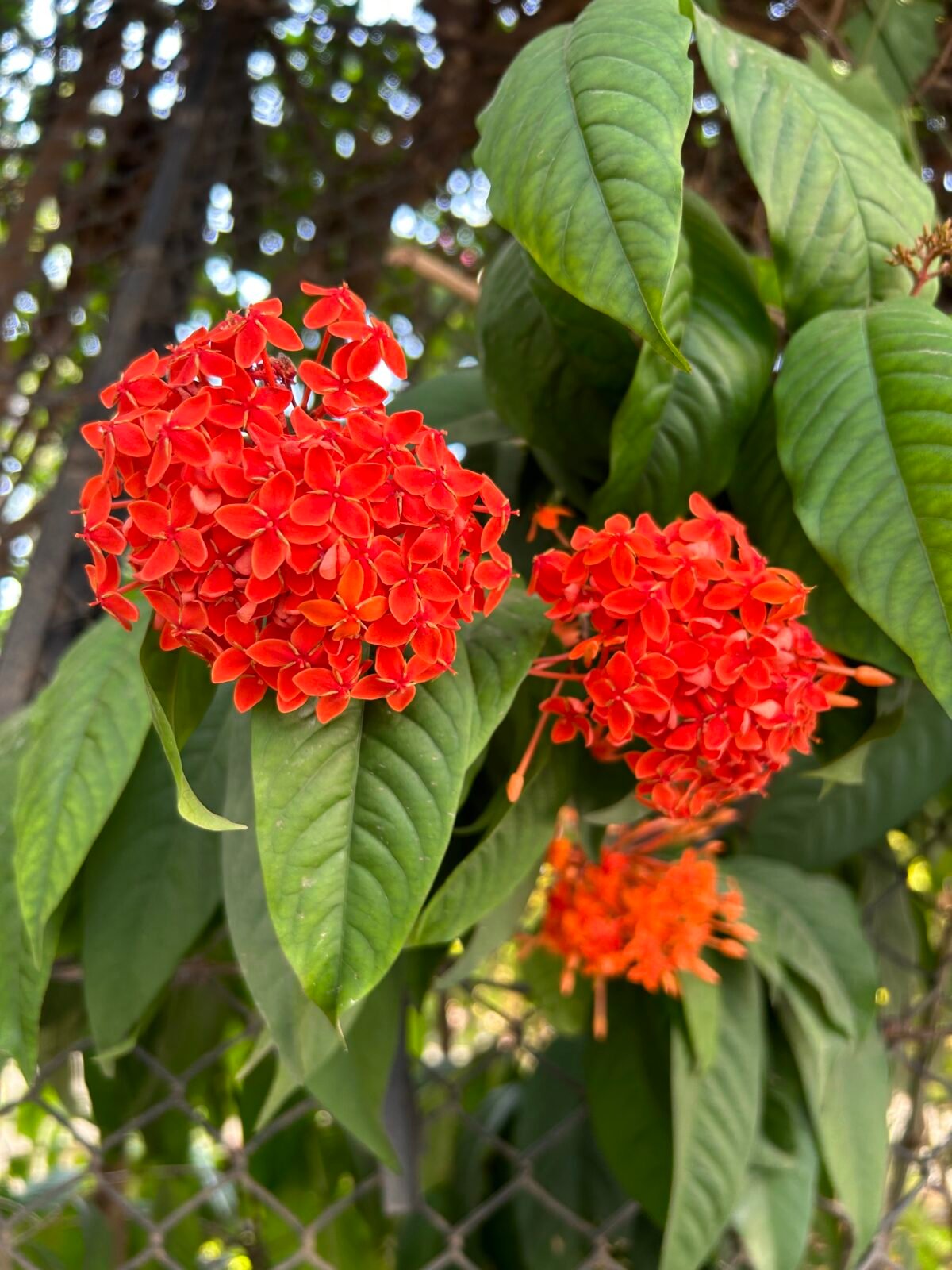
Light condition For spaces or corners that receive direct sunlight, choose plants that can withstand it such as flowering plants such as Ixora, Jasmines, Desi Hibiscus, Kaner, etc. Or herbs or edibles such as Pudina, Oregano, Lemon, Ajwain. Certain foliage plants include Rubber Plant, Schefflera, Palms, etc. Even exotics like Fiddle Leaf Fig or Radermachera thrive in direct light against popular belief. Depending on the hours of sunlight that space receives, you can pick the desired plant that won’t burn out in the sun or won’t wither away in its absence.  

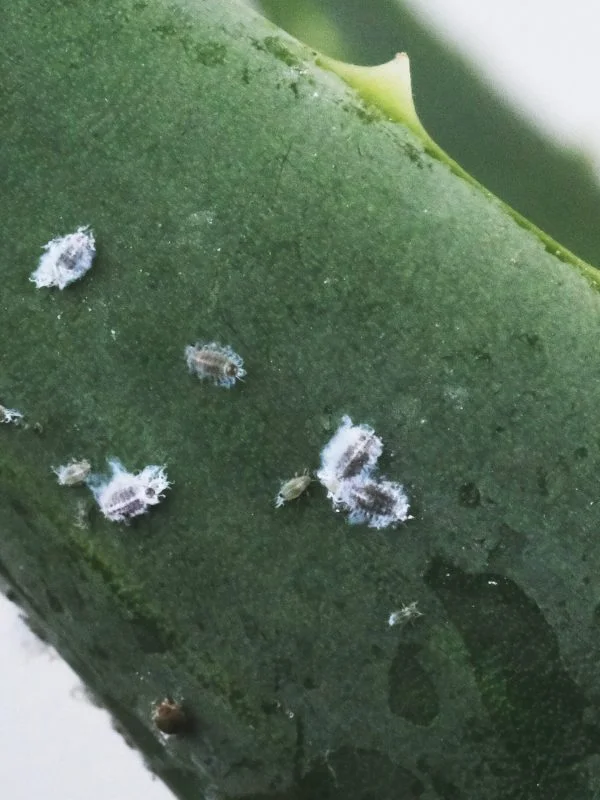
Ventilation This is a very important factor to consider given the hot, humid, and unpredictable weather of Mumbai. Lack of fresh air can degrade the health of plants, just like ours and invite pests, diseases which make them high on maintenance. Instead of keeping plants in zero ventilated areas, choose a spot which allows fresh air at least for a few hours of the day. Or move the plants is breezy spot at least twice a week.

Materials If your house lacks bright daylight, then avoid using non-porous materials such as plastics or ceramics as they don’t allow water to evaporate easily. In turn, use fabric grow bags as inner liners in place of plastic pots or simply use the age-old terracotta planters to always keep your plants healthy.

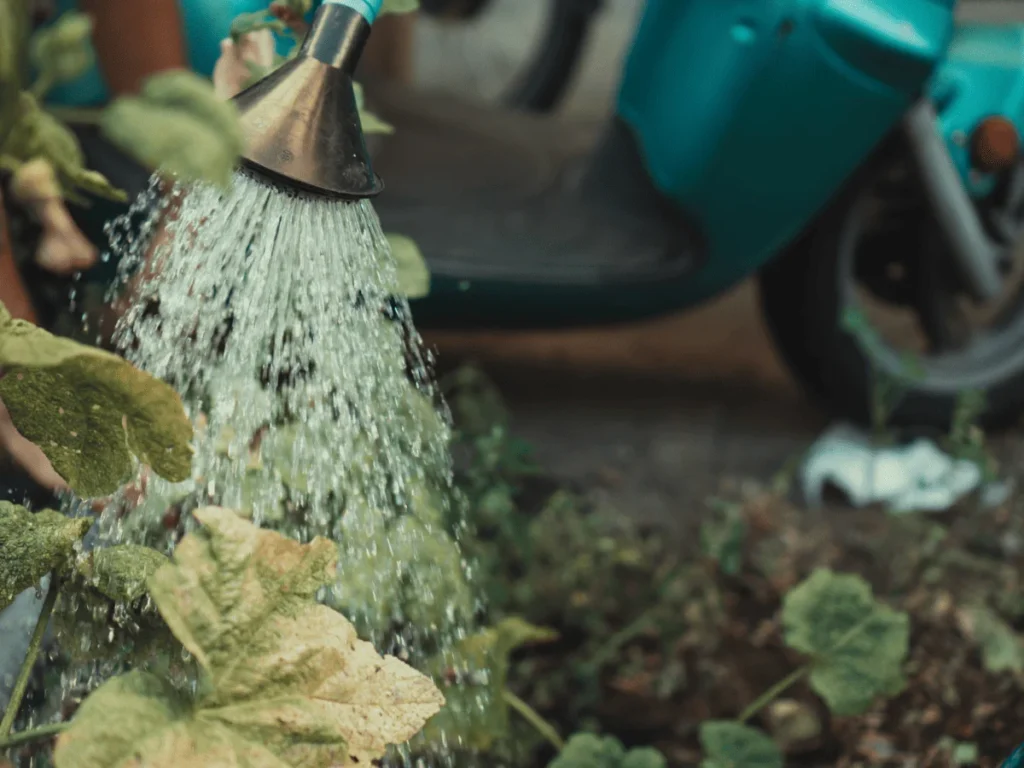
Watering This is the most critical aspect which can make or break your garden eventually. Whichever material you choose, watering the plants should be regulated and personalized to each plant’s need. Terracotta needs lesser water as the clay keeps the soil moist and aerated for a longer period. Plants which are kept in direct sunlight always, may need water daily v/s plant which are kept in indirect light.

Above all, use native plants that are indigenous to our land, climate, and environment. Such plants by default make a garden low maintenance yet maintaining its natural beauty. While setting-up a home garden seems daunting, the tougher part is the post set-up maintenance.  

Plants make a great addition to décor. However, this experience can be daunting if style takes over sustainability. Hence, it is imperative to strike a balance between science and aesthetics.

Simple techniques such as selecting plants to suit light + space conditions, reducing clutter, choosing the right materials, can help in creating a self-sustaining home garden.

Categories
blog Sustainable Gardening Basics

People are the heart of buildings. Gardens are its nervous system.

Since time immemorial, gardens have shared a symbiotic relationship with its people. A relationship meant for recreation, for food, for shelter, for oxygen, for medicine, for rejuvenation. A relationship which believes in co-existing, supporting, depending on each other. A relationship that enhances mental, physical, social, emotional, spiritual well-being.

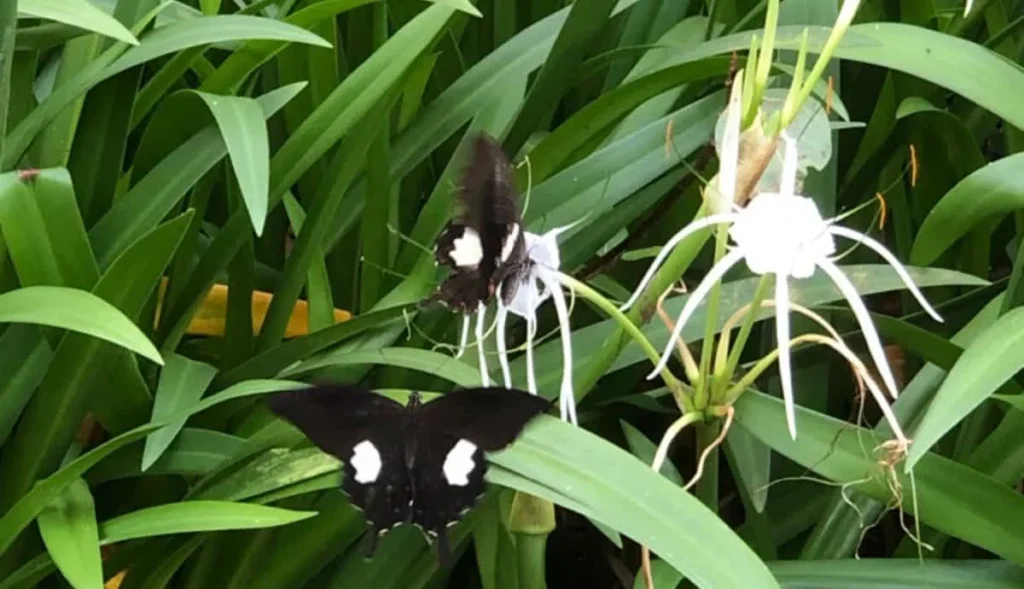
It’s the garden which has been at the epicenter of all life, for all people. Human beings, birds, bees, butterflies, alike. However, it’s very purpose has changed over the time – and its size, too.

Today, gardens have become a beautification element rather than a necessity. In housing societies, commercial complexes, or public projects, gardens are designed to suit our needs over the others.

Exotic plants are widely used to ‘enhance’ aesthetics, thus displacing native plants and with them, biodiversity. Lawns have taken a centerstage to give a greener look over the grasses, medicinal plants that are lifesaving for many. Old trees are being uprooted, giving way to concrete pathways or appeasement structures, dismantling homes of countless life-forms from birds, insects, that depend on them for food, shelter. Colourful leaves that make a statement are chosen over flowers, which are useless for attracting any pollinators.

While we may imagine a garden to be a huge, open public space, it is now confined to our buildings. Sometimes to our windows. Parks are becoming private and individual.

This change brings a greater responsibility for its residents. Of restoring the ecosystem one plant at a time. Of creating a microcosm for other living beings one garden at a time.

But what’s in it for us? Why should I care about plants, birds, or bees? Well, without them, our existence too is in jeopardy. Without nature’s humble pollinators, we will have nobody to propagate our food. Without the old tree cover, we won’t have clean air or shade to escape from the sweltering heat. Without the humming sounds of birds and fluttering of butterflies, we won’t have mental peace. We have much more to lose than them.

The habitat loss created by urbanization and consumerism is making the biodiversity vulnerable and dependent on us. Though, this trend can be reversed if we stand united in this battle. If each housing societies makes informed, meaningful choices to build or transform garden spaces into sanctuaries for its people, we will be able to create an equal, hospitable environment for all. Be it a building park or an individual’s home.

The idea of a garden should be barter, not banish. To shape the way we live, play, enjoy and do just anything.

Categories
blog Sustainable Gardening Basics

5 reasons why you need a sustainable landscape

We are surrounded with landscapes in our everyday life – be it backyards, balconies, parks, public green spaces, roads, and even office spaces.

Using sustainable practices in your garden, no matter where you live – whether you create a garden in a balcony, your housing society or farmhouse, can do good for you and our environment. Sustainable landscapes enhance our environment’s ability to clean air and water, reduce flooding, combat climate change, and provide all the other natural benefits that support life on earth. Sounds big?! Let’s break it down in simple words.

A sustainable landscape works with nature, not against it. Irrespective of its size, it maximizes environmental and health benefits for the current and future generations. In short, a sustainable landscape is a beautiful garden that protects or restores the benefits nature provides us that are essential to our everyday lives. It can be a space for outdoor recreation, gathering with family and friends, stormwater mitigation, plain relaxation, or a home for wildlife. The choice is yours to make.

5 benefits of creating sustainable landscapes:

This approach not only benefits the environment but also enhances the quality of life for you and community at large. It offers the best of both worlds, blending beauty with practical benefits.

Clean Air Plants naturally remove pollutants from the air, take in carbon dioxide, and provide the oxygen we breathe. Rapid concretization in urban cities is taking a toll on public health and mindful landscaping is one of the key factors to protect it.

Clean Water Plants and healthy soils capture, break down, and bind water pollutants. Stormwater runoff from developed land is the leading cause of water pollution of urban areas.

Build Healthy and Fertile Soil Maintaining soil health and fertility is one of the foremost benefits of this method. Turning landscape trimmings into compost or mulch benefits landscapes and minimizes waste materials in the landfill

Control Erosion and Sediment Runoff On terrains which are prone to soil erosion, landslides, a sustainable garden can offer more than concrete can. Vegetation holds soil in place and decreases the likelihood of erosion and sediment runoff

Mitigate Urban Heat Island Vegetation helps to moderate air temperatures by providing shade and releasing moisture into the air. Sustainable landscapes shade dark surfaces and use light-coloured or porous materials to mitigate urban heat islands.

Urban development and the replacement of vegetation with dark impervious surfaces such as conventional roofs, roads and buildings can absorb and trap heat which causes cities to have warmer temperatures than their rural surroundings. This phenomenon, known as the urban heat island effect, increases the demand for cooling energy in buildings and accelerates the formation of ground level ozone and smog.

Above all, sustainable landscape provide habitat – plants and soils fuel the dazzling diversity of life on this planet. There are more soil microorganisms in a teaspoonful of soil than there are people on the earth! Sustainable gardens can provide habitat for a variety of plant and animal species that are paramount to human life, too.

Home gardeners or not, you can work with nature and as a part of nature to support and build biodiversity in your way. Even a small garden, can have a big impact.

By Dipti Agarwal Founder and Chief Gardening Officer, Peepal Resident of Kemps Corner
Mobile: +91 7400XXXXX| Email: dipti.agarwal@peepal.one | Website: https://peepal.one/ | Instagram: peepalindia
Categories
blog Sustainable Gardening Basics

Exotic Trouble in Desi Paradise

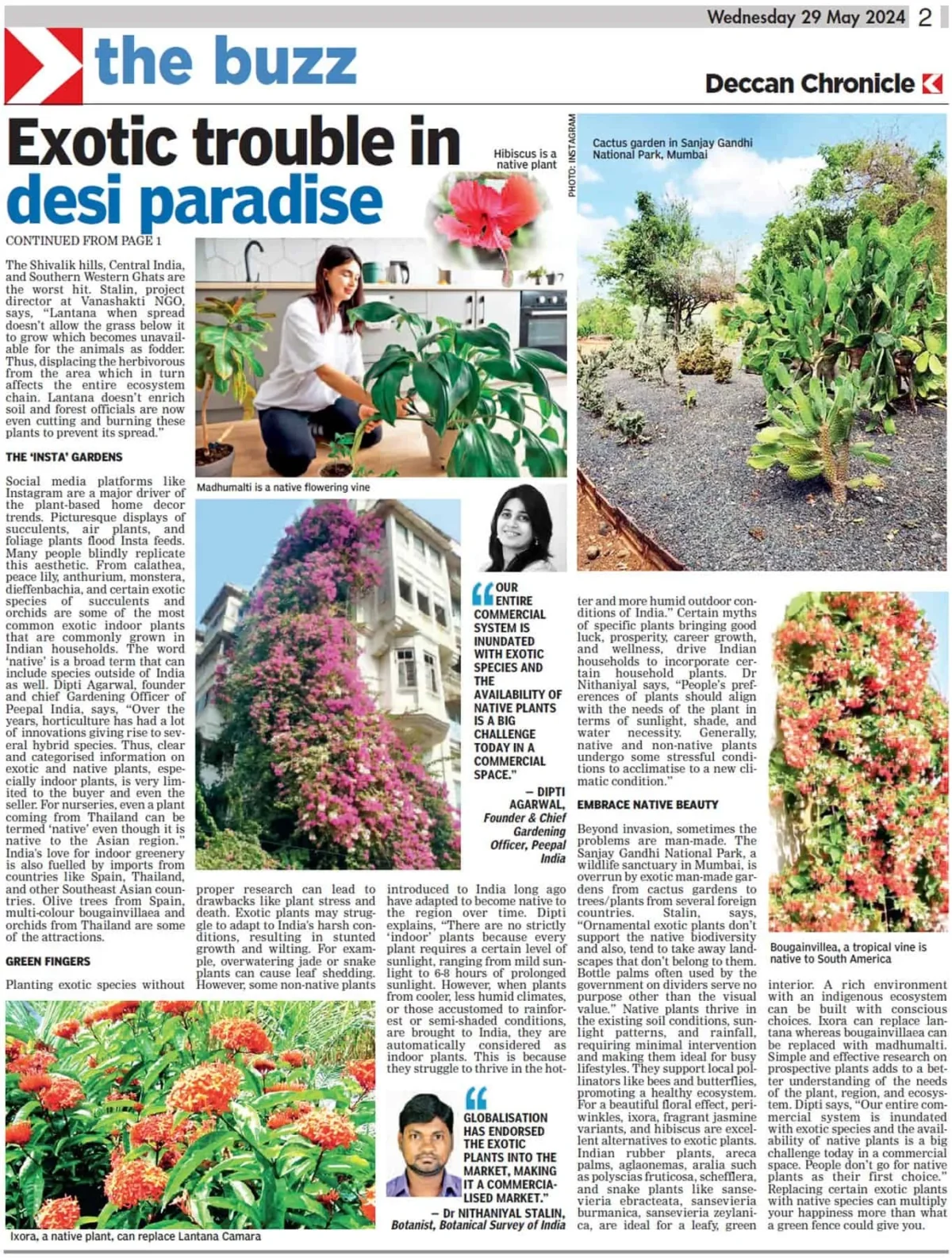
People’s craze for ‘rare’ and ‘exotic’ foreign plants is posing a threat to urban green covers and natural forests, nearly 66% of India’s natural systems are threatened by invasive plant species
Exotic plants like the Lantana camara and Water Hyacinth are invading India’s natural ecosystems, posing a threat to native species and biodiversity. Meta Keywords and Phrases: exotic plants India, invasive species, native plants, urban gardening, Lantana camara, Water Hyacinth, biodiversity threat, indoor plants, Indian wildlife, ecological impact, gardening trends, native vs exotic plants. (Image by arrangement.
Categories
blog Sustainability Sustainable Gardening Basics

Pal Talks November – December 2023

It is that time of the year when you wake up to a slight nip in the air. Your plants are gearing up for the seasonal changes. Growth eases out, leaves change their colour, start falling to increase defence mechanism in fall.

People’s craze for ‘rare’ and ‘exotic’ foreign plants is posing a threat to urban green covers and natural forests, nearly 66% of India’s natural systems are threatened by invasive plant species

3 things to look out in potted plants during this season

1. Water

Do not overwater your plants as temperature is cooler now. Check topsoil before watering.

2. Fungus & pests

Dryness, excess water may increase fungus, spider mites, other leaf sucking pests.

3. Brightness

Shift plants in a warm, brighter spot or keep room lights on, especially during evenings.

Plant of the Month

Hydrangea. A winter flower, hydrangeas come in different colours and sizes. For hedges or pots, this flower is a bouquet in itself.

DIY Fungicide

Make this easy decoction to fight fungal infections in plants. Mix and apply turmeric & cinnamon powders in equal parts and apply on topsoil.

Categories
blog Sustainable Gardening Basics

Pal Talks September-October 2023

The much needed elixir – rainwater, has enriched your garden recently. Plants are rejoicing this period of growth and abundance.​

However, this season brings along its own set of challenges too, especially for indoor plants.​

3 things to look out in potted plants during this season

1. Moisture & water

Regulate watering according to sunny & rainy days

2. Humidity & pests

Increased humidity = sticky pests. Keep the planters, plates dry.

3. Light & dampness

Shift plants in a warm, brighter spot or keep room lights on for a bit.

Plant of the Month

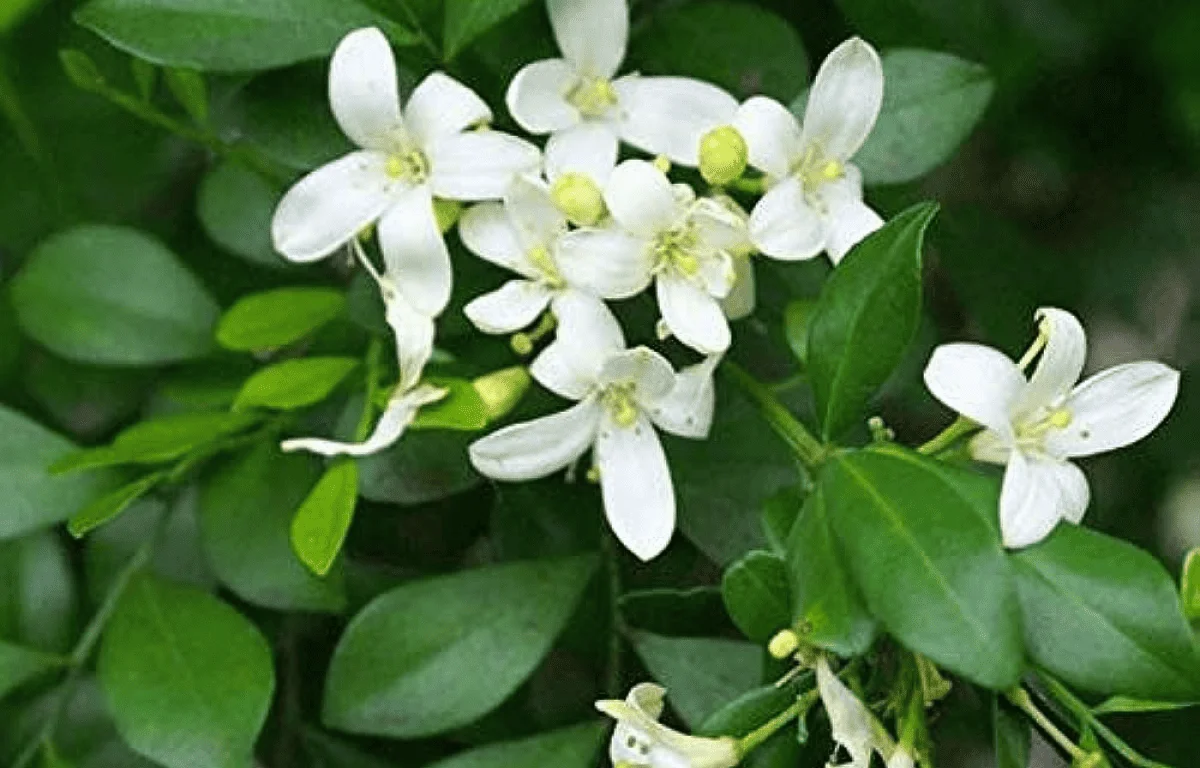
Madhukamini. It’s not too late to bring home this beauty. Not just flowers, leaves are fragrant too. Can easily grow in pots or lawns

DIY Fertilizer

If you love bananas, keep the peels. Cut them small, soak in water for 36 hours, dilute it further and give this nutrient-rich liquid fertilizer to your plants.

Categories
blog Sustainable Gardening Basics

Why should housing societies invest in a sustainable garden?

An evening stroll in the garden and came back with an itchy skin? Your pet accidentally chewed on some leaves and felt uneasy? Maintaining the health, look of your garden is digging a hole in your pocket?
If any of the above scenarios read familiar to you, then it’s time to transform your society garden into a sustainable garden. As pretentious as it may sound, it is just about going back to our roots.
1) People-Friendly:
Since society gardens are used by everyone, especially the vulnerable – children, senior citizens, pets, one must be conscious of the plants being used in such spaces. A few plants are known to be highly toxic for the above groups such as Dieffenbachia, Lantana, Morning Glory, Croton, etc. Instead using native plants can create a safer space for all.
2) Environment-Friendly:
What is the purpose of a garden without its residents? The sight of butterflies and the melody of birds makes a garden pleasurable. By using chemical-free, organic fertilizers, pesticides or any other plant care materials, every small space can do its bit in protecting biodiversity. At the same time, using such natural products enhances soil health, longevity of plants and reduces its carbon footprint.
3) Pocket-Friendly:
Can we create a garden which is aesthetic and low on maintenance at the same time? Yes, of course. Replacing exotic plants with native / indigenous and hardy varieties can not only increase your garden’s lifespan but also reduce maintenance costs to a considerable extent. Native plants are well-adapted for our local climate. This means, they’re more resistant to pests – hence, reducing the use of pesticides. They contribute more towards soil nutrition – hence, reducing the use of fertilizers. They’re hardy in nature – hence, they tend to survive better in harsher weather conditions – hence, reducing the replantation efforts.
To sum up, the choices that we make in our gardens make them sustainable. Choices that put self-sustenance at the centre of garden design. Choices that create a balance between contemporary aesthetics and traditional wisdom.
If any of the above scenarios read familiar to you, then it’s time to transform your society garden into a sustainable garden. As pretentious as it may sound, it is just about going back to our roots.Be it the colours from flowers, the vibrancy from birds and butterflies, the joy of growing your own organic food or a cooler sense of surroundings, a garden has much more to offer than one can think. From improving our physical, mental, spiritual, emotional, to even social health, it can enhance our quality of life. Not just for us, but everyone around us.
Categories
blog Sustainable Gardening Basics

Pal Talks Volume 5: July-August 2023

Red Alert!
From skyrocketing price of tomatoes to deluge of rain, this monsoon season has brought several red alerts in our lives.
This takes us back to the most fundamental questions – when exactly to water the plants? Just yesterday it was pouring, today it is sunny.. what should be the watering routine?
The answer lies within your touch!

A few thumb rules to help you and your plants this monsoon:

Feel the soil

Be 100% sure while watering your plants with this finger test.. especially for indoor plants.

Dip your fingertip (about an inch) in the soil and see if it sticks to your finger.

If yes, there’s enough water and you can avoid watering your plant. If it doesn’t stick at all, only then water your plants.

Make simple changes

In addition to this, you may do the following:

reduce overall quantity of water to avoid filling up the plates or containers for indoor plants

remove the trays / plates for outdoor plants to allow excess water to flow out from the bottom

Categories
blog Sustainable Gardening Basics

3 things we can learn about community building from trees

Have you ever wondered about we build communities? Well, the answer may not be that complex. Building communities is much like growing a garden. Both need time, patience, knowledge and above all, compassion to thrive in an environment.

Investing in creating a community and garden has immense payoffs – not immediately, but in the near and far future. Plants not only help us in our day-to-day living but also teach us several virtues. Such as:

With the help of an extensive root system, native plants, share their nutrients with their neighbours. Such sharing of materials enables plants, trees self-sufficient.

It’s no surprise that trees change colours of their leaves with changing seasons. Such adaptive behaviour helps them survive better and longer than being rigid.

No one does it better than trees. From alerting others about pests attack to sharing an underground root network, plants know that working together is best for survival.

Plants are no different than us in their behaviour. Observe these similarities between you and them next time when you’re in your garden.

Categories
blog Sustainable Gardening Basics

Pal Talks Volume 4: May-June 2023

It is the season of yellow! From mangoes to marigold, you’ve waited long to enjoy your favourite fruits and flowers.
This takes us back to the most fundamental questions – when exactly to water the plants? Just yesterday it was pouring, today it is sunny..However, when your plants aren’t blooming to their glory; when trees aren’t bearing fruits; when you see plants drying up; this wait may seem endless. what should be the watering routine?
The answer lies within your touch!Don’t get disheartened. Don’t stop here. Gardening is a journey of patience and perseverance, discovery and experience. So, keep digging..
A few things you must ensure to boost productivity of your plants:

Routine

Establish a watering schedule in this dry season. Water early morning to help plants produce food efficiently during peak hours of sunlight.

Fertilization

Both, over or under fertiziling plants can affect their growth. Know when they were fertilized before adding.

Cleanliness

Avoid water stagnation in trays / plates. They not only affect the root growth but also act as a breeding spot for insects, pests in the garden.

Patience

Perhaps, plants aren’t mature yet to bear their fruits, flowers. Constant weather changes also cause distress. These are factors beyond one’s control.