Categories
blog Native Plants of India Sustainable Gardening Basics

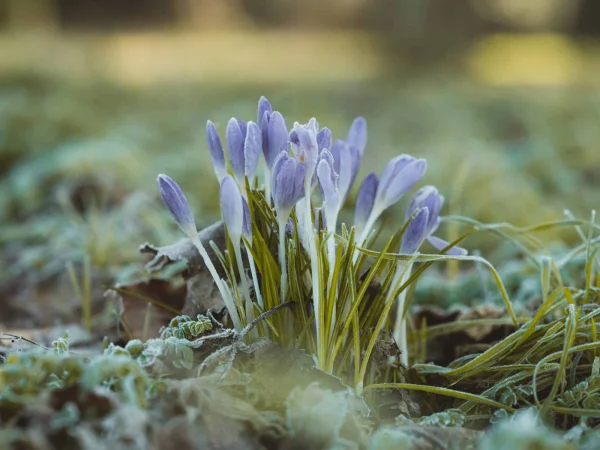
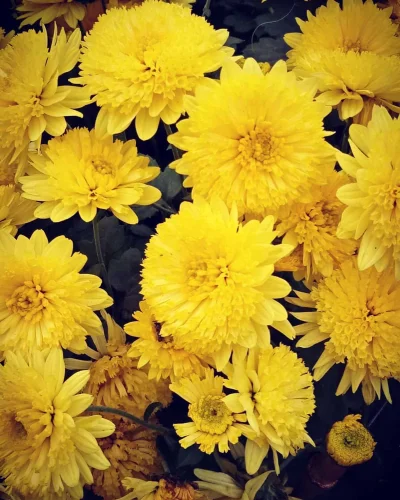
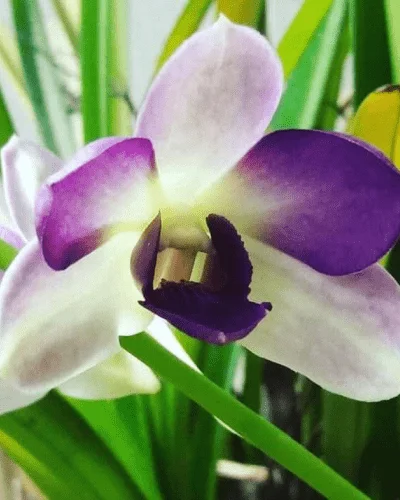
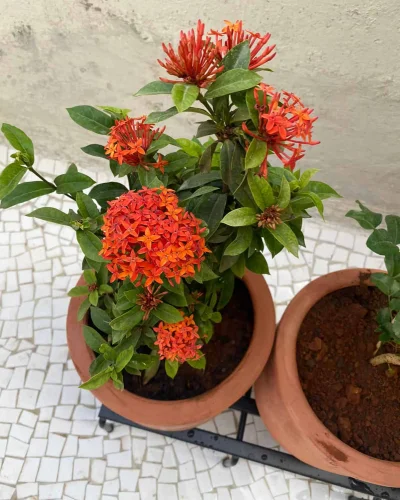
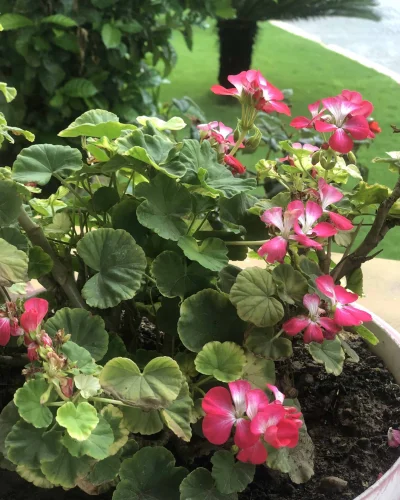
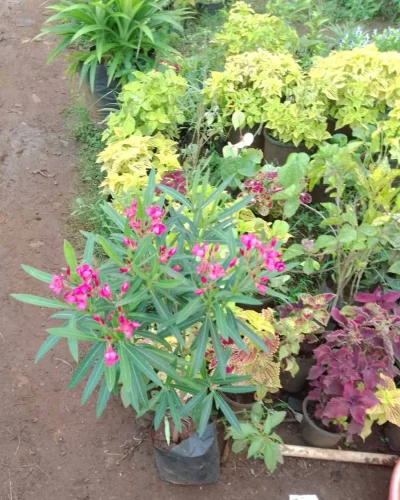
5 native flowers to bring home this winter

Winters in Mumbai may not be as harsh as the northern cities. However, they could be the same for plants. The cold weather brings its own set of challenges for plants. With pest attacks such as the powdery mildew, mealy bugs, white flies, etc, plants are more prone to diseases and decay in winters than any other season.

Hence, while adding plants to your garden, choose a mix of both evergreen and seasonal flowers. This way you can keep your garden colourful and lively at all times.

When it comes to perennial flowering plants, you can opt for Orchids, Kaner, Ixora, Roses. On the other hand, winter blooming flowers such as Sevanti or Chrysanthemums, Kalanchoe, Begonia, Hydrangeas can add vigour to your garden.

These native flowers are not just hardy in nature but beautiful in blooms and foliage. So go on and bring them home now!
Categories
blog Sustainable Gardening Basics

Pal Talks

It’s that time of the year where we begin to feel that slight nip in the air. And we start preparing ourselves with winter wear, food and lifestyle, etc.

Our plant buddies do that, too From changing colour of leaves to shedding them, they adjust their clothing and food habits in winters to survive.

3 things to look out in potted plants during this season

Sunlight

Regulate watering according to sunny & rainy days

Water

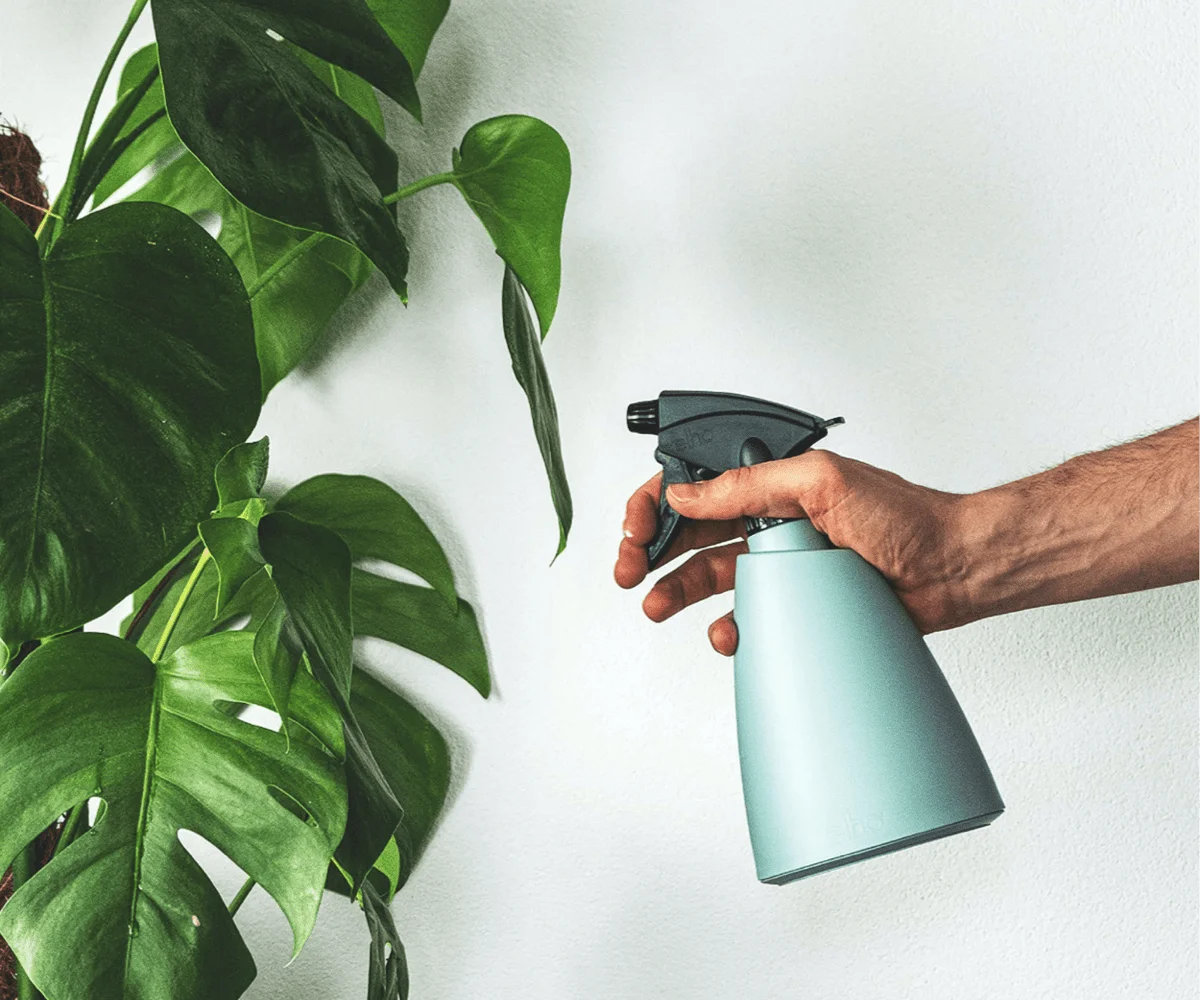
Be extra careful in your watering routine. Do not over water your plants. And certainly, avoid misting the leaves with sprayers. Just water the soil directly.

Fertilizers

It’s holiday time for plants too. Avoid over-fertilizing as they are in resting or dormancy mode. Perennial and spring season plants save their energy to grow back in full glory the next season.
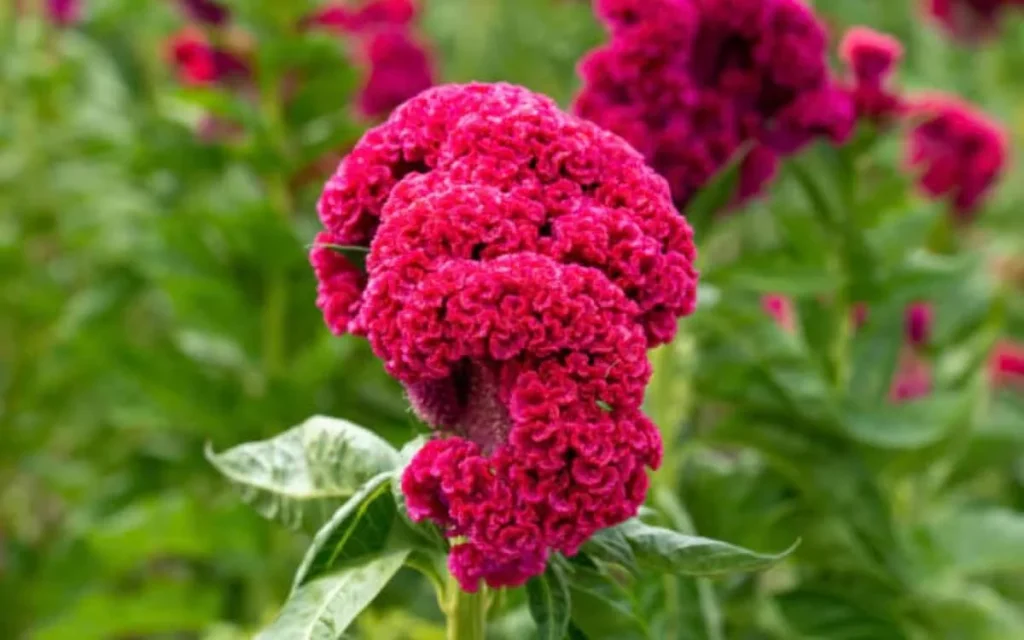
Must have plant: Cockscomb or Lalmurga

Celosia argentea var.cristata, Amaranthaceae family

You can use it to add beauty to your existing garden or in flower arrangements as the Japanese do.

  • Blooming time: October – April
  • Soil: Well-drained acidic soil
  • Sunlight: 4-6 hours of bright direct sunlight
  • Nutrition: Manure/Vermicompost Once a month
  • Essential tip: Keep removing seeds from the tips to achieve bigger, healthier blooms
A Sustainable DIY: Bio-Enzymes for plants

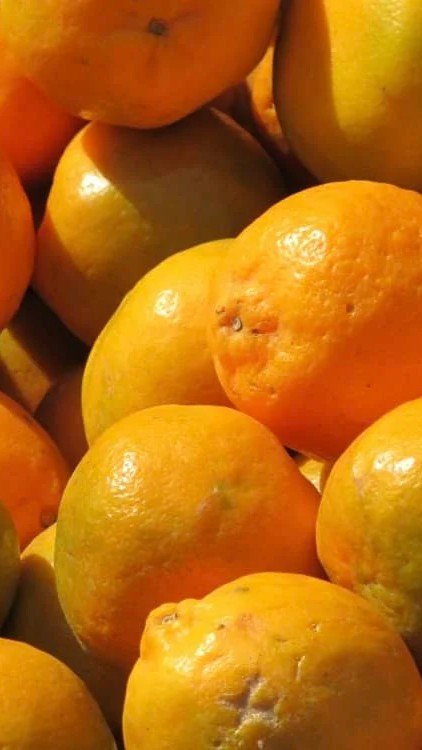
Citrus is the flavour of the season.
Why not give a dose of Vitamin C to yourself and your plants! This simple and multi-purpose DIY bio-enzyme can be made within your own kitchen.

You can use it to add beauty to your existing garden or in flower arrangements as the Japanese do.

What you need:

  • 3 bowls of seasonal citrus peels (orange, lemon, pineapple)
  • 1 bowl of crushed or powdered jaggery
  • 10 bowls or 1 litre of water
  • An empty air-tight plastic jar (1/1.5 litre capacity)
  • And a lot of patience but it’s worth it!

How to make it:

  • Dissolve jaggery in water properly.
  • Add your peels, mix well, and close the lid tightly.
  • Keep the jar in a dark corner, away from direct sunlight.
  • Every alternate day open the lid momentarily to burp out the gas

Caution:
Bio-enzymes will release gas in the process. Make sure to open the lid at regular intervals to release it, else your container can explode

Note:

  • Your bio-enzyme will be ready in 3 months for use.
  • To fertilize plants, mix 30 ml from the stock with 1L water. Spray it on the plant foliage as well as flowers.
  • White scum forming on the upper layer indicates that fermentation is going fine.
  • Black spores or discoloration with a foul smell, discard the potion.
  • Leftover can be used as an accelerator for new batch of bio-enzyme or disinfecting your house.
  • Once the first batch is ready after 3 months, you can keep remaking it every month.

About the authors:

Dipti Agarwal

A full-time gardener, a part-time homemaker, and an ex-marketing professional. Holds diplomas from organic farming to public policy. Interests include taking care of plants, birds, humans, and everything else in between.

Aakanksha Dutta

Holds a Master’s in Plant Science and Herbal Wealth. Currently pursuing Ph.D. in Botany with Specialization in Medicinal Plants & Orchids.

Categories
blog Sustainable Gardening Basics

Microblog Series: 3 daily routines for you and your plants

There are several similarities between us and plants. Our basic necessities are theirs too. In order to understand what plants need, a gardener must think about his or her own daily wants, such as Hydration, Fresh Air and Health Check-ups.

Hydration

Our water or liquids intake differ from season to season. In summer we feel more thirsty as compared to winters. Same is with plants. To understand how much water they need, look at their leaves. If they’re upright, they’re fine. If they’re drooping downwards, they’re thirsty.

Fresh Air

We all are oxygen loving creatures. A daily dose of fresh air is all we need to keep our lungs healthy. While plants can survive in closed, non-ventilated spaces, they might not thrive. Keeping them in open air or breeze can keep pests at bay, ensuring their good health.

Health Check-Ups

Prevention is better than cure – applies to plants as well. Diagnosing problems at the right time can give them a new lease of life. Whether it is a pest attack or lack of nutrients in soil, such problems when detected in early stages can help the spread and long-lasting effects.

Categories
blog Sustainable Gardening Basics

Myth v/s fact: Maintenance v/s sustenance

One of the most common questions or concerns while creating a garden is centered around its maintenance. For new gardeners or beginners, this alone becomes the single, most important decision-making factor.

So let’s help our friends who are thinking of starting a garden.

Myth: Creating a garden means a lot of maintenance.

Gardens especially indoor gardens require more time, resources, attention and care. We need to install modern technologies such as humidifiers, mystifiers, air conditioners, for the plants to survive.
Fact: The kind of plants one chooses decides its maintenance.

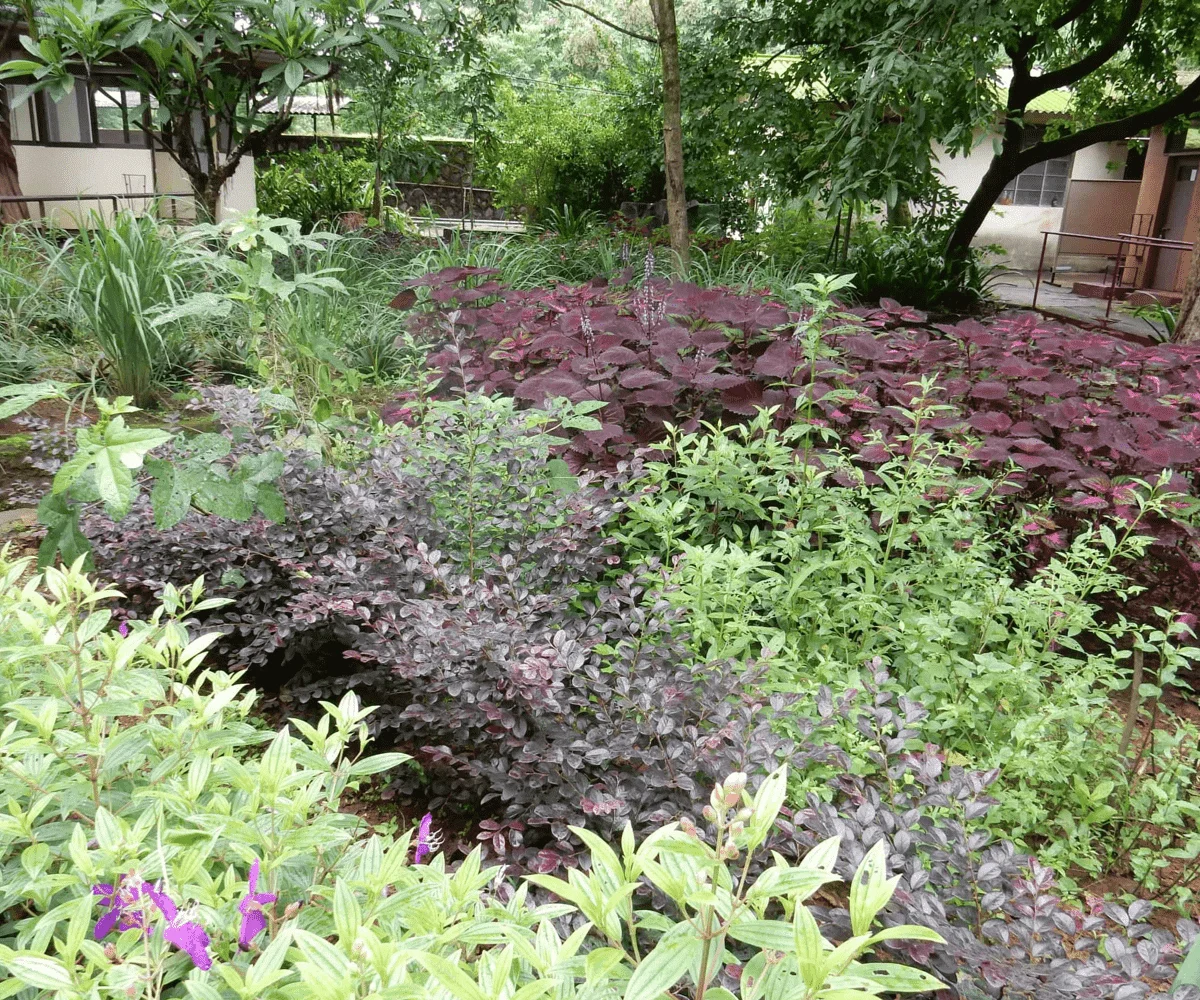
Native or indigenous plants generally doesn’t require as much care, support and interventions as much as exotic or foreign origin plants do. They can sustain themselves easily if the garden is built using the right principles.
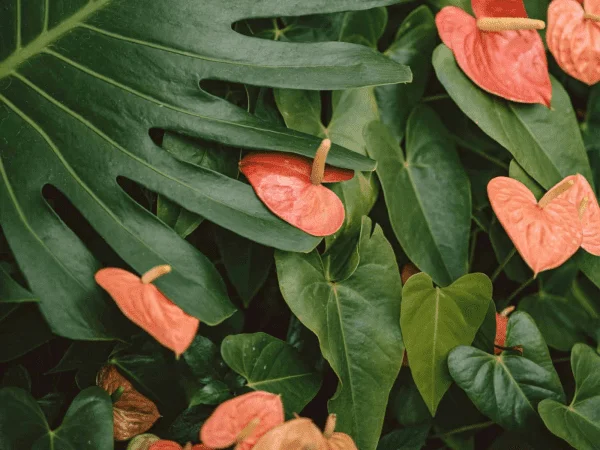
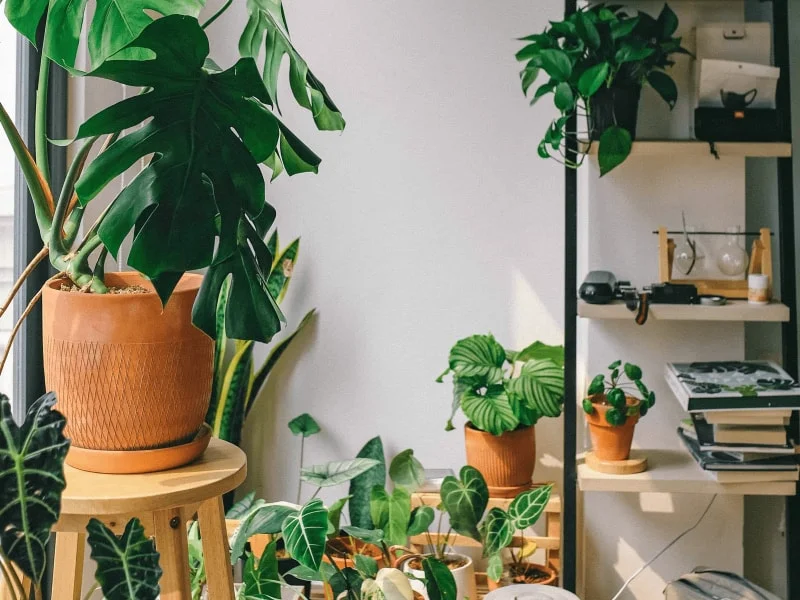
Native plants by default become low-maintenance as they’re well versed with the climatic conditions, weather and environment around them. They have spent centuries learning and adapting to it. These plants deploy their natural, in-built defence mechanism against unpredicted weather changes, pest attacks, or any kind of external influence.

Having said that, plants are like human beings. While they need food, nutrition, air, water among other things, they also need a gardener’s love, care and attention in order to thrive and become fully self-sustainable.

Categories
blog Sustainable Gardening Basics

FAQs: What is the fuss about exotic plants?

If an exotic or non-native plant is introduced in a new country / region, it may thrive equally well like the locals. However, it comes at a cost. Both for you and our environment.

Exotic plants affect the ecological functions in several ways.

Outnumber natives

To survive, exotic plants multiply at a much faster rate than native plants. In the long run, such exotic plants become invasive and push the native plants into extinction.

Degrade soil quality

In the race of survival, exotics end up consuming more nutrients present in the soil. Slowly and gradually, this process deprives native plants of basic nutrition to grow.

Reduce foliage area

Leaf canopy or structure of such plants is usually thin, fragile. Exotic trees such as pine don't let other plants to grow besides them, thus, reducing the green foliage area.

Induce pest attacks

One of the common problems with exotic plantation is frequent pest attacks. Native plants have the immunity to fight known and unknown pests as compared to exotics.

Bring new diseases

Plants from different countries may carry along certain organisms and viruses. Such scenarios can give birth to new diseases among plants on a foreign soil.

A simple observation related to the movement and settlement of birds can give us an idea of this impact.

For instance, birds use their intelligence to recognize exotic trees and avoid building their nests on them in the absence of an alternative. (non-native or exotic trees are weaker in the rooting system as compared to the native trees and are more prone to falling).

On the other hand, invasion, predation of birds is higher when they settle down on exotic trees v/s native, displacing species and eventually leading to their extinction.

Exotic plants are not bad by themselves. They are just plants after all, but happen to be in a different place, unknown environment, and more often bring along a host of issues. The human endeavor to introduce and multiply exotic plants in non-native conditions creates a negative impact on the local ecology.
Categories
blog Client Project Sustainable Gardening Basics

5 native alternatives to popular houseplants

In our earlier post, we talked about the top five exotic houseplants. But what do we use in their place?


Here’s a list of native or indigenous plant that can serve as alternatives to exotic plants in your garden. Such plants are not just similar in terms of size, shape, colours, formation but are pro local environment.

Start by adopting these hardy, low-maintenance indoor plants that can serve as great alternatives to exotic plants.

While creating a new garden or adding plants to your existing one, choose plants wisely. Building a home garden with native varieties has several benefits – for you and our environment.
Categories
blog Sustainable Gardening Basics

Flower of the month – July – Kaner

Kaner
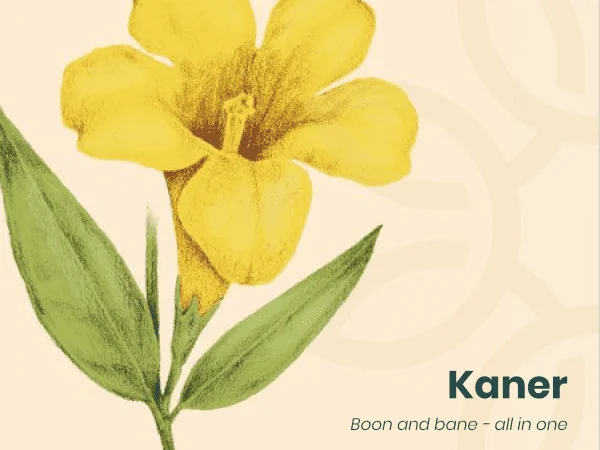
Oleanders or kaner are one the most talked about flowers – for good and bad reasons both.

Kaner or karavira (Nerium indicum) as its popularly known in India, holds a special place in Ayurvedic medicine and Hindu religion. Strong bushy structure, colourful flowers and deep green leaves make it one of the most favourite ornamental plants in landscaping throughout the country.

It is a paradox plant. On one hand it is considered to be highly toxic for humans, pets, birds, etc. On the other hand, this indigenous, hardy plant of India is loaded with healing properties too. Almost all parts of the flower from its roots, barks, leaves have rich medicinal quotient. From skin disorders to treating life-threatening diseases such as cancer, diabetes, etc, Kaner is nothing less than a miracle herb.

As per Vastu Shastra, the white kaner flower is considered to bring wealth and prosperity as its associated with Goddess Lakshmi. On important festivals, kaner is offered to Gods for eternal health and happiness.
Categories
blog Sustainable Gardening Basics

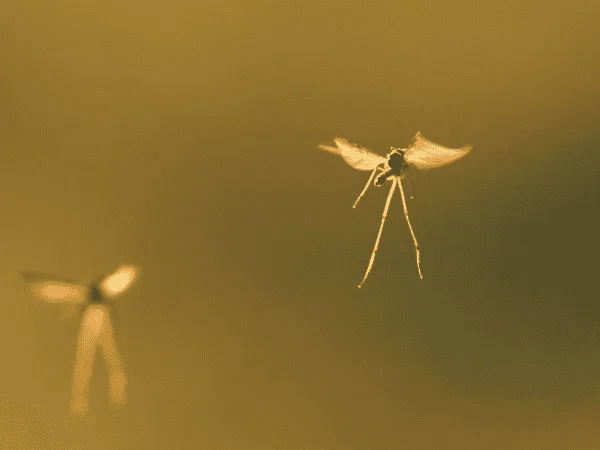
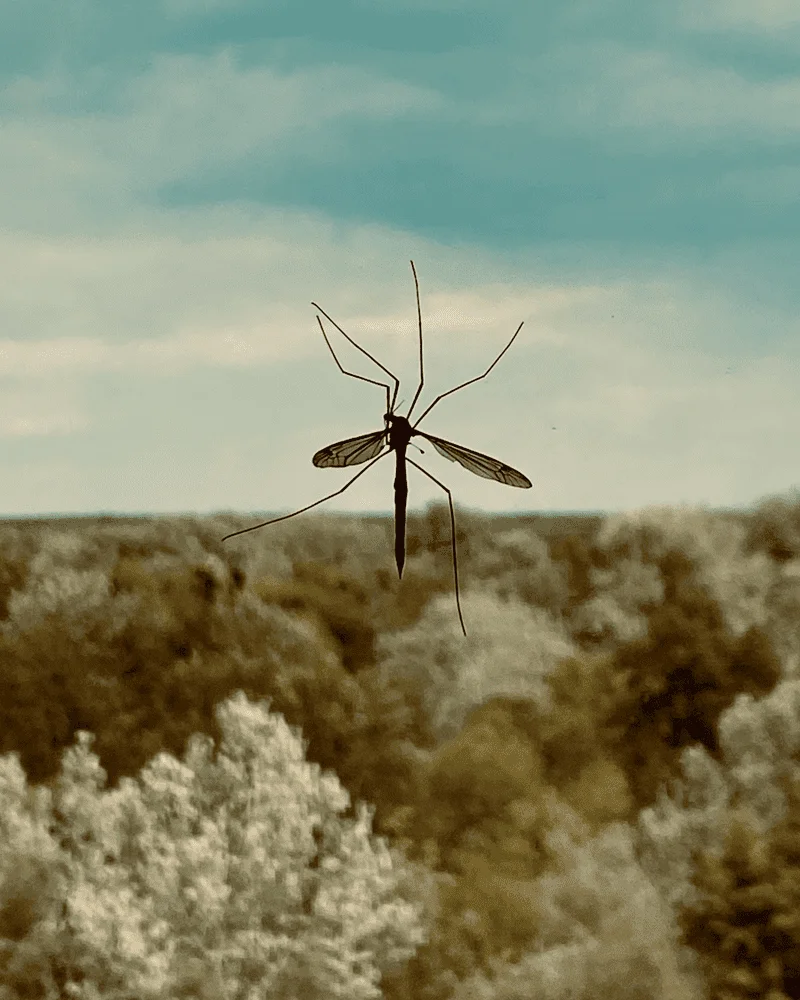
Myths v/s facts: mosquitoes and plants

One of the most debated topics in indoor gardening is that plants are responsible for inviting mosquitoes in homes. Let’s explore the myth and fact behind this.

Myth: Plants attract mosquitoes

Potted plants especially, indoor plants attract mosquitoes. Hence, it is not advisable to keep plants at home.
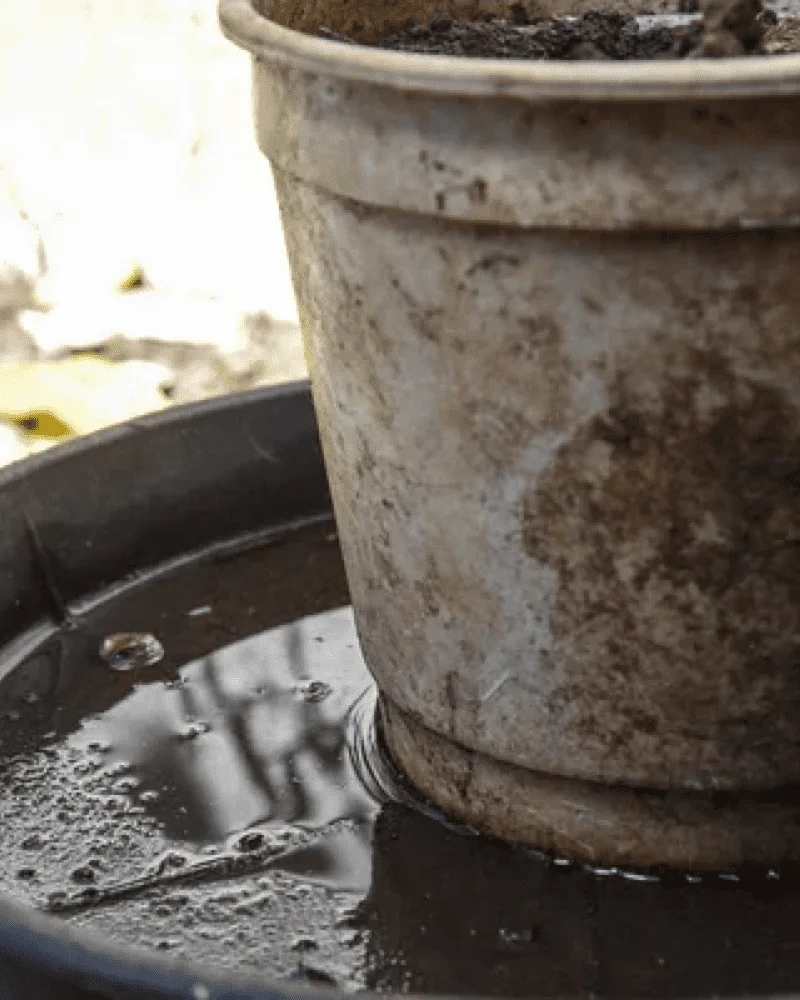
Fact: Water stagnation attracts mosquitoes

Mosquitoes get attracted to water that gets accumulated in trays or planters. Such conditions create their breeding zones.
In houseplants, mosquitoes are usually uncommon. However, they may develop if plants are kept in stagnated or standing water for a long period of time. Such conditions can avoided by maintaining a few simple cleanliness routines.

While watering plants, especially during monsoons, one must ensure to avoid overwatering the plants. Remove trays / plates if your plants are kept outdoors in direct rainfall. For indoor plants, reduce overall watering in a way that it doesn’t overflow in the tray.

If you’ve aquatic plants in urlis or artificial ponds, do not forget to add fish to have a mosquito-free zone. They will prevent any breeding activity, thus keeping the water clean at all times.

Observing hygiene in garden especially, for indoor plants can keep all sorts of insects, pests at bay – for you and your loved ones – plants included.
Categories
blog Sustainable Gardening Basics

Top 5 issues related to home gardening in India

Place of birth

Who doesn’t like Monstera or Pachira? These gorgeous, top-dollar plants have left a long-lasting impression – not just on us but also on our environment.

Native to the Central and South Americas, such plants when brought to a foreign land needs a lot of help to survive. After all, change of place doesn’t impact our health alone but of plants too.

Understanding nativity or place of origin of plants can help you make conscious and cost-effective decisions for your garden.

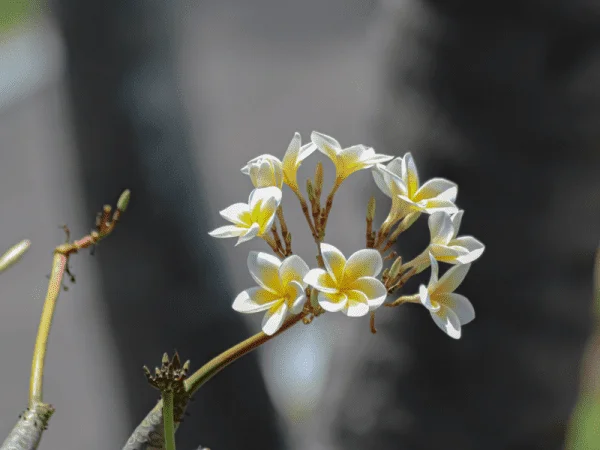
Build your garden instead with native plants such as Champa (Plumeria), Chameli (Jasmine), Balsam (Rose Balsam) and so many other aromatic, medicinal ones.

They will not only uplift your senses but also support the friends of our planet aka bees, butterflies, birds.

Special Growing Conditions

Lucky Jade and Aloe escaped the scorching heat of Africa’s desert to make their way into our tropical and humid climate.

To make such succulents survive, one has to invest in a special soil mixes, growing conditions, etc. to replicate their home environment.

Overwatering and wrong soil mix issues among succulents are the most as compared to other plants,. Such issues reduce their survival rates to negligible.

Instead, choose native succulents such as Malayan Spurge (Euphorbia antiquorum), Indian Spurge / Dog’s Tongue (Euphorbia neriifolia).

Such plants are well-versed with the local environment. It can be a good start to opt for such native, hardy succulents, if you love such plants.

Toxic Content in Plants

Talking about mindless gardening and not mentioning about Dumb Cane will be really dumb on our part.

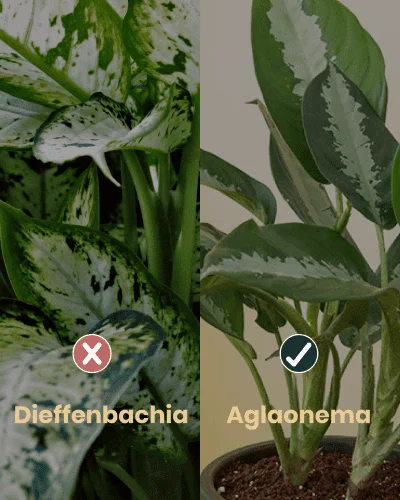
Dieffenbachia, popularly known as dumb cane, has the potential to render someone speechless. It is one of the most toxic houseplants commonly found today. With its poisonous raphides, it can give someone infectious skin allergies to both people and pets.

Similar to dumb cane, most exotic houseplants today such as ZZ (Zamioculcas zamiifolia), Peace Lily (Spathiphyllum) etc have toxic elements which can harmful to humans and animals upon ingestion or exposure.

When you think of creating an outdoor garden, replace such plants with native varieties that have numerous health benefits.

From nettle to neem, select plants that are useful to you, not harmful for your kids, pets or anyone in the family.

Depletion of Resources

Imagine one day you wake up in a city taken over by aliens! As crazy as it sounds, growing exotic plants, especially outdoors, is just like inviting an alien invasion.

In order to survive in unfamiliar, sometimes hostile conditions, such plants reproduce in abundance to create their future generations. In the process, they not only take over the local habitats but also erode soil quality over time by sucking out groundwater, essential nutrients, etc.

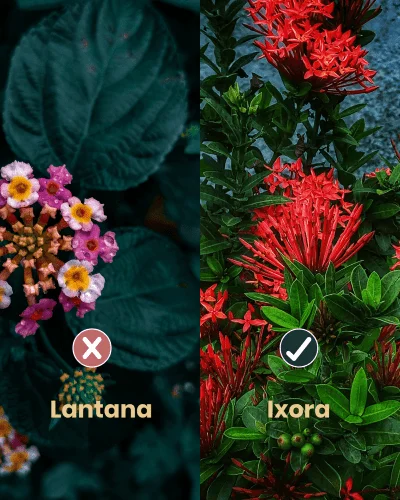
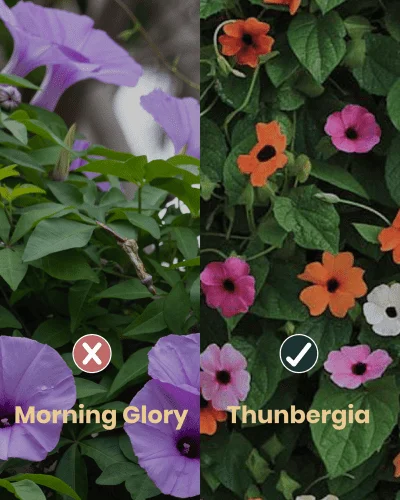
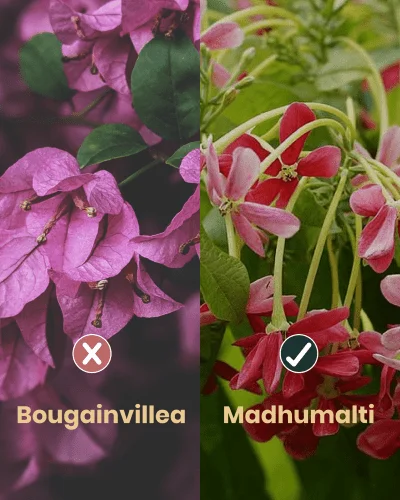
Lantana, Morning Glory, Bougainvillea, Eucalyptus, Pine are a few examples of invasive species in India which have outrun several native plant varieties.

Native alternatives to these plants such as Ixora, Thunbergia, Madhumalti (Rangoon Creeper), Sal, Deodar are beneficial to both – your garden and our environment.

Barrier to Biodiversity

Plants which have originated in some other parts of the world and introduced in an unknown place are known as exotic plants. Such plants are cultivated in controlled environments to make them survive on foreign soil.

Some of the favourite houseplants Pachira, Dracaena have originated in the West and introduced in all parts of the world. Such cultivation not only disrupts the local environmental cycle but also degrades the foreign habitat.

Instead adopting and using plants which are native, originated or endemic to your region can help preserve soil health, biodiversity, among several other benefits.

Keep this is mind the next time you choose plants or seeds for your organic farm or lawn.

Categories
blog Sustainable Gardening Basics

FAQs: Are native plants high on maintenance?

Plants that are naturally and originally found in a particular place or region, who have adapted to the local climate, weather, and soil conditions are native plants.

In brief, a plant is native if it has naturally occurred in a particular geography without anyone’s intervention. Like human beings, plants too, have their ‘native place’. They originated from a certain place but might have travelled to different parts of the world.

Since they’re familiar with the local habitat and ecology, native plants tend to be low on maintenance on the following parameters:

They use lesser pesticides to repel known enemies (pests) as they’ve in-built mechanisms for self-combat.
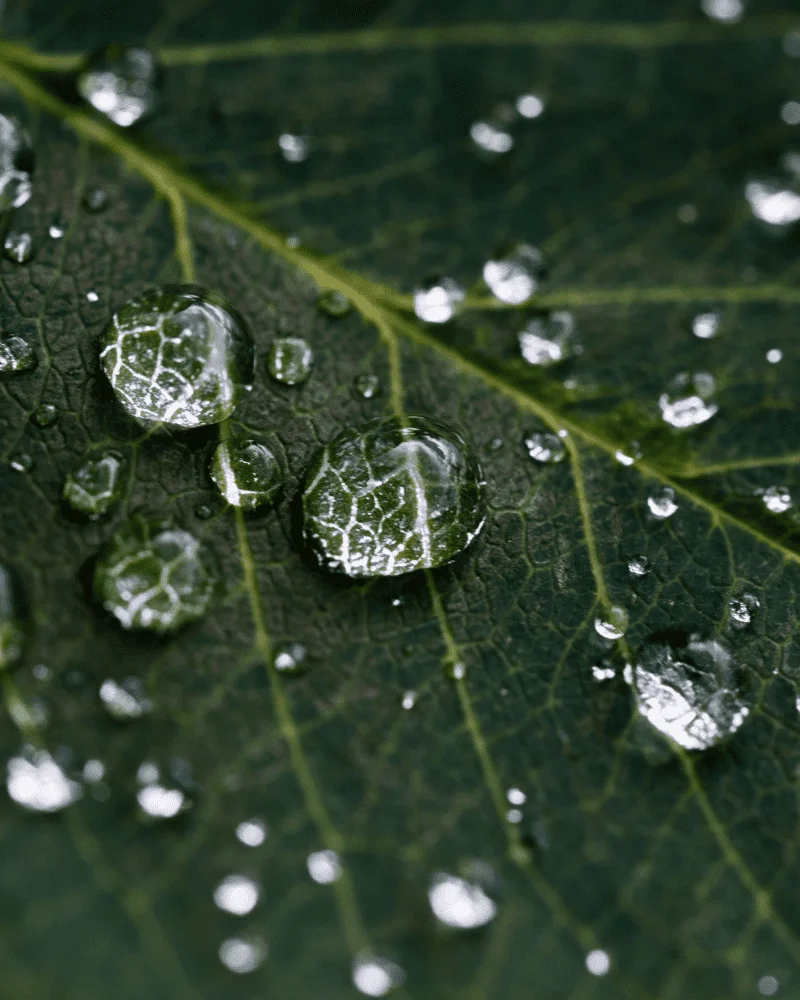
They use lesser water to grow as they store, reuse, distribute water as per the rainfall patterns.

They use lesser fertilizers as they optimize their nutrition intake from all sources – sunlight, water, soil, air.

At a macro level, the symbiotic relationship with the immediate and extended environment over millions and thousands of years have created the most self-sustaining and independent habitats. A good example of this is the Amazon rainforest in South America where each wildlife participant co-exists in harmony. Sadly, the increasing occurrence of forest fires have disturbed this ecosystem due to global warming, deforestation, and other issues.

While starting a garden whether indoors or outdoors, one must try to understand the nativity of plants. Such plants not only add beauty to your garden but also work towards restoring local biodiversity.

In cities like Mumbai, where green public spaces are shrinking, it is imperative for gardeners to make conscious choices. By opting for native or indigenous plants, one can ensure the health of their garden and our environment.