
Categories
blog Sustainable Gardening Basics

Did you know? Plants love terracotta

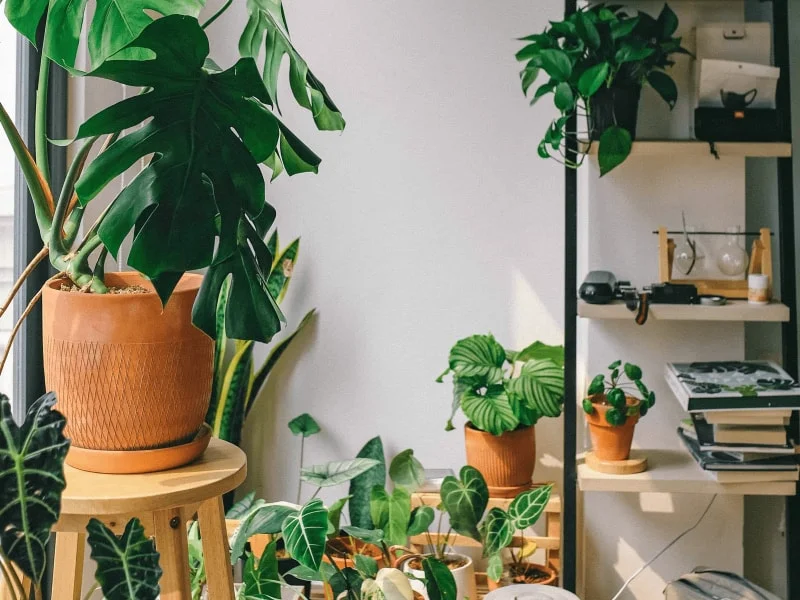
Planters are made out of natural clay are both plant and environment-friendly. Such material is breathable and adjusts as per the outside temperature. In short, plants love and thrive in terracotta v/s other materials. However, they come with their own pros and cons.

Water and air circulation is better in terracotta

The high porosity in terracotta planters allows for air and water to move through the walls. This keeps the plant healthy from root rots, soil erosion, etc.

Terracotta materials also reflects the outside temperature very easily. Hence, problems related to watering can be easily noticed in such planters.

Natural look and patina makes it more desirable

The colour of clay combined with the white deposits on the outer surface can outshine any other material.

In different regions around the world, clay colour can differ from reddish brown to white and even black in a few cases. You can also give it your creative spun
Being a natural material, it is prone to wear and tear

Since terracotta planters are made of natural clay, they’re delicate and can break or crack.

Long exposure to water can bring a deposit of fungus on the outer layer. However, it can be scraped or washed once the temperature is dry enough with a cloth or tissue.
Categories
blog Sustainable Gardening Basics

FAQ: How to create a sustainable garden?

Such balanced, consistent, and self-sustained ecosystems require minimal or no intervention, resulting into ecological conservation at a macro level.

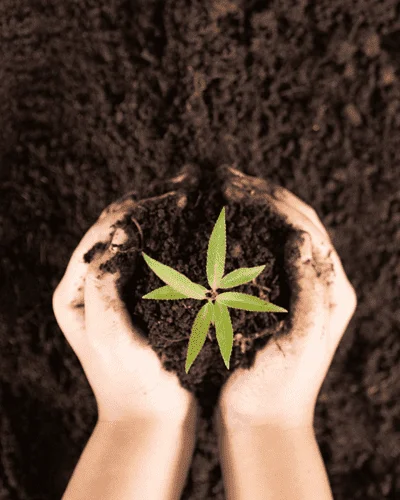
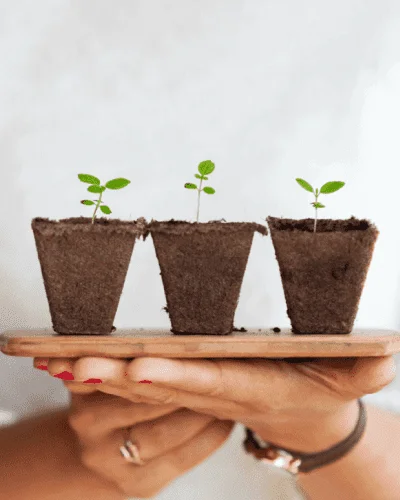
At an individual level, choosing eco-friendly materials, native plants, optimising time and resources to create your home garden, makes it sustainable.

Such methods encourage natural ways of –

Growing

(with no frills attached)

Fertilization

(where the kitchen is the gold mine)

Pest control

(when the job can be done gently)

Watering

(when less is more)

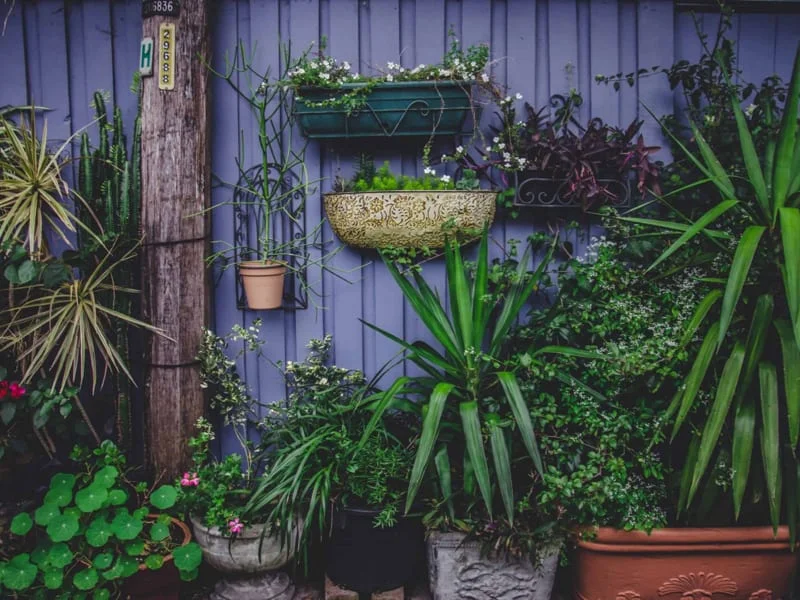
Creating a sustainable garden at home requires a holistic approach towards incorporating natural ecosystems at a smaller scale. From the choice of planter materials to the type of plants and maintenance of gardens, one can create a self-sustaining microcosm within the confines of one’s home.
Categories
blog Sustainable Gardening Basics

Myths v/s facts: mosquitoes and plants

One of the most debated topics in indoor gardening is that plants are responsible for inviting mosquitoes in homes. Let’s explore the myth and fact behind this.

Myth: Plants attract mosquitoes

Potted plants especially, indoor plants attract mosquitoes. Hence, it is not advisable to keep plants at home.

Fact: Water stagnation attracts mosquitoes

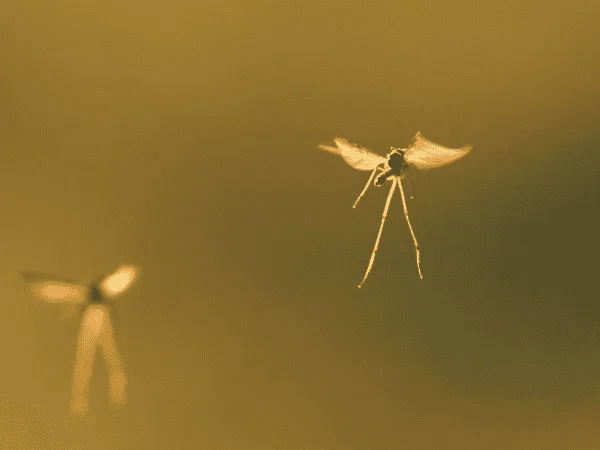
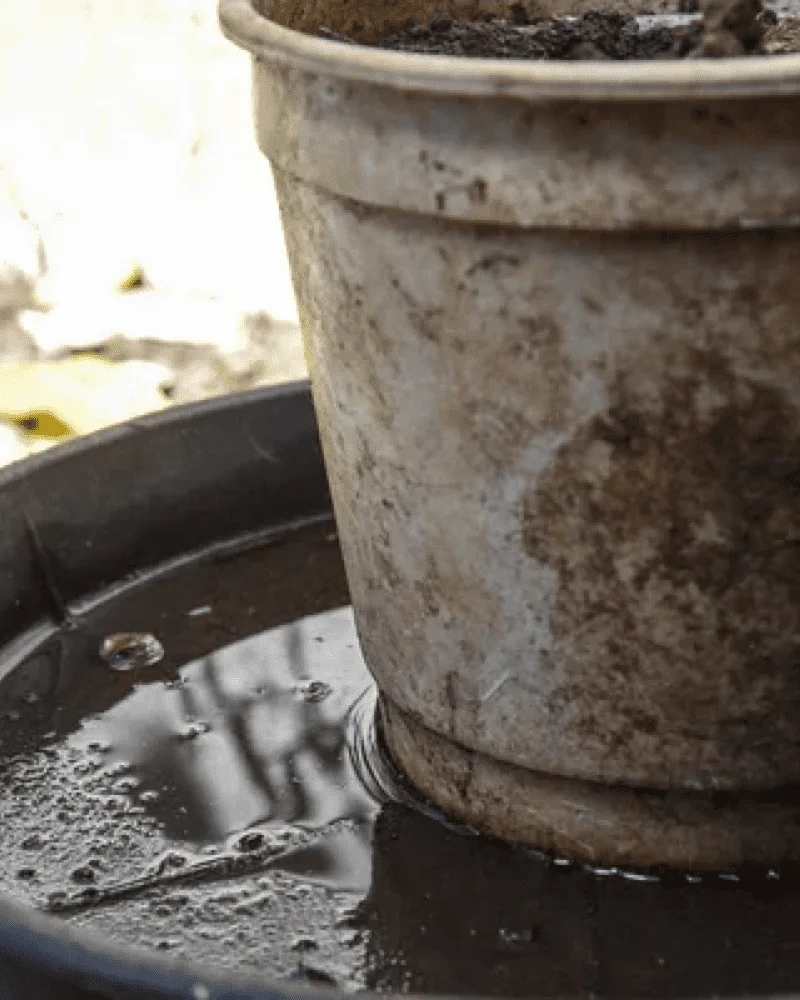
Mosquitoes get attracted to water that gets accumulated in trays or planters. Such conditions create their breeding zones.

In houseplants, mosquitoes are usually uncommon. However, they may develop if plants are kept in stagnated or standing water for a long period of time. Such conditions can avoided by maintaining a few simple cleanliness routines.

While watering plants, especially during monsoons, one must ensure to avoid overwatering the plants. Remove trays / plates if your plants are kept outdoors in direct rainfall. For indoor plants, reduce overall watering in a way that it doesn’t overflow in the tray.

If you’ve aquatic plants in urlis or artificial ponds, do not forget to add fish to have a mosquito-free zone. They will prevent any breeding activity, thus keeping the water clean at all times.

Observing hygiene in garden especially, for indoor plants can keep all sorts of insects, pests at bay – for you and your loved ones – plants included.
Categories
blog Sustainable Gardening Basics

Microblog Series: 3 things that make your plant happy

Plants may not be demanding your attention most times. However, like us, they also need suitable environment to flourish and grow in life. A little insight in their likes and dislikes can help you cultivate a happy and healthy garden.

Here’s a list of three basic and simple routines that are beloved to your indoor and outdoor plants:

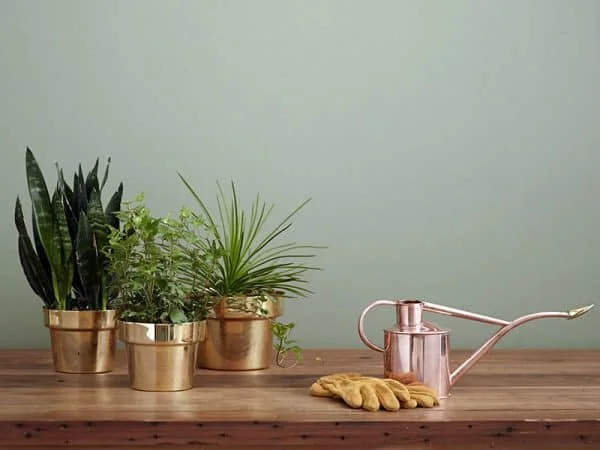
Planters that are made out of natural clay are both plant and environment-friendly. Such material is breathable as it allows oxygen’s inflow and outflow.

Additionally, terracotta let’s the water dry out as compared to other materials hence minimising the chances of root rot in plants. In short, plants love and thrive in terracotta v/s other materials.

Watering is the most important aspect for potted plants. How we water them makes a huge difference in their growth stimulation.

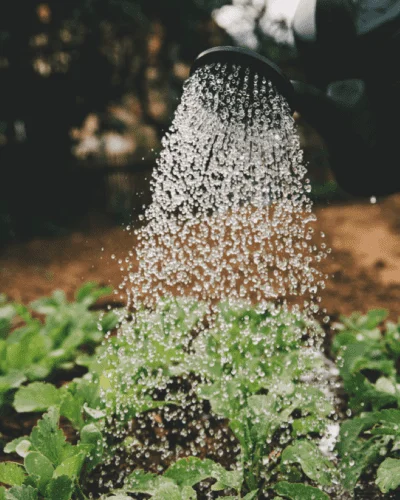
Showers make them nostalgic of rains – something that they eagerly await for every year. Watering cans with shower-heads work best for plants as they spread the water evenly in the soil.

Nutrition in plants mainly comes from soil. While good organic soil is good enough to provide essential nutrients to plants, they do need top-up dozes too.

Fertilizers derived from desi-cow breeds such as cow dung cakes, jeevamrut are beloved to plants, more than even vermi-compost and other forms of bio fertilisers.

Categories
blog Sustainable Gardening Basics

How home gardening can support local biodiversity and ecosystem

Charity begins at home and so does, change.

A small change in our gardening practices can go a long way in creating a sustainable garden. And it all starts from choosing the right kind of plants.
When it comes to create indoor or outdoor gardens, plants are often seen as objects of décor, aesthetics, and beauty.
However, they serve a much larger purpose of providing various tangible and intangible benefits to all living and non-living things on earth.

Take for instance, the pipal (ficus religiosa, the sacred fig tree).

It is a thriving ecosystem within itself with every inch, and function of the tree designed to support life.

From aiding natural reforestation through seed dispersal to giving shelter to fruit-eating birds and insects, this benevolent pipal tree has something in store for all.

Like pipal, India boasts of over 18,000 native species of plants that play an important role in supporting local biodiversity and human life in form of food, shelter, resources, medicine.

Here are a few ways in which you can support a natural ecosystem through your home garden. For both indoor and outdoor garden, choose these types of plants:

1. Plants that are native or indigenous to the place of your stay.

Plants that are native or indigenous to the place of your stay. Such plants are well-equipped to handle the climatic, soil, water conditions and hence, put lesser strain on the environment.

2. Plants that attract pollinators such as birds, bees, butterflies

Plants that attract pollinators such as birds, bees, butterflies. You can share nature’s bounty with them as they help in pollinating seeds from where we get our own food.

3. Plants that optimise therapeutic benefits

Plants that optimize therapeutic benefits from gardening for you and others. From flowers that spread their sweet fragrance in your spaces to providing nectar to butterflies, choose native flowers.

4. Plants that can distinguish beneficial insects from garden pests

Plants that can distinguish beneficial insects from garden pests and protect other plants from being infected. Just like us, plants also have their own in-built, self-defence system.

5. Plants that supplement growth of other fellow plant

Plants that supplement growth of other fellow plants and not outrace, strangle them to make them extinct. Community sharing is one common quality between us.

Such knowledge and conscious choices can go a long way for home gardeners in supporting a natural ecosystem.

Next in this series: Can a home garden sustain itself without our intervention