
Categories
blog Sustainable Gardening Basics

Why should housing societies invest in a sustainable garden?

An evening stroll in the garden and came back with an itchy skin? Your pet accidentally chewed on some leaves and felt uneasy? Maintaining the health, look of your garden is digging a hole in your pocket?
If any of the above scenarios read familiar to you, then it’s time to transform your society garden into a sustainable garden. As pretentious as it may sound, it is just about going back to our roots.
1) People-Friendly:
Since society gardens are used by everyone, especially the vulnerable – children, senior citizens, pets, one must be conscious of the plants being used in such spaces. A few plants are known to be highly toxic for the above groups such as Dieffenbachia, Lantana, Morning Glory, Croton, etc. Instead using native plants can create a safer space for all.

2) Environment-Friendly:
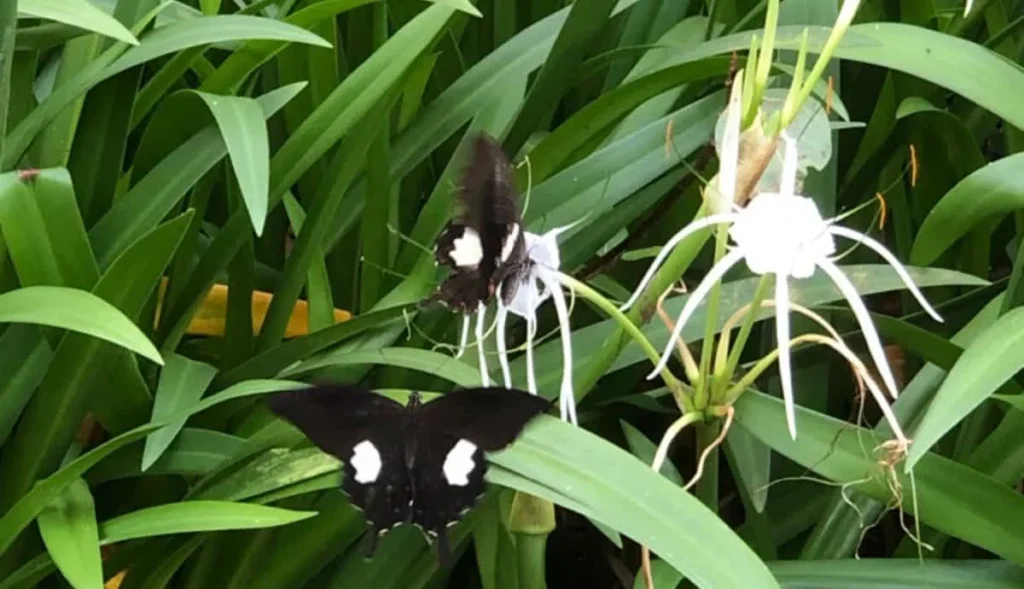
What is the purpose of a garden without its residents? The sight of butterflies and the melody of birds makes a garden pleasurable. By using chemical-free, organic fertilizers, pesticides or any other plant care materials, every small space can do its bit in protecting biodiversity. At the same time, using such natural products enhances soil health, longevity of plants and reduces its carbon footprint.
3) Pocket-Friendly:
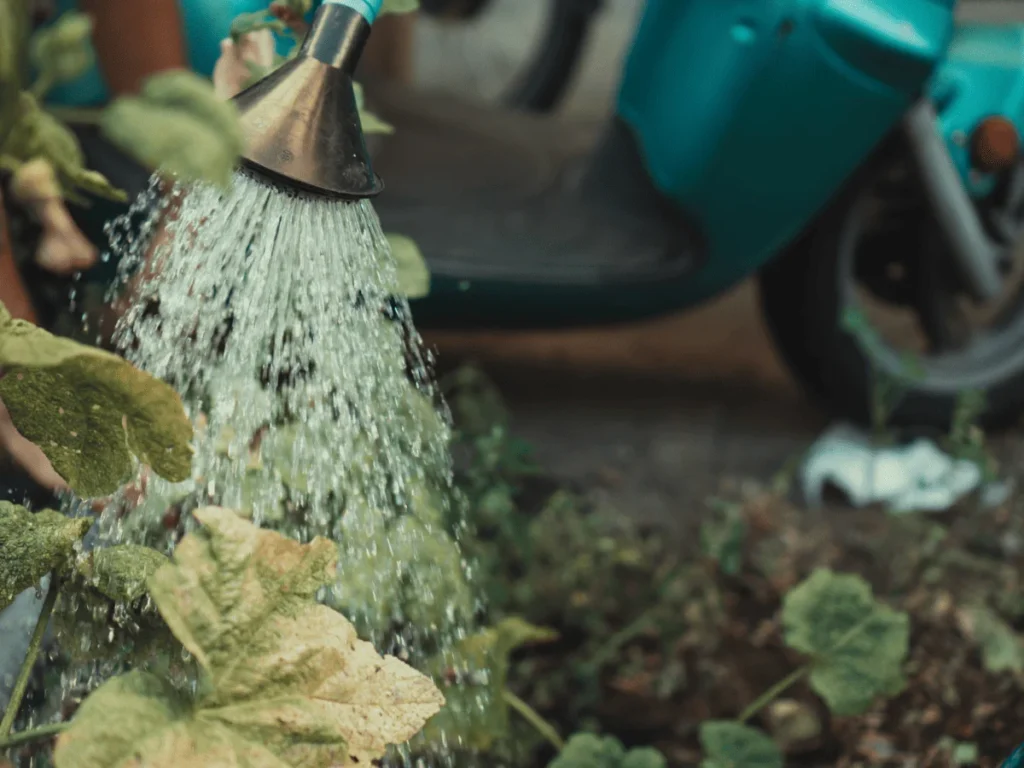
Can we create a garden which is aesthetic and low on maintenance at the same time? Yes, of course. Replacing exotic plants with native / indigenous and hardy varieties can not only increase your garden’s lifespan but also reduce maintenance costs to a considerable extent. Native plants are well-adapted for our local climate. This means, they’re more resistant to pests – hence, reducing the use of pesticides. They contribute more towards soil nutrition – hence, reducing the use of fertilizers. They’re hardy in nature – hence, they tend to survive better in harsher weather conditions – hence, reducing the replantation efforts.
To sum up, the choices that we make in our gardens make them sustainable. Choices that put self-sustenance at the centre of garden design. Choices that create a balance between contemporary aesthetics and traditional wisdom.
If any of the above scenarios read familiar to you, then it’s time to transform your society garden into a sustainable garden. As pretentious as it may sound, it is just about going back to our roots.Be it the colours from flowers, the vibrancy from birds and butterflies, the joy of growing your own organic food or a cooler sense of surroundings, a garden has much more to offer than one can think. From improving our physical, mental, spiritual, emotional, to even social health, it can enhance our quality of life. Not just for us, but everyone around us.
Categories
blog Sustainable Gardening Basics

Did you know? Plants love terracotta

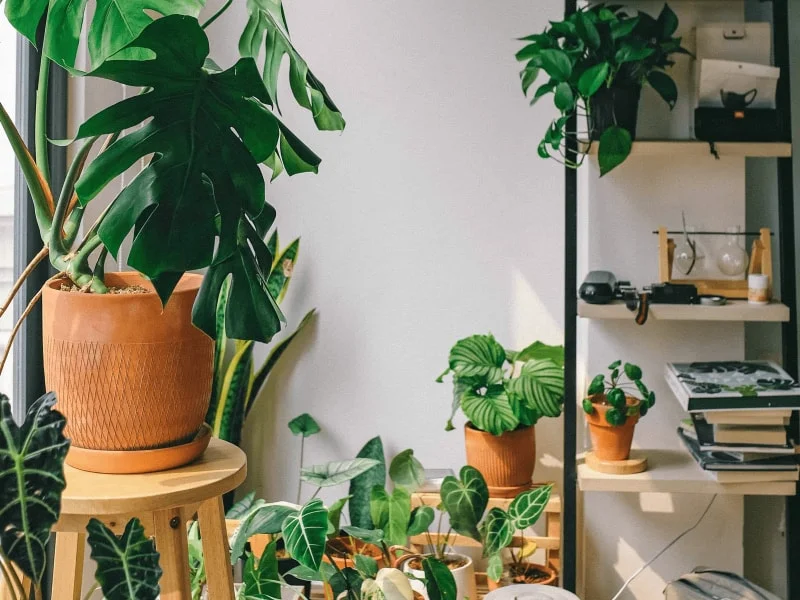
Planters are made out of natural clay are both plant and environment-friendly. Such material is breathable and adjusts as per the outside temperature. In short, plants love and thrive in terracotta v/s other materials. However, they come with their own pros and cons.

Water and air circulation is better in terracotta

The high porosity in terracotta planters allows for air and water to move through the walls. This keeps the plant healthy from root rots, soil erosion, etc.

Terracotta materials also reflects the outside temperature very easily. Hence, problems related to watering can be easily noticed in such planters.

Natural look and patina makes it more desirable

The colour of clay combined with the white deposits on the outer surface can outshine any other material.

In different regions around the world, clay colour can differ from reddish brown to white and even black in a few cases. You can also give it your creative spun

Being a natural material, it is prone to wear and tear

Since terracotta planters are made of natural clay, they’re delicate and can break or crack.

Long exposure to water can bring a deposit of fungus on the outer layer. However, it can be scraped or washed once the temperature is dry enough with a cloth or tissue.

Categories
blog Sustainable Gardening Basics

Can a home garden sustain itself, without our intervention?

Foreign or exotic plants that are cultivated or introduced somewhere else often become invasive in a foreign land and environment. Such invasion wipes off the native plants and local habitats with speed. When exotic plants outnumber native plants, it affects the biodiversity as the birds, bees, insects, don’t find them conducive for survival.

Their survival has a direct impact on our lives too with our food-chain being impacted among other aspects. To maintain such exotic gardens, one needs to adopt modern technology and products such as fertilizers, pesticides, insecticides, artificial light, water conditions et al. The cost of creating such ‘beautiful’ gardens is not only borne by the ecosystem but also our treasuries eventually.

On the other hand, gardens that embrace local, indigenous plants require negligible human assistance to thrive. Just like a natural forest.

Five factors why native gardens are self-sustaining because:

1) They require minimal maintenance as such plants don’t need additional water, fertilizers, pesticides to survive

2) They are well-versed with local climatic conditions and are inherently designed to combat them naturally

3) They can create a natural paradise for local butterflies, birds & other species that make the garden alive in a real sense

4) They work with other plants in their community to share and conserve nutrients with their root network

5) They have well entrenched roots that tend to survive the harshest rains, winds, or storms unlike exotic ones

Making conscious choices can lay a root-solid fundamental for your garden whether it is as small as your window or as large as your farm.

Next in this series: How sustainable gardening can help reduce negative impact on our environment