Categories
Private Villa Work

Maison Lodha Park, Lower Parel

Private Villa

Maison Lodha Park,
Lower Parel

work I do        Terrace Garden Lawn

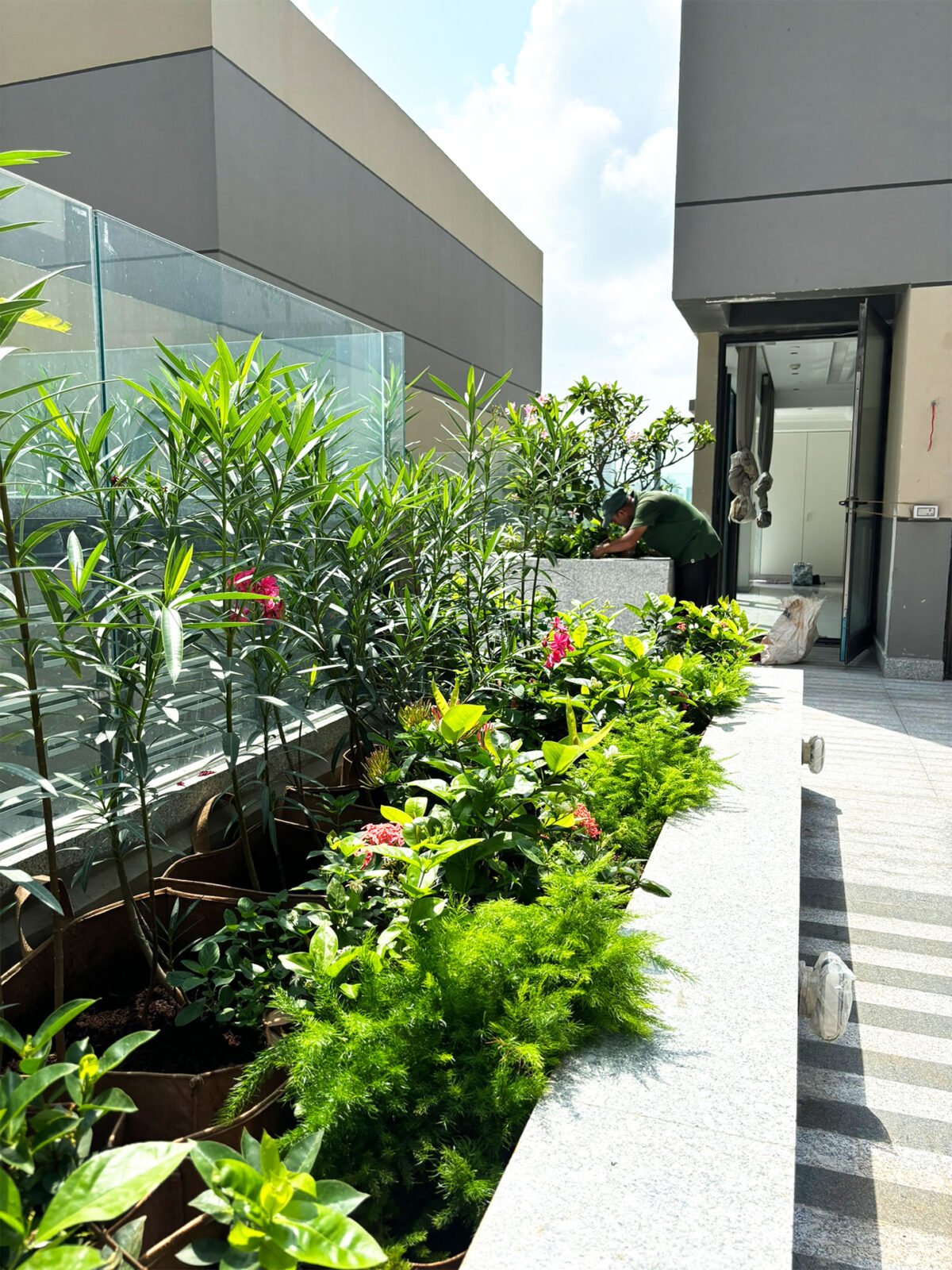
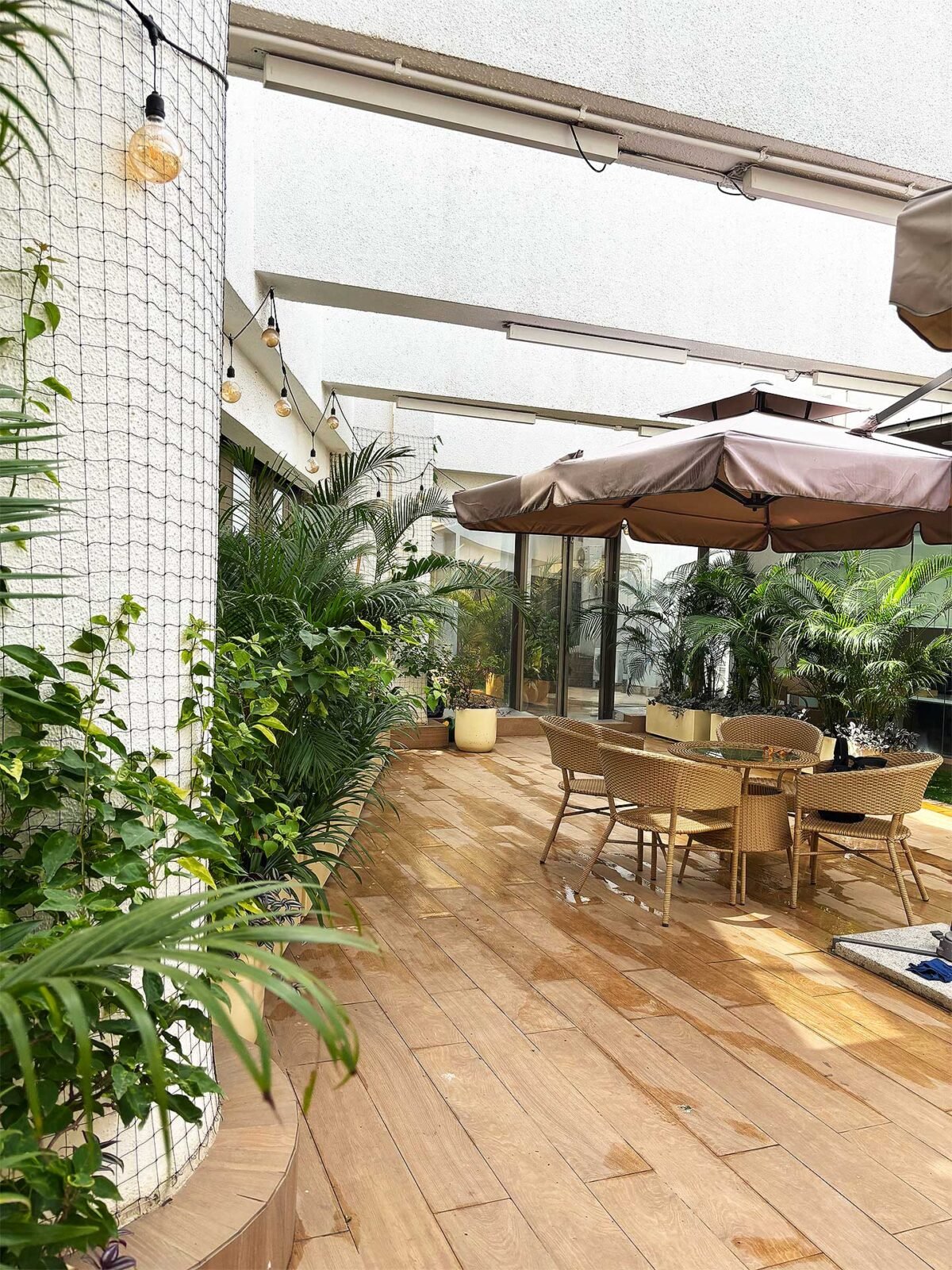
Newly designed 3 storey private villa consisting of terraces on each level and a central lawn, this garden was designed to optimize the functionality, aesthetics and sustainability for the family.

Consisting of bespoke solutions such as raised beds and geofabric grow bags, each planter bed served a different purpose. Aromatic flowering plants and herbs, ornamental layers, medicinal and edible plants, this garden saw a unique mix of sensory experiences to elevate everyday outdoor living. 

More Similar Works

Categories
Wellness Centre Work

Golds Gym, Breach Candy

Wellness Centre

Golds Gym,
Breach Candy

work I do        Terrace Garden

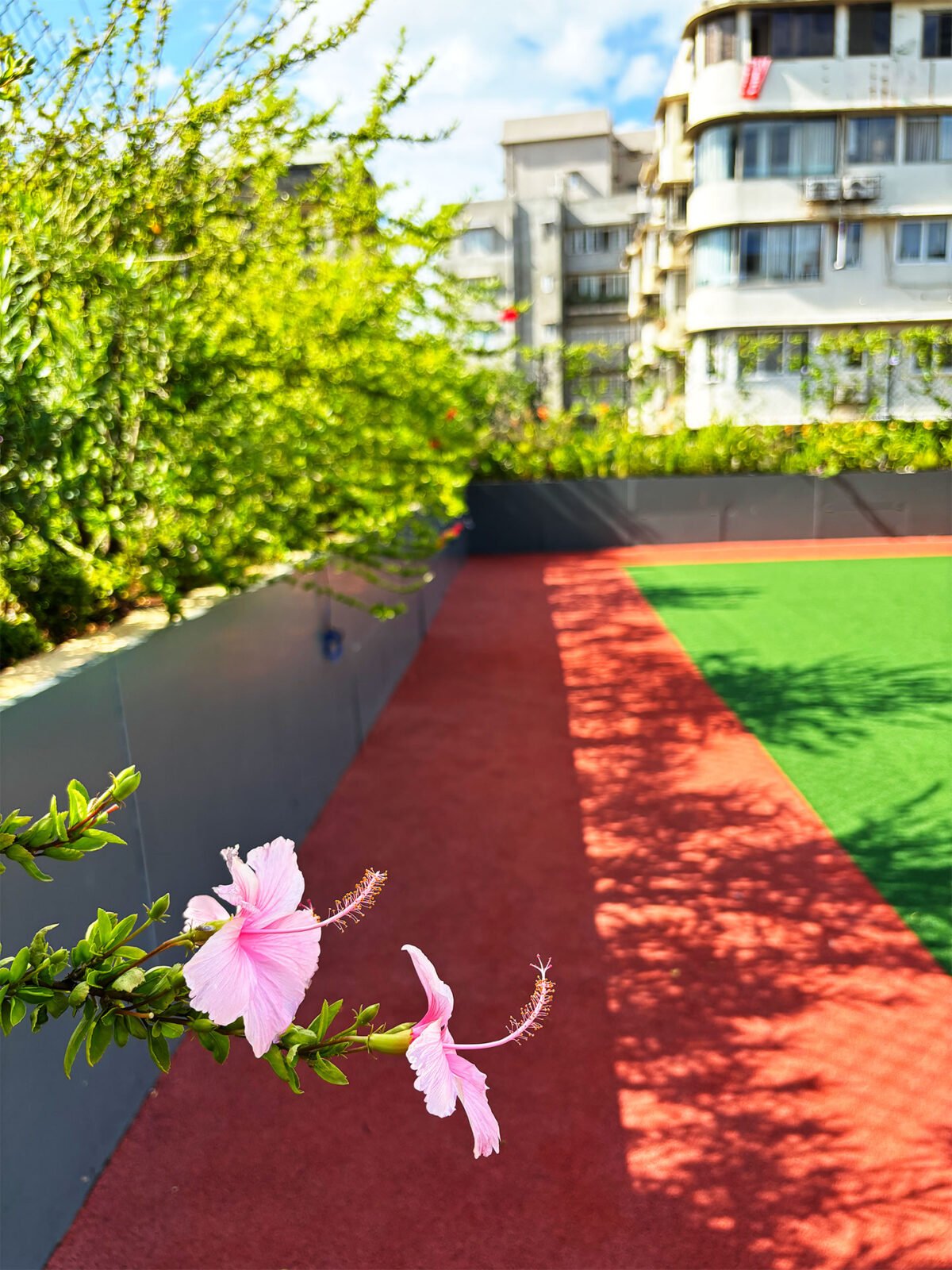
Creating a welcoming and relaxing environment for the gym-goers was the key focus of setting up this terrace garden.

To maintain privacy from the neighboring visibility, a tall hedge of climbing plants was created throughout the perimeter. Fast-growing native climbers such as Thunberg grandiflora, Convolvulus prostrates, were used to erect natural green walls. A mix of colorful flowering plants elevated the overall aesthetics, reducing maintenances and sensory experience of the fitness enthusiasts.

More Similar Works

Categories
Private Residence Work

Crescent Bay, Parel

Private Residence

Crescent Bay ,
Parel

work I do        Balcony Garden Indoor Plants

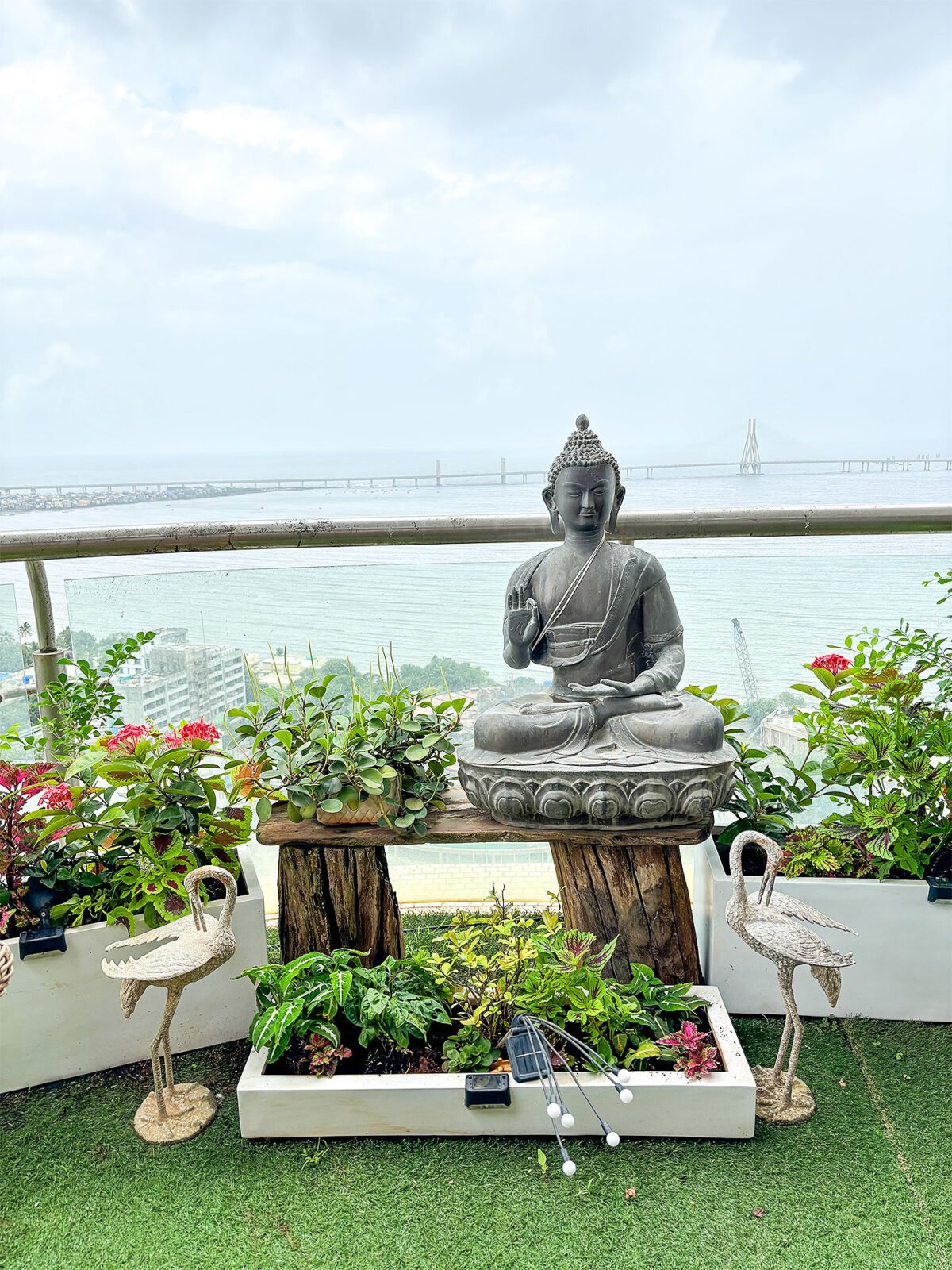
5 huge balconies, in this prime high-rise residential complex, boasting of 5 different looks, was the client brief. Each balcony was given its unique character, keeping its ultimate user in mind.

Personalized planters for each balcony and indoor space, native hardy plants to withstand strong rains and perennial winds, custom-made trellises and racks to grow climbing flowers, herbs and other edibles were one of the few highlights of this thriving private garden.

More Similar Works

Categories
blog Sustainable Gardening Basics

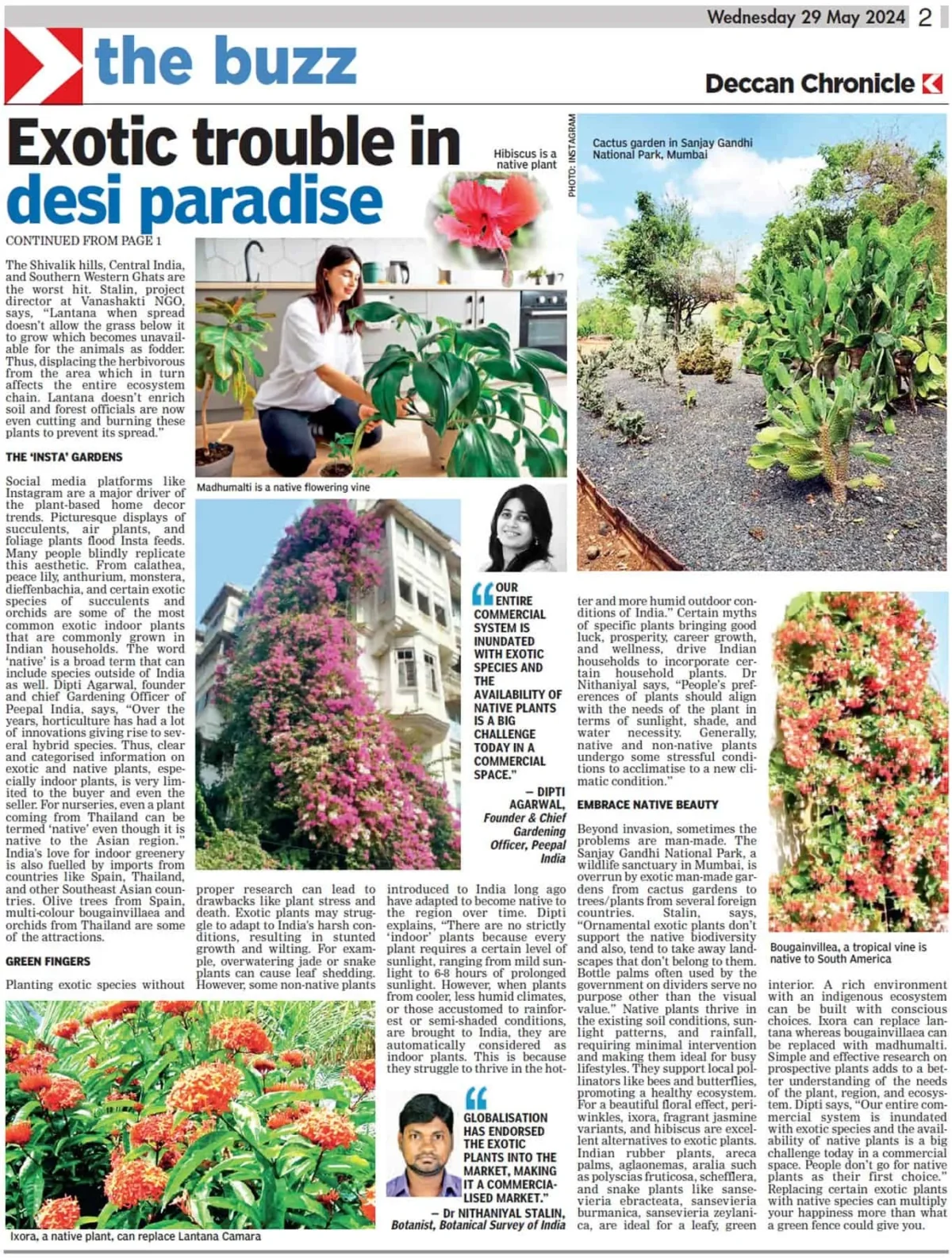
Exotic Trouble in Desi Paradise

People’s craze for ‘rare’ and ‘exotic’ foreign plants is posing a threat to urban green covers and natural forests, nearly 66% of India’s natural systems are threatened by invasive plant species
Exotic plants like the Lantana camara and Water Hyacinth are invading India’s natural ecosystems, posing a threat to native species and biodiversity. Meta Keywords and Phrases: exotic plants India, invasive species, native plants, urban gardening, Lantana camara, Water Hyacinth, biodiversity threat, indoor plants, Indian wildlife, ecological impact, gardening trends, native vs exotic plants. (Image by arrangement.
Categories
blog Sustainability Sustainable Gardening Basics

Pal Talks November – December 2023

It is that time of the year when you wake up to a slight nip in the air. Your plants are gearing up for the seasonal changes. Growth eases out, leaves change their colour, start falling to increase defence mechanism in fall.

People’s craze for ‘rare’ and ‘exotic’ foreign plants is posing a threat to urban green covers and natural forests, nearly 66% of India’s natural systems are threatened by invasive plant species

3 things to look out in potted plants during this season

1. Water

Do not overwater your plants as temperature is cooler now. Check topsoil before watering.
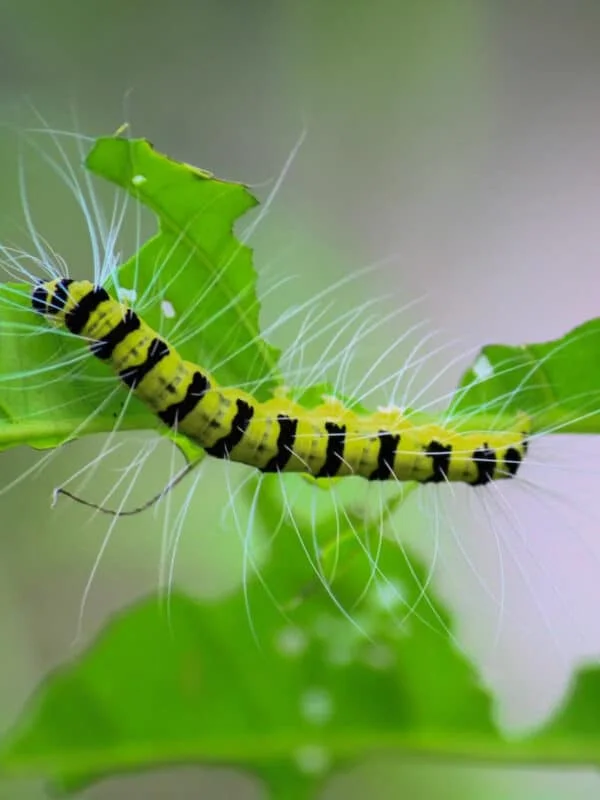
2. Fungus & pests

Dryness, excess water may increase fungus, spider mites, other leaf sucking pests.
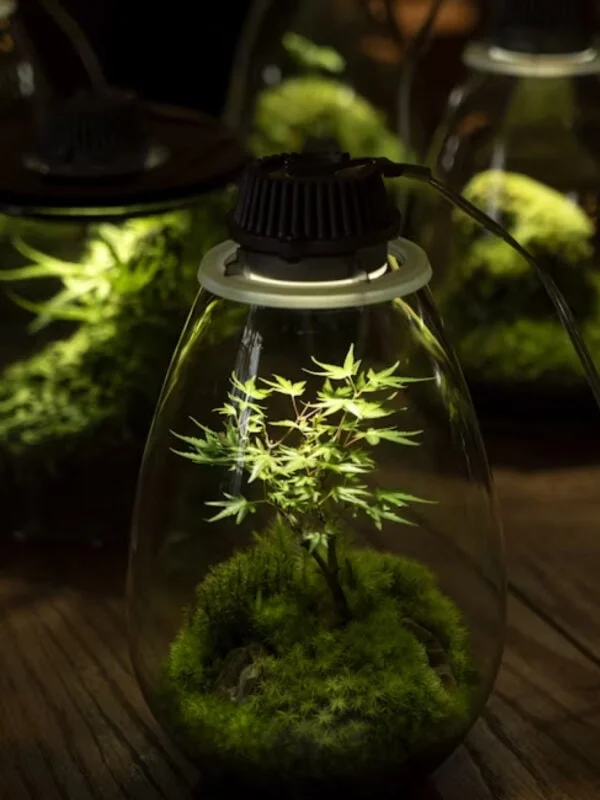
3. Brightness

Shift plants in a warm, brighter spot or keep room lights on, especially during evenings.
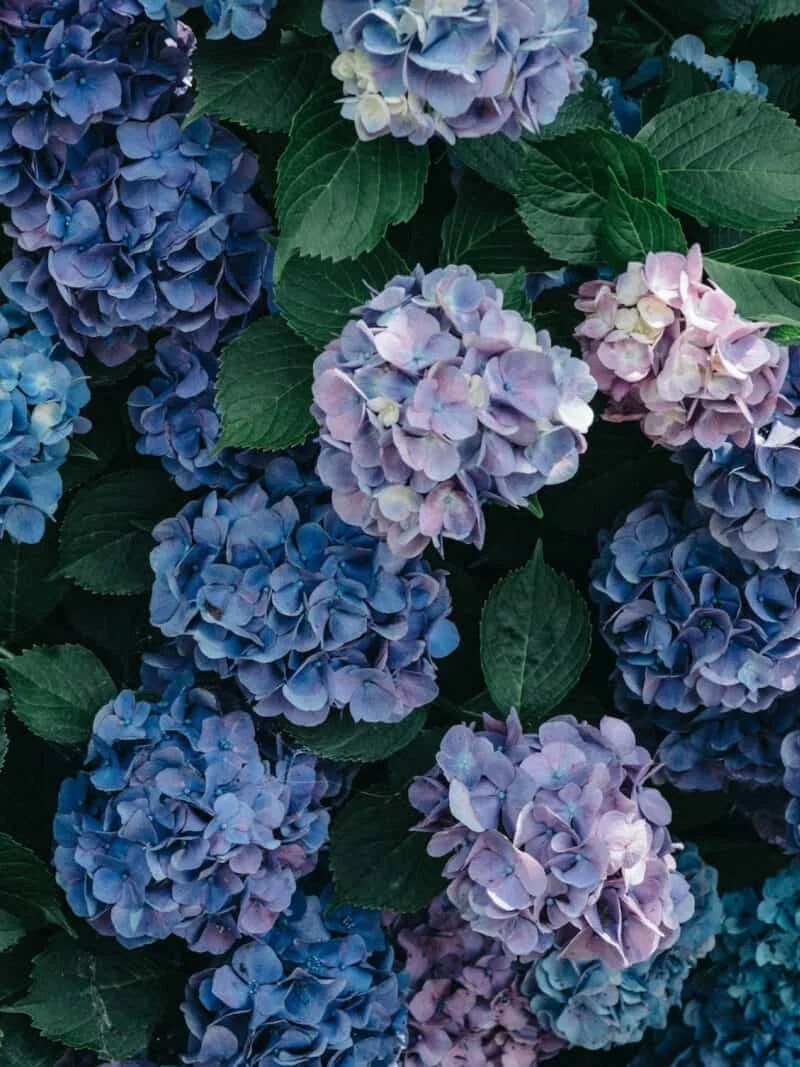
Plant of the Month

Hydrangea. A winter flower, hydrangeas come in different colours and sizes. For hedges or pots, this flower is a bouquet in itself.

DIY Fungicide

Make this easy decoction to fight fungal infections in plants. Mix and apply turmeric & cinnamon powders in equal parts and apply on topsoil.


Categories
blog Sustainable Gardening Basics

Pal Talks September-October 2023

The much needed elixir – rainwater, has enriched your garden recently. Plants are rejoicing this period of growth and abundance.​

However, this season brings along its own set of challenges too, especially for indoor plants.​

3 things to look out in potted plants during this season

1. Moisture & water

Regulate watering according to sunny & rainy days
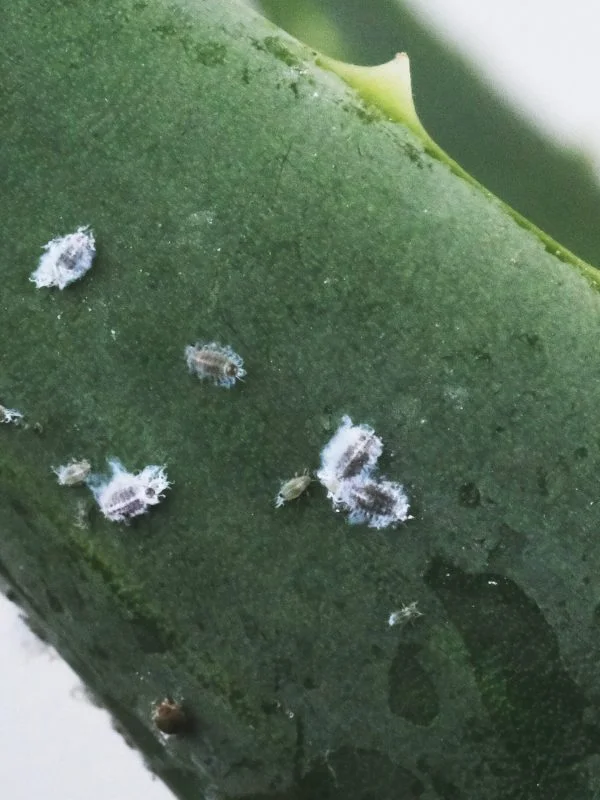
2. Humidity & pests

Increased humidity = sticky pests. Keep the planters, plates dry.
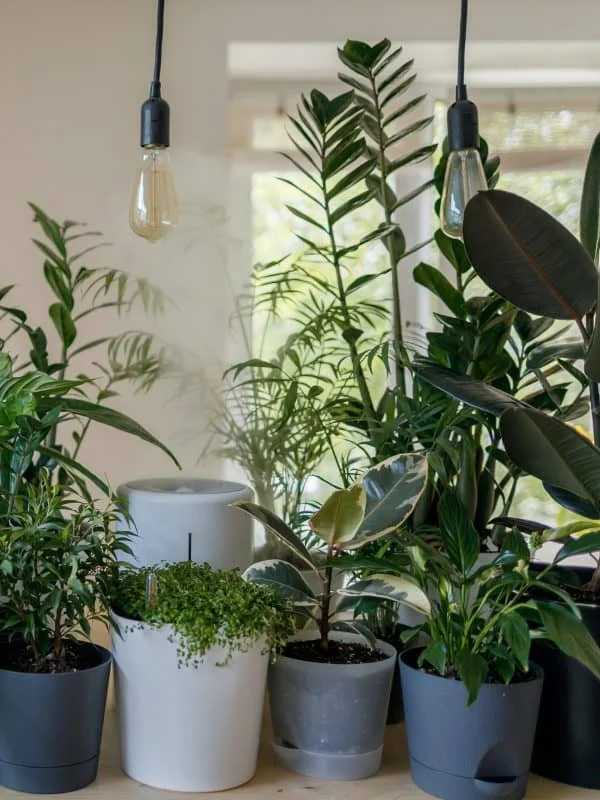
3. Light & dampness

Shift plants in a warm, brighter spot or keep room lights on for a bit.
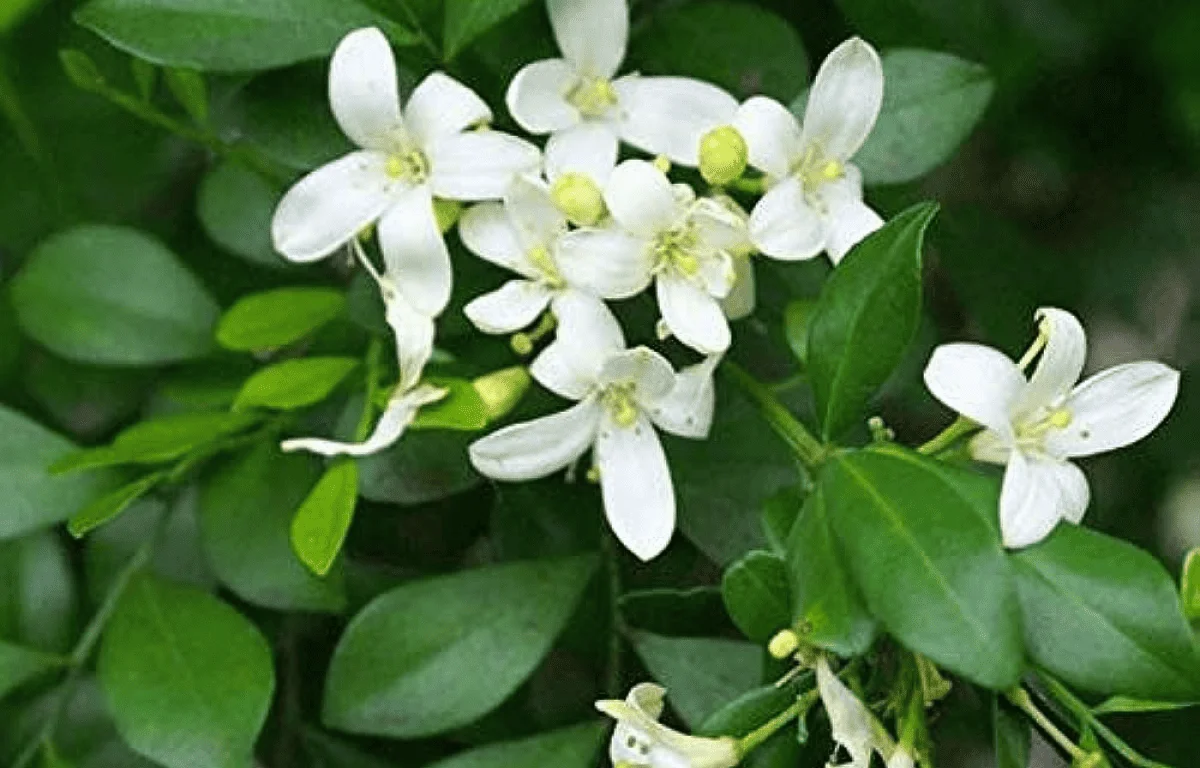
Plant of the Month

Madhukamini. It’s not too late to bring home this beauty. Not just flowers, leaves are fragrant too. Can easily grow in pots or lawns
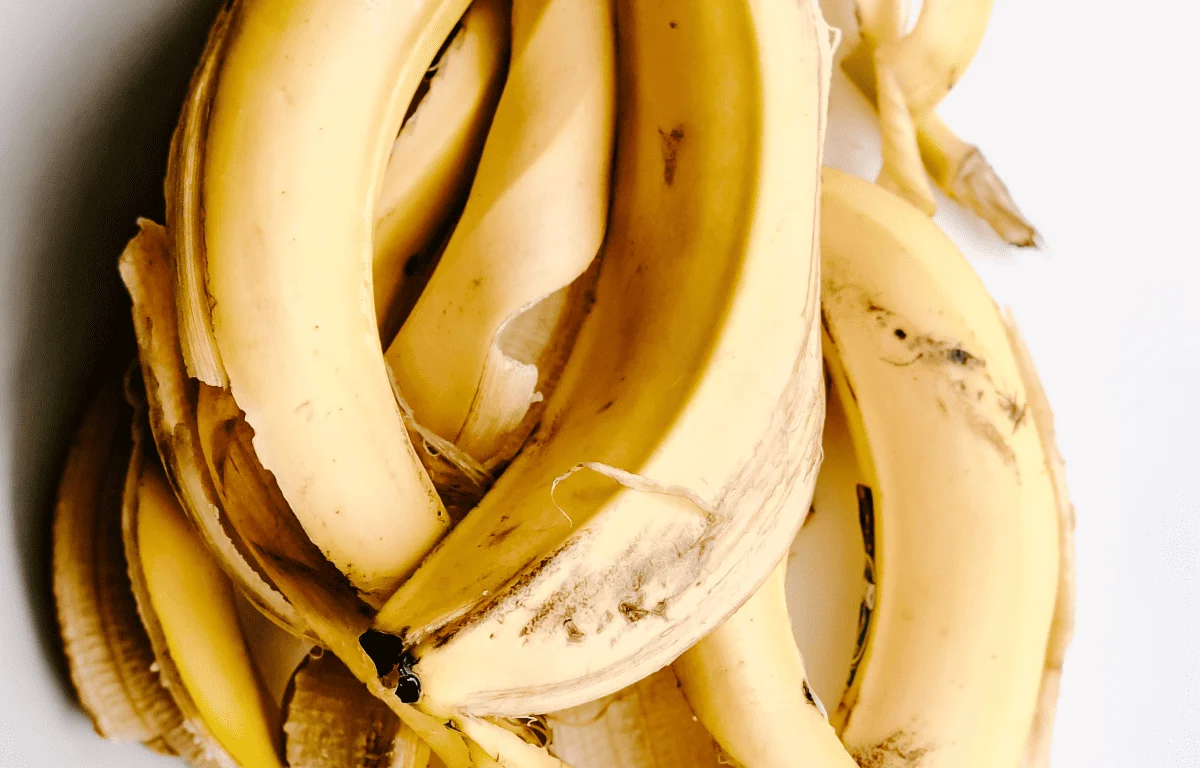
DIY Fertilizer

If you love bananas, keep the peels. Cut them small, soak in water for 36 hours, dilute it further and give this nutrient-rich liquid fertilizer to your plants.

Categories
blog Sustainable Gardening Basics

Why should housing societies invest in a sustainable garden?

An evening stroll in the garden and came back with an itchy skin? Your pet accidentally chewed on some leaves and felt uneasy? Maintaining the health, look of your garden is digging a hole in your pocket?
If any of the above scenarios read familiar to you, then it’s time to transform your society garden into a sustainable garden. As pretentious as it may sound, it is just about going back to our roots.
1) People-Friendly:
Since society gardens are used by everyone, especially the vulnerable – children, senior citizens, pets, one must be conscious of the plants being used in such spaces. A few plants are known to be highly toxic for the above groups such as Dieffenbachia, Lantana, Morning Glory, Croton, etc. Instead using native plants can create a safer space for all.
2) Environment-Friendly:
What is the purpose of a garden without its residents? The sight of butterflies and the melody of birds makes a garden pleasurable. By using chemical-free, organic fertilizers, pesticides or any other plant care materials, every small space can do its bit in protecting biodiversity. At the same time, using such natural products enhances soil health, longevity of plants and reduces its carbon footprint.
3) Pocket-Friendly:
Can we create a garden which is aesthetic and low on maintenance at the same time? Yes, of course. Replacing exotic plants with native / indigenous and hardy varieties can not only increase your garden’s lifespan but also reduce maintenance costs to a considerable extent. Native plants are well-adapted for our local climate. This means, they’re more resistant to pests – hence, reducing the use of pesticides. They contribute more towards soil nutrition – hence, reducing the use of fertilizers. They’re hardy in nature – hence, they tend to survive better in harsher weather conditions – hence, reducing the replantation efforts.
To sum up, the choices that we make in our gardens make them sustainable. Choices that put self-sustenance at the centre of garden design. Choices that create a balance between contemporary aesthetics and traditional wisdom.
If any of the above scenarios read familiar to you, then it’s time to transform your society garden into a sustainable garden. As pretentious as it may sound, it is just about going back to our roots.Be it the colours from flowers, the vibrancy from birds and butterflies, the joy of growing your own organic food or a cooler sense of surroundings, a garden has much more to offer than one can think. From improving our physical, mental, spiritual, emotional, to even social health, it can enhance our quality of life. Not just for us, but everyone around us.
Categories
blog Sustainable Gardening Basics

Pal Talks Volume 5: July-August 2023

Red Alert!
From skyrocketing price of tomatoes to deluge of rain, this monsoon season has brought several red alerts in our lives.
This takes us back to the most fundamental questions – when exactly to water the plants? Just yesterday it was pouring, today it is sunny.. what should be the watering routine?
The answer lies within your touch!

A few thumb rules to help you and your plants this monsoon:

Feel the soil

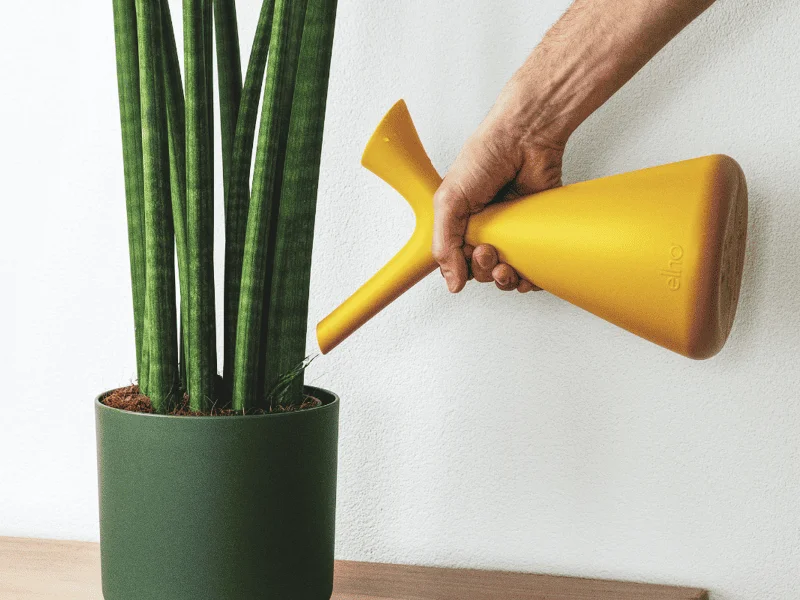
Be 100% sure while watering your plants with this finger test.. especially for indoor plants.

Dip your fingertip (about an inch) in the soil and see if it sticks to your finger.

If yes, there’s enough water and you can avoid watering your plant. If it doesn’t stick at all, only then water your plants.
Make simple changes

In addition to this, you may do the following:

reduce overall quantity of water to avoid filling up the plates or containers for indoor plants

remove the trays / plates for outdoor plants to allow excess water to flow out from the bottom

Categories
blog Sustainable Gardening Basics

3 things we can learn about community building from trees

Have you ever wondered about we build communities? Well, the answer may not be that complex. Building communities is much like growing a garden. Both need time, patience, knowledge and above all, compassion to thrive in an environment.

Investing in creating a community and garden has immense payoffs – not immediately, but in the near and far future. Plants not only help us in our day-to-day living but also teach us several virtues. Such as:

With the help of an extensive root system, native plants, share their nutrients with their neighbours. Such sharing of materials enables plants, trees self-sufficient.

It’s no surprise that trees change colours of their leaves with changing seasons. Such adaptive behaviour helps them survive better and longer than being rigid.

No one does it better than trees. From alerting others about pests attack to sharing an underground root network, plants know that working together is best for survival.

Plants are no different than us in their behaviour. Observe these similarities between you and them next time when you’re in your garden.

Categories
blog Sustainable Gardening Basics

Pal Talks Volume 4: May-June 2023

It is the season of yellow! From mangoes to marigold, you’ve waited long to enjoy your favourite fruits and flowers.
This takes us back to the most fundamental questions – when exactly to water the plants? Just yesterday it was pouring, today it is sunny..However, when your plants aren’t blooming to their glory; when trees aren’t bearing fruits; when you see plants drying up; this wait may seem endless. what should be the watering routine?
The answer lies within your touch!Don’t get disheartened. Don’t stop here. Gardening is a journey of patience and perseverance, discovery and experience. So, keep digging..
A few things you must ensure to boost productivity of your plants:

Routine

Establish a watering schedule in this dry season. Water early morning to help plants produce food efficiently during peak hours of sunlight.

Fertilization

Both, over or under fertiziling plants can affect their growth. Know when they were fertilized before adding.

Cleanliness

Avoid water stagnation in trays / plates. They not only affect the root growth but also act as a breeding spot for insects, pests in the garden.

Patience

Perhaps, plants aren’t mature yet to bear their fruits, flowers. Constant weather changes also cause distress. These are factors beyond one’s control.