
Categories
blog Sustainable Gardening Basics

How to set-up a low-maintenance home garden?

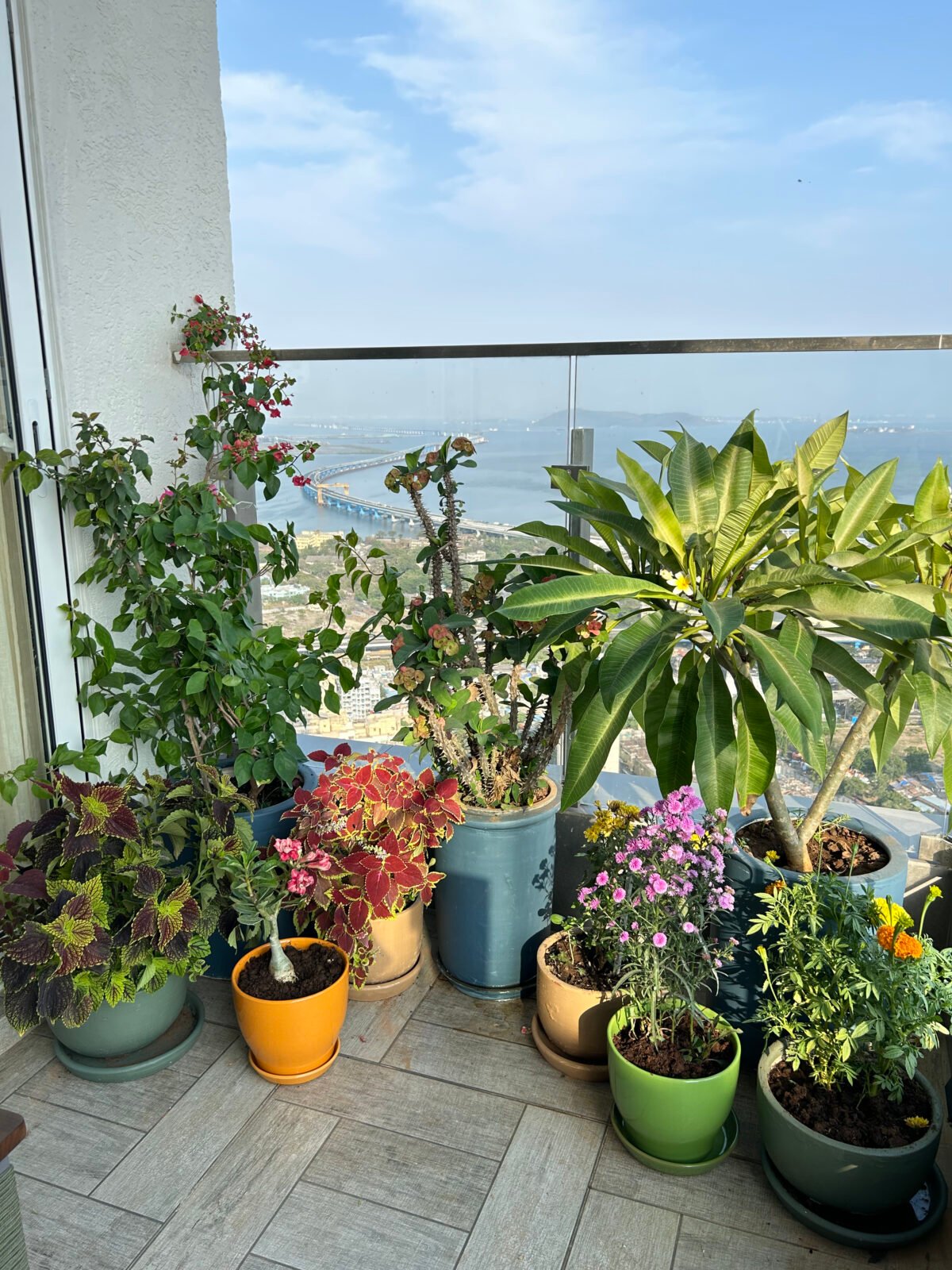
You have been thinking of bringing plants home for some time. But you’re confused or hesitant on which ones to get, where to keep, how not to kill them. Or, you already have plants in your garden space (window, balcony, terrace, lawn) but keep jostling with their survival from time to time. Well, this is a journey for most of us. Starting your garden with the right knowledge and materials is the key to addressing your concerns.

With the help of the internet especially Instagram, one may argue that choosing houseplants is simple and straight-forward today. Nursery operators have elaborate sections inundated with “indoor plants” they claim are maintenance friendly. And to take care of them, we now have mobile apps powered by AI that can help us to identify the names and diseases and perhaps, better take care of them.

While all this may be true to some extent, the challenge lies in getting the right information meant for your own garden space. Not generic rulebooks meant for all. Before you decide to buy any plant or pot, you must consider the following factors in your house:

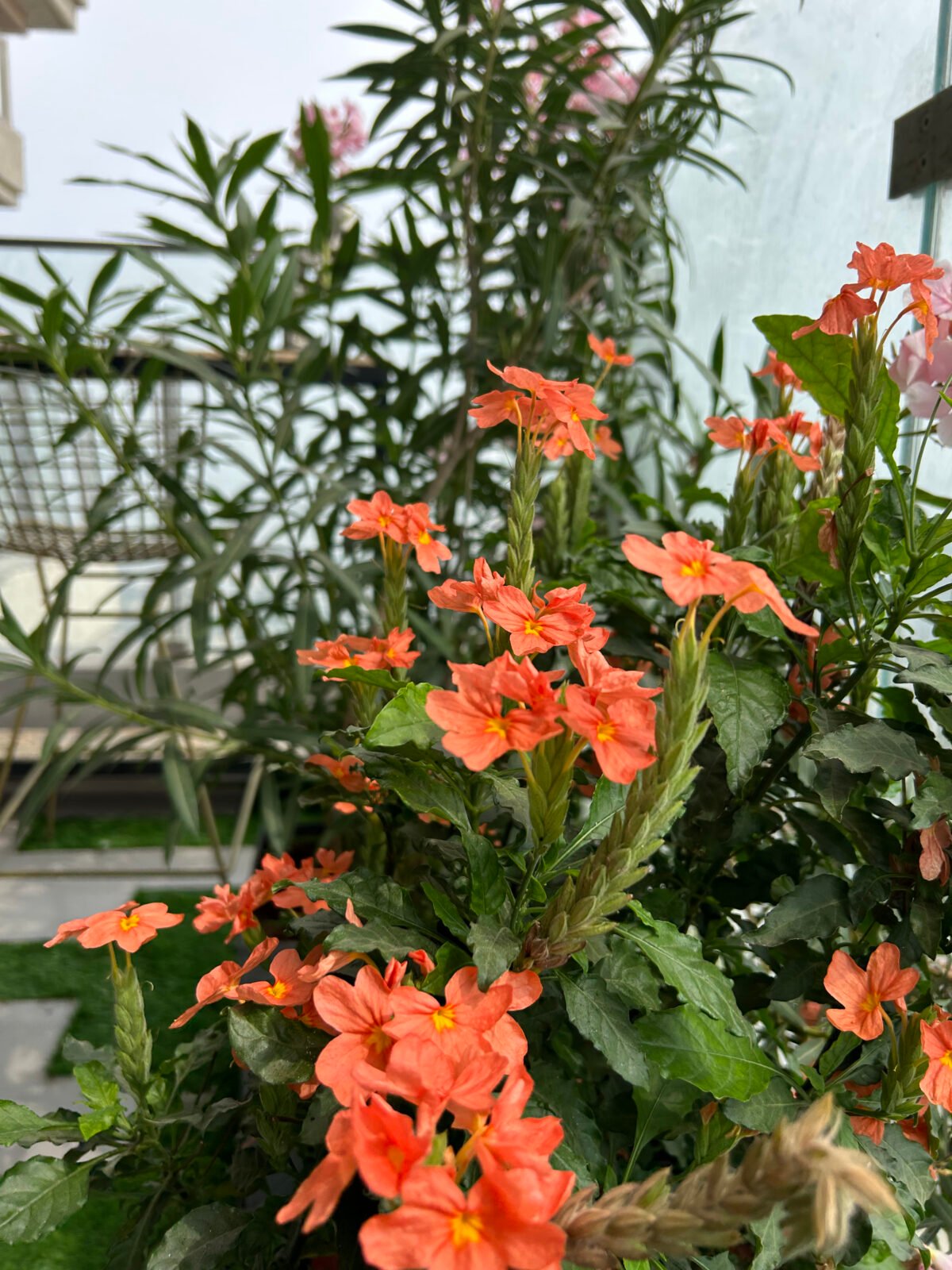
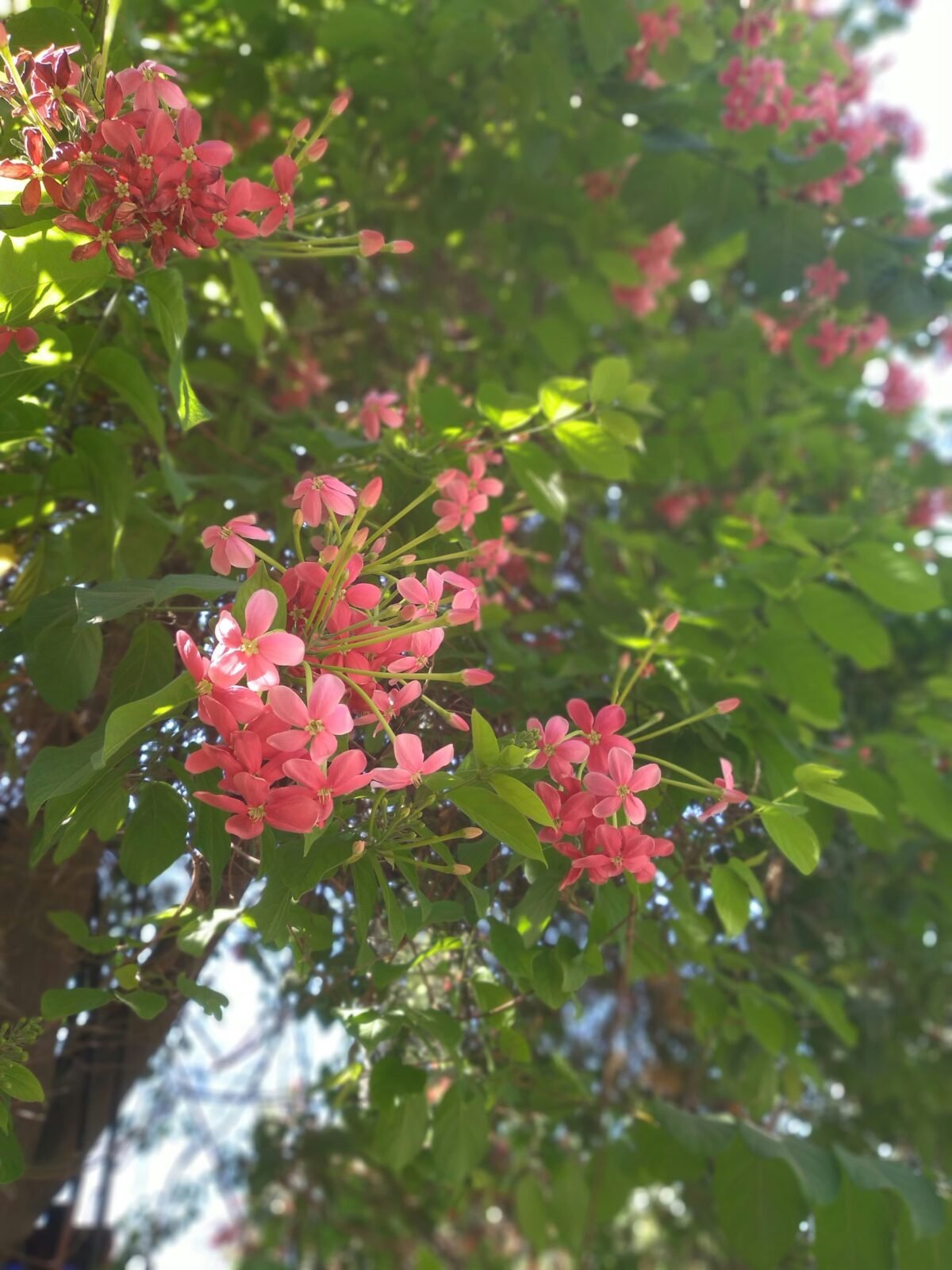
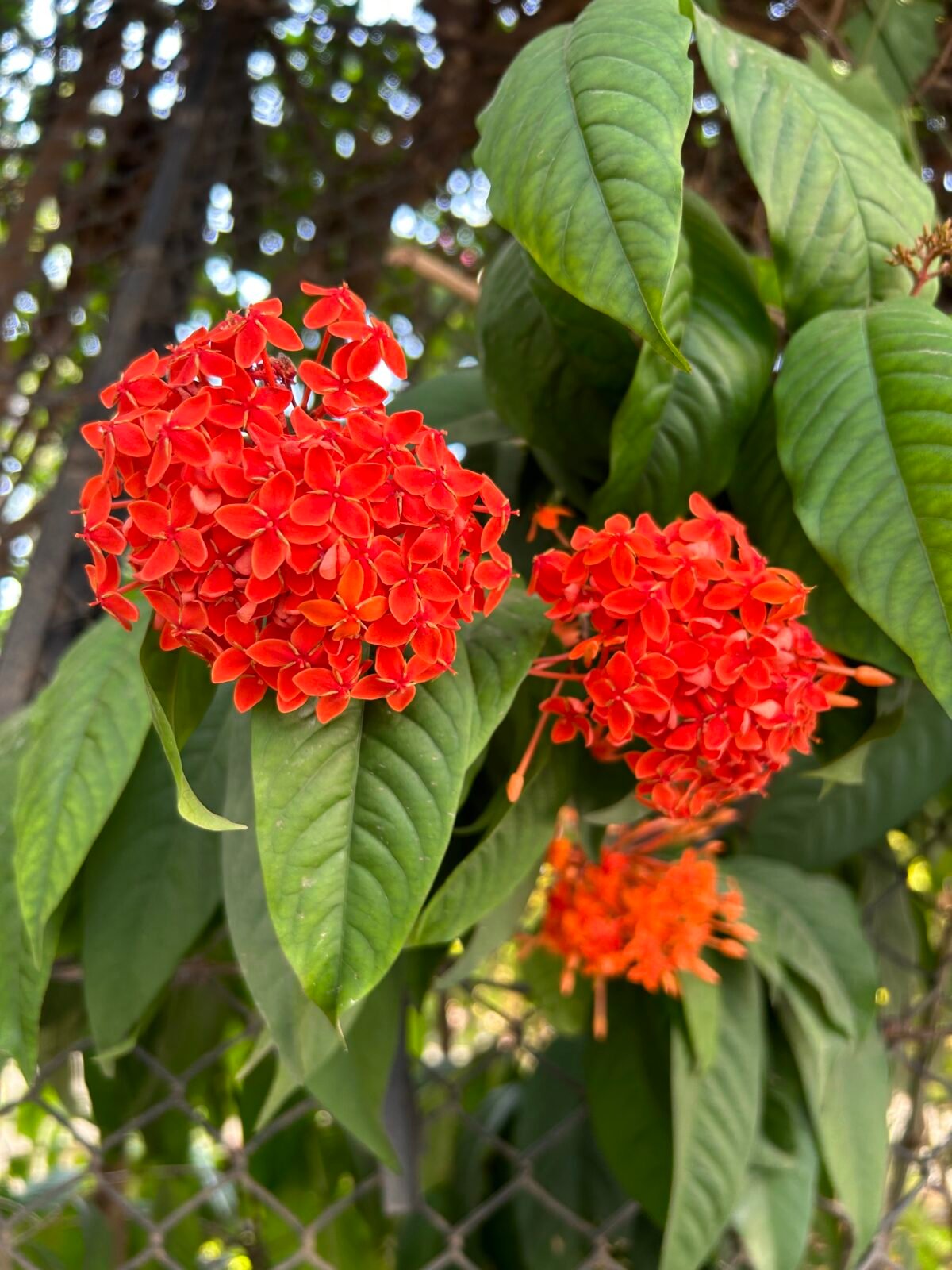
Light condition For spaces or corners that receive direct sunlight, choose plants that can withstand it such as flowering plants such as Ixora, Jasmines, Desi Hibiscus, Kaner, etc. Or herbs or edibles such as Pudina, Oregano, Lemon, Ajwain. Certain foliage plants include Rubber Plant, Schefflera, Palms, etc. Even exotics like Fiddle Leaf Fig or Radermachera thrive in direct light against popular belief. Depending on the hours of sunlight that space receives, you can pick the desired plant that won’t burn out in the sun or won’t wither away in its absence.  

Ventilation This is a very important factor to consider given the hot, humid, and unpredictable weather of Mumbai. Lack of fresh air can degrade the health of plants, just like ours and invite pests, diseases which make them high on maintenance. Instead of keeping plants in zero ventilated areas, choose a spot which allows fresh air at least for a few hours of the day. Or move the plants is breezy spot at least twice a week.

Materials If your house lacks bright daylight, then avoid using non-porous materials such as plastics or ceramics as they don’t allow water to evaporate easily. In turn, use fabric grow bags as inner liners in place of plastic pots or simply use the age-old terracotta planters to always keep your plants healthy.

Watering This is the most critical aspect which can make or break your garden eventually. Whichever material you choose, watering the plants should be regulated and personalized to each plant’s need. Terracotta needs lesser water as the clay keeps the soil moist and aerated for a longer period. Plants which are kept in direct sunlight always, may need water daily v/s plant which are kept in indirect light.

Above all, use native plants that are indigenous to our land, climate, and environment. Such plants by default make a garden low maintenance yet maintaining its natural beauty. While setting-up a home garden seems daunting, the tougher part is the post set-up maintenance.  

Plants make a great addition to décor. However, this experience can be daunting if style takes over sustainability. Hence, it is imperative to strike a balance between science and aesthetics.

Simple techniques such as selecting plants to suit light + space conditions, reducing clutter, choosing the right materials, can help in creating a self-sustaining home garden.

Categories
blog Sustainable Gardening Basics

People are the heart of buildings. Gardens are its nervous system.

Since time immemorial, gardens have shared a symbiotic relationship with its people. A relationship meant for recreation, for food, for shelter, for oxygen, for medicine, for rejuvenation. A relationship which believes in co-existing, supporting, depending on each other. A relationship that enhances mental, physical, social, emotional, spiritual well-being.

It’s the garden which has been at the epicenter of all life, for all people. Human beings, birds, bees, butterflies, alike. However, it’s very purpose has changed over the time – and its size, too.

Today, gardens have become a beautification element rather than a necessity. In housing societies, commercial complexes, or public projects, gardens are designed to suit our needs over the others.

Exotic plants are widely used to ‘enhance’ aesthetics, thus displacing native plants and with them, biodiversity. Lawns have taken a centerstage to give a greener look over the grasses, medicinal plants that are lifesaving for many. Old trees are being uprooted, giving way to concrete pathways or appeasement structures, dismantling homes of countless life-forms from birds, insects, that depend on them for food, shelter. Colourful leaves that make a statement are chosen over flowers, which are useless for attracting any pollinators.

While we may imagine a garden to be a huge, open public space, it is now confined to our buildings. Sometimes to our windows. Parks are becoming private and individual.

This change brings a greater responsibility for its residents. Of restoring the ecosystem one plant at a time. Of creating a microcosm for other living beings one garden at a time.

But what’s in it for us? Why should I care about plants, birds, or bees? Well, without them, our existence too is in jeopardy. Without nature’s humble pollinators, we will have nobody to propagate our food. Without the old tree cover, we won’t have clean air or shade to escape from the sweltering heat. Without the humming sounds of birds and fluttering of butterflies, we won’t have mental peace. We have much more to lose than them.

The habitat loss created by urbanization and consumerism is making the biodiversity vulnerable and dependent on us. Though, this trend can be reversed if we stand united in this battle. If each housing societies makes informed, meaningful choices to build or transform garden spaces into sanctuaries for its people, we will be able to create an equal, hospitable environment for all. Be it a building park or an individual’s home.

The idea of a garden should be barter, not banish. To shape the way we live, play, enjoy and do just anything.

Categories
blog Sustainable Gardening Basics

5 reasons why you need a sustainable landscape

We are surrounded with landscapes in our everyday life – be it backyards, balconies, parks, public green spaces, roads, and even office spaces.

Using sustainable practices in your garden, no matter where you live – whether you create a garden in a balcony, your housing society or farmhouse, can do good for you and our environment. Sustainable landscapes enhance our environment’s ability to clean air and water, reduce flooding, combat climate change, and provide all the other natural benefits that support life on earth. Sounds big?! Let’s break it down in simple words.

A sustainable landscape works with nature, not against it. Irrespective of its size, it maximizes environmental and health benefits for the current and future generations. In short, a sustainable landscape is a beautiful garden that protects or restores the benefits nature provides us that are essential to our everyday lives. It can be a space for outdoor recreation, gathering with family and friends, stormwater mitigation, plain relaxation, or a home for wildlife. The choice is yours to make.

5 benefits of creating sustainable landscapes:

This approach not only benefits the environment but also enhances the quality of life for you and community at large. It offers the best of both worlds, blending beauty with practical benefits.

Clean Air Plants naturally remove pollutants from the air, take in carbon dioxide, and provide the oxygen we breathe. Rapid concretization in urban cities is taking a toll on public health and mindful landscaping is one of the key factors to protect it.

Clean Water Plants and healthy soils capture, break down, and bind water pollutants. Stormwater runoff from developed land is the leading cause of water pollution of urban areas.

Build Healthy and Fertile Soil Maintaining soil health and fertility is one of the foremost benefits of this method. Turning landscape trimmings into compost or mulch benefits landscapes and minimizes waste materials in the landfill

Control Erosion and Sediment Runoff On terrains which are prone to soil erosion, landslides, a sustainable garden can offer more than concrete can. Vegetation holds soil in place and decreases the likelihood of erosion and sediment runoff

Mitigate Urban Heat Island Vegetation helps to moderate air temperatures by providing shade and releasing moisture into the air. Sustainable landscapes shade dark surfaces and use light-coloured or porous materials to mitigate urban heat islands.

Urban development and the replacement of vegetation with dark impervious surfaces such as conventional roofs, roads and buildings can absorb and trap heat which causes cities to have warmer temperatures than their rural surroundings. This phenomenon, known as the urban heat island effect, increases the demand for cooling energy in buildings and accelerates the formation of ground level ozone and smog.

Above all, sustainable landscape provide habitat – plants and soils fuel the dazzling diversity of life on this planet. There are more soil microorganisms in a teaspoonful of soil than there are people on the earth! Sustainable gardens can provide habitat for a variety of plant and animal species that are paramount to human life, too.

Home gardeners or not, you can work with nature and as a part of nature to support and build biodiversity in your way. Even a small garden, can have a big impact.

By Dipti Agarwal Founder and Chief Gardening Officer, Peepal Resident of Kemps Corner
Mobile: +91 7400XXXXX| Email: dipti.agarwal@peepal.one | Website: https://peepal.one/ | Instagram: peepalindia
Categories
Farmhouse Work

Maa Smriti, Karjat

Farmhouse

Maa Smriti,
Karjat

work I do        Large Landscape Irrigation Orchard Kitchen Garden

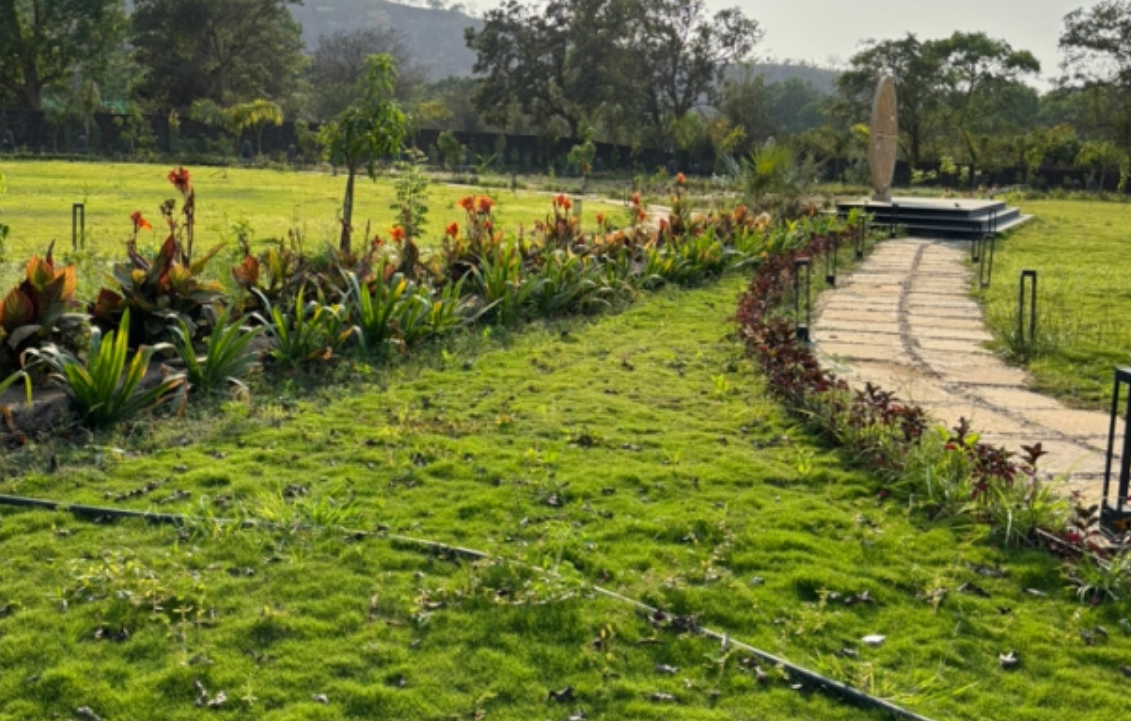
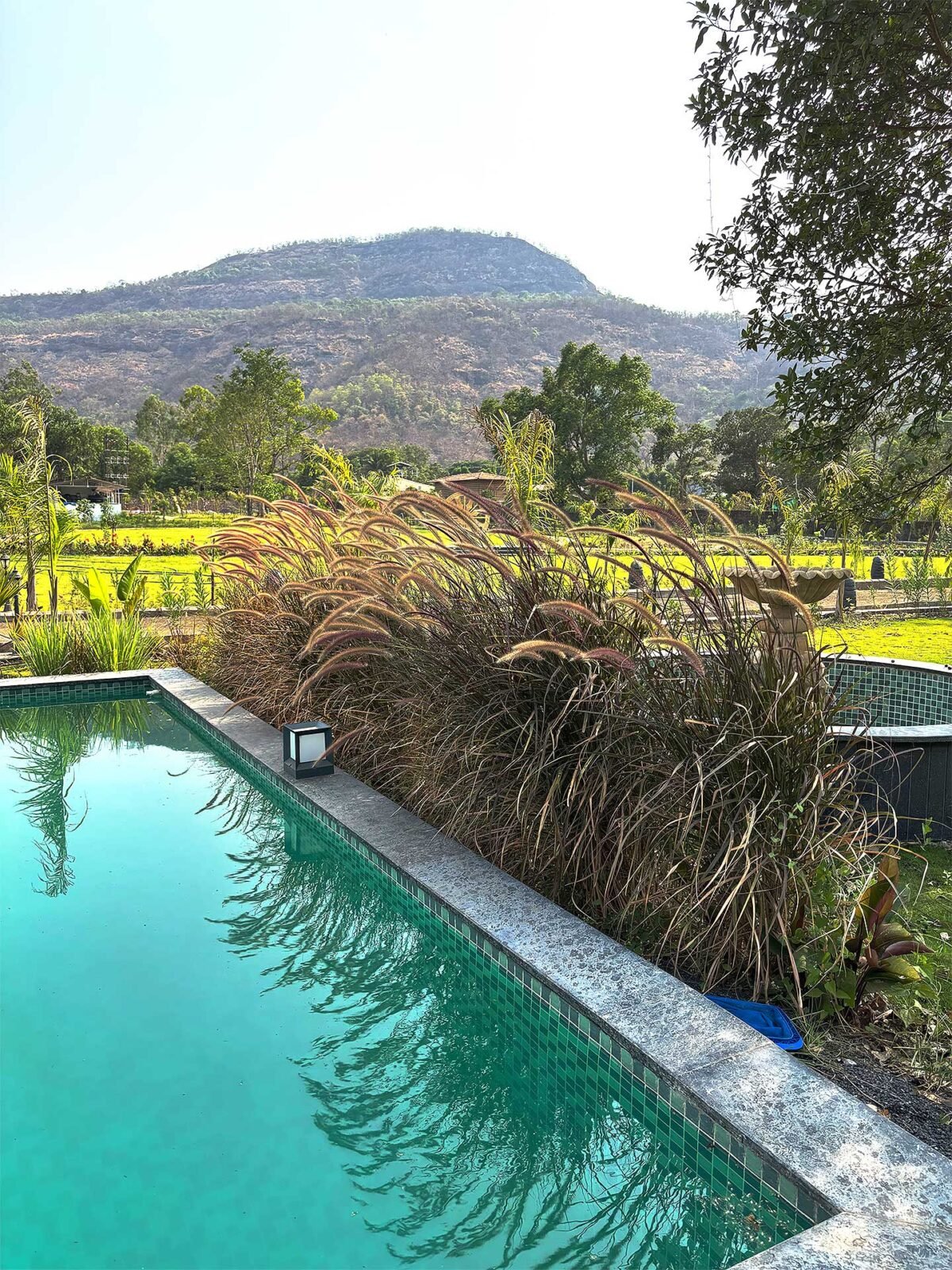
A 3-acre abandoned land nestled amidst the majestic Sahyadri hills, was converted into a luxury villa farmhouse.

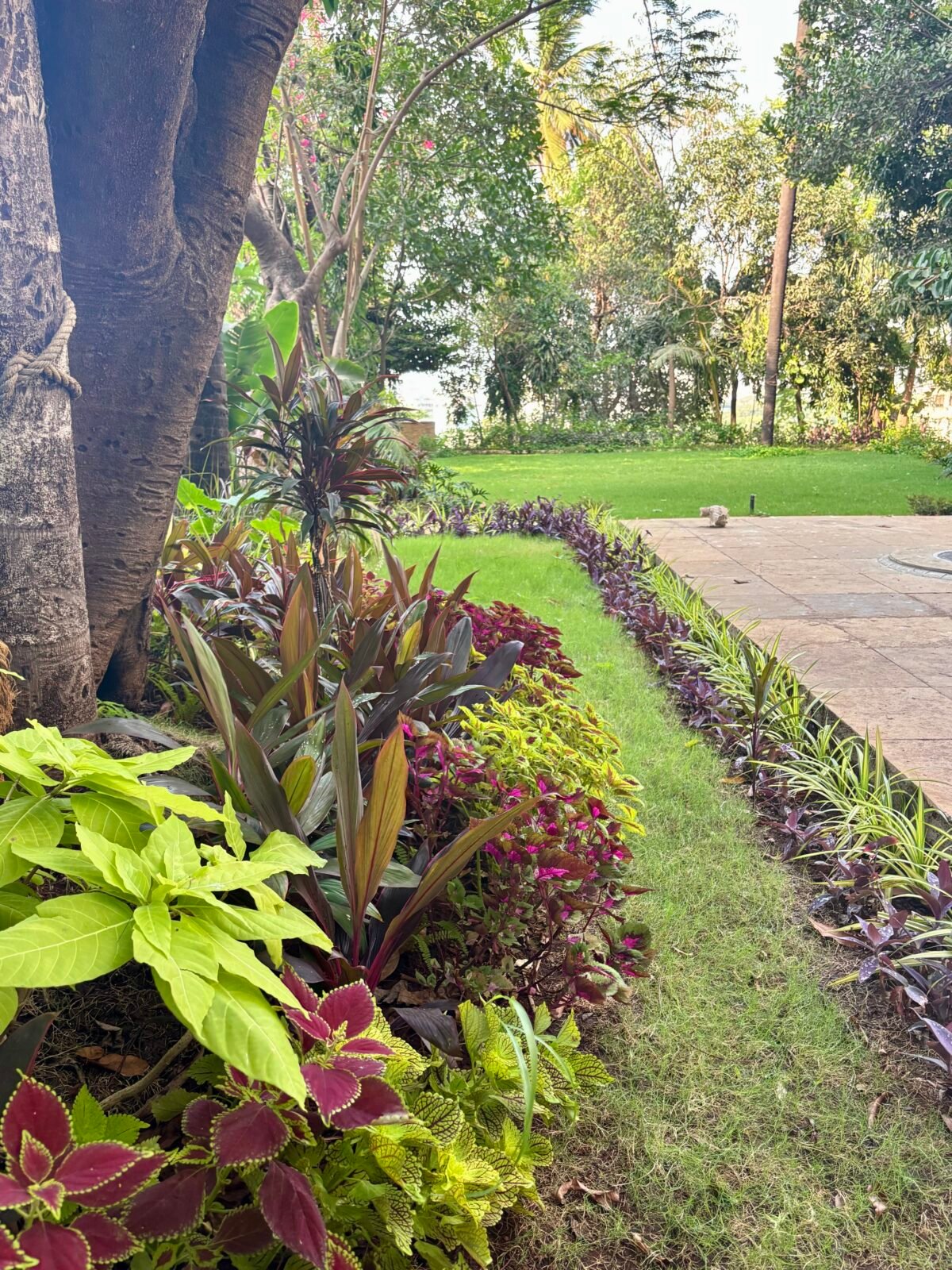
With almost zero existing tree cover, every inch of the landscape was designed and planned to embrace outdoor living in a hot and temperate climate of Karjat. A large central lawn, an orchard consisting of 25+ species of fruiting trees, a humongous kitchen garden for seasonal harvest, vibrant flower beds among several other zones to feel relaxed, and rejuvenated were created.

99% of the entire plantation was done using native, indigenous plants meant to provide shade, withstand tough weather conditions as well as reduce long-run farm maintenance.

More Similar Works

Categories
Residential Building Work

Khushnuma, Carmichael Road

Residential Building

Khushnuma,
Carmichael Road

work I do        Terrace Garden Indoor Plants Outdoor Green scape

A housing society located at South Mumbai’s prime real estate neighborhood recently underwent a massive transformation exercise.

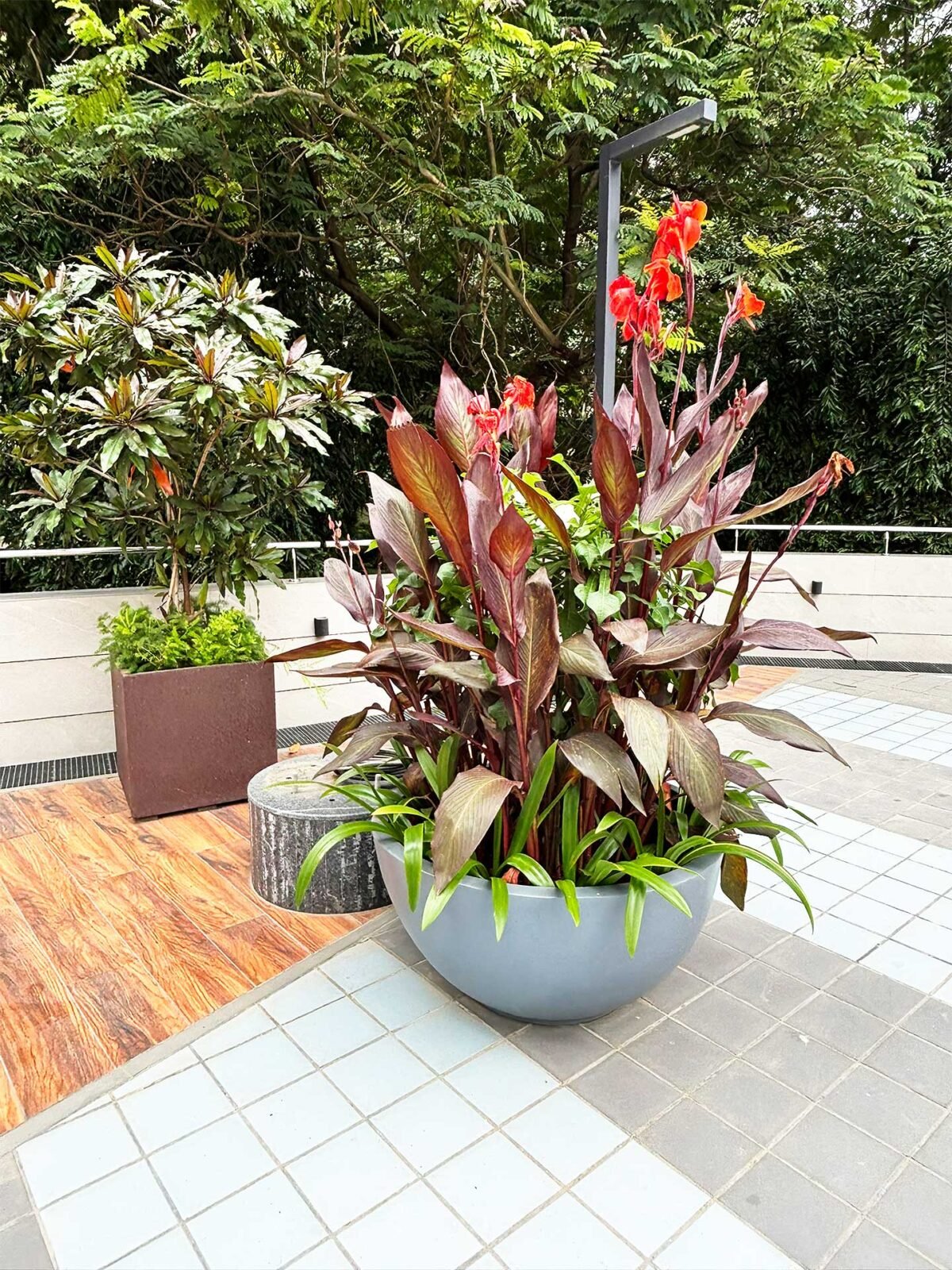
As a part of the renovations, new garden spaces were created throughout the common amenity spaces such as podium, lobby, driveway. The old, surrounding tree cover was integrated with new plantation consisting of colors, textures and pollinator-friendly plants.

More Similar Work

Categories
Corporate Office Work

Messe Muenchen, Andheri

Corporate Office

Messe Muenchen,
Andheri

work I do        Terrace Garden Indoor Plants Vertical Garden

An office within a garden teeming with life outdoors and soothing indoors has been the central to the design and planning approach.

The three terraces were given distinct identities, each providing a specific utility to their views and users. Natural green walls made of climbing plants, tall palms for screening and shade, shaded seating spaces formed the main terrace garden. The central one was designed to give a sensory experience to the cabin viewers whereas the cafeteria terrace was designed with a mix of old and new plants integrating colors, textures, layers to break monotony.

More Similar Works

Categories
Private Residence Work

Vision Crest, Prabhadevi

Private Residence

Vision Crest,
Prabhadevi

work I do        Terrace Garden Balcony Garden

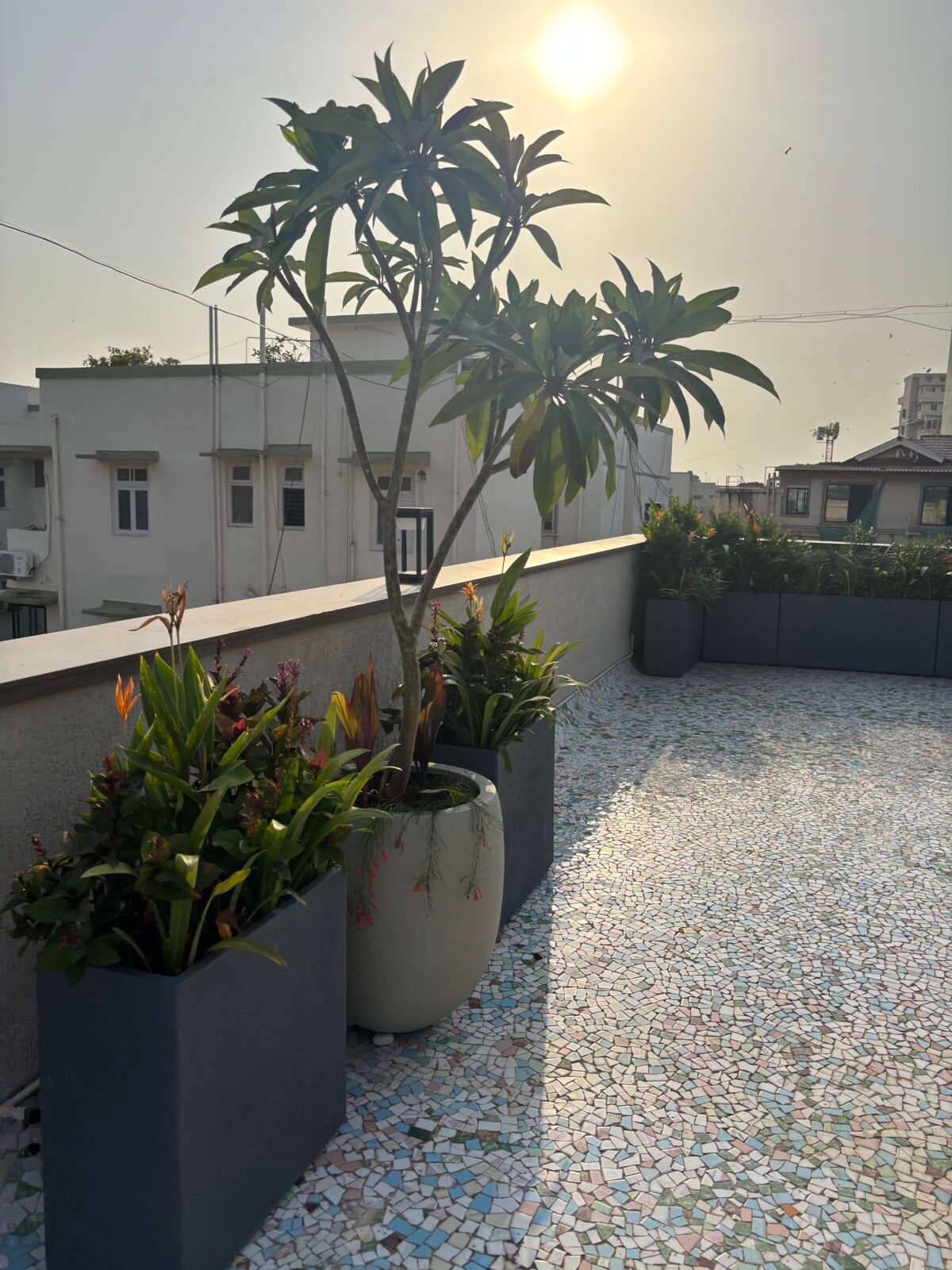
An apartment consisting of a private terrace and several balcony decks were transformed by repurposing old plants.

By introducing new mix of materials such as planters, plants, decorative, each space was reimagined into an aesthetic and lush urban forest.

More Similar Works

Categories
Private Villa Work

Maison Lodha Park, Lower Parel

Private Villa

Maison Lodha Park,
Lower Parel

work I do        Terrace Garden Lawn

Newly designed 3 storey private villa consisting of terraces on each level and a central lawn, this garden was designed to optimize the functionality, aesthetics and sustainability for the family.

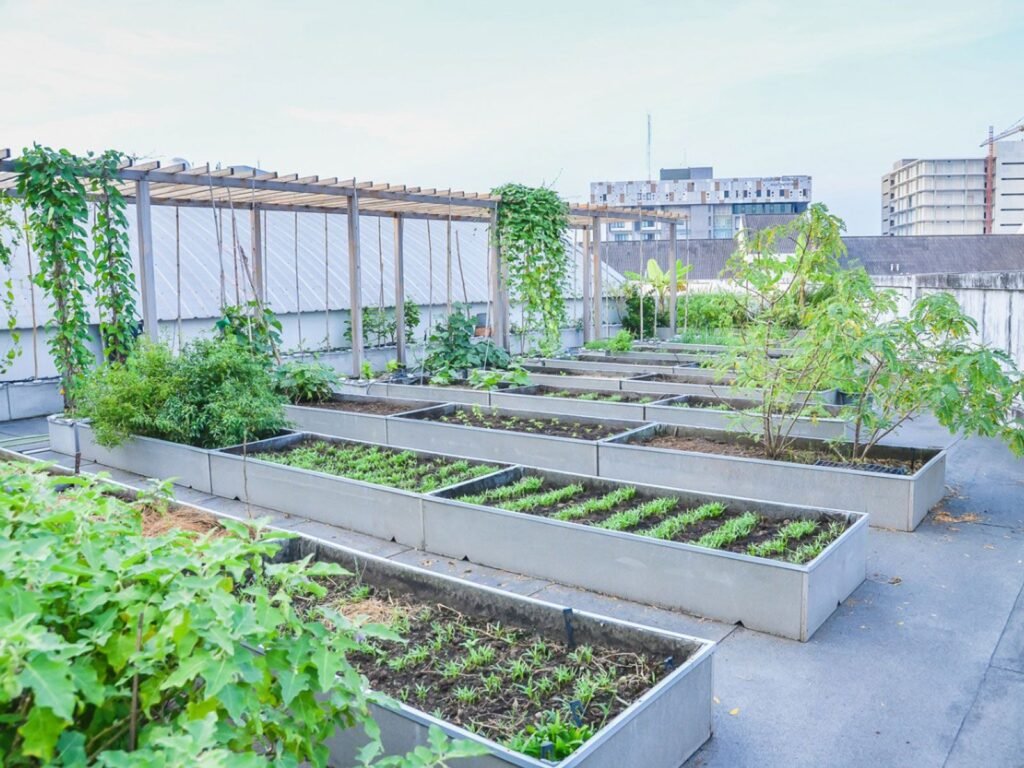
Consisting of bespoke solutions such as raised beds and geofabric grow bags, each planter bed served a different purpose. Aromatic flowering plants and herbs, ornamental layers, medicinal and edible plants, this garden saw a unique mix of sensory experiences to elevate everyday outdoor living. 

More Similar Works

Categories
Wellness Centre Work

Golds Gym, Breach Candy

Wellness Centre

Golds Gym,
Breach Candy

work I do        Terrace Garden

Creating a welcoming and relaxing environment for the gym-goers was the key focus of setting up this terrace garden.

To maintain privacy from the neighboring visibility, a tall hedge of climbing plants was created throughout the perimeter. Fast-growing native climbers such as Thunberg grandiflora, Convolvulus prostrates, were used to erect natural green walls. A mix of colorful flowering plants elevated the overall aesthetics, reducing maintenances and sensory experience of the fitness enthusiasts.

More Similar Works

Categories
Private Residence Work

Crescent Bay, Parel

Private Residence

Crescent Bay ,
Parel

work I do        Balcony Garden Indoor Plants

5 huge balconies, in this prime high-rise residential complex, boasting of 5 different looks, was the client brief. Each balcony was given its unique character, keeping its ultimate user in mind.

Personalized planters for each balcony and indoor space, native hardy plants to withstand strong rains and perennial winds, custom-made trellises and racks to grow climbing flowers, herbs and other edibles were one of the few highlights of this thriving private garden.

More Similar Works