
Categories
blog Sustainable Gardening Basics

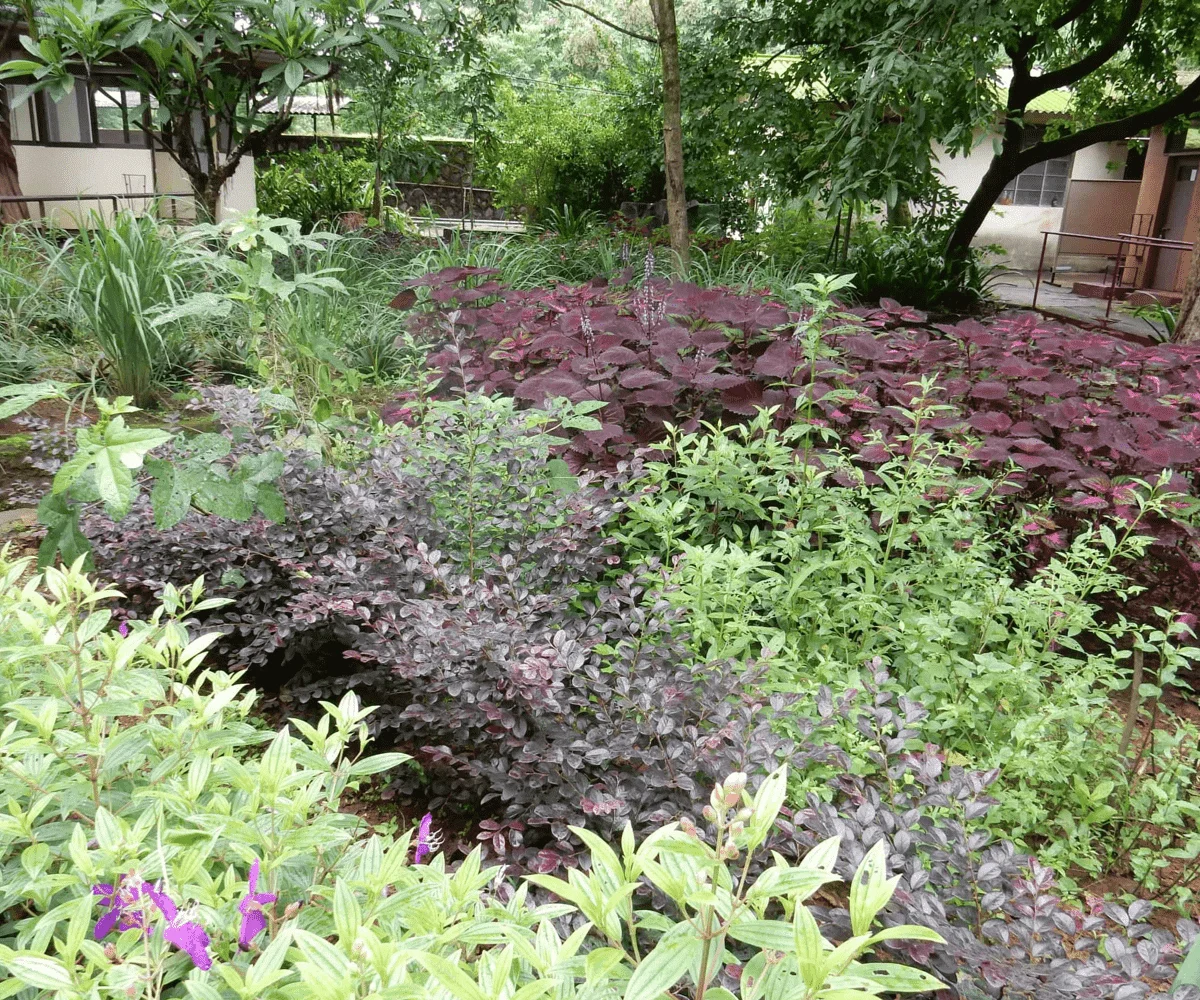
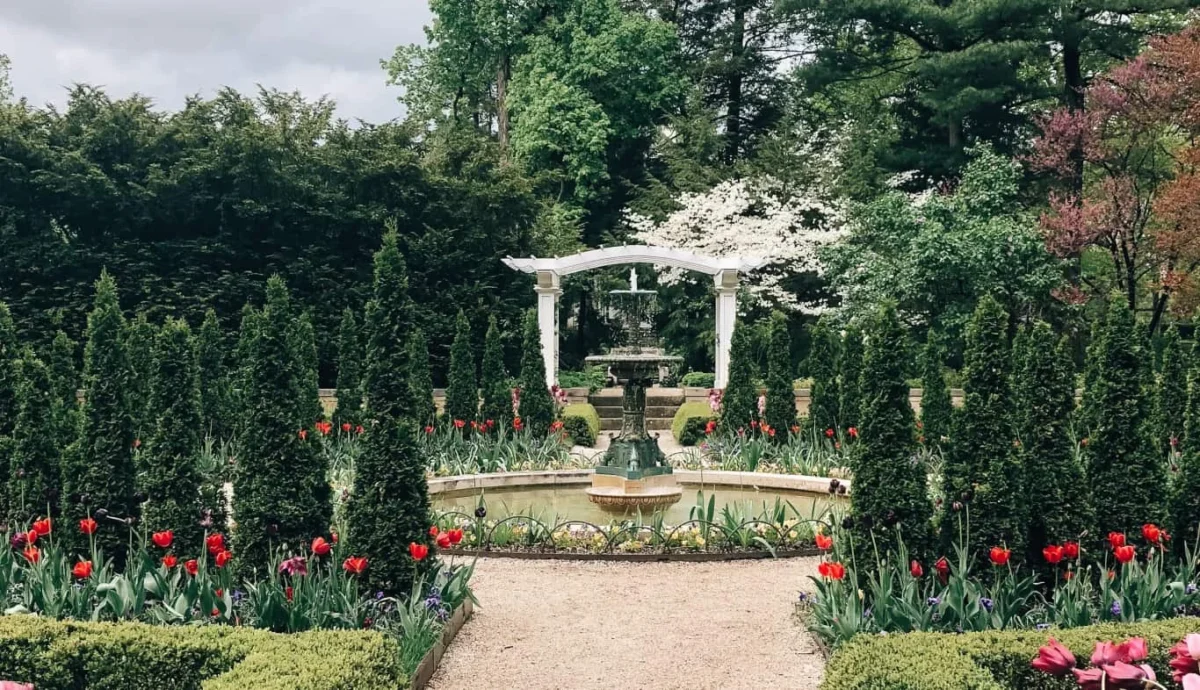
Why should housing societies invest in a sustainable garden?

An evening stroll in the garden and came back with an itchy skin? Your pet accidentally chewed on some leaves and felt uneasy? Maintaining the health, look of your garden is digging a hole in your pocket?
If any of the above scenarios read familiar to you, then it’s time to transform your society garden into a sustainable garden. As pretentious as it may sound, it is just about going back to our roots.
1) People-Friendly:
Since society gardens are used by everyone, especially the vulnerable – children, senior citizens, pets, one must be conscious of the plants being used in such spaces. A few plants are known to be highly toxic for the above groups such as Dieffenbachia, Lantana, Morning Glory, Croton, etc. Instead using native plants can create a safer space for all.

2) Environment-Friendly:
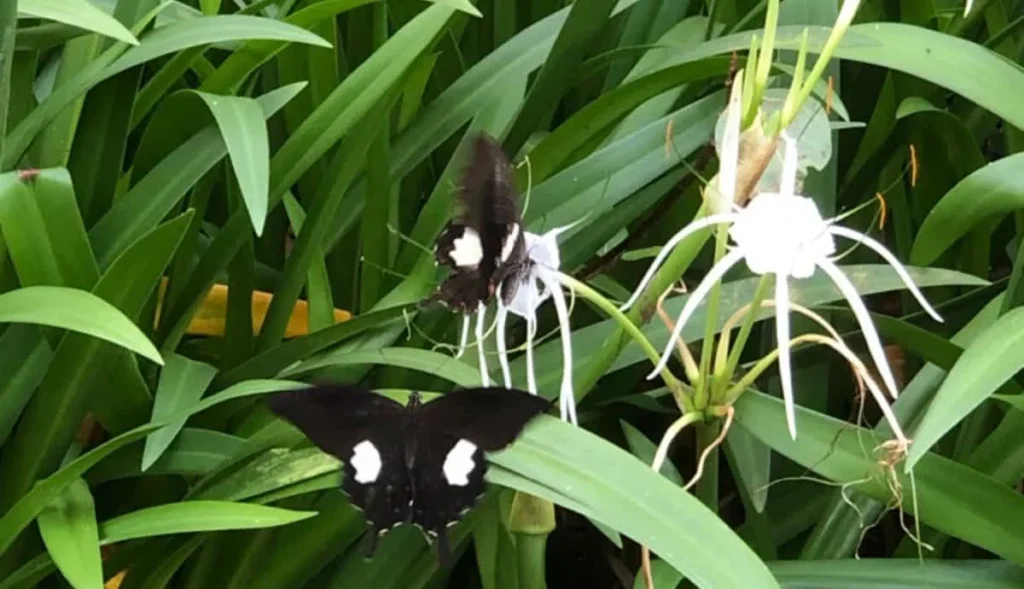
What is the purpose of a garden without its residents? The sight of butterflies and the melody of birds makes a garden pleasurable. By using chemical-free, organic fertilizers, pesticides or any other plant care materials, every small space can do its bit in protecting biodiversity. At the same time, using such natural products enhances soil health, longevity of plants and reduces its carbon footprint.
3) Pocket-Friendly:
Can we create a garden which is aesthetic and low on maintenance at the same time? Yes, of course. Replacing exotic plants with native / indigenous and hardy varieties can not only increase your garden’s lifespan but also reduce maintenance costs to a considerable extent. Native plants are well-adapted for our local climate. This means, they’re more resistant to pests – hence, reducing the use of pesticides. They contribute more towards soil nutrition – hence, reducing the use of fertilizers. They’re hardy in nature – hence, they tend to survive better in harsher weather conditions – hence, reducing the replantation efforts.
To sum up, the choices that we make in our gardens make them sustainable. Choices that put self-sustenance at the centre of garden design. Choices that create a balance between contemporary aesthetics and traditional wisdom.
If any of the above scenarios read familiar to you, then it’s time to transform your society garden into a sustainable garden. As pretentious as it may sound, it is just about going back to our roots.Be it the colours from flowers, the vibrancy from birds and butterflies, the joy of growing your own organic food or a cooler sense of surroundings, a garden has much more to offer than one can think. From improving our physical, mental, spiritual, emotional, to even social health, it can enhance our quality of life. Not just for us, but everyone around us.
Categories
blog Sustainable Gardening Basics

Myths v/s Facts: Mess v/s Method

Myth

Potted plants stain the exterior walls of buildings. They’re not meant to keep in the windows or grills.

In urban cities, especially Mumbai, several housing societies have banned houseplants.

Residents are discouraged to keep potted plants in the exterior fittings of the buildings such as window grills or panes, a/c ducts and sometimes even balconies.

The primary reason behind such intentions are to avoid mud marks as well as reduce weight on the exterior walls of buildings.

Fact

Potted plants without plates underneath and overwatering are the main reasons for causing stains on walls.

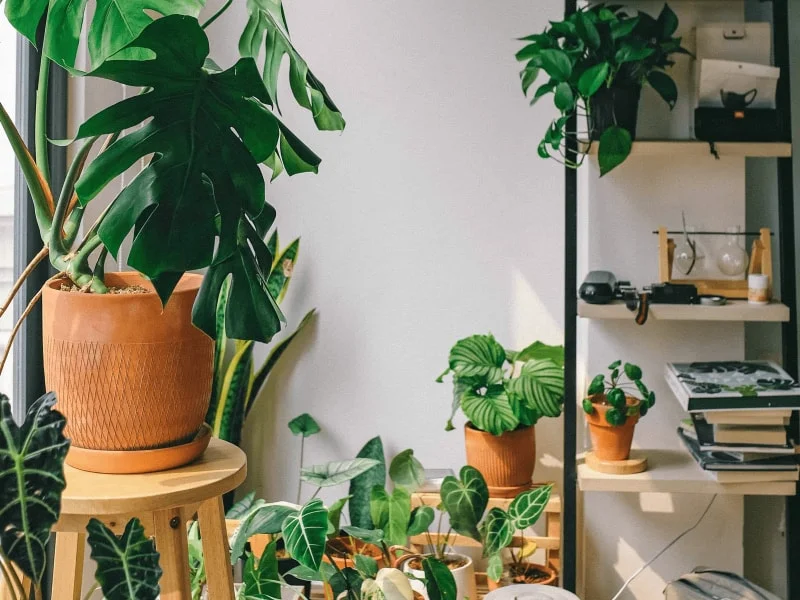
While placing plants on windows, balconies or terraces, one must always invest in plates or trays to collect the excess water. During summers, this excess water can also help birds to quench their thirst. However, we recommend to keep the trays clean periodically of this water to avoid breeding of any insects or pests.

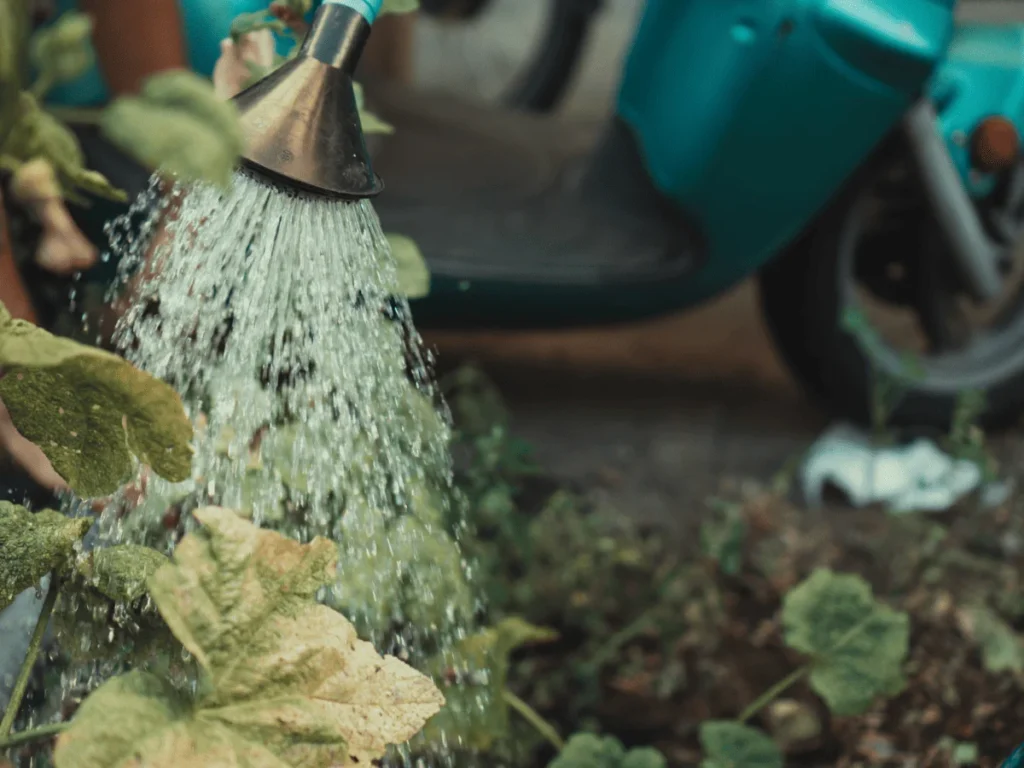
Second, avoid flood irrigation or pouring large amounts of water in one go. It will not only save you from creating those ugly stains but will also from eroding nutrients from the soil.

Keeping these two factors in mind, one can create a green window without affecting the beauty and integrity of building walls.

Categories
blog Sustainable Gardening Basics

FAQ: How to create a sustainable garden?

Such balanced, consistent, and self-sustained ecosystems require minimal or no intervention, resulting into ecological conservation at a macro level.

At an individual level, choosing eco-friendly materials, native plants, optimising time and resources to create your home garden, makes it sustainable.

Such methods encourage natural ways of –

Growing

(with no frills attached)

Fertilization

(where the kitchen is the gold mine)

Pest control

(when the job can be done gently)

Watering

(when less is more)

Creating a sustainable garden at home requires a holistic approach towards incorporating natural ecosystems at a smaller scale. From the choice of planter materials to the type of plants and maintenance of gardens, one can create a self-sustaining microcosm within the confines of one’s home.
Categories
blog Sustainable Gardening Basics

Myth v/s fact: Maintenance v/s sustenance

One of the most common questions or concerns while creating a garden is centered around its maintenance. For new gardeners or beginners, this alone becomes the single, most important decision-making factor.

So let’s help our friends who are thinking of starting a garden.

Myth: Creating a garden means a lot of maintenance.

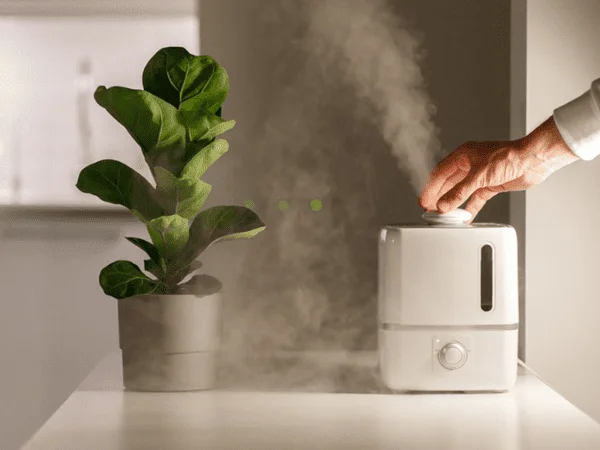
Gardens especially indoor gardens require more time, resources, attention and care. We need to install modern technologies such as humidifiers, mystifiers, air conditioners, for the plants to survive.

Fact: The kind of plants one chooses decides its maintenance.

Native or indigenous plants generally doesn’t require as much care, support and interventions as much as exotic or foreign origin plants do. They can sustain themselves easily if the garden is built using the right principles.

Native plants by default become low-maintenance as they’re well versed with the climatic conditions, weather and environment around them. They have spent centuries learning and adapting to it. These plants deploy their natural, in-built defence mechanism against unpredicted weather changes, pest attacks, or any kind of external influence.

Having said that, plants are like human beings. While they need food, nutrition, air, water among other things, they also need a gardener’s love, care and attention in order to thrive and become fully self-sustainable.

Categories
blog Sustainable Gardening Basics

Myths v/s facts: mosquitoes and plants

One of the most debated topics in indoor gardening is that plants are responsible for inviting mosquitoes in homes. Let’s explore the myth and fact behind this.

Myth: Plants attract mosquitoes

Potted plants especially, indoor plants attract mosquitoes. Hence, it is not advisable to keep plants at home.

Fact: Water stagnation attracts mosquitoes

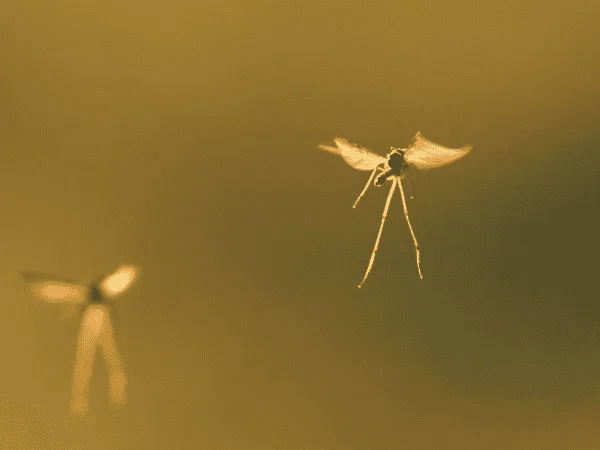
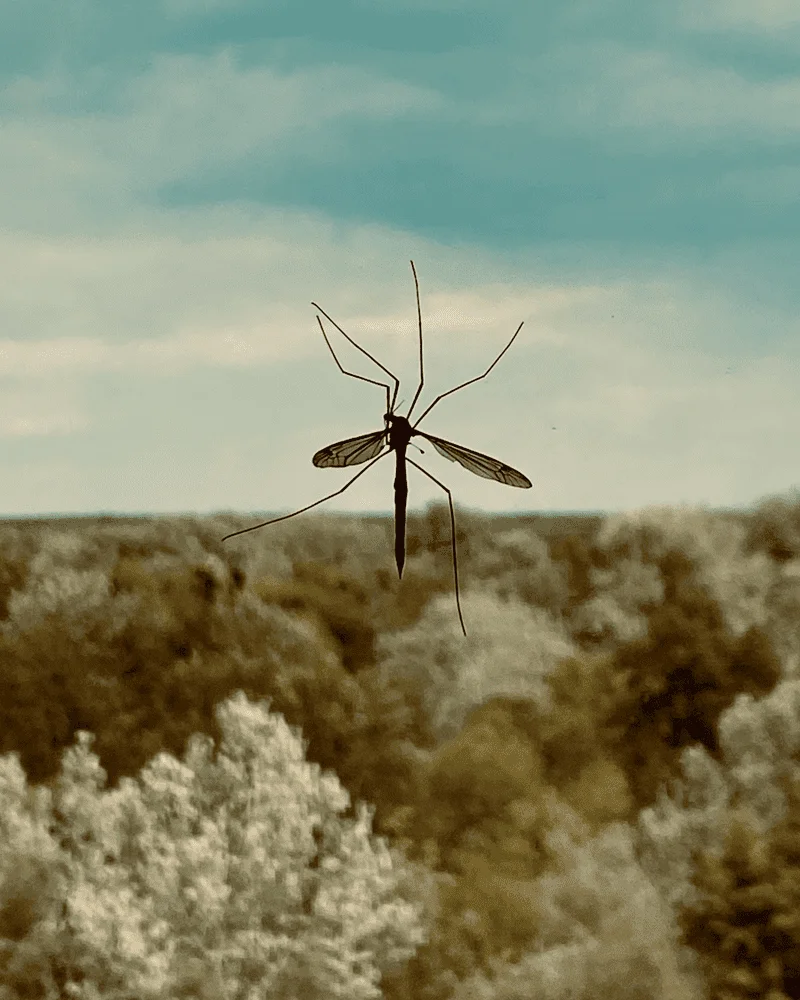
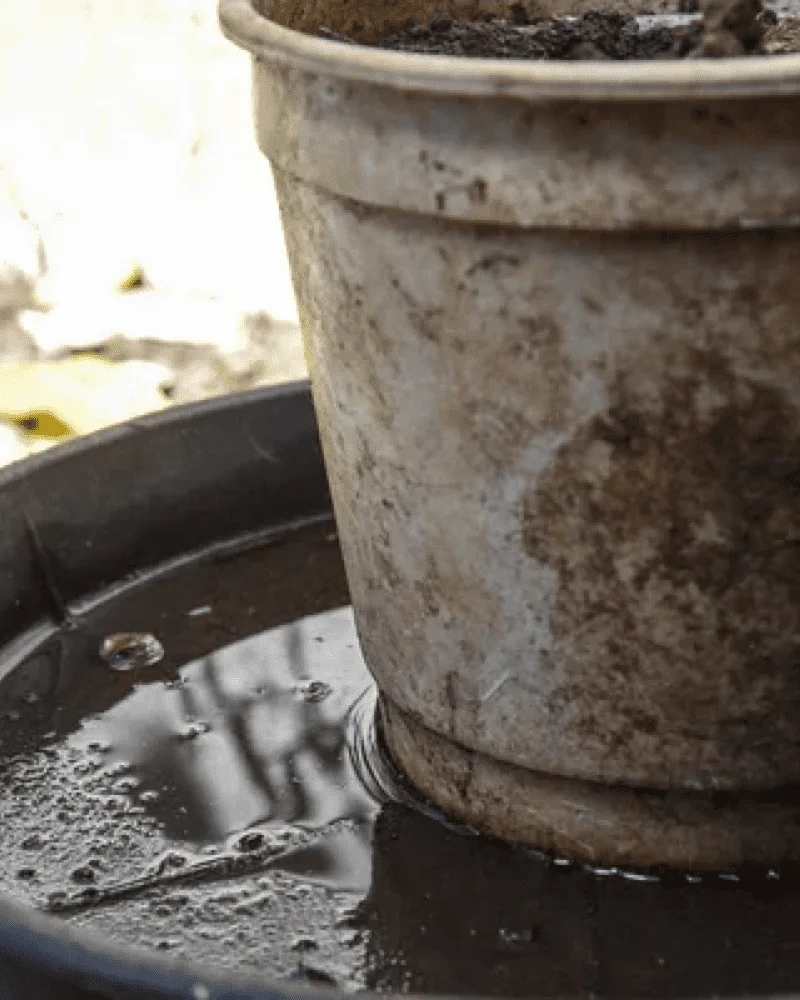
Mosquitoes get attracted to water that gets accumulated in trays or planters. Such conditions create their breeding zones.

In houseplants, mosquitoes are usually uncommon. However, they may develop if plants are kept in stagnated or standing water for a long period of time. Such conditions can avoided by maintaining a few simple cleanliness routines.

While watering plants, especially during monsoons, one must ensure to avoid overwatering the plants. Remove trays / plates if your plants are kept outdoors in direct rainfall. For indoor plants, reduce overall watering in a way that it doesn’t overflow in the tray.

If you’ve aquatic plants in urlis or artificial ponds, do not forget to add fish to have a mosquito-free zone. They will prevent any breeding activity, thus keeping the water clean at all times.

Observing hygiene in garden especially, for indoor plants can keep all sorts of insects, pests at bay – for you and your loved ones – plants included.