
Categories
blog Sustainable Gardening Basics

Myths v/s Facts: Mess v/s Method

Myth

Potted plants stain the exterior walls of buildings. They’re not meant to keep in the windows or grills.

In urban cities, especially Mumbai, several housing societies have banned houseplants.

Residents are discouraged to keep potted plants in the exterior fittings of the buildings such as window grills or panes, a/c ducts and sometimes even balconies.

The primary reason behind such intentions are to avoid mud marks as well as reduce weight on the exterior walls of buildings.
Fact

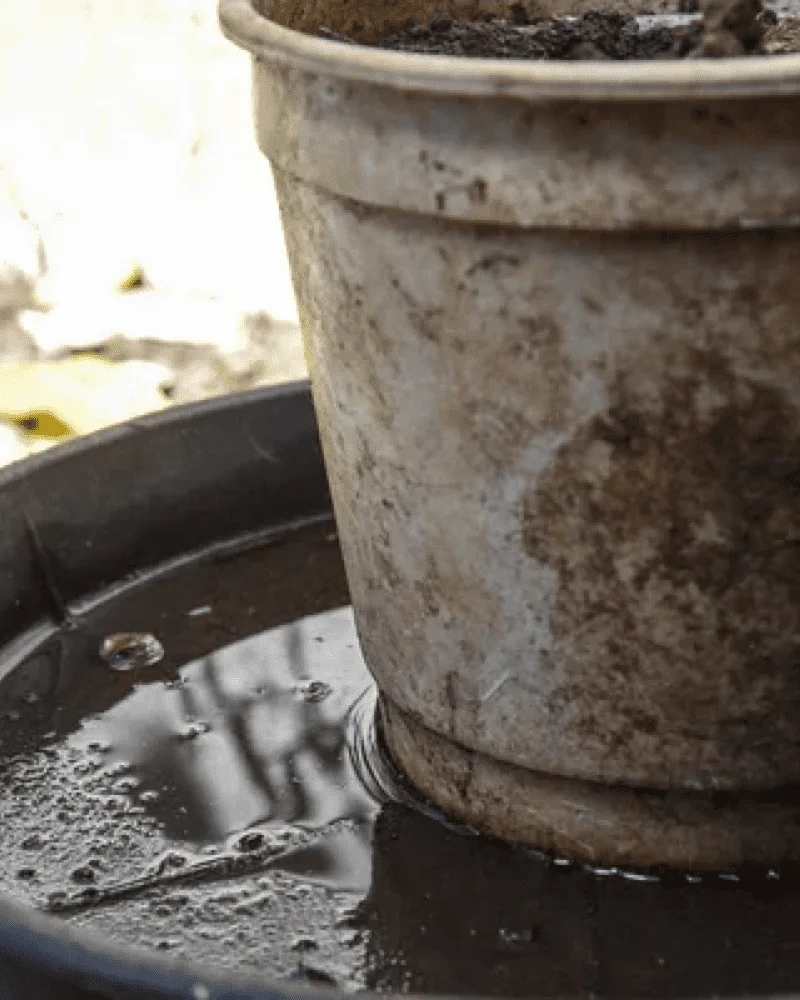
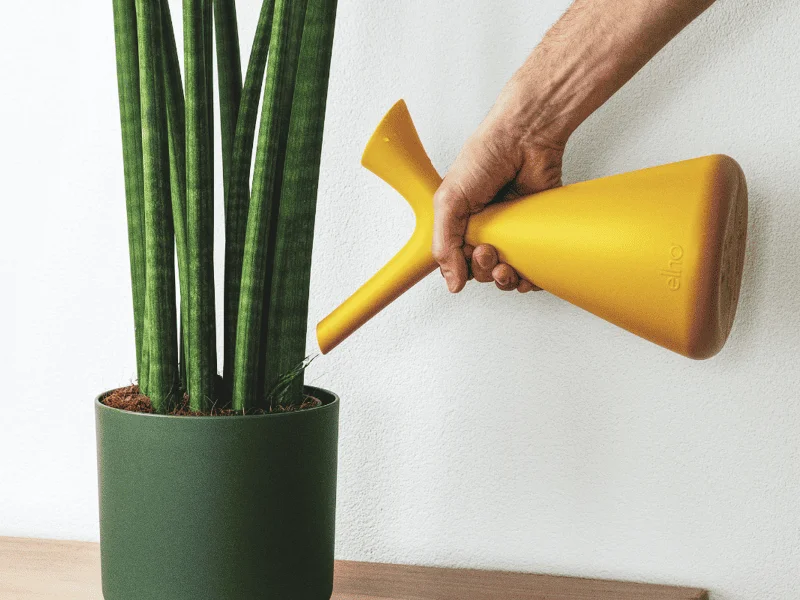
Potted plants without plates underneath and overwatering are the main reasons for causing stains on walls.

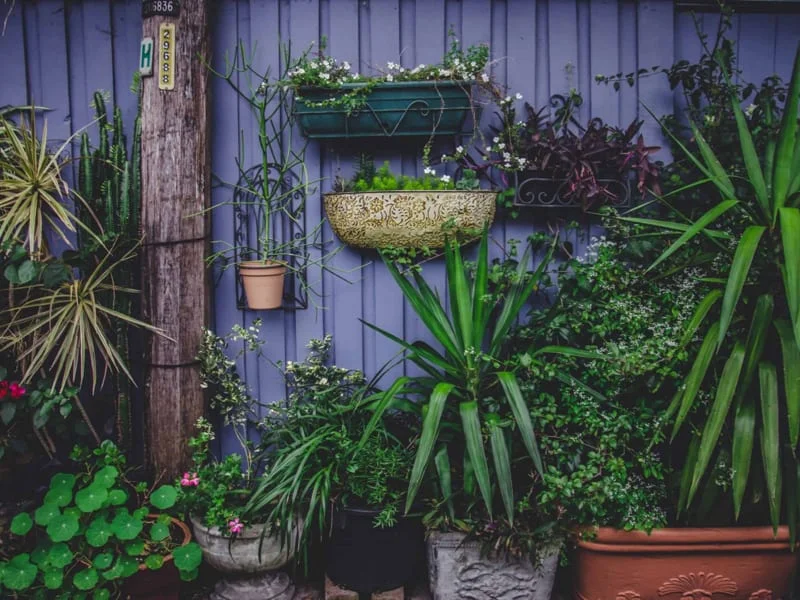
While placing plants on windows, balconies or terraces, one must always invest in plates or trays to collect the excess water. During summers, this excess water can also help birds to quench their thirst. However, we recommend to keep the trays clean periodically of this water to avoid breeding of any insects or pests.

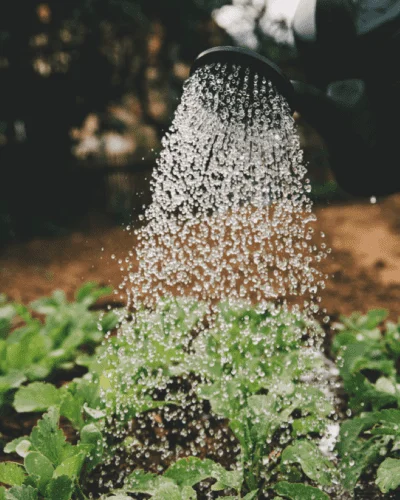
Second, avoid flood irrigation or pouring large amounts of water in one go. It will not only save you from creating those ugly stains but will also from eroding nutrients from the soil.
Keeping these two factors in mind, one can create a green window without affecting the beauty and integrity of building walls.

Categories
blog Sustainable Gardening Basics

Did you know? Plants love terracotta

Planters are made out of natural clay are both plant and environment-friendly. Such material is breathable and adjusts as per the outside temperature. In short, plants love and thrive in terracotta v/s other materials. However, they come with their own pros and cons.

Water and air circulation is better in terracotta

The high porosity in terracotta planters allows for air and water to move through the walls. This keeps the plant healthy from root rots, soil erosion, etc.

Terracotta materials also reflects the outside temperature very easily. Hence, problems related to watering can be easily noticed in such planters.

Natural look and patina makes it more desirable

The colour of clay combined with the white deposits on the outer surface can outshine any other material.

In different regions around the world, clay colour can differ from reddish brown to white and even black in a few cases. You can also give it your creative spun

Being a natural material, it is prone to wear and tear

Since terracotta planters are made of natural clay, they’re delicate and can break or crack.

Long exposure to water can bring a deposit of fungus on the outer layer. However, it can be scraped or washed once the temperature is dry enough with a cloth or tissue.

Categories
blog Sustainable Gardening Basics

FAQ: How to create a sustainable garden?

Such balanced, consistent, and self-sustained ecosystems require minimal or no intervention, resulting into ecological conservation at a macro level.

At an individual level, choosing eco-friendly materials, native plants, optimising time and resources to create your home garden, makes it sustainable.

Such methods encourage natural ways of –

Growing

(with no frills attached)

Fertilization

(where the kitchen is the gold mine)

Pest control

(when the job can be done gently)

Watering

(when less is more)

Creating a sustainable garden at home requires a holistic approach towards incorporating natural ecosystems at a smaller scale. From the choice of planter materials to the type of plants and maintenance of gardens, one can create a self-sustaining microcosm within the confines of one’s home.
Categories
blog Sustainable Gardening Basics

Myth v/s fact: Maintenance v/s sustenance

One of the most common questions or concerns while creating a garden is centered around its maintenance. For new gardeners or beginners, this alone becomes the single, most important decision-making factor.

So let’s help our friends who are thinking of starting a garden.

Myth: Creating a garden means a lot of maintenance.

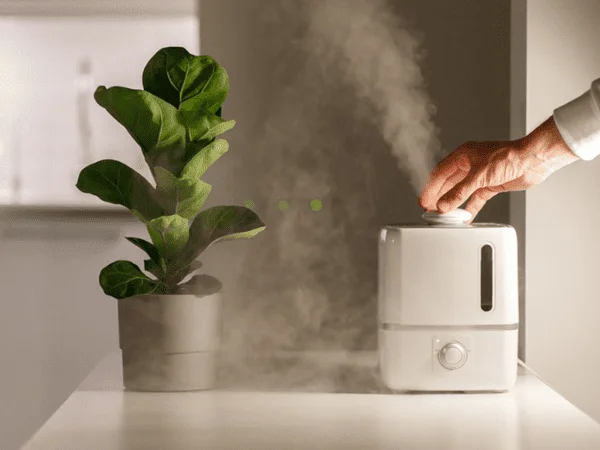
Gardens especially indoor gardens require more time, resources, attention and care. We need to install modern technologies such as humidifiers, mystifiers, air conditioners, for the plants to survive.

Fact: The kind of plants one chooses decides its maintenance.

Native or indigenous plants generally doesn’t require as much care, support and interventions as much as exotic or foreign origin plants do. They can sustain themselves easily if the garden is built using the right principles.

Native plants by default become low-maintenance as they’re well versed with the climatic conditions, weather and environment around them. They have spent centuries learning and adapting to it. These plants deploy their natural, in-built defence mechanism against unpredicted weather changes, pest attacks, or any kind of external influence.

Having said that, plants are like human beings. While they need food, nutrition, air, water among other things, they also need a gardener’s love, care and attention in order to thrive and become fully self-sustainable.

Categories
blog Client Project Sustainable Gardening Basics

5 native alternatives to popular houseplants

In our earlier post, we talked about the top five exotic houseplants. But what do we use in their place?


Here’s a list of native or indigenous plant that can serve as alternatives to exotic plants in your garden. Such plants are not just similar in terms of size, shape, colours, formation but are pro local environment.

Start by adopting these hardy, low-maintenance indoor plants that can serve as great alternatives to exotic plants.

While creating a new garden or adding plants to your existing one, choose plants wisely. Building a home garden with native varieties has several benefits – for you and our environment.
Categories
blog Sustainable Gardening Basics

Myths v/s facts: mosquitoes and plants

One of the most debated topics in indoor gardening is that plants are responsible for inviting mosquitoes in homes. Let’s explore the myth and fact behind this.

Myth: Plants attract mosquitoes

Potted plants especially, indoor plants attract mosquitoes. Hence, it is not advisable to keep plants at home.

Fact: Water stagnation attracts mosquitoes

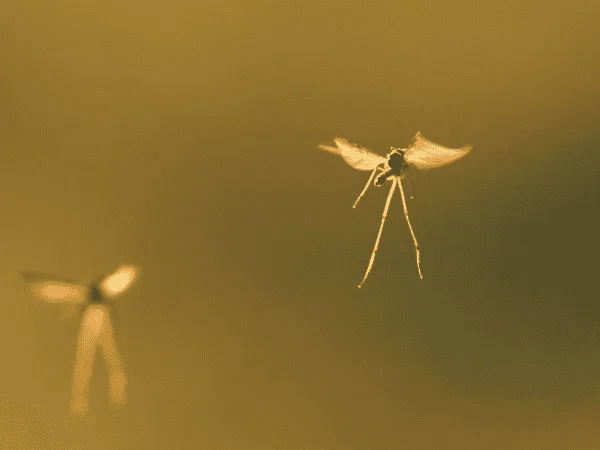
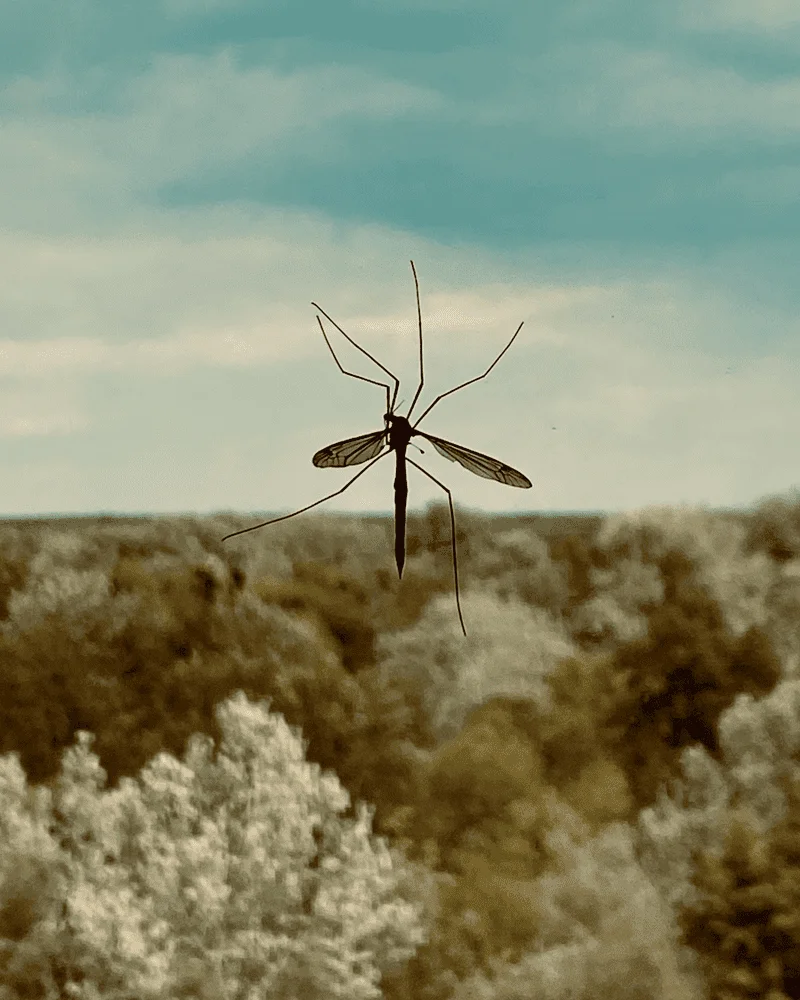
Mosquitoes get attracted to water that gets accumulated in trays or planters. Such conditions create their breeding zones.

In houseplants, mosquitoes are usually uncommon. However, they may develop if plants are kept in stagnated or standing water for a long period of time. Such conditions can avoided by maintaining a few simple cleanliness routines.

While watering plants, especially during monsoons, one must ensure to avoid overwatering the plants. Remove trays / plates if your plants are kept outdoors in direct rainfall. For indoor plants, reduce overall watering in a way that it doesn’t overflow in the tray.

If you’ve aquatic plants in urlis or artificial ponds, do not forget to add fish to have a mosquito-free zone. They will prevent any breeding activity, thus keeping the water clean at all times.

Observing hygiene in garden especially, for indoor plants can keep all sorts of insects, pests at bay – for you and your loved ones – plants included.
Categories
blog Sustainable Gardening Basics

Top 5 issues related to home gardening in India

Place of birth

Who doesn’t like Monstera or Pachira? These gorgeous, top-dollar plants have left a long-lasting impression – not just on us but also on our environment.

Native to the Central and South Americas, such plants when brought to a foreign land needs a lot of help to survive. After all, change of place doesn’t impact our health alone but of plants too.

Understanding nativity or place of origin of plants can help you make conscious and cost-effective decisions for your garden.

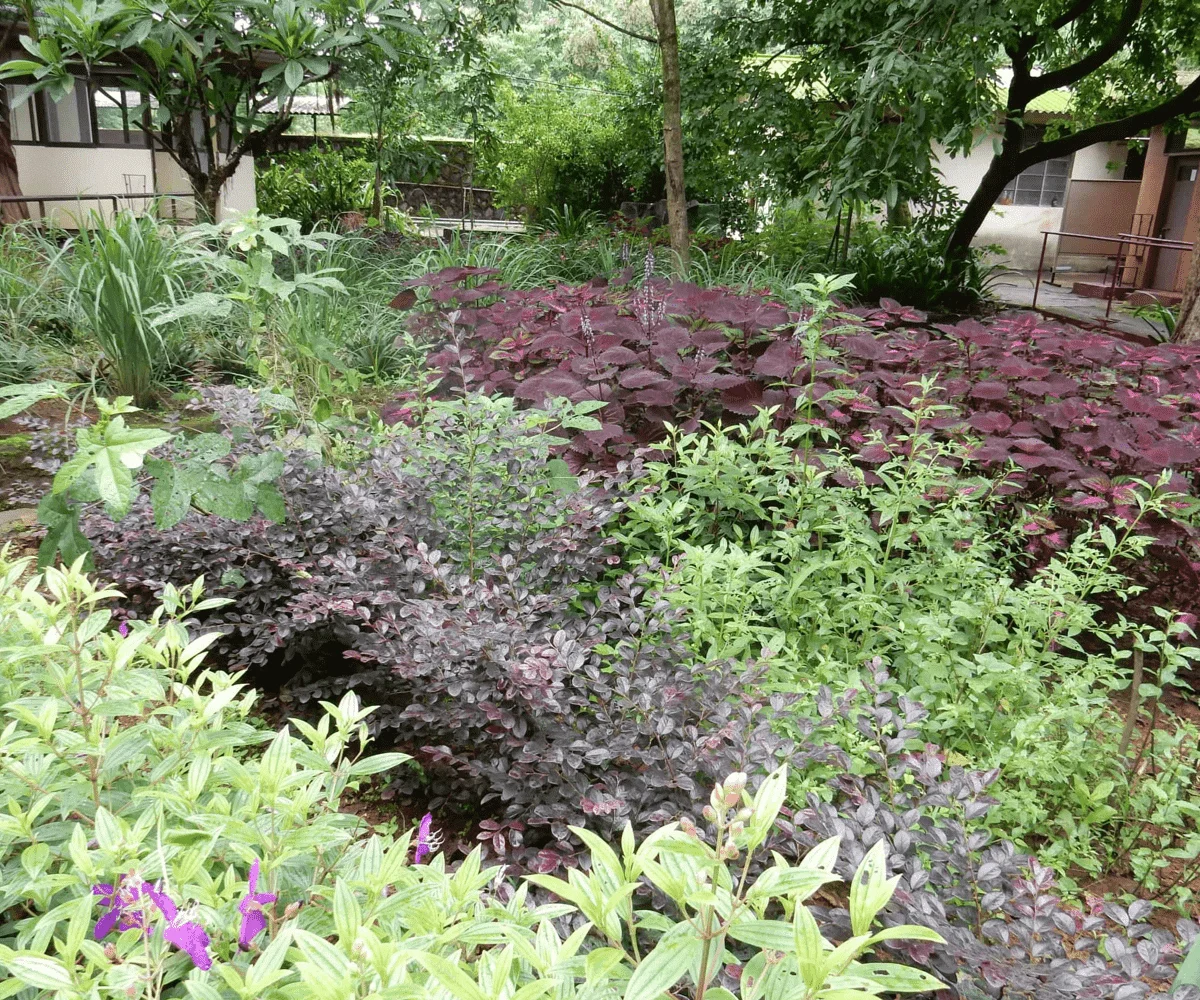
Build your garden instead with native plants such as Champa (Plumeria), Chameli (Jasmine), Balsam (Rose Balsam) and so many other aromatic, medicinal ones.

They will not only uplift your senses but also support the friends of our planet aka bees, butterflies, birds.

Special Growing Conditions

Lucky Jade and Aloe escaped the scorching heat of Africa’s desert to make their way into our tropical and humid climate.

To make such succulents survive, one has to invest in a special soil mixes, growing conditions, etc. to replicate their home environment.

Overwatering and wrong soil mix issues among succulents are the most as compared to other plants,. Such issues reduce their survival rates to negligible.

Instead, choose native succulents such as Malayan Spurge (Euphorbia antiquorum), Indian Spurge / Dog’s Tongue (Euphorbia neriifolia).

Such plants are well-versed with the local environment. It can be a good start to opt for such native, hardy succulents, if you love such plants.

Toxic Content in Plants

Talking about mindless gardening and not mentioning about Dumb Cane will be really dumb on our part.

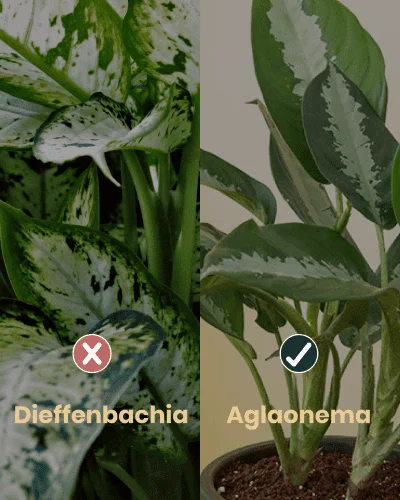
Dieffenbachia, popularly known as dumb cane, has the potential to render someone speechless. It is one of the most toxic houseplants commonly found today. With its poisonous raphides, it can give someone infectious skin allergies to both people and pets.

Similar to dumb cane, most exotic houseplants today such as ZZ (Zamioculcas zamiifolia), Peace Lily (Spathiphyllum) etc have toxic elements which can harmful to humans and animals upon ingestion or exposure.

When you think of creating an outdoor garden, replace such plants with native varieties that have numerous health benefits.

From nettle to neem, select plants that are useful to you, not harmful for your kids, pets or anyone in the family.

Depletion of Resources

Imagine one day you wake up in a city taken over by aliens! As crazy as it sounds, growing exotic plants, especially outdoors, is just like inviting an alien invasion.

In order to survive in unfamiliar, sometimes hostile conditions, such plants reproduce in abundance to create their future generations. In the process, they not only take over the local habitats but also erode soil quality over time by sucking out groundwater, essential nutrients, etc.

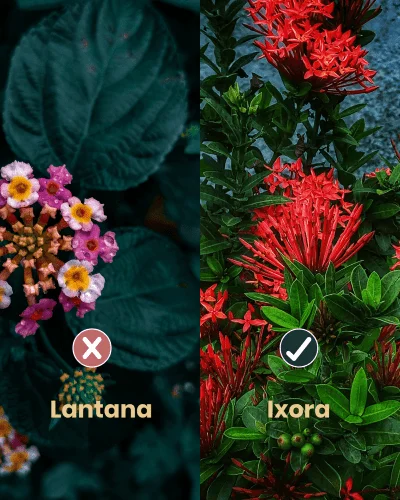
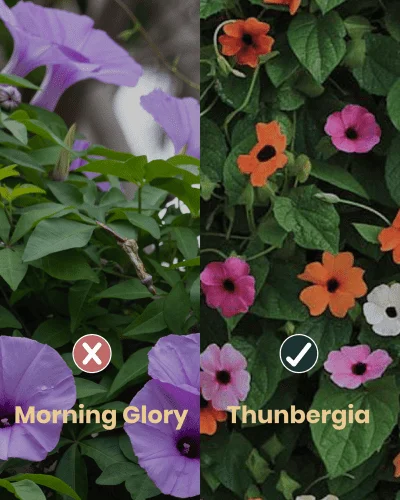
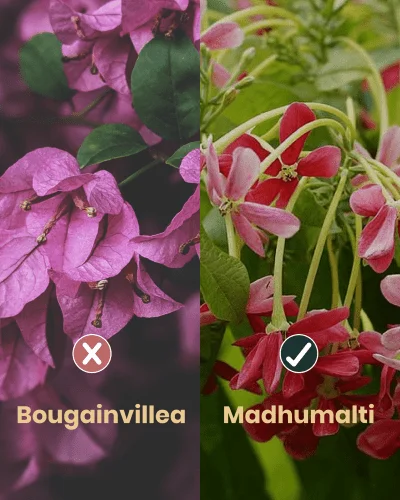
Lantana, Morning Glory, Bougainvillea, Eucalyptus, Pine are a few examples of invasive species in India which have outrun several native plant varieties.

Native alternatives to these plants such as Ixora, Thunbergia, Madhumalti (Rangoon Creeper), Sal, Deodar are beneficial to both – your garden and our environment.

Barrier to Biodiversity

Plants which have originated in some other parts of the world and introduced in an unknown place are known as exotic plants. Such plants are cultivated in controlled environments to make them survive on foreign soil.

Some of the favourite houseplants Pachira, Dracaena have originated in the West and introduced in all parts of the world. Such cultivation not only disrupts the local environmental cycle but also degrades the foreign habitat.

Instead adopting and using plants which are native, originated or endemic to your region can help preserve soil health, biodiversity, among several other benefits.

Keep this is mind the next time you choose plants or seeds for your organic farm or lawn.

Categories
blog Sustainable Gardening Basics

Microblog Series: 3 similarities between humans and plants

Plants and human beings are no different. We share a similar response and survival mechanism. Few of these aspects include:

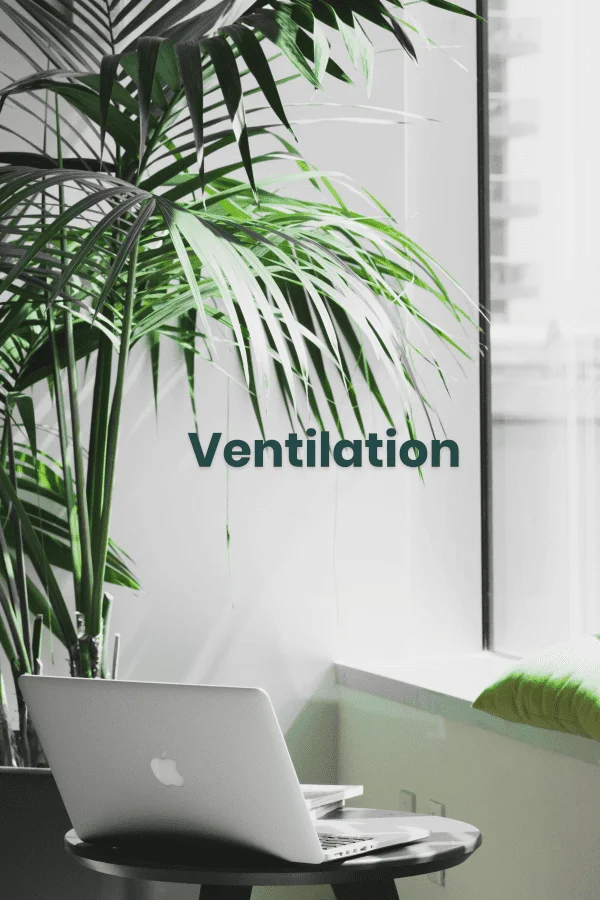
A little bit of fresh air is something we all need. Like us, plants can also suffocate in closed, non-ventilated spaces. Such conditions slowly stagnate the growth, eventually leading to pre-mature death of the plant. Placing plants near open windows or spaces which have some air circulation can help them grow.

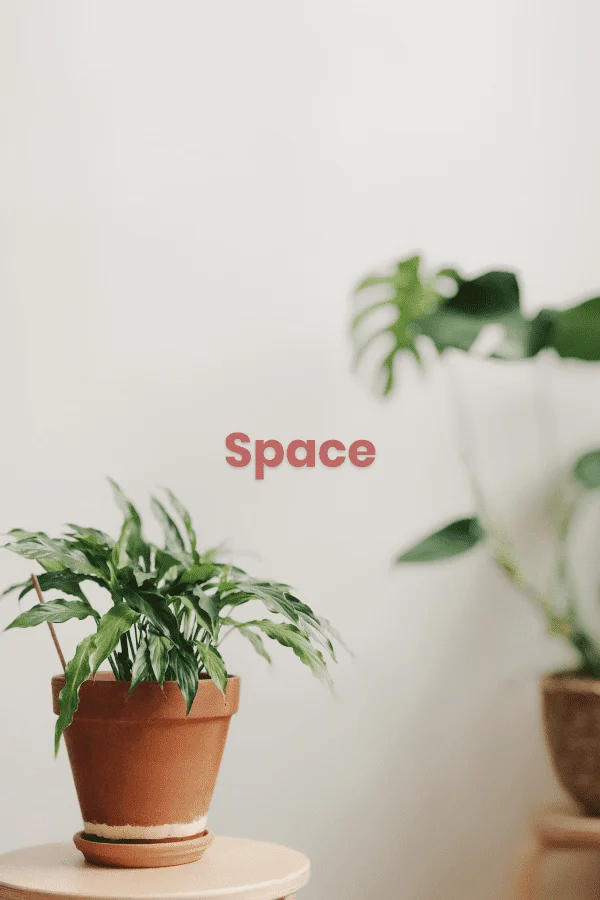
Social distancing doesn’t protect us alone from germs, it also protects plants. A little bit of space between each plant can help in preventing pests travel from one plant to the other. Space also allows plants to flourish and avoid the feeling of claustrophobia.

A regular dose of nutritious meals can really boost our metabolism and immunity. Similar to us, plants also need a regular intake of minerals, vitamins, proteins to reach their full potential. Natural, organic ways of providing nutrition can go a long way in maintaining plant health.

Categories
blog Sustainable Gardening Basics

Microblog Series: Why should you opt for native plants in your home garden

Native plants play a vital role in supporting our lives as well as the biodiversity around us. When starting a home garden either indoors or outdoors, one must consider choosing plants which are indigenous or native to the environment one lives in.

3 reasons why you must choose native plants for your garden:

1. They complete their family – other plant species find it easy to co-exist with them.

2. Their friends depend on them – birds, butterflies, insects, worms, etc derive their food, nutrition, shelter, medicines in the form of nectar, pollen, seeds, leaves from them.

3. They hold us together – moisture, soil, water, sunlight – all facilitate the natural multiplication of plants and become a part of the larger ecosystem we thrive in.

Besides the above, native plants are also low on maintenance as they’re well equipped to adapt with the local environment.

When starting a home garden either indoors or outdoors, one must consider choosing plants which are indigenous or native to the environment. This is the foundation of building an eco-friendly garden. Native plants also tend to have higher medicinal value which is good for your well-being.

Read more about our sustainable gardening services on Peepal. Link in Bio
Categories
blog Sustainable Gardening Basics

Introduction to sustainable gardening

The definition of being eco-friendly in some way starts with plants.

Technically speaking, planting a tree contributes to greenery around us. One would imagine that the greener spaces we create, the better our world feels. More oxygen, improved air quality, cooler atmosphere, mental well-being among several other positives. When we grow a plant, we feel that we have taken the first step towards building a sustainable world.

But what if, someone told you that planting any tree isn’t enough? What if, gardening in the modern world is doing more damage than good to your green vision?

As it turns out, sowing a seed or growing a sapling isn’t enough to create a truly green, sustainable world. The complete knowledge of gardening and study of our natural world determines how well we are inching towards our green goals.

To create such a garden, one must remember these 3 principles where it should:

1. Support local biodiversity and the natural ecosystem

2. Self-sustains itself without constant human intervention

3. Creates minimal negative impact on the local habitat

In short, you must know what you are growing, where are you growing it, how are you growing it and what impact it is generating in this process.

Simply put, a sustainable garden works with nature, not against it. Such a space encourages co-existence among other habitants of our planet in form of other species of plants, birds, butterflies, bees, etc.

While creating or sustaining an indoor or outdoor garden, one must consider the above principles. From the choice of plants or seeds to the kind of materials, one uses in the garden, determines the sustainability factor in it.

In our Introduction to Sustainable Gardening series, we will talk about the three principles in detail. Watch out this space.

Next in this series: How home gardening can support local biodiversity and ecosystems