
Categories
blog Sustainable Gardening Basics

FAQs: What is the fuss about exotic plants?

If an exotic or non-native plant is introduced in a new country / region, it may thrive equally well like the locals. However, it comes at a cost. Both for you and our environment.

Exotic plants affect the ecological functions in several ways.

Outnumber natives

To survive, exotic plants multiply at a much faster rate than native plants. In the long run, such exotic plants become invasive and push the native plants into extinction.

Degrade soil quality

In the race of survival, exotics end up consuming more nutrients present in the soil. Slowly and gradually, this process deprives native plants of basic nutrition to grow.

Reduce foliage area

Leaf canopy or structure of such plants is usually thin, fragile. Exotic trees such as pine don't let other plants to grow besides them, thus, reducing the green foliage area.

Induce pest attacks

One of the common problems with exotic plantation is frequent pest attacks. Native plants have the immunity to fight known and unknown pests as compared to exotics.

Bring new diseases

Plants from different countries may carry along certain organisms and viruses. Such scenarios can give birth to new diseases among plants on a foreign soil.

A simple observation related to the movement and settlement of birds can give us an idea of this impact.

For instance, birds use their intelligence to recognize exotic trees and avoid building their nests on them in the absence of an alternative. (non-native or exotic trees are weaker in the rooting system as compared to the native trees and are more prone to falling).

On the other hand, invasion, predation of birds is higher when they settle down on exotic trees v/s native, displacing species and eventually leading to their extinction.

Exotic plants are not bad by themselves. They are just plants after all, but happen to be in a different place, unknown environment, and more often bring along a host of issues. The human endeavor to introduce and multiply exotic plants in non-native conditions creates a negative impact on the local ecology.
Categories
blog Client Project Sustainable Gardening Basics

5 native alternatives to popular houseplants

In our earlier post, we talked about the top five exotic houseplants. But what do we use in their place?


Here’s a list of native or indigenous plant that can serve as alternatives to exotic plants in your garden. Such plants are not just similar in terms of size, shape, colours, formation but are pro local environment.

Start by adopting these hardy, low-maintenance indoor plants that can serve as great alternatives to exotic plants.

While creating a new garden or adding plants to your existing one, choose plants wisely. Building a home garden with native varieties has several benefits – for you and our environment.
Categories
blog Native Plants of India

5 houseplants which are disruptive for our local ecosystem

When it comes to choosing houseplants for indoor gardens, exotic plants dominate the decision-making. However, these beautiful plants come at a cost – financially and environmentally.

Today we are uncovering top 5 exotic plants that are invasive in India. Exotic plants means plants that are introduced from foreign regions.

These are common houseplants that belong to different countries and have been cultivated in India to beautify our homes. In the process, they have also proven to disrupt and destroy local habitats in and around us.

These pretty plants are making our environment fragile due to their invasive nature – that means, they can reproduce at a greater speed than native plants, thus,

Making a conscious choice of creating gardens with local or indigenous plants can not just save costs but also our environment.

Categories
blog Sustainable Gardening Basics

Flower of the month – July – Kaner

Kaner
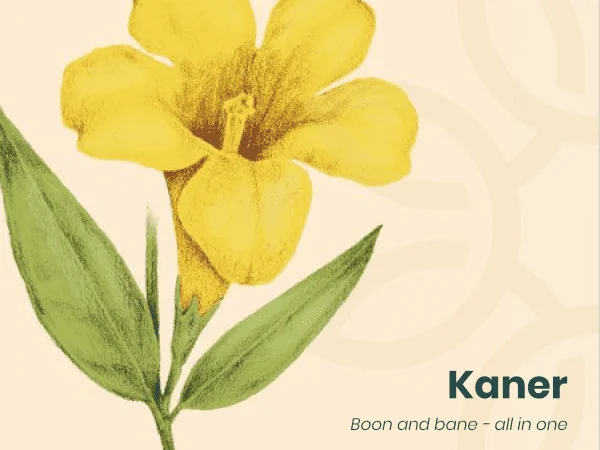
Oleanders or kaner are one the most talked about flowers – for good and bad reasons both.

Kaner or karavira (Nerium indicum) as its popularly known in India, holds a special place in Ayurvedic medicine and Hindu religion. Strong bushy structure, colourful flowers and deep green leaves make it one of the most favourite ornamental plants in landscaping throughout the country.

It is a paradox plant. On one hand it is considered to be highly toxic for humans, pets, birds, etc. On the other hand, this indigenous, hardy plant of India is loaded with healing properties too. Almost all parts of the flower from its roots, barks, leaves have rich medicinal quotient. From skin disorders to treating life-threatening diseases such as cancer, diabetes, etc, Kaner is nothing less than a miracle herb.

As per Vastu Shastra, the white kaner flower is considered to bring wealth and prosperity as its associated with Goddess Lakshmi. On important festivals, kaner is offered to Gods for eternal health and happiness.
Categories
blog Sustainable Gardening Basics

Top 5 issues related to home gardening in India

Place of birth

Who doesn’t like Monstera or Pachira? These gorgeous, top-dollar plants have left a long-lasting impression – not just on us but also on our environment.

Native to the Central and South Americas, such plants when brought to a foreign land needs a lot of help to survive. After all, change of place doesn’t impact our health alone but of plants too.

Understanding nativity or place of origin of plants can help you make conscious and cost-effective decisions for your garden.

Build your garden instead with native plants such as Champa (Plumeria), Chameli (Jasmine), Balsam (Rose Balsam) and so many other aromatic, medicinal ones.

They will not only uplift your senses but also support the friends of our planet aka bees, butterflies, birds.

Special Growing Conditions

Lucky Jade and Aloe escaped the scorching heat of Africa’s desert to make their way into our tropical and humid climate.

To make such succulents survive, one has to invest in a special soil mixes, growing conditions, etc. to replicate their home environment.

Overwatering and wrong soil mix issues among succulents are the most as compared to other plants,. Such issues reduce their survival rates to negligible.

Instead, choose native succulents such as Malayan Spurge (Euphorbia antiquorum), Indian Spurge / Dog’s Tongue (Euphorbia neriifolia).

Such plants are well-versed with the local environment. It can be a good start to opt for such native, hardy succulents, if you love such plants.

Toxic Content in Plants

Talking about mindless gardening and not mentioning about Dumb Cane will be really dumb on our part.

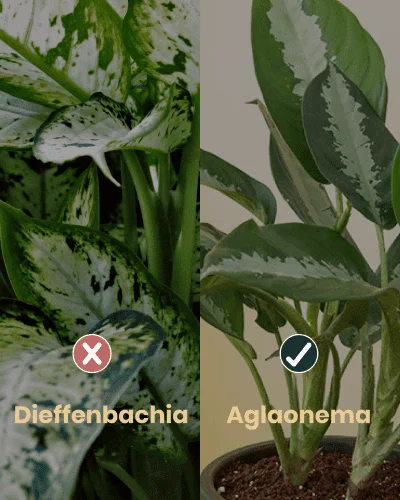
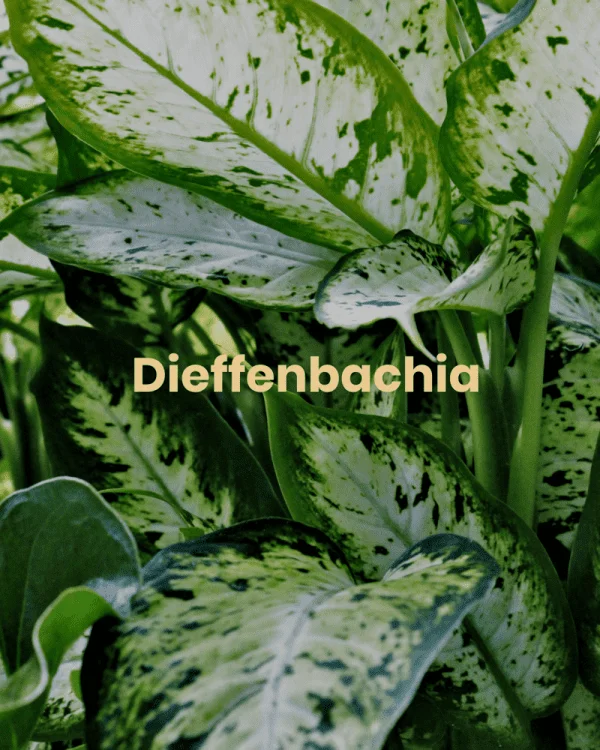
Dieffenbachia, popularly known as dumb cane, has the potential to render someone speechless. It is one of the most toxic houseplants commonly found today. With its poisonous raphides, it can give someone infectious skin allergies to both people and pets.

Similar to dumb cane, most exotic houseplants today such as ZZ (Zamioculcas zamiifolia), Peace Lily (Spathiphyllum) etc have toxic elements which can harmful to humans and animals upon ingestion or exposure.

When you think of creating an outdoor garden, replace such plants with native varieties that have numerous health benefits.

From nettle to neem, select plants that are useful to you, not harmful for your kids, pets or anyone in the family.

Depletion of Resources

Imagine one day you wake up in a city taken over by aliens! As crazy as it sounds, growing exotic plants, especially outdoors, is just like inviting an alien invasion.

In order to survive in unfamiliar, sometimes hostile conditions, such plants reproduce in abundance to create their future generations. In the process, they not only take over the local habitats but also erode soil quality over time by sucking out groundwater, essential nutrients, etc.

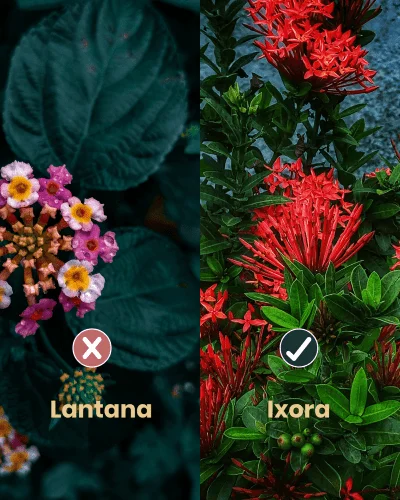
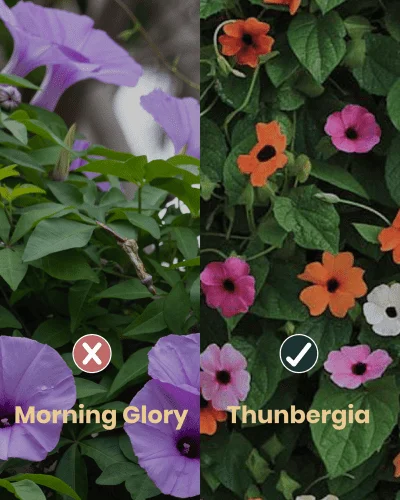
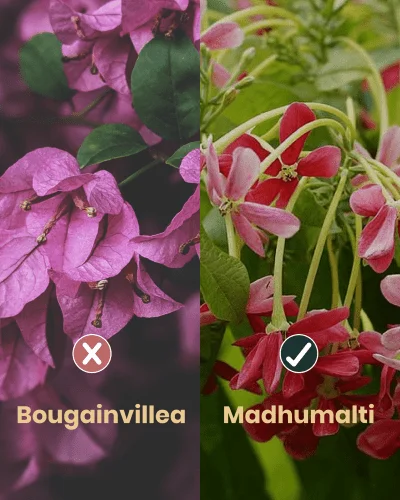
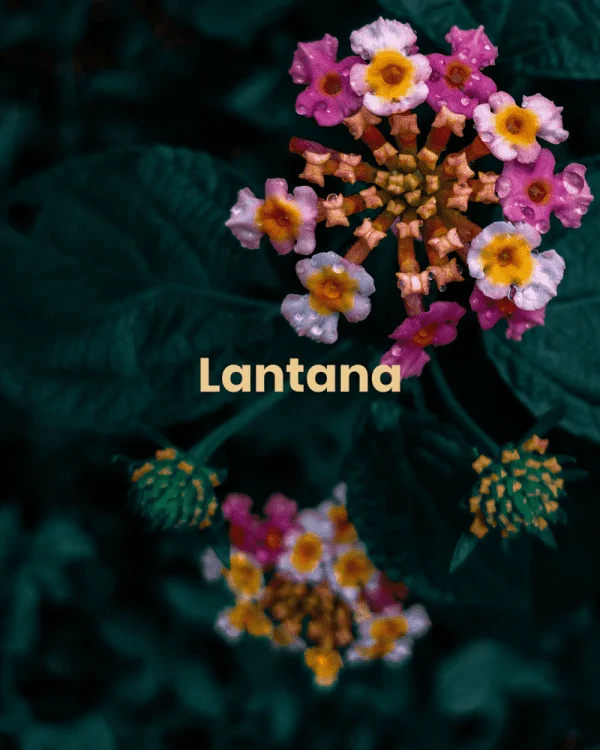
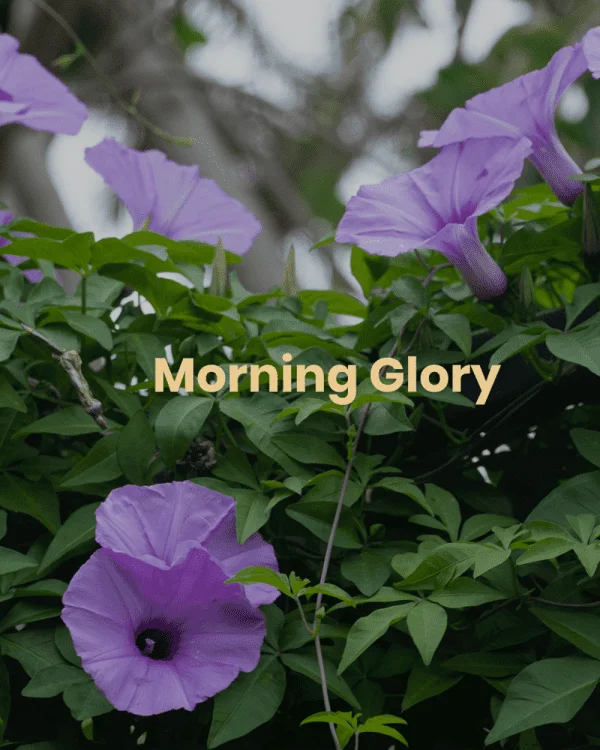
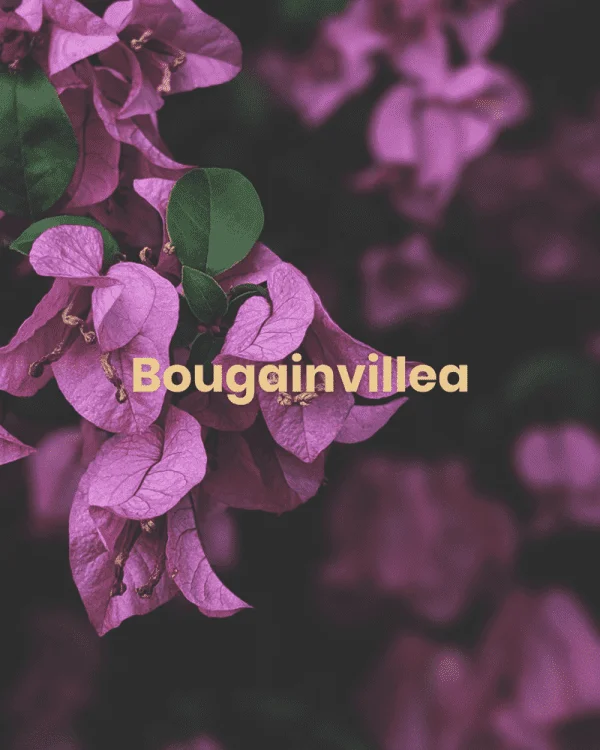
Lantana, Morning Glory, Bougainvillea, Eucalyptus, Pine are a few examples of invasive species in India which have outrun several native plant varieties.

Native alternatives to these plants such as Ixora, Thunbergia, Madhumalti (Rangoon Creeper), Sal, Deodar are beneficial to both – your garden and our environment.

Barrier to Biodiversity

Plants which have originated in some other parts of the world and introduced in an unknown place are known as exotic plants. Such plants are cultivated in controlled environments to make them survive on foreign soil.

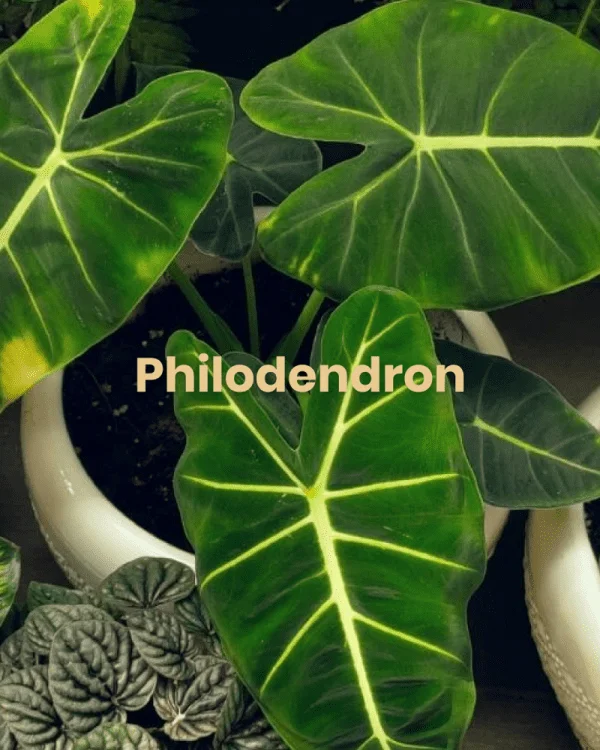
Some of the favourite houseplants Pachira, Dracaena have originated in the West and introduced in all parts of the world. Such cultivation not only disrupts the local environmental cycle but also degrades the foreign habitat.

Instead adopting and using plants which are native, originated or endemic to your region can help preserve soil health, biodiversity, among several other benefits.

Keep this is mind the next time you choose plants or seeds for your organic farm or lawn.

Categories
blog Native Plants of India

Flower of the month – Lotus – June

Lotus

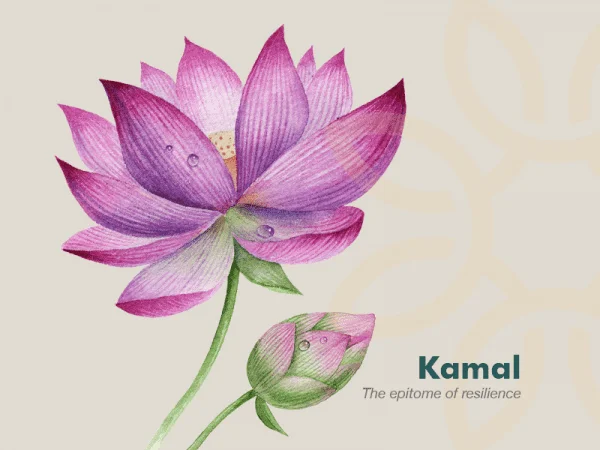
Popularly known as the god’s own flower, Lotus (Nelumbo Nucifera) marks the onset of Jyeshtha ritu in India. From its beautiful pink, white petals to its stems and roots, the lotus is considered to be one of the most important flowers in the country.

This delicate flower has touched several walks of life from architecture to textile, botanicals to recipes. Even in this century, lotus continues to inspire design in every aspect.

It also symbolizes various aspects for different cultures. In ancient Egypt, it was considered to be a symbol of sun, rebirth and creation because of its unusual behaviour which marks the beginning and the end of the day.

For Asian communities, it continues to a symbol of wealth, prosperity, purity and fertility. Its unique traits of submerging every night into river water and miraculously re-blooming the next morning, sparklingly clean is a symbol of hope to many.
Its stems known as Kamal Kadki in Hindi or Lotus Roots in English is used to prepare several delicacies in Asian cuisine.
Categories
blog Sustainable Gardening Basics

Microblog Series: 3 things that make your plant happy

Plants may not be demanding your attention most times. However, like us, they also need suitable environment to flourish and grow in life. A little insight in their likes and dislikes can help you cultivate a happy and healthy garden.

Here’s a list of three basic and simple routines that are beloved to your indoor and outdoor plants:

Planters that are made out of natural clay are both plant and environment-friendly. Such material is breathable as it allows oxygen’s inflow and outflow.

Additionally, terracotta let’s the water dry out as compared to other materials hence minimising the chances of root rot in plants. In short, plants love and thrive in terracotta v/s other materials.

Watering is the most important aspect for potted plants. How we water them makes a huge difference in their growth stimulation.

Showers make them nostalgic of rains – something that they eagerly await for every year. Watering cans with shower-heads work best for plants as they spread the water evenly in the soil.

Nutrition in plants mainly comes from soil. While good organic soil is good enough to provide essential nutrients to plants, they do need top-up dozes too.

Fertilizers derived from desi-cow breeds such as cow dung cakes, jeevamrut are beloved to plants, more than even vermi-compost and other forms of bio fertilisers.

Categories
blog Sustainable Gardening Basics

How sustainable gardening can help reduce negative impact on our environment

Nature has not only decided the birthplace of every plant but also its family and friends who can depend on it. Even the external surroundings and habitat which will provide ensure its growth and development has been well planned for them.

Native plants require lesser time and resources as they have spent centuries learning and adapting to the local environment and growing conditions. They also tend to be healthier and stronger thus, reducing the risk of withering or premature dying, falling, pest attacks, frequent maintenance among other aspects. More importantly, most native plants in India have immense medicinal and healing qualities that benefit the gardeners, in turn.

However, sustainable gardening isn’t about native plants alone.

However, sustainable gardening isn’t about native plants alone.It combines knowledge of resource optimization and conservation with natural gardening practices. Native plants are just a part of it. Sustainable gardening encompasses these five elements:
1. Soil
Healthy soils produce healthy plants. Healthy soil is full of organisms that turn organic matter and minerals into vital plant nutrients. When the soil is healthy, the need to apply fertilizers to boost plant growth is minimized.
2. Water

Drinking water is a precious resource that, in many parts of the country, is in short supply.

Optimizing the water application techniques such as designing water-thrifty gardens can help reduce burden on our water resources.

3. Material
To be truly earth-friendly, it makes sense to think sustainably beyond plant selections — about the other parts of a garden, such as planters, raised beds, pathways, fences, and outdoor furniture.
4. Biodiversity
Wilderness is disappearing at an alarming rate. Supporting a natural ecosystem is something that home gardeners can do to combat loss of plant and animal species.
5. Plants

Native plants are adapted to the local climate and soil conditions where they naturally occur.

In addition to supporting pollinators and other wildlife, native plants are inherently sustainable as they require less watering and fertilization than most non-natives.

They also have significant medicinal importance & are being used in traditional therapeutic systems like Ayurveda for thousands of years in India.
Besides the above, a sustainable garden maintains the natural look of landscape with the systematic growth of plants. It also spreads the message of nature conservation by protecting local flora of the region.
Categories
blog Sustainable Gardening Basics

Microblog Series: Why should you opt for native plants in your home garden

Native plants play a vital role in supporting our lives as well as the biodiversity around us. When starting a home garden either indoors or outdoors, one must consider choosing plants which are indigenous or native to the environment one lives in.

3 reasons why you must choose native plants for your garden:

1. They complete their family – other plant species find it easy to co-exist with them.

2. Their friends depend on them – birds, butterflies, insects, worms, etc derive their food, nutrition, shelter, medicines in the form of nectar, pollen, seeds, leaves from them.

3. They hold us together – moisture, soil, water, sunlight – all facilitate the natural multiplication of plants and become a part of the larger ecosystem we thrive in.

Besides the above, native plants are also low on maintenance as they’re well equipped to adapt with the local environment.

When starting a home garden either indoors or outdoors, one must consider choosing plants which are indigenous or native to the environment. This is the foundation of building an eco-friendly garden. Native plants also tend to have higher medicinal value which is good for your well-being.

Read more about our sustainable gardening services on Peepal. Link in Bio
Categories
blog Sustainable Gardening Basics

Can a home garden sustain itself, without our intervention?

Foreign or exotic plants that are cultivated or introduced somewhere else often become invasive in a foreign land and environment. Such invasion wipes off the native plants and local habitats with speed. When exotic plants outnumber native plants, it affects the biodiversity as the birds, bees, insects, don’t find them conducive for survival.

Their survival has a direct impact on our lives too with our food-chain being impacted among other aspects. To maintain such exotic gardens, one needs to adopt modern technology and products such as fertilizers, pesticides, insecticides, artificial light, water conditions et al. The cost of creating such ‘beautiful’ gardens is not only borne by the ecosystem but also our treasuries eventually.

On the other hand, gardens that embrace local, indigenous plants require negligible human assistance to thrive. Just like a natural forest.

Five factors why native gardens are self-sustaining because:

1) They require minimal maintenance as such plants don’t need additional water, fertilizers, pesticides to survive

2) They are well-versed with local climatic conditions and are inherently designed to combat them naturally

3) They can create a natural paradise for local butterflies, birds & other species that make the garden alive in a real sense

4) They work with other plants in their community to share and conserve nutrients with their root network

5) They have well entrenched roots that tend to survive the harshest rains, winds, or storms unlike exotic ones

Making conscious choices can lay a root-solid fundamental for your garden whether it is as small as your window or as large as your farm.

Next in this series: How sustainable gardening can help reduce negative impact on our environment