
You might be wondering why I need alternatives to exotic plants? What harm will these plants bring to anyone? The fuss about exotic plants isn’t just about their aesthetic appeal but sustainability – for you and our environment at large.
Worldwide, developed nations are now realizing the value of native, indigenous plants in their ecosystem and working hard to reintroduce them. This realization has come at a heavy price though. From heavy garden maintenance, biodiversity loss, degrading soil health and erosion, reducing green cover, rising temperatures and the list goes on.
In the short-run, effects are hardly felt. Though some are visibility evident such as the movements of birds, butterflies, bees. For instance, birds use their intelligence to recognize exotic trees and avoid building their nests on them. Non-native or exotic trees are weaker in the rooting system as compared to the native trees and are more prone to falling. A good example of this is Mumbai’s popular Gulmohar tree, which dot our cityscape but also pose as a major threat during monsoons.
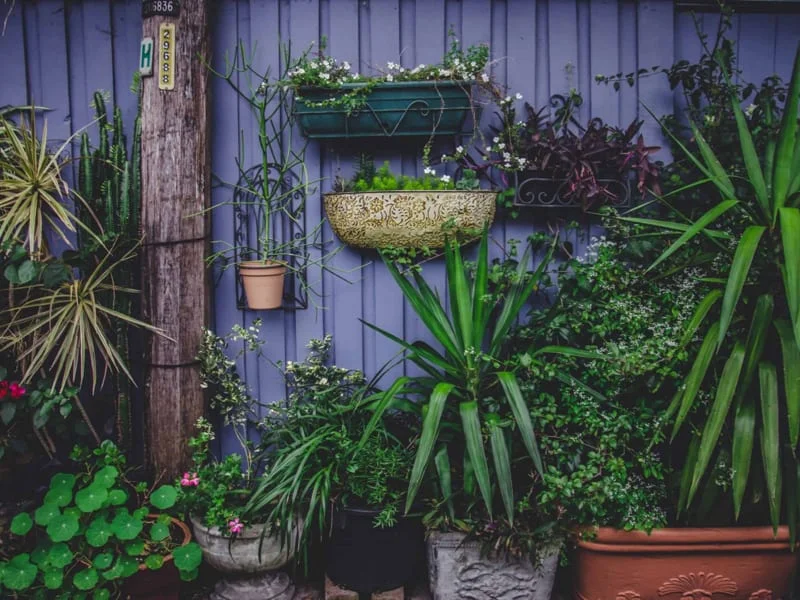
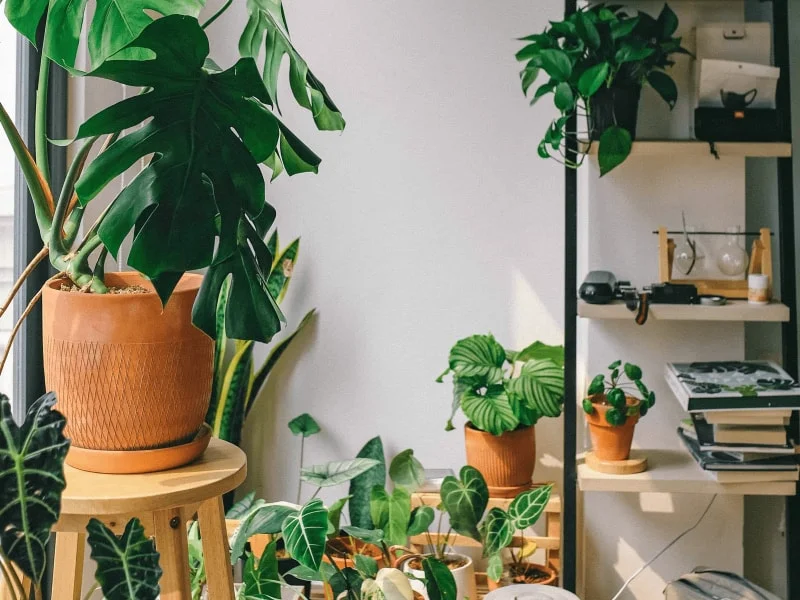
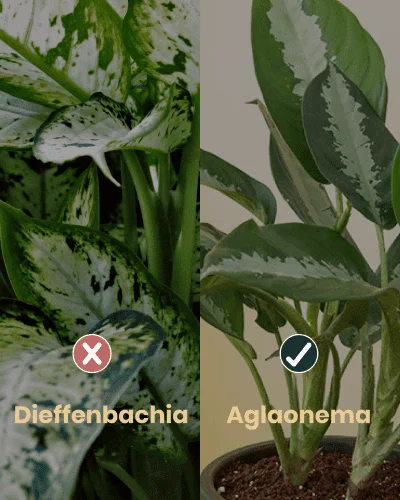
Like Gulmohar in the city, our homes are filled with exotic species too. Be it indoor plants such as Monsteras, Pachira, Bird of Paradise or invasive outdoor species such as Lantana, Bougainvillea, Morning Glory, these pretty plants can take up a lot of your time, space and effort if left unchecked.
Here a few alternatives to exotic and invasive plants while planning your home garden which have near similar aesthetic appeal:
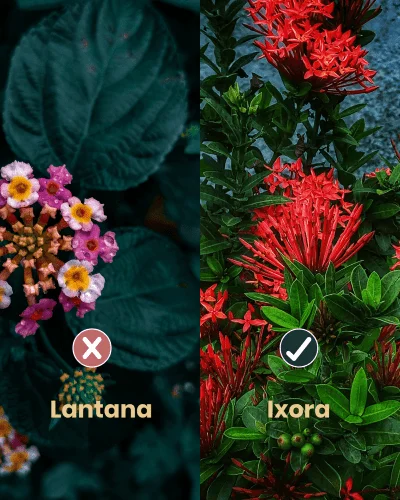
Ixora (Ixora coccinea) – Alternative to Lantana
Popularly known as Jungle Geranium, Ixora is a perennial flowering plant with striking clusters of flowers available in different colours
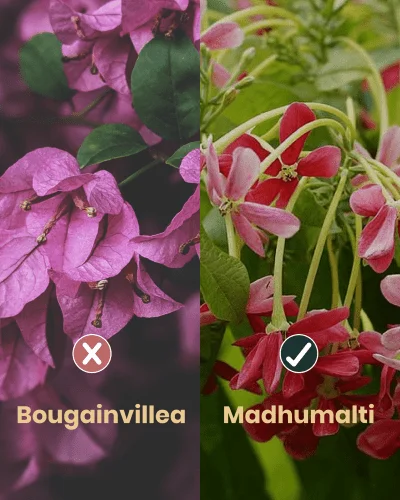
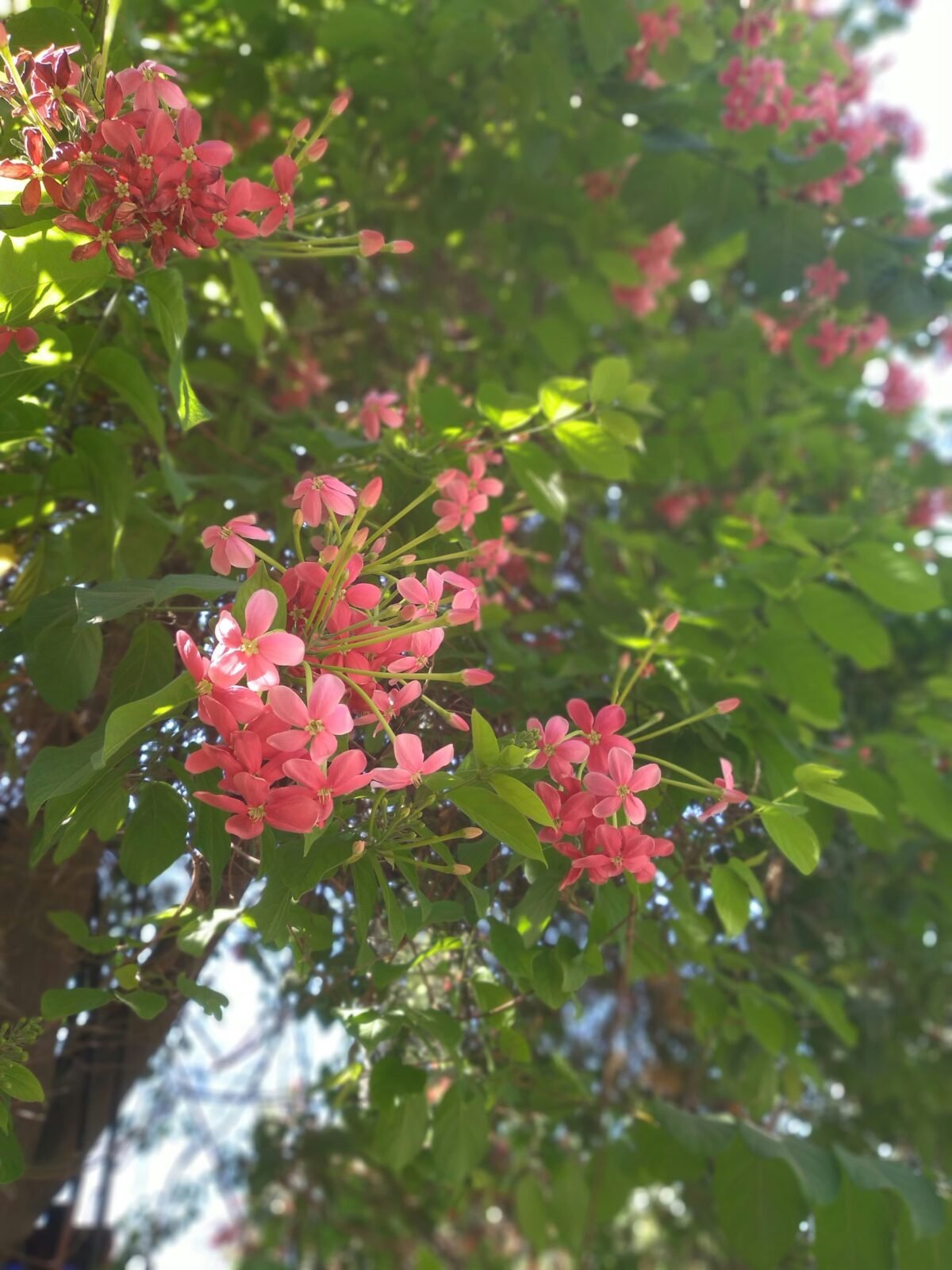
Madhumalti (Combretum indicum) – Alternative to Bougainvillea
Attractive flowers, which blossom like a bouquet of different shades of pink, red and white, can fill your garden with a sweet, unforgettable scent unlike its global counterpart Bougainvillea.
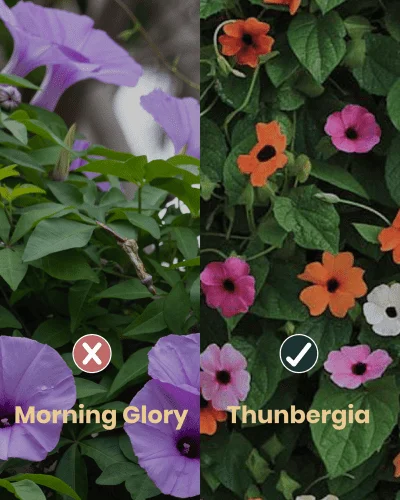
Thunbergia (Thunbergia grandiflora) – Alternative to Morning Glory
Creating a natural green wall couldn’t be easier with Thunbergia. It’s thick green foliage coupled with beautiful purple flowers can create a sturdy green barrier in no time.
Kaner (Nerium Oleander) – Alternative to Thevetia
Drought resistant, perennial, flowering and bushy – what more can a garden demand!
Son Champa (Michelia champaca) – Alternative to Plumeria
A highly underrated, hardy, fragrant plant that adorns our festivities every year. Son Champa can be a great addition to any garden – big or small.
Exotic plants are not bad by themselves. They are just plants after all, but happen to be in a different place, unknown environment, and more often bring along a host of issues. The human endeavor to introduce and multiply exotic plants in non-native conditions creates a negative impact on the local ecology.
Start by adopting these hardy, low-maintenance plants that can serve as great alternatives to exotics.