
Categories
blog Sustainable Gardening Basics

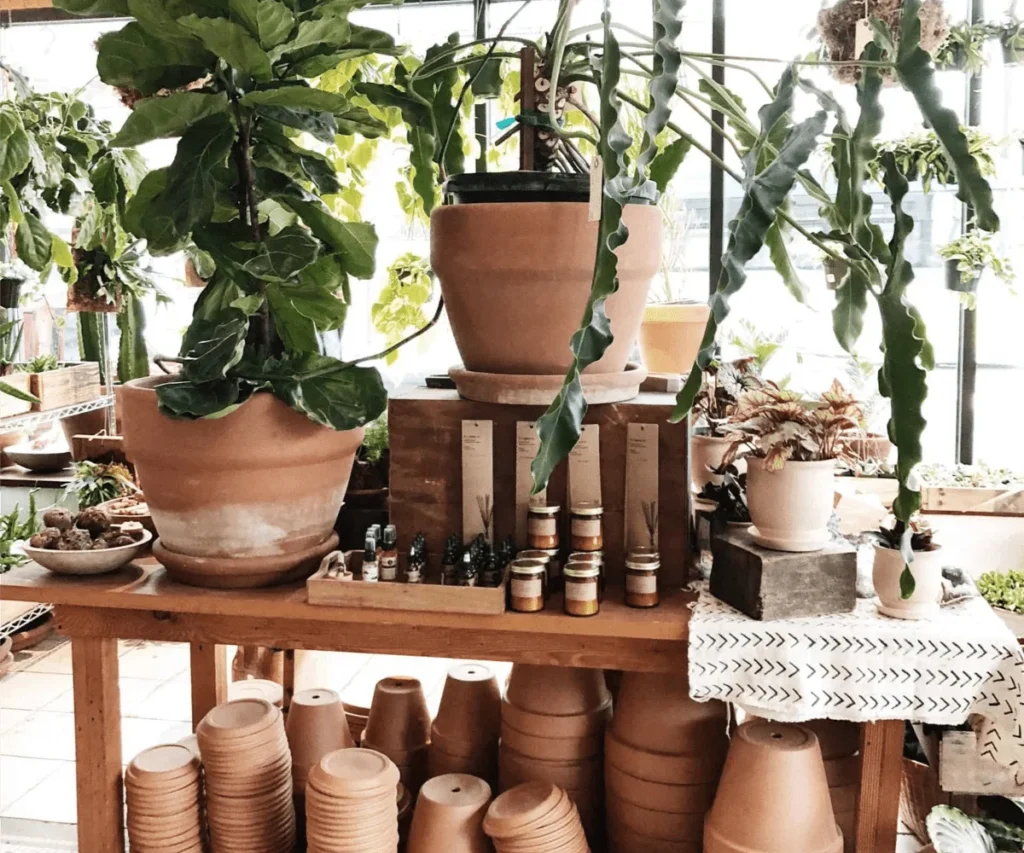
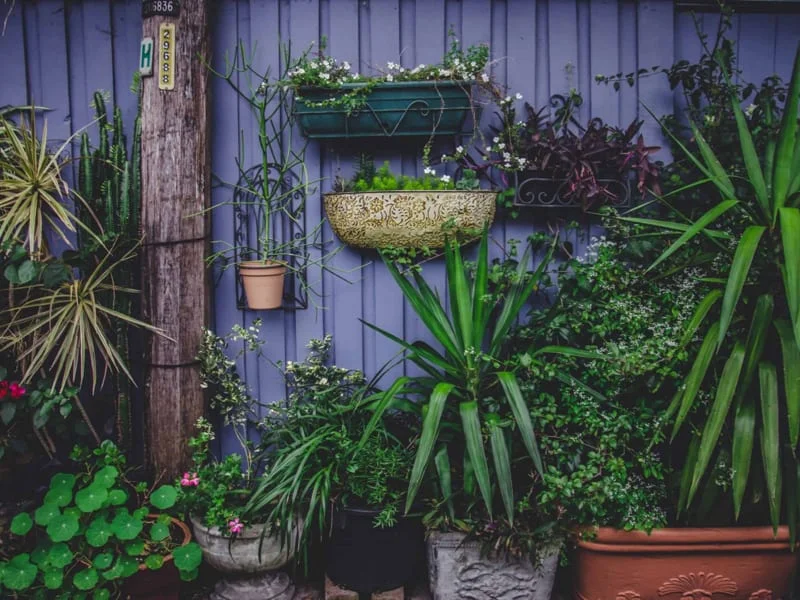
Did you know? Plants love terracotta

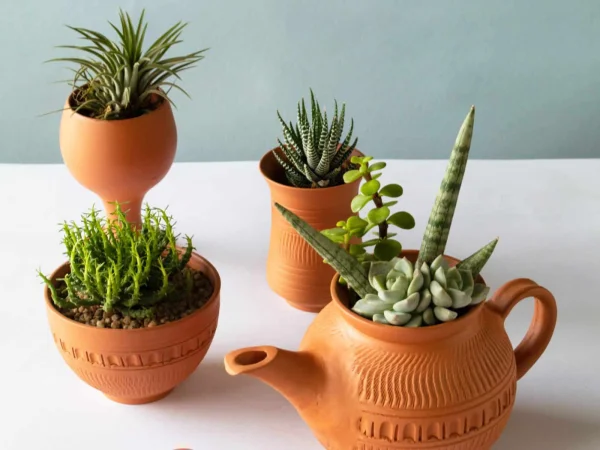
Planters are made out of natural clay are both plant and environment-friendly. Such material is breathable and adjusts as per the outside temperature. In short, plants love and thrive in terracotta v/s other materials. However, they come with their own pros and cons.

Water and air circulation is better in terracotta

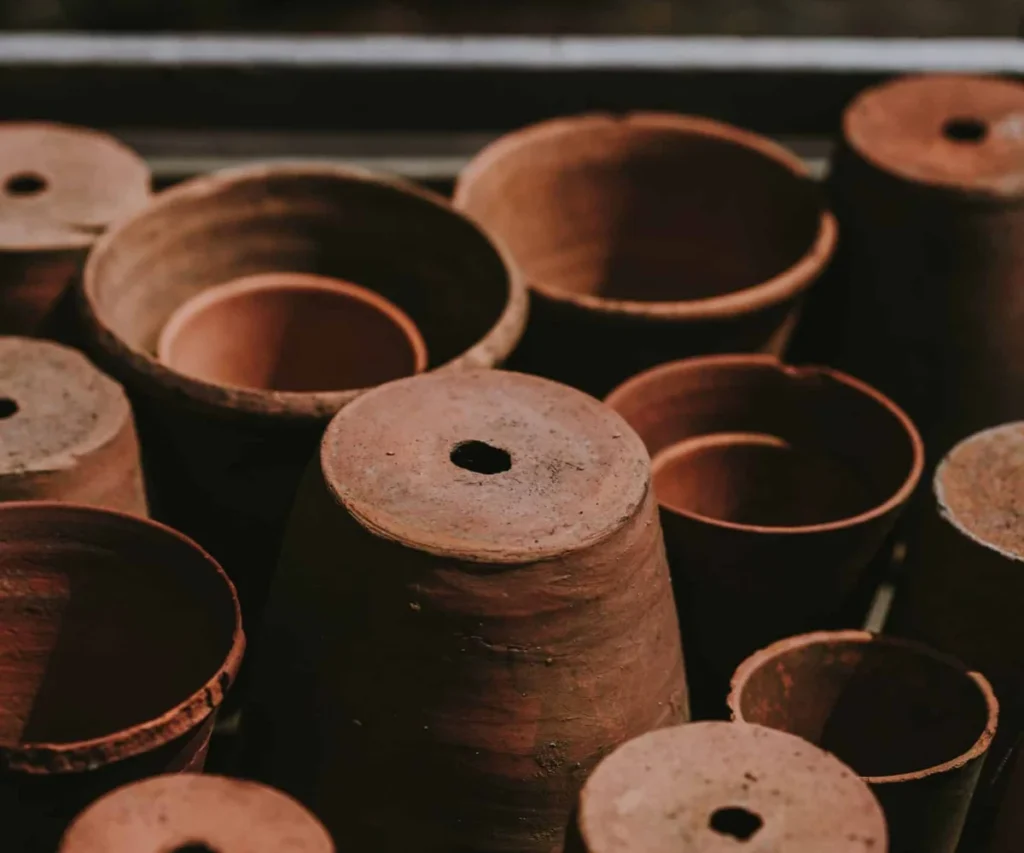
The high porosity in terracotta planters allows for air and water to move through the walls. This keeps the plant healthy from root rots, soil erosion, etc.

Terracotta materials also reflects the outside temperature very easily. Hence, problems related to watering can be easily noticed in such planters.

Natural look and patina makes it more desirable

The colour of clay combined with the white deposits on the outer surface can outshine any other material.

In different regions around the world, clay colour can differ from reddish brown to white and even black in a few cases. You can also give it your creative spun
Being a natural material, it is prone to wear and tear

Since terracotta planters are made of natural clay, they’re delicate and can break or crack.

Long exposure to water can bring a deposit of fungus on the outer layer. However, it can be scraped or washed once the temperature is dry enough with a cloth or tissue.
Categories
blog Sustainable Gardening Basics

FAQ: How to create a sustainable garden?

Such balanced, consistent, and self-sustained ecosystems require minimal or no intervention, resulting into ecological conservation at a macro level.

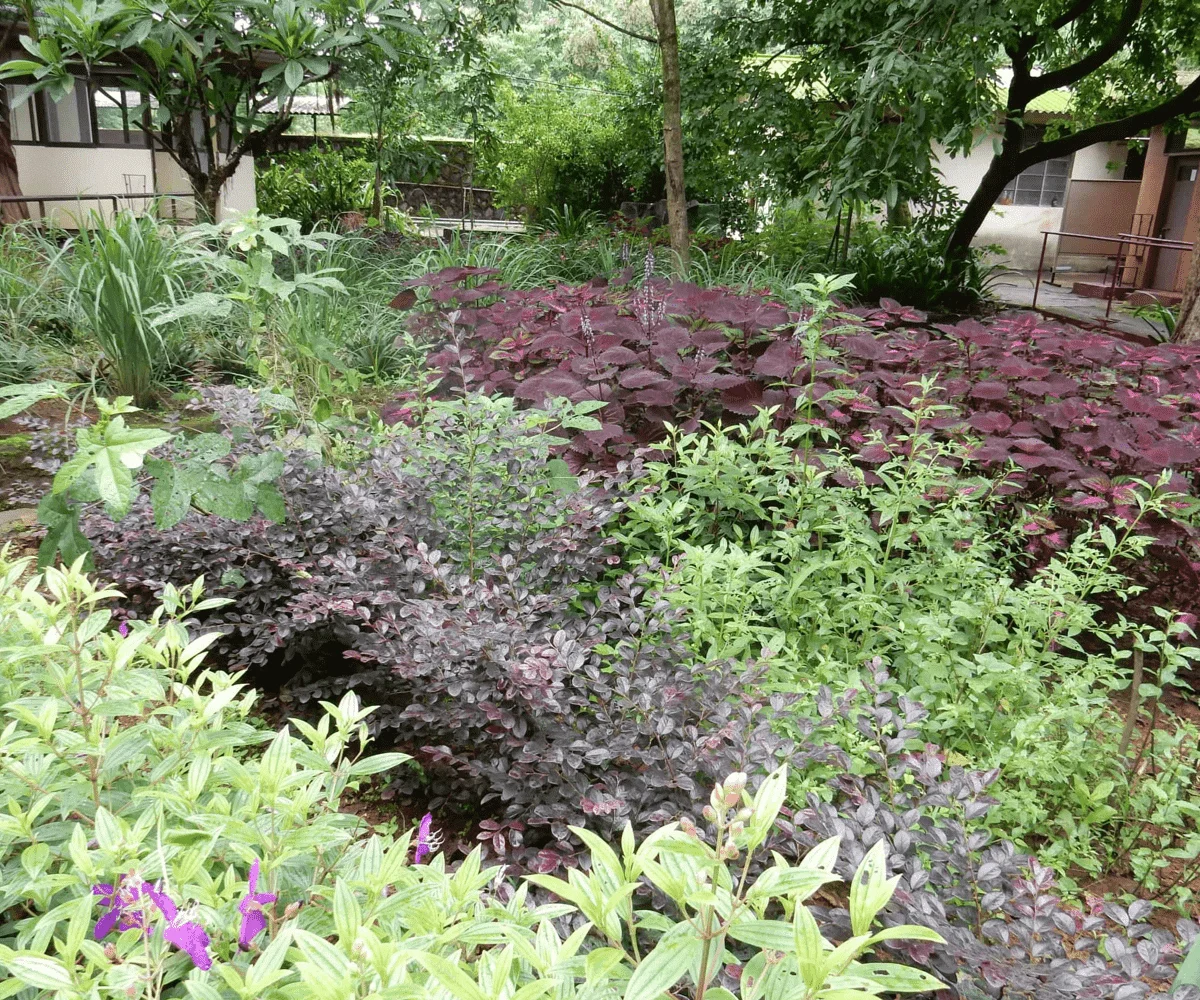
At an individual level, choosing eco-friendly materials, native plants, optimising time and resources to create your home garden, makes it sustainable.

Such methods encourage natural ways of –

Growing

(with no frills attached)

Fertilization

(where the kitchen is the gold mine)

Pest control

(when the job can be done gently)

Watering

(when less is more)

Creating a sustainable garden at home requires a holistic approach towards incorporating natural ecosystems at a smaller scale. From the choice of planter materials to the type of plants and maintenance of gardens, one can create a self-sustaining microcosm within the confines of one’s home.
Categories
blog Native Plants of India

3 native plants to style corners

Want to create an Instagramable living room? Try integrating a few tall, statement plants in the corners of your homes.

Plants can brighten up any space, if placed in the right setting. Be it bonsais that make an extraordinary addition to one’s house or simple palms, plants have the potential of making any corner lively.

While doing so, choose low-maintenance and hardy plants so that they can survive in indirect light.

Here are a few native plants that can help you achieve a stylish and sustainable corner.

Palms

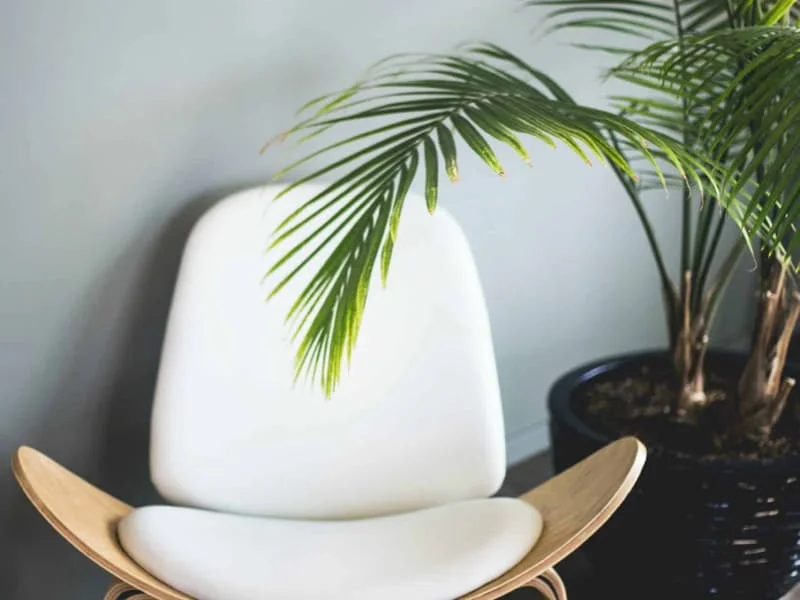
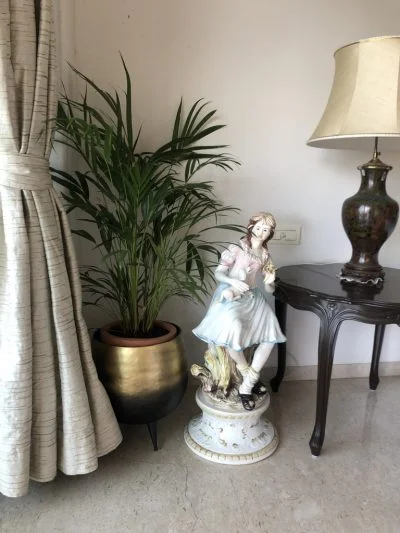
There’s a lot of variety in palms that you could choose from. However, the ultimate favourite of all time remains Areca Palm, Raphis Palm, etc.

Ficus

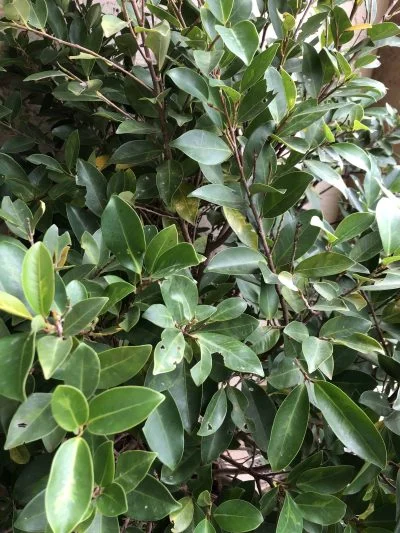
Comes in different sizes, shapes, colours. Weeping Fig, one of the most popular houseplants, is making a serious comeback in our homes.

Schefflera

It is one of the most under-rated plants. It can really brighten up your corners with its interesting umbrella shaped leaf pattern and strong stem structure.

Categories
blog Native Plants of India

3 native plants for styling living rooms

Who doesn’t like large, life-sized plants touching their roof? Plants have become central to home decor and tall plants help make a style statement.

However, the choice of plants can make or break this feeling. While exotic plants look beautiful, they’re often require high maintenance. Fragile root systems, watering issues and pest attacks are more rampant in exotic plants than native varieties.

Native varieties on the other hand, not only help your spaces look evergreen but also reduce maintenance stress for you. Additionally, such plants are versatile and can survive in almost any light condition, indoor or outdoor.

For instance, rubber plants, palms, ficus can thrive inside your house in indirect light and can also do well in your balcony in full sunlight. They adjust to their surroundings way faster than the exotic species.

Here are a few native plants that are low maintenance and can help you make a statement.

Areca Palms

It is the ultimate versatile and low-maintenance plant for living rooms. Keep it anywhere from direct sunlight to indirect bright light, and it shall thrive.

Ficus

Weeping Fig one of the most popular houseplants is making a serious comeback in our homes. Use it as a bonsai or tall, bushy plant.

Rubber Plant

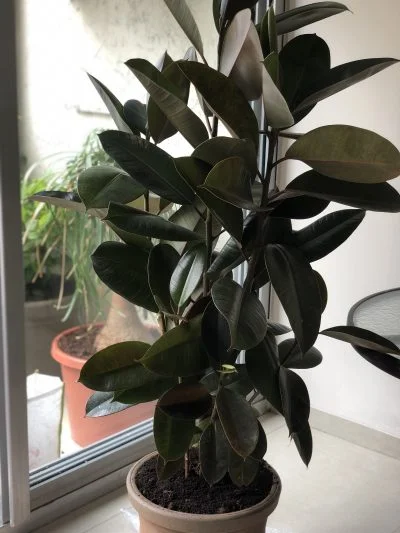
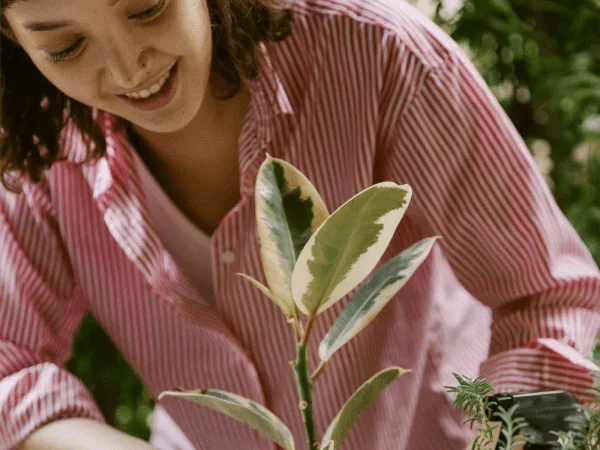
Comes in several sizes, shapes as well as colours. However, the elastica variety is one of the most spectacular and hardy ones among all.

Categories
blog Sustainable Gardening Basics

Myths v/s Facts: Bigger the better

Myth:

Size of pots determine plant growth.

Can we create a garden which is aesthetic and low on maintenance at the same time? Yes, of course. Replacing exotic plants with native / indigenous and hardy varieties can not only increase your garden’We often, think that our plants need more space than they have currently. Larger and bigger the pots, proportionate will be the plant’s growth.

Especially, potted houseplants need more space to grow. This may not be necessarily and entirely true.s lifespan but also reduce maintenance costs to a considerable extent. Native plants are well-adapted for our local climate. This means, they’re more resistant to pests – hence, reducing the use of pesticides. They contribute more towards soil nutrition – hence, reducing the use of fertilizers. They’re hardy in nature – hence, they tend to survive better in harsher weather conditions – hence, reducing the replantation efforts.

Fact:

It is important to choose the right size and kind of planters depending on the plants you have.

Every plant has a different root system. Some grow deep, some remain shallow.

When smaller plants are given extra large planters, they may in fact not survive owing to dispersal of water in the soil. Hence, understanding the space requirement for plants is very crucial for their healthy development.

One easy tip to check if your plants need more space – tilt your pot and check underneath for any roots coming out of the hole. If yes, then your plant is wanting to be repotted in a slightly larger planter. If no, then it is okay with its current home!

For instance, Orchids like airy planters while palms can remain pot bound for a very long time. For shallow rooted plants such as houseplants or indoor plants small sized and wide shaped planters would do just fine.

However, for deep rooted and fast growing plants such as flowers, edibles, etc you must invest in deep or tall height planters.

So before, you start repotting your houseplants, look at the signs and choose the planters wisely.

Categories
blog Sustainable Gardening Basics

Microblog Series: 3 daily routines for you and your plants

There are several similarities between us and plants. Our basic necessities are theirs too. In order to understand what plants need, a gardener must think about his or her own daily wants, such as Hydration, Fresh Air and Health Check-ups.

Hydration

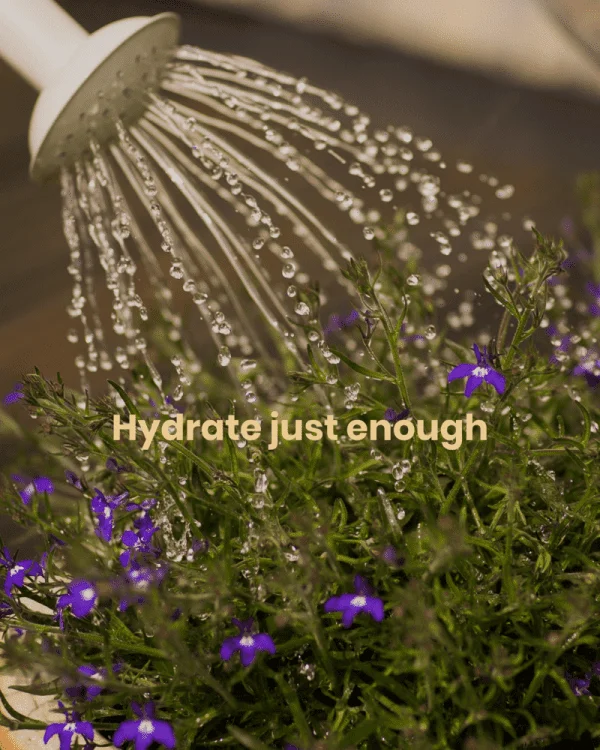
Our water or liquids intake differ from season to season. In summer we feel more thirsty as compared to winters. Same is with plants. To understand how much water they need, look at their leaves. If they’re upright, they’re fine. If they’re drooping downwards, they’re thirsty.

Fresh Air

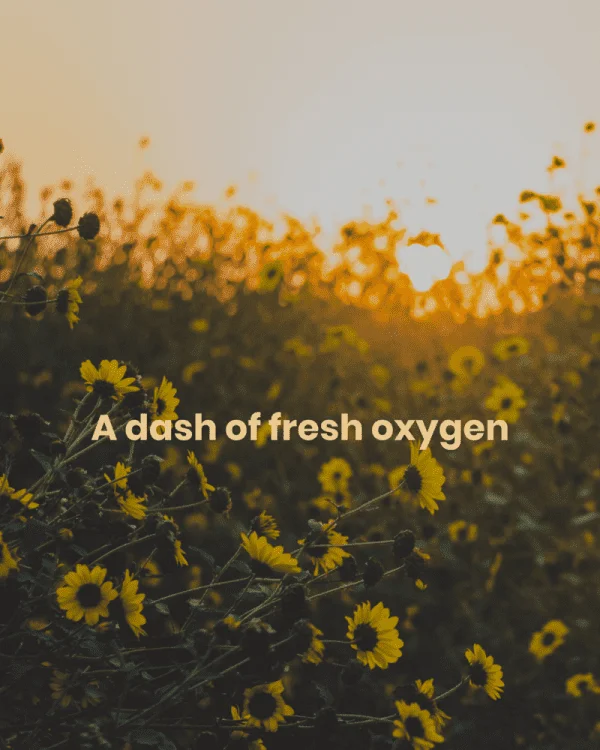
We all are oxygen loving creatures. A daily dose of fresh air is all we need to keep our lungs healthy. While plants can survive in closed, non-ventilated spaces, they might not thrive. Keeping them in open air or breeze can keep pests at bay, ensuring their good health.

Health Check-Ups

Prevention is better than cure – applies to plants as well. Diagnosing problems at the right time can give them a new lease of life. Whether it is a pest attack or lack of nutrients in soil, such problems when detected in early stages can help the spread and long-lasting effects.

Categories
blog Sustainable Gardening Basics

Myth v/s fact: Maintenance v/s sustenance

One of the most common questions or concerns while creating a garden is centered around its maintenance. For new gardeners or beginners, this alone becomes the single, most important decision-making factor.

So let’s help our friends who are thinking of starting a garden.

Myth: Creating a garden means a lot of maintenance.

Gardens especially indoor gardens require more time, resources, attention and care. We need to install modern technologies such as humidifiers, mystifiers, air conditioners, for the plants to survive.

Fact: The kind of plants one chooses decides its maintenance.

Native or indigenous plants generally doesn’t require as much care, support and interventions as much as exotic or foreign origin plants do. They can sustain themselves easily if the garden is built using the right principles.

Native plants by default become low-maintenance as they’re well versed with the climatic conditions, weather and environment around them. They have spent centuries learning and adapting to it. These plants deploy their natural, in-built defence mechanism against unpredicted weather changes, pest attacks, or any kind of external influence.

Having said that, plants are like human beings. While they need food, nutrition, air, water among other things, they also need a gardener’s love, care and attention in order to thrive and become fully self-sustainable.

Categories
blog Client Project Sustainable Gardening Basics

5 native alternatives to popular houseplants

In our earlier post, we talked about the top five exotic houseplants. But what do we use in their place?


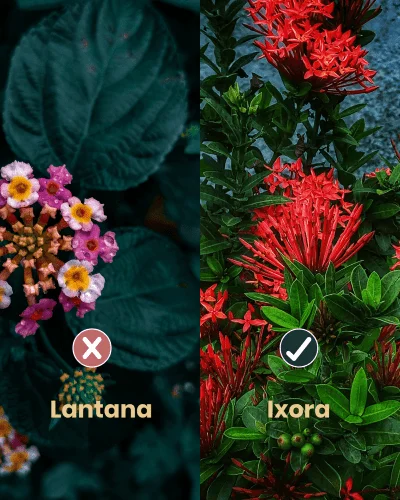
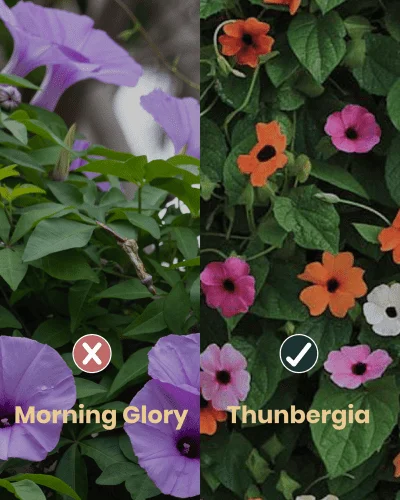
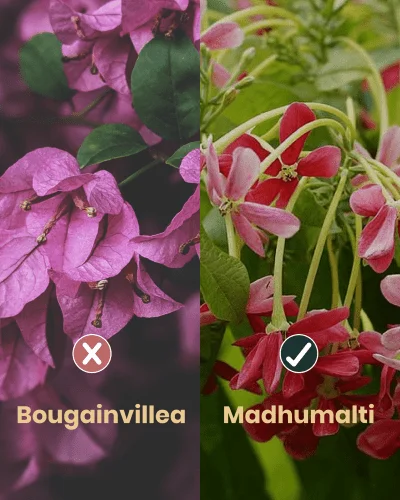
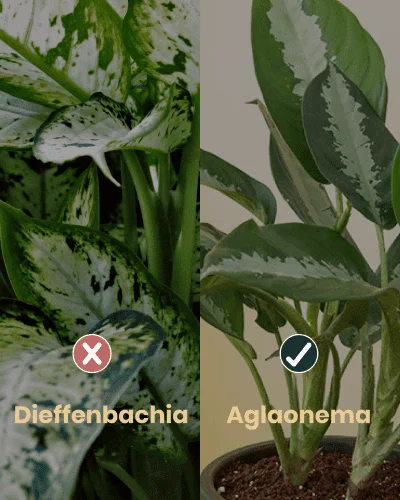
Here’s a list of native or indigenous plant that can serve as alternatives to exotic plants in your garden. Such plants are not just similar in terms of size, shape, colours, formation but are pro local environment.

Start by adopting these hardy, low-maintenance indoor plants that can serve as great alternatives to exotic plants.

While creating a new garden or adding plants to your existing one, choose plants wisely. Building a home garden with native varieties has several benefits – for you and our environment.