
Categories
blog Sustainable Gardening Basics

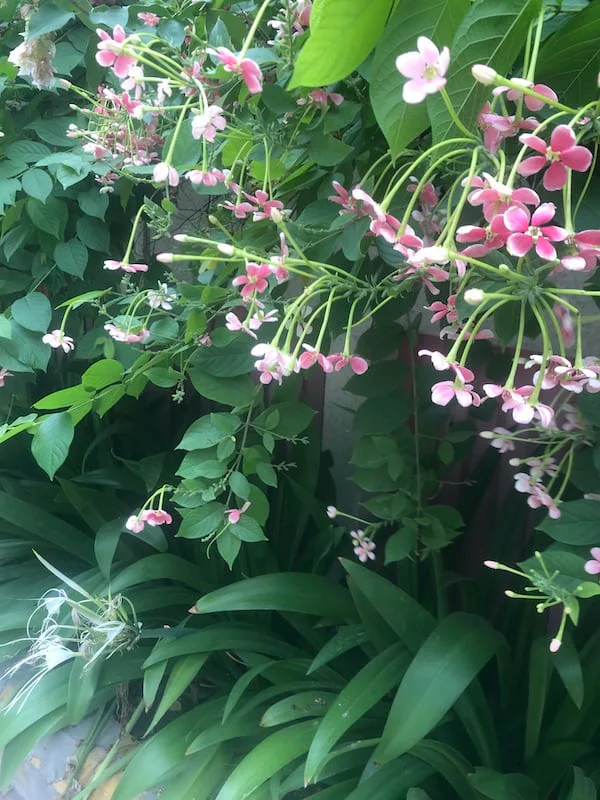
Why should housing societies invest in a sustainable garden?

An evening stroll in the garden and came back with an itchy skin? Your pet accidentally chewed on some leaves and felt uneasy? Maintaining the health, look of your garden is digging a hole in your pocket?
If any of the above scenarios read familiar to you, then it’s time to transform your society garden into a sustainable garden. As pretentious as it may sound, it is just about going back to our roots.
1) People-Friendly:
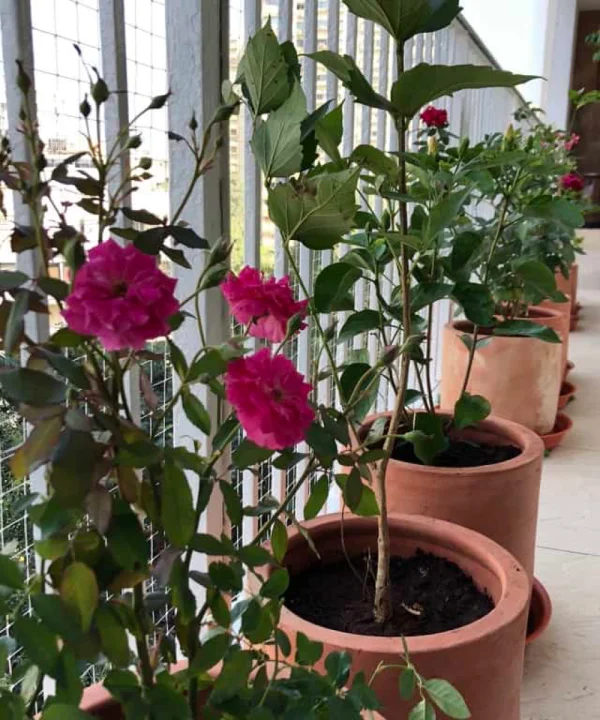
Since society gardens are used by everyone, especially the vulnerable – children, senior citizens, pets, one must be conscious of the plants being used in such spaces. A few plants are known to be highly toxic for the above groups such as Dieffenbachia, Lantana, Morning Glory, Croton, etc. Instead using native plants can create a safer space for all.

2) Environment-Friendly:
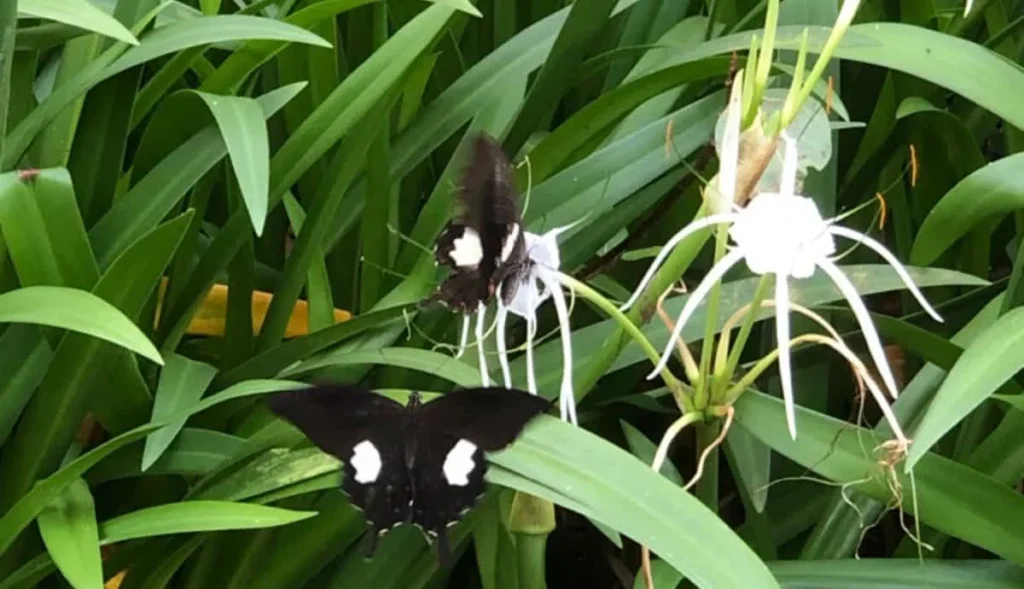
What is the purpose of a garden without its residents? The sight of butterflies and the melody of birds makes a garden pleasurable. By using chemical-free, organic fertilizers, pesticides or any other plant care materials, every small space can do its bit in protecting biodiversity. At the same time, using such natural products enhances soil health, longevity of plants and reduces its carbon footprint.
3) Pocket-Friendly:
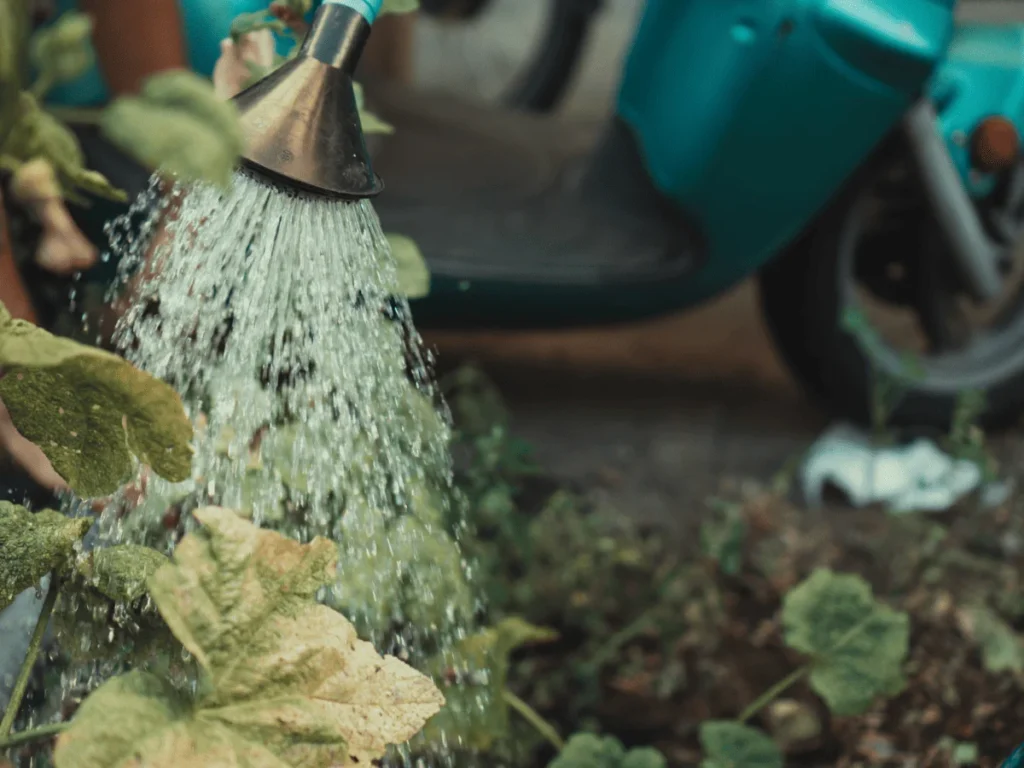
Can we create a garden which is aesthetic and low on maintenance at the same time? Yes, of course. Replacing exotic plants with native / indigenous and hardy varieties can not only increase your garden’s lifespan but also reduce maintenance costs to a considerable extent. Native plants are well-adapted for our local climate. This means, they’re more resistant to pests – hence, reducing the use of pesticides. They contribute more towards soil nutrition – hence, reducing the use of fertilizers. They’re hardy in nature – hence, they tend to survive better in harsher weather conditions – hence, reducing the replantation efforts.
To sum up, the choices that we make in our gardens make them sustainable. Choices that put self-sustenance at the centre of garden design. Choices that create a balance between contemporary aesthetics and traditional wisdom.
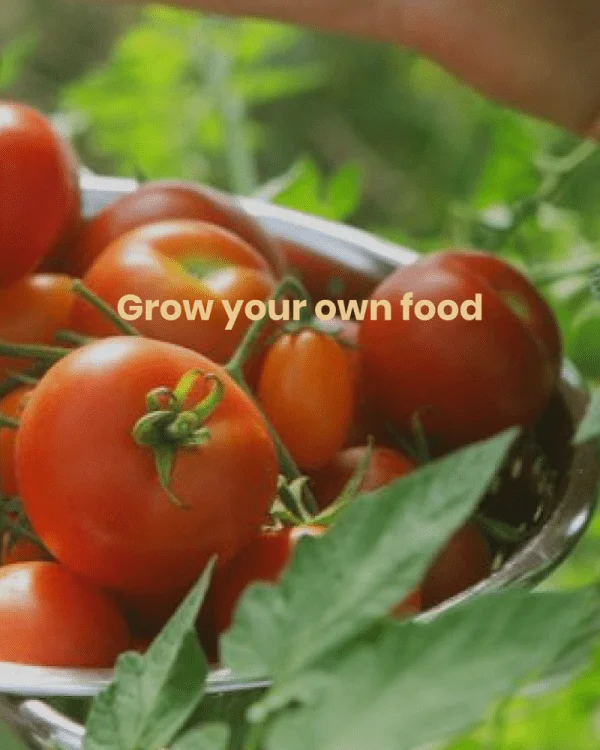
If any of the above scenarios read familiar to you, then it’s time to transform your society garden into a sustainable garden. As pretentious as it may sound, it is just about going back to our roots.Be it the colours from flowers, the vibrancy from birds and butterflies, the joy of growing your own organic food or a cooler sense of surroundings, a garden has much more to offer than one can think. From improving our physical, mental, spiritual, emotional, to even social health, it can enhance our quality of life. Not just for us, but everyone around us.
Categories
blog Sustainable Gardening Basics

3 things we can learn about community building from trees

Have you ever wondered about we build communities? Well, the answer may not be that complex. Building communities is much like growing a garden. Both need time, patience, knowledge and above all, compassion to thrive in an environment.

Investing in creating a community and garden has immense payoffs – not immediately, but in the near and far future. Plants not only help us in our day-to-day living but also teach us several virtues. Such as:

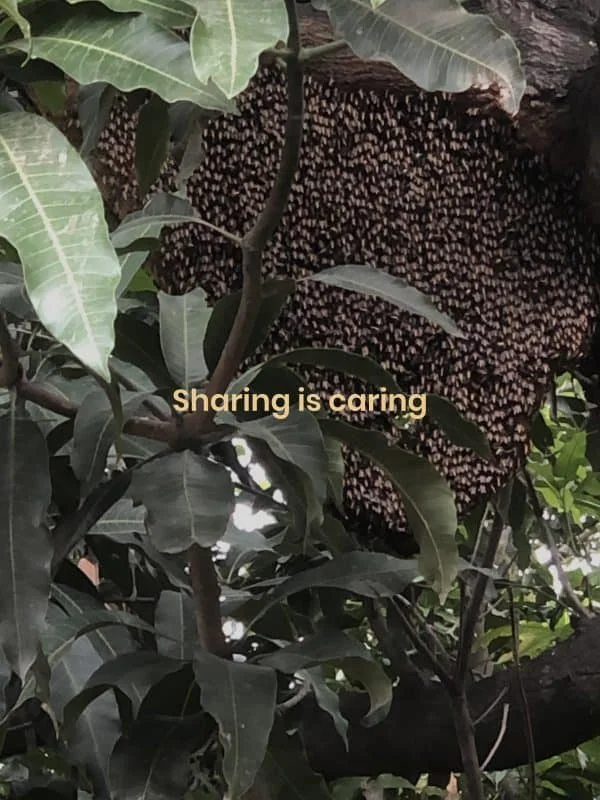
With the help of an extensive root system, native plants, share their nutrients with their neighbours. Such sharing of materials enables plants, trees self-sufficient.

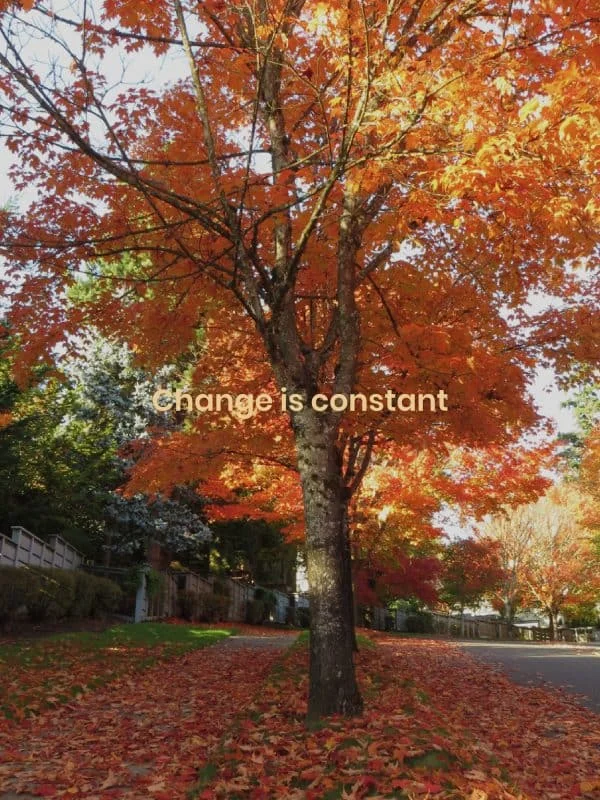
It’s no surprise that trees change colours of their leaves with changing seasons. Such adaptive behaviour helps them survive better and longer than being rigid.

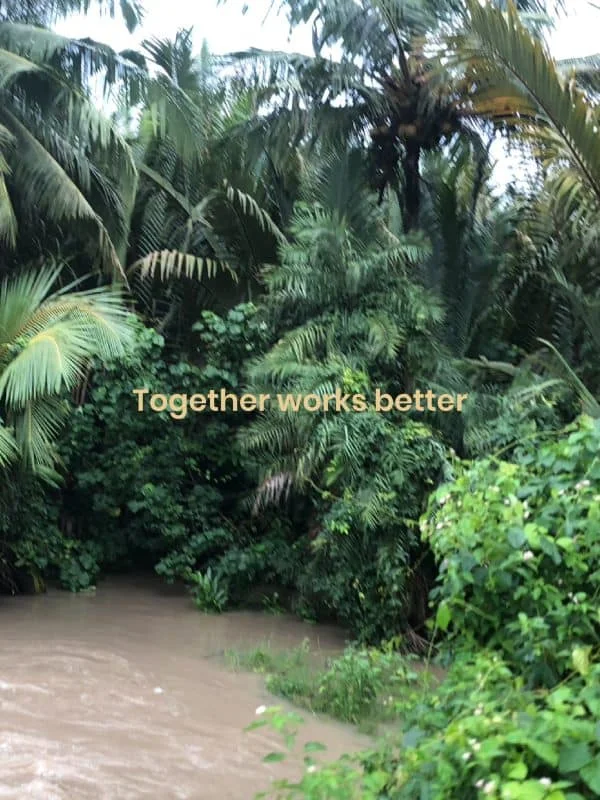
No one does it better than trees. From alerting others about pests attack to sharing an underground root network, plants know that working together is best for survival.

Plants are no different than us in their behaviour. Observe these similarities between you and them next time when you’re in your garden.

Categories
blog Sustainable Gardening Basics

Did you know? Black soil is not always the best

It is not necessary that blacker the soil, the better it is for your plants. There are several types of soil found across the world.
From colour to density, each kind of soil differs depending on a region’s typography and weather conditions.
Hence, while starting an indoor or outdoor garden, one must consider theIn India itself, every state has different kind of soil, rich in minerals in their own way. From black to red, from alluvial to marsh, soil conditions vary from region to region depending on the respective climate and environment.se three aspects:

1. Rich in minerals and organic matter

Each region in India has a different typography, geographical conditions and mineral compositions. Using local soil gives access to these rich deposits of minerals and organic materials.

2. Well-suited to support native plants

Local soil is equipped to handle the local plants. It complements the strengths of these plants and gives essential support in building immunity towards pests, other threats.

3. Avoids degradation of environment

Lesser transportation, lesser use of fertilizer, lesser burden on plants, there are several advantages of using native soil in gardens. They thus help in reducing the environmental impact.

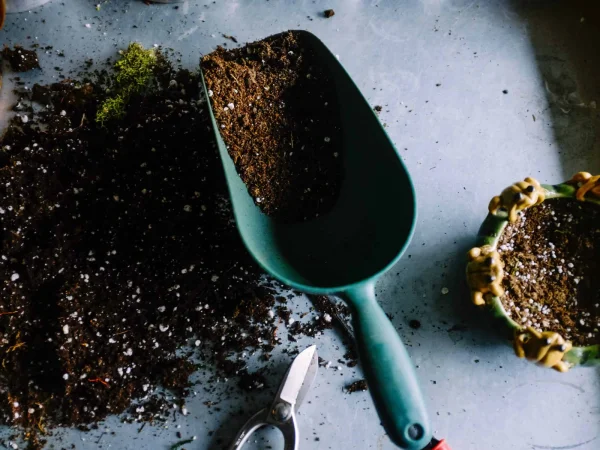
Next time you want to change the soil of your plants or create a new garden, choose the locally originated ones. Here are the top benefits of using native soil in your garden v/s the commercially available garden soil.
Categories
blog Native Plants of India

Son Champa: A perfume that spreads joy

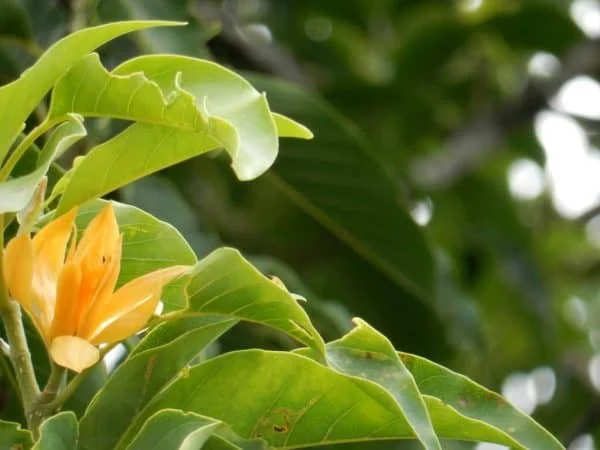
Magnolia champaca aka Son Champa or Son Chafa is a native tree of India, and is found in abundance throughout the country.

It is popularly known as the joy perfume tree in English due to its strong aroma and attractive yellow petals, which is a key ingredient in perfumery.

The flowering season usually starts from May and stays until December. From a large, evergreen tree to a bonsai shrub, Son Champa is one of the most fragrant and aesthetic flowers indigenous to India.

It holds immense ornamental, medicinal and religious values. From anti-cancer to antimicrobial, antioxidant properties, Son Champa is an all-rounder plant to ensure one’s wellbeing. In Indian scriptures, Son Champa is revered as a sacred and divine flower. From Lord Vishnu to Lord Krishna, son champa finds it way in almost all mythological stories in India.

Categories
blog Native Plants of India

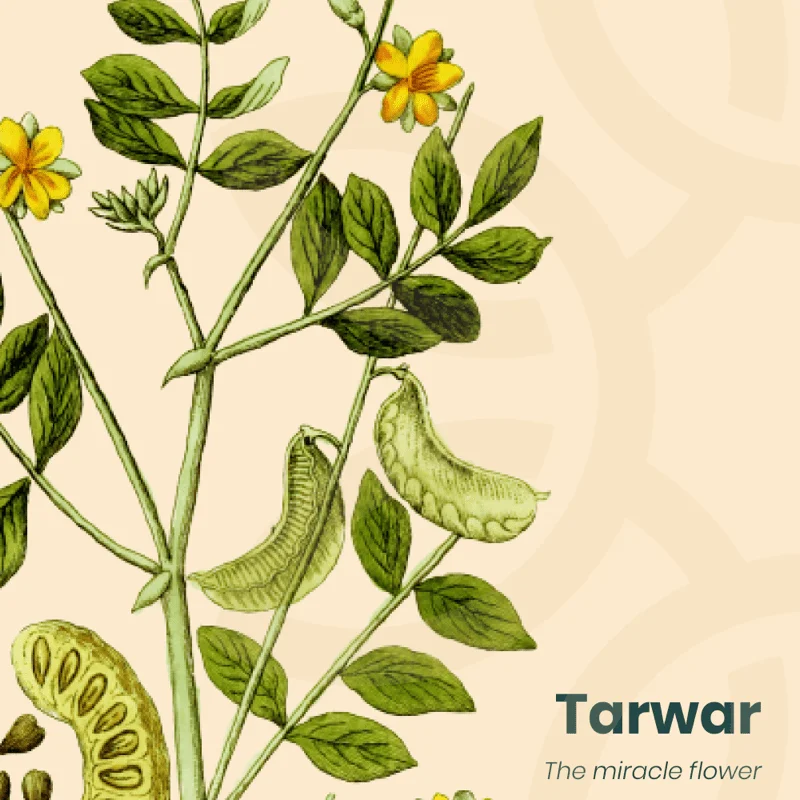
Tarwar: The miracle flower

Tarwar – The miracle flower
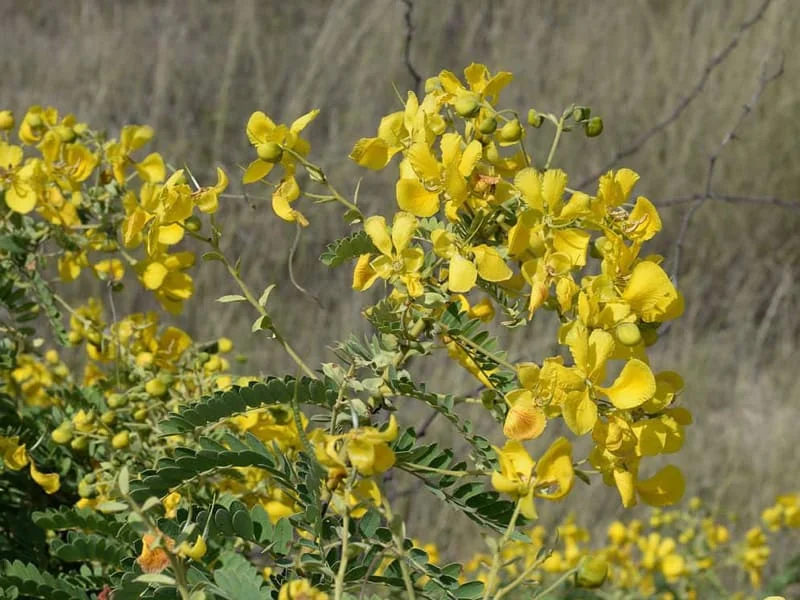
Tarwar (Senna auriculata) is a miracle plant. It is popularly known as Avartaki, Avarampoo, Tanner’s Cassia. Bright yellow flowers, medicinal values, and an evergreen foliage, defines this humble plant
Found widely growing in the dry zones of peninsular India as far as the northern parts of Rajasthan, Tarwar is an extremely hardy plant. It can survive the harshest weather conditions.
Grown as a hedge plant, it is typically found along roadsides and various other open degraded habitats and in scrub forests, usually on stony, dry or sandy soils.
Tarwar is widely used a a household medicinal plant from being an antiseptic to treating skin disorders. In Ayurveda, the root of this plant is used in a decoction for fevers, diabetes, diseases of the urinary system and constipation.
Categories
blog Native Plants of India

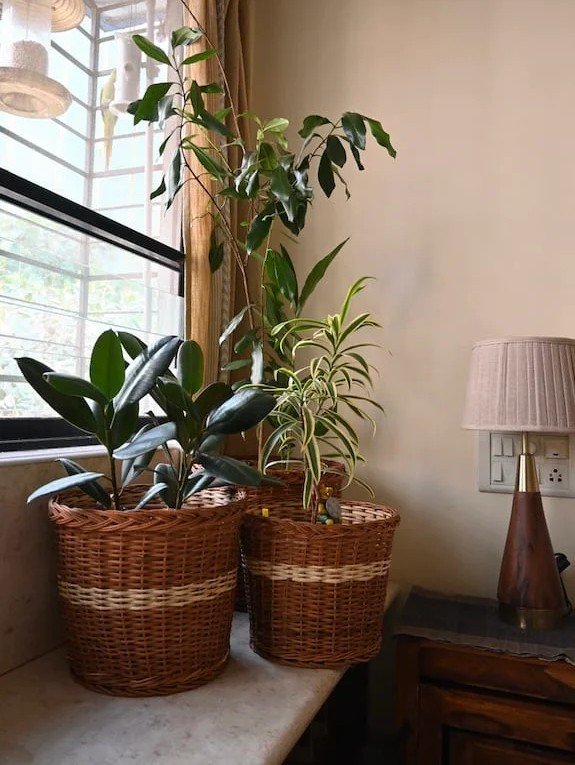
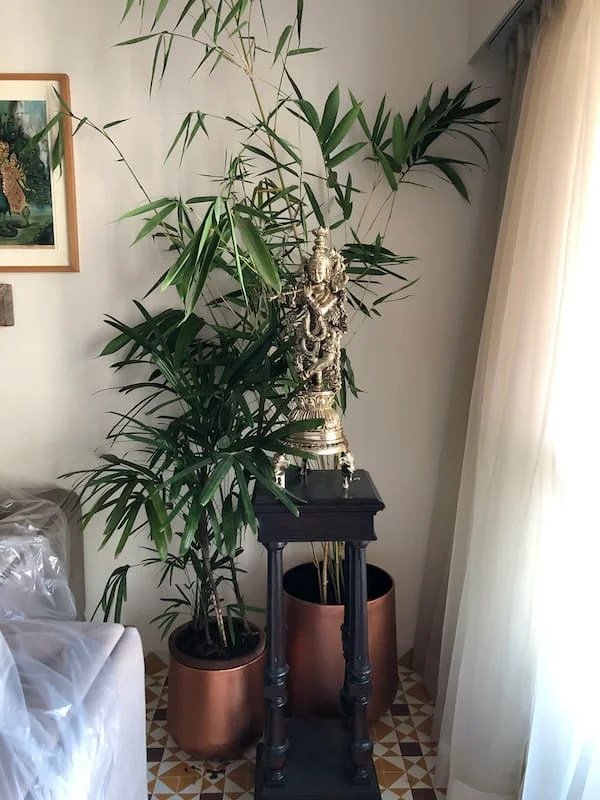
3 native plants to style corners

Want to create an Instagramable living room? Try integrating a few tall, statement plants in the corners of your homes.

Plants can brighten up any space, if placed in the right setting. Be it bonsais that make an extraordinary addition to one’s house or simple palms, plants have the potential of making any corner lively.

While doing so, choose low-maintenance and hardy plants so that they can survive in indirect light.

Here are a few native plants that can help you achieve a stylish and sustainable corner.

Palms

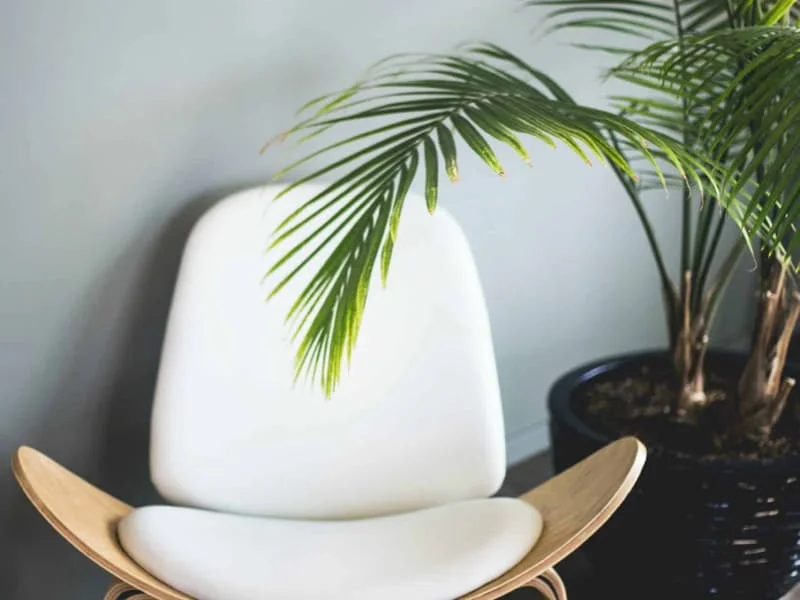
There’s a lot of variety in palms that you could choose from. However, the ultimate favourite of all time remains Areca Palm, Raphis Palm, etc.

Ficus

Comes in different sizes, shapes, colours. Weeping Fig, one of the most popular houseplants, is making a serious comeback in our homes.

Schefflera

It is one of the most under-rated plants. It can really brighten up your corners with its interesting umbrella shaped leaf pattern and strong stem structure.

Categories
blog Native Plants of India

3 native plants for styling living rooms

Who doesn’t like large, life-sized plants touching their roof? Plants have become central to home decor and tall plants help make a style statement.

However, the choice of plants can make or break this feeling. While exotic plants look beautiful, they’re often require high maintenance. Fragile root systems, watering issues and pest attacks are more rampant in exotic plants than native varieties.

Native varieties on the other hand, not only help your spaces look evergreen but also reduce maintenance stress for you. Additionally, such plants are versatile and can survive in almost any light condition, indoor or outdoor.

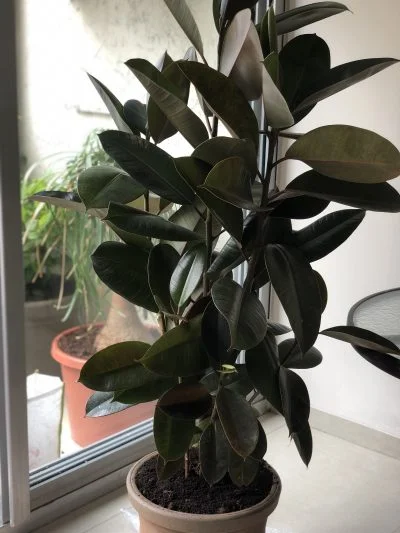
For instance, rubber plants, palms, ficus can thrive inside your house in indirect light and can also do well in your balcony in full sunlight. They adjust to their surroundings way faster than the exotic species.

Here are a few native plants that are low maintenance and can help you make a statement.

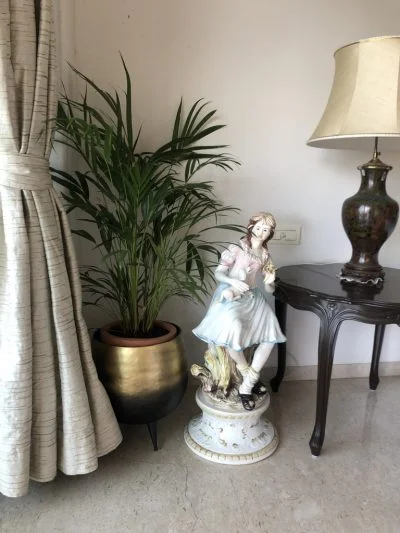
Areca Palms

It is the ultimate versatile and low-maintenance plant for living rooms. Keep it anywhere from direct sunlight to indirect bright light, and it shall thrive.

Ficus

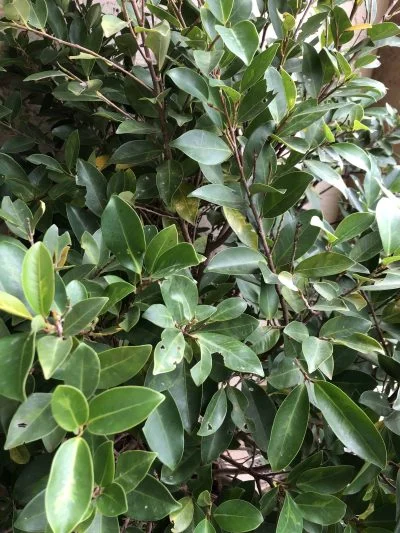
Weeping Fig one of the most popular houseplants is making a serious comeback in our homes. Use it as a bonsai or tall, bushy plant.

Rubber Plant

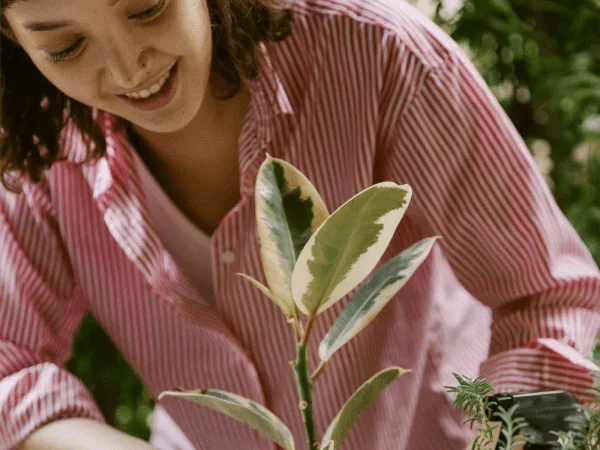
Comes in several sizes, shapes as well as colours. However, the elastica variety is one of the most spectacular and hardy ones among all.

Categories
blog Sustainable Gardening Basics

FAQ: Where can I get sustainable gardening products?

The answer is simple and within your reach. To create a garden with sustainable materials, you don’t have to travel far.

Buying these products online will certainly give you a variety to choose from. However, longevity and sustainability – especially in the case of plants, remains highly doubtful.

For example, when you buy plants online, they travel from various locations outside the city. The time spent in transit from one location to the other in a cardboard box pushes the plant into shock. By the time it reaches your doorstop, it has already suffered the long journey and transplanting in a new environment becomes lesser conducive.

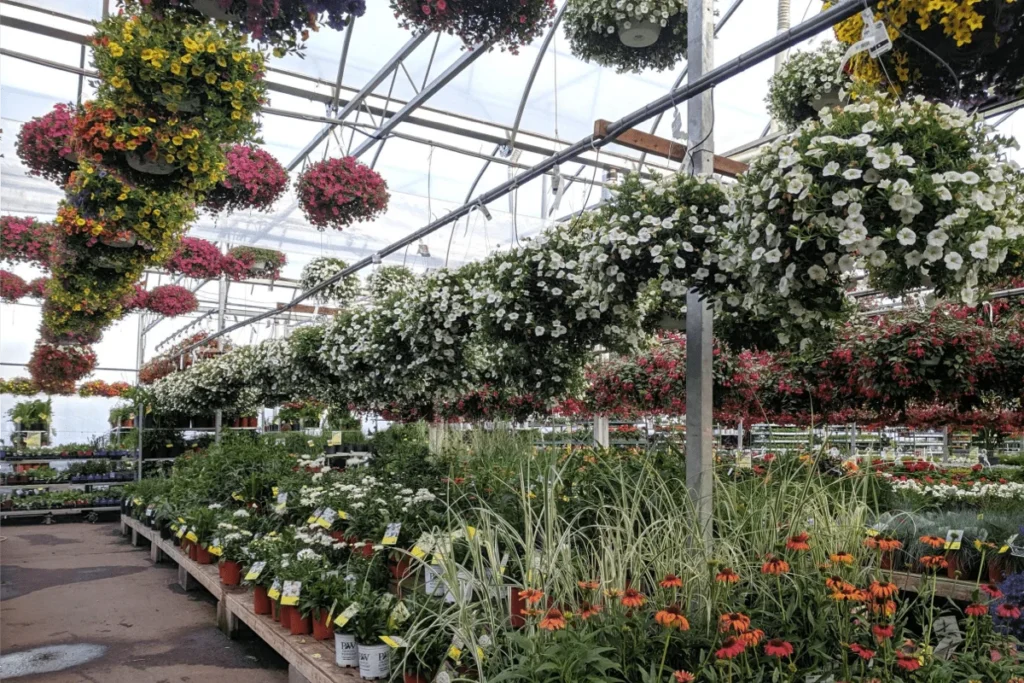
When it comes to plants, always buy from a local nursery or plant store. It not only ensure good health of the plant but also reduces cost of transportation, carbon emission etc. Plus the entire experience of visiting nursery itself is fulfilling.

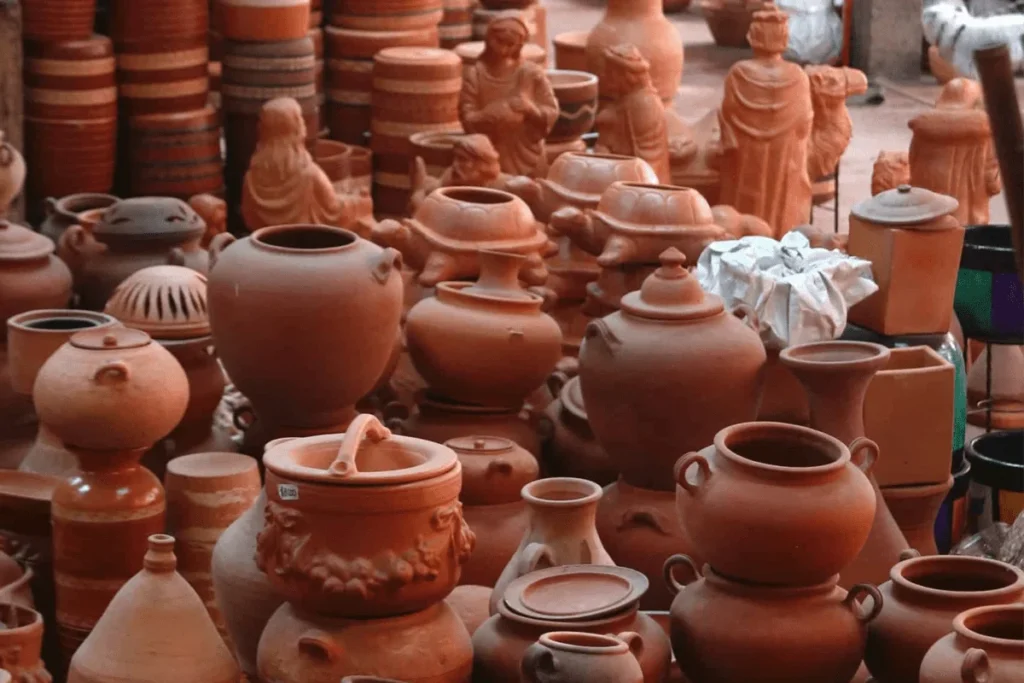
Same applies for planters. Each city in India from Mumbai, Delhi, Bangalore, Kolkata, Ahmedabad is filled with skilled pottery artisans. Visit any local pottery hub to acquire some unique terracotta planters for your garden.

To sum up, here are two interesting ways
of making your garden sustainable.

Go local

Buy terracotta planters from local pottery artists, native plants from local nurseries, and other gardening materials from local stores.

Not only it will save you the transportation and packaging hassles but you may just find artistic and real products too.

Up-cycle

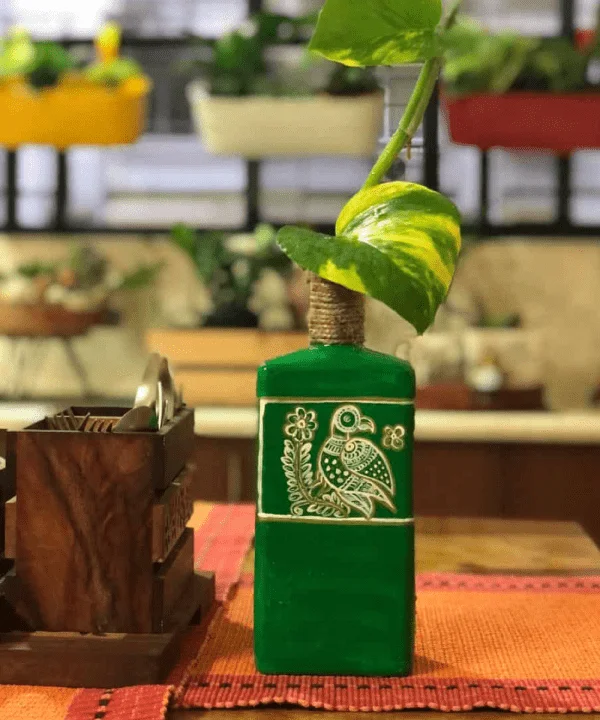
Reuse, recycle some of your junk / used products into interesting planters. Using empty plastic bottles, glass jars, tin boxes, can be made to grow plants that do well in water and lesser soil.

From money plants to kitchen herbs, such planters can help you make your own style statement.
Needless to mention, we will be happy to assist you in your quest to make your garden fully sustainable by recommending local partners who can fit the bill.
Categories
blog Sustainable Gardening Basics

Microblog Series: 3 daily routines for you and your plants

There are several similarities between us and plants. Our basic necessities are theirs too. In order to understand what plants need, a gardener must think about his or her own daily wants, such as Hydration, Fresh Air and Health Check-ups.

Hydration

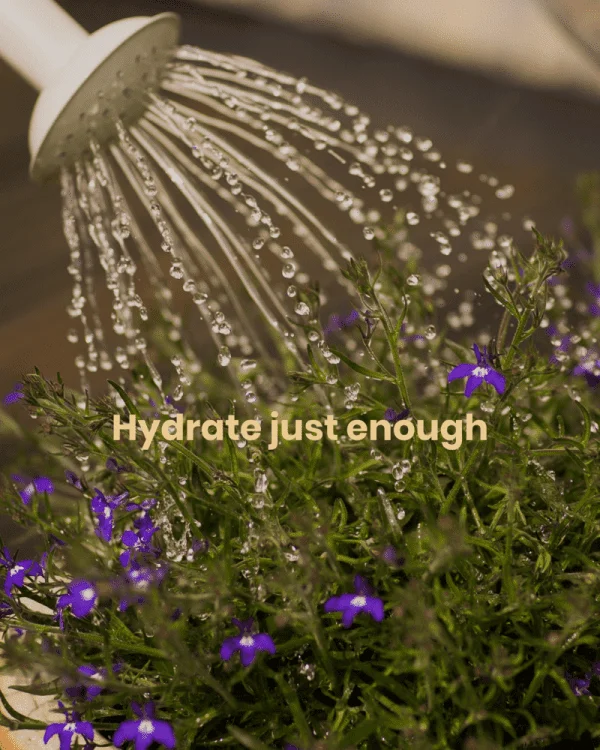
Our water or liquids intake differ from season to season. In summer we feel more thirsty as compared to winters. Same is with plants. To understand how much water they need, look at their leaves. If they’re upright, they’re fine. If they’re drooping downwards, they’re thirsty.

Fresh Air

We all are oxygen loving creatures. A daily dose of fresh air is all we need to keep our lungs healthy. While plants can survive in closed, non-ventilated spaces, they might not thrive. Keeping them in open air or breeze can keep pests at bay, ensuring their good health.

Health Check-Ups

Prevention is better than cure – applies to plants as well. Diagnosing problems at the right time can give them a new lease of life. Whether it is a pest attack or lack of nutrients in soil, such problems when detected in early stages can help the spread and long-lasting effects.

Categories
blog Sustainable Gardening Basics

Myth v/s fact: Maintenance v/s sustenance

One of the most common questions or concerns while creating a garden is centered around its maintenance. For new gardeners or beginners, this alone becomes the single, most important decision-making factor.

So let’s help our friends who are thinking of starting a garden.

Myth: Creating a garden means a lot of maintenance.

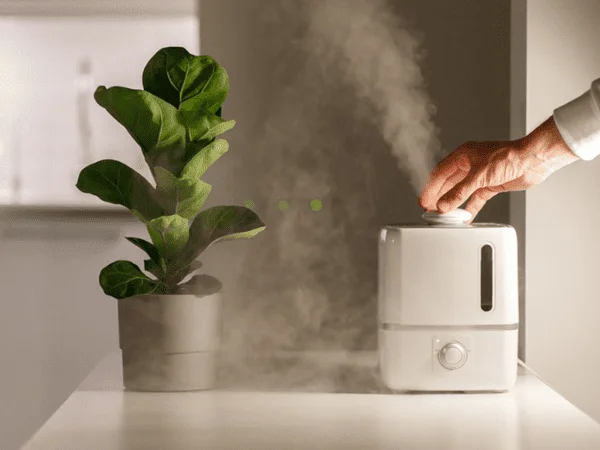
Gardens especially indoor gardens require more time, resources, attention and care. We need to install modern technologies such as humidifiers, mystifiers, air conditioners, for the plants to survive.

Fact: The kind of plants one chooses decides its maintenance.

Native or indigenous plants generally doesn’t require as much care, support and interventions as much as exotic or foreign origin plants do. They can sustain themselves easily if the garden is built using the right principles.

Native plants by default become low-maintenance as they’re well versed with the climatic conditions, weather and environment around them. They have spent centuries learning and adapting to it. These plants deploy their natural, in-built defence mechanism against unpredicted weather changes, pest attacks, or any kind of external influence.

Having said that, plants are like human beings. While they need food, nutrition, air, water among other things, they also need a gardener’s love, care and attention in order to thrive and become fully self-sustainable.