
Categories
blog Sustainable Gardening Basics

3 characteristics of native plants

Plants are no different than us in their behaviour. Observe these similarities between you and them next time wheWondering why you should opt for native plants over exotics? The choice is simple. These are the top 3 reasons why native plants have far better advantages for you and your garden.n you’re in your garden.

They’re lesser demanding as compared to their foreign counterparts. Being native, such plants are hardy, lesser prone to pest attacks, require lesser fertilisers and technological support among other benefits. Hence, such plants tend to have lesser maintenance and costs over a period of time.

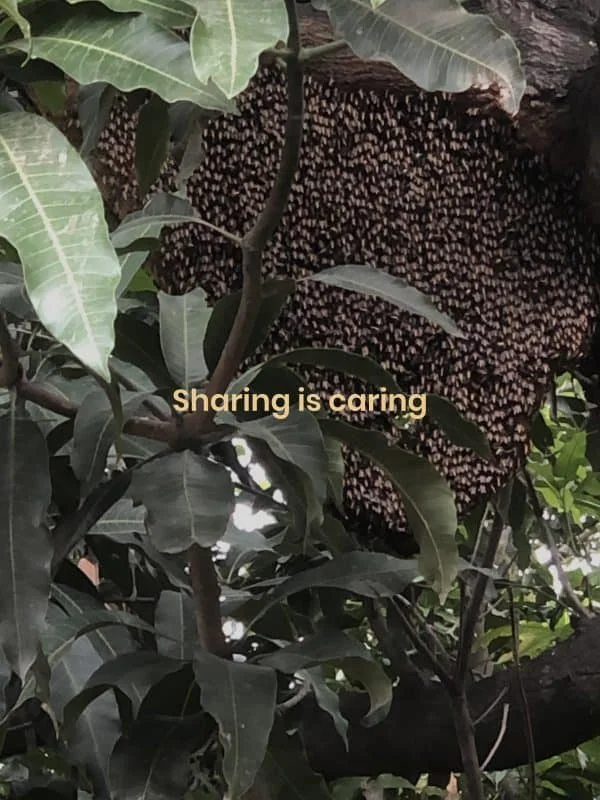
Being born and brought up in local surroundings, native plants have made several friends in their lifetime. Friends such as butterflies, bees, birds, insects etc. Native plants play a crucial role in supporting the wildlife, from providing food to shelter and refuge from predators.

No frills, no fertiliser, no water, they can tolerate it all as they’ve spent years learning and adapting to the local weather systems. Their roots are well-entrenched in the ground which allows them to withstand harsh winds, suck water from the deep, and create a share connection with other trees.
If you’re planning to transform your existing or create a new one, make a well-informed choice. After all, native plants are beautiful too!
Categories
blog Sustainable Gardening Basics

Indian Chrysanthemum

If you love colours; if you love flowers; if you love variations; then this plant will surely make its way into your garden.

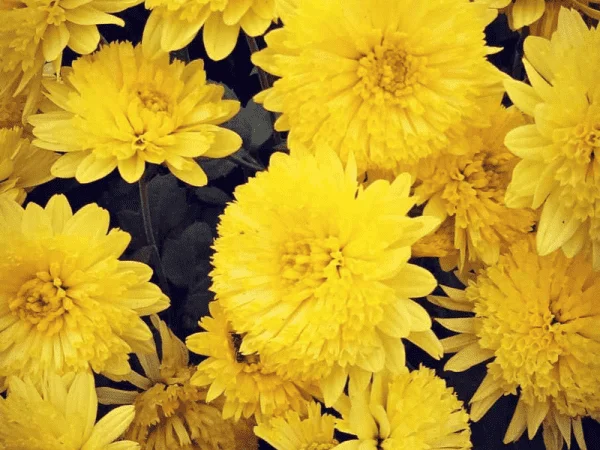
Close cousin to the sunflower family, the Indian Chrysanthemum (in English) or Shevanti (in Marathi) or Guldaudi (in Hindi) is one of the most hardy and easy-to-maintain houseplants as compared to its exotic peers – aka marigold, sunflowers.

This medium sized flowering plant can grow up to 3 meters, and apt for potted plants in urban homes. Shevanti comes in numerous colours, and grows profusely in its main flowering season in India – winters. Although, sometimes it continues to bloom during early summers too.

Native to Asia, it is widely used in traditional medicine from herbal teas to concoctions. Several studies have pointed out the benefits of this flower to treat ailments from hypertension, fevers, headaches, inflammation, anxiety, et al

Native to Asia, it is widely used in traditional medicine from herbal teas to concoctions. Several studies have pointed out the benefits of this flower to treat ailments from hyIn case you haven’t added this flower yet in your garden, now it is the time to enjoy the mums now!pertension, fevers, headaches, inflammation, anxiety, et al

Categories
blog Sustainable Gardening Basics

Pal Talks Volume 3 – March

The wait is coming to an end. Spring’s blazing sun is waking up your dormant plants, who have been conserving their energy for this day.

Now, flowers will bloom to their full glory, bringing the much-awaited vibrancy and joy in your garden.

Here are a few tips to help your plants grow to their full potential:

1. Boost strength

Add organic manure – compost or liquid fertilizers to aid growth.

2. Prune dead weight

Cut off dead branches, leaves, flowers to focus on new growth.

3. Inspect pest attacks

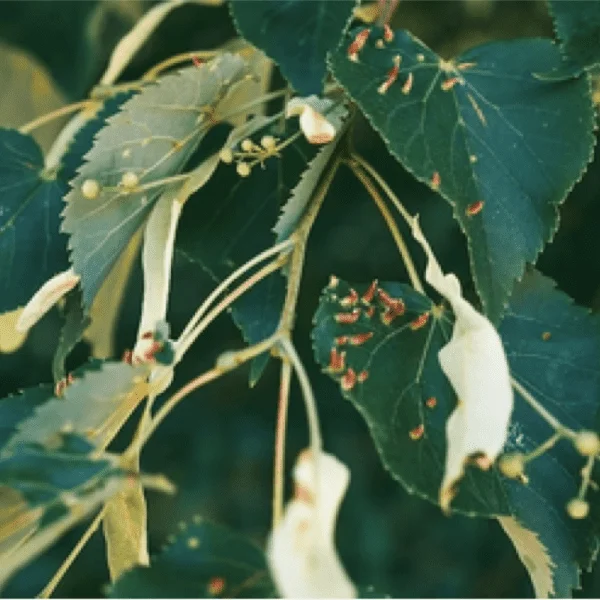
Treat the pests in time to reduce the burden of fighting diseases.

Plant of the Month

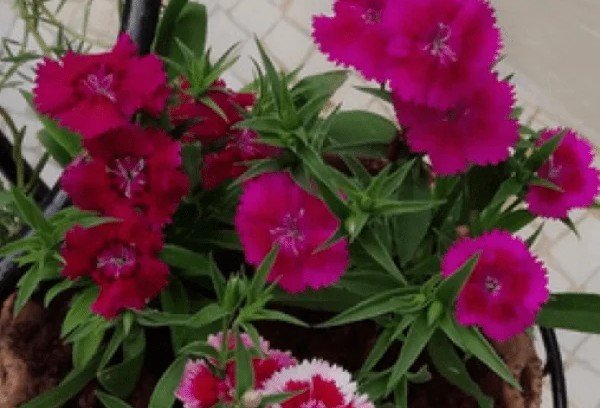
Dianthus comes in several colours and forms. Use it as hanging flower baskets or railing planters owing to its small size.

DIY Plant Care

Soak 1 large cow dung cake in 2-3 litres of water. Cover it and leave aside for atleast 36-48 hours. Give this mix generously to your plants.

Categories
blog Native Plants of India

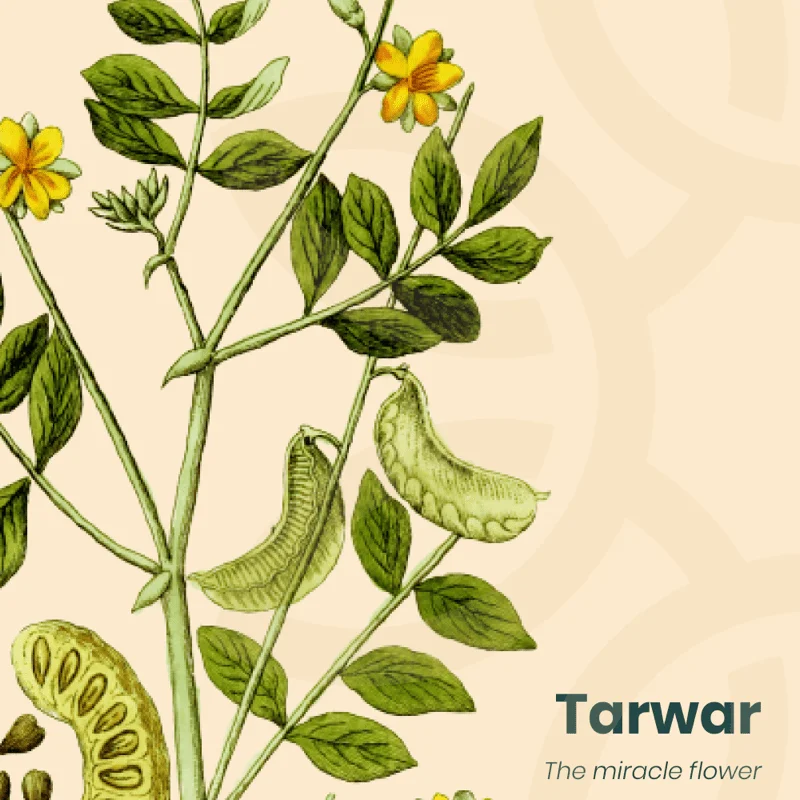
Tarwar: The miracle flower

Tarwar – The miracle flower
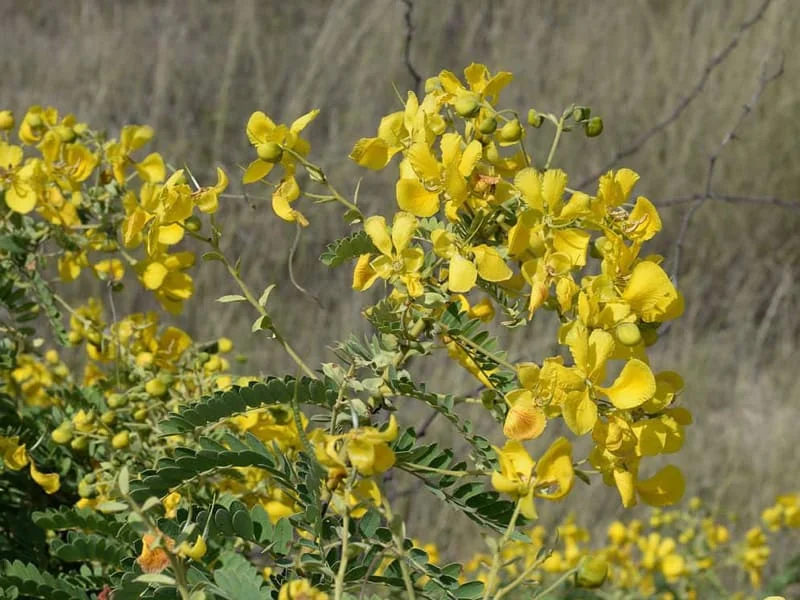
Tarwar (Senna auriculata) is a miracle plant. It is popularly known as Avartaki, Avarampoo, Tanner’s Cassia. Bright yellow flowers, medicinal values, and an evergreen foliage, defines this humble plant
Found widely growing in the dry zones of peninsular India as far as the northern parts of Rajasthan, Tarwar is an extremely hardy plant. It can survive the harshest weather conditions.
Grown as a hedge plant, it is typically found along roadsides and various other open degraded habitats and in scrub forests, usually on stony, dry or sandy soils.
Tarwar is widely used a a household medicinal plant from being an antiseptic to treating skin disorders. In Ayurveda, the root of this plant is used in a decoction for fevers, diabetes, diseases of the urinary system and constipation.
Categories
blog Sustainable Gardening Basics

Pal Talks Volume 2 – January

New year brings new hope. Sometimes, it also brings new challenges.

Rapidly changing weather is posing health problems for us and, for our plants too.

Here are a few ways to save your plants from climate change:

Water plants enough on hot, dry days. Reduce the amount of water on cold, foggy days.

Curling of leaves inward or outward, a powdery layer, white dots on the surface are signs of distress.

Winter is the hibernation / survival time for plants. Pruning plants without an urgent need may add stress.

Important: In extremely cold days, cover your plants after sunset with a cloth and remove it in the morning. Applies to perennials plants especially Tulsi.

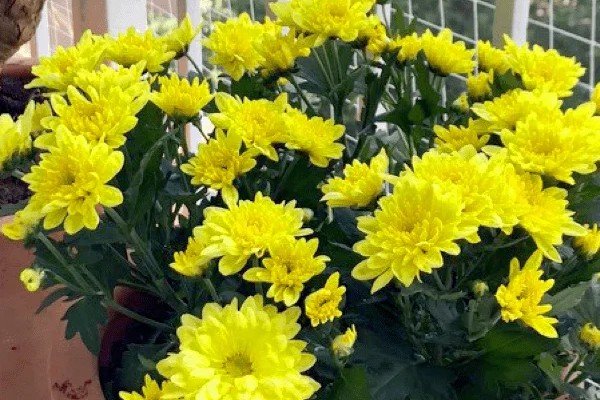
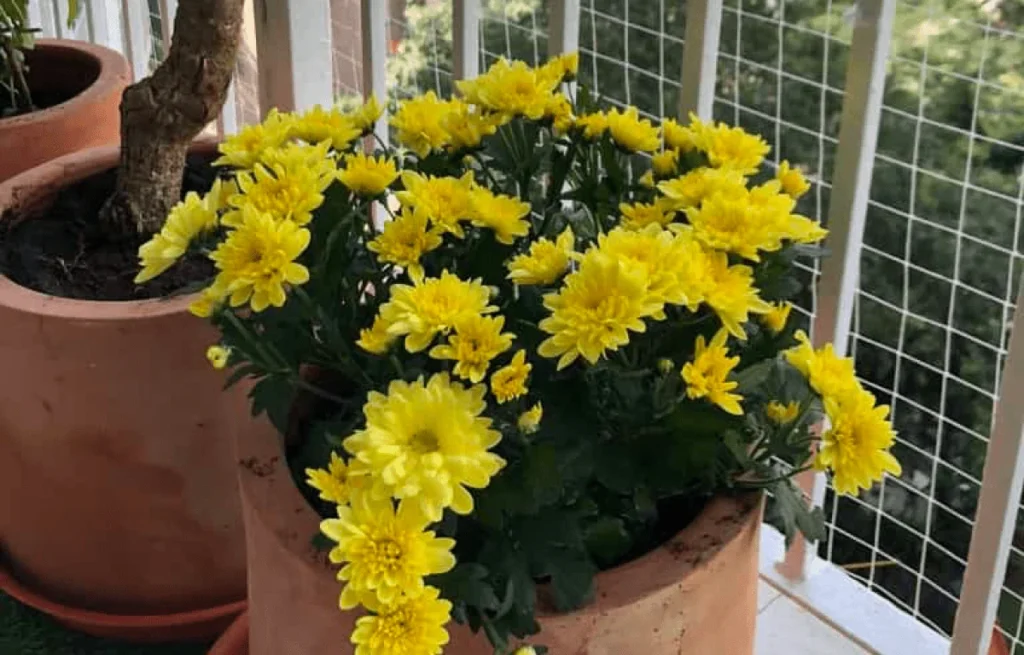
Chrysanthemum can vibrancy to almost any space. This short-heighted plant gives blooms in several colours.

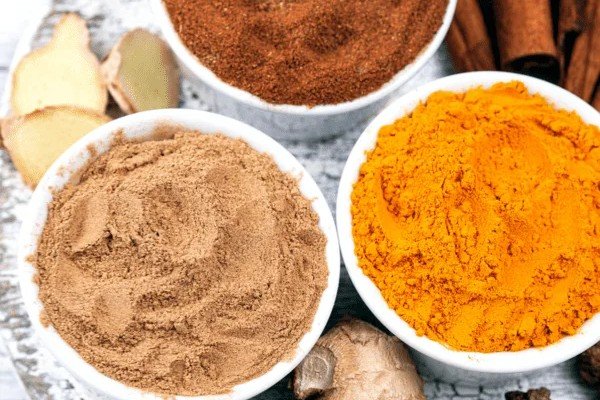
Make this easy decoction to boost immunity in plants. Mix and apply 1 part turmeric powder + 1 part cinnamon powder to fight fungal infections.

Categories
blog Sustainable Gardening Basics

Did you know? Plants love terracotta

Planters are made out of natural clay are both plant and environment-friendly. Such material is breathable and adjusts as per the outside temperature. In short, plants love and thrive in terracotta v/s other materials. However, they come with their own pros and cons.

Water and air circulation is better in terracotta

The high porosity in terracotta planters allows for air and water to move through the walls. This keeps the plant healthy from root rots, soil erosion, etc.

Terracotta materials also reflects the outside temperature very easily. Hence, problems related to watering can be easily noticed in such planters.

Natural look and patina makes it more desirable

The colour of clay combined with the white deposits on the outer surface can outshine any other material.

In different regions around the world, clay colour can differ from reddish brown to white and even black in a few cases. You can also give it your creative spun

Being a natural material, it is prone to wear and tear

Since terracotta planters are made of natural clay, they’re delicate and can break or crack.

Long exposure to water can bring a deposit of fungus on the outer layer. However, it can be scraped or washed once the temperature is dry enough with a cloth or tissue.

Categories
blog Sustainable Gardening Basics

FAQ: How to create a sustainable garden?

Such balanced, consistent, and self-sustained ecosystems require minimal or no intervention, resulting into ecological conservation at a macro level.

At an individual level, choosing eco-friendly materials, native plants, optimising time and resources to create your home garden, makes it sustainable.

Such methods encourage natural ways of –

Growing

(with no frills attached)

Fertilization

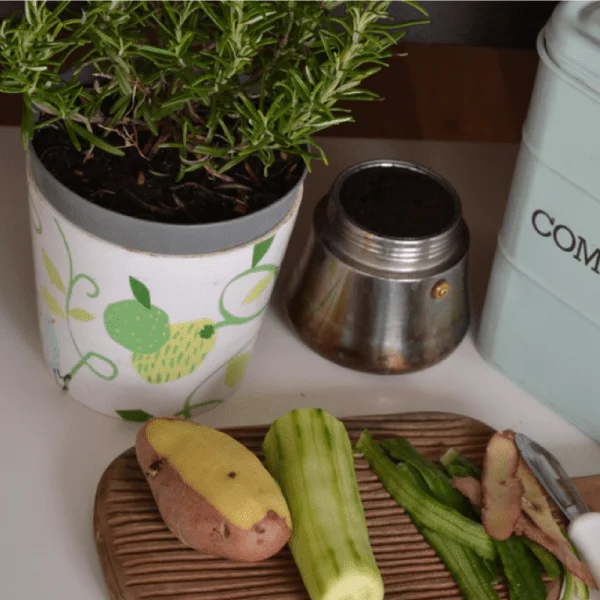
(where the kitchen is the gold mine)

Pest control

(when the job can be done gently)

Watering

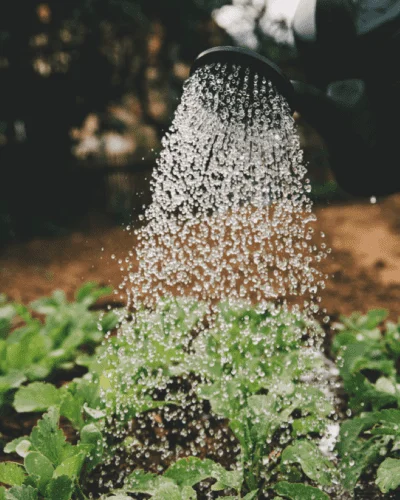
(when less is more)

Creating a sustainable garden at home requires a holistic approach towards incorporating natural ecosystems at a smaller scale. From the choice of planter materials to the type of plants and maintenance of gardens, one can create a self-sustaining microcosm within the confines of one’s home.
Categories
blog Sustainable Gardening Basics

3 reasons why you don’t need a lawn

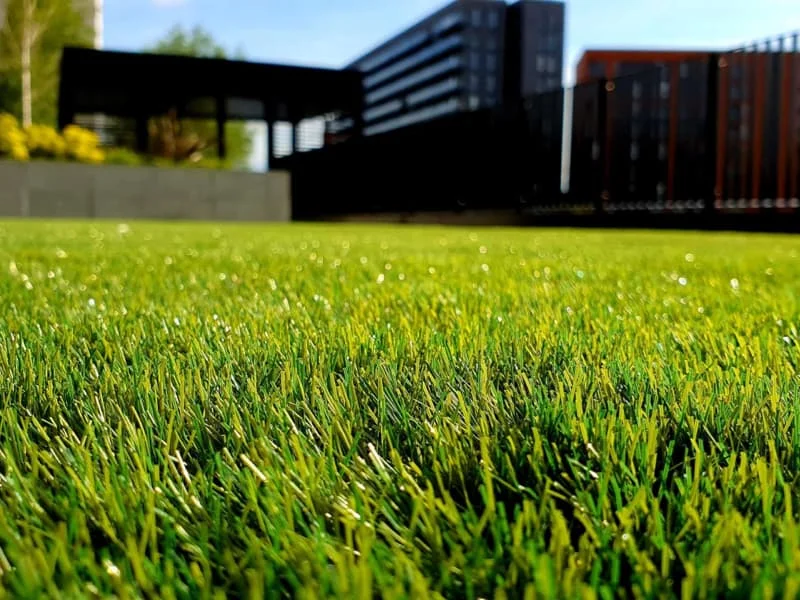
A lush green, perfectly manicured lawn is something we all plan to have one day. But what if we told you that you could have something better along with it and that too, with minimal maintenance?

Yes, this is possible. Using sustainable gardening techniques, you can transform your lawn into any lively space you can imagine. From growing your food in small patches or creating a colourful and fragrant flower garden, your lawn can be an oasis of life.

Starting a lawn garden may seem difficult. A little bit of planning and investment in laying the right foundation can make it self-sustainable in the long-run.

Here are the 3 things you could start in your lawn:

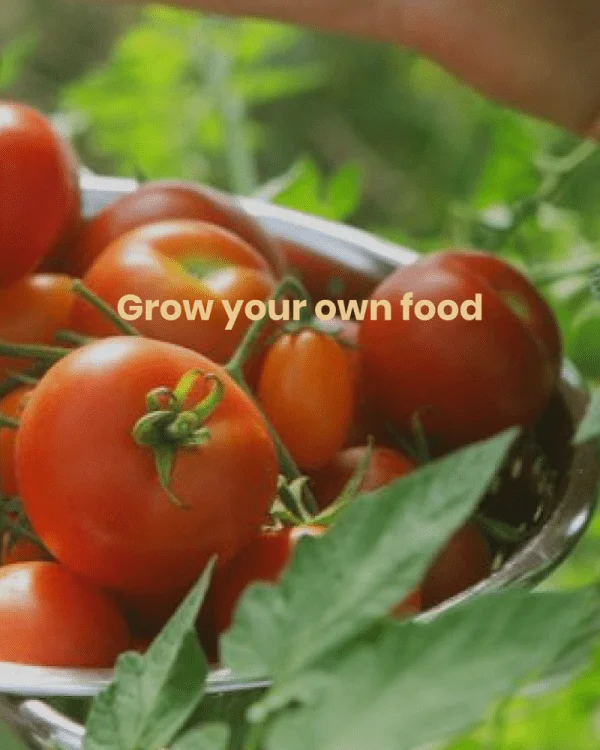
Start a small vegetable or herb garden with the help of contemporary raised beds.

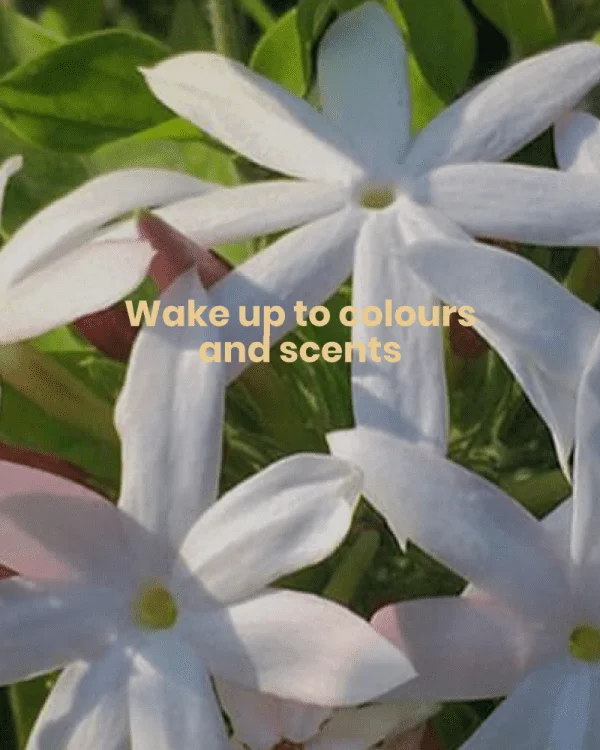
Create a colourful border with different flowering plants that are rich in aroma and beauty.

Use your lawn as a green hangout space for the friends of you and nature.

Categories
blog Native Plants of India

3 native plants to style corners

Want to create an Instagramable living room? Try integrating a few tall, statement plants in the corners of your homes.

Plants can brighten up any space, if placed in the right setting. Be it bonsais that make an extraordinary addition to one’s house or simple palms, plants have the potential of making any corner lively.

While doing so, choose low-maintenance and hardy plants so that they can survive in indirect light.

Here are a few native plants that can help you achieve a stylish and sustainable corner.

Palms

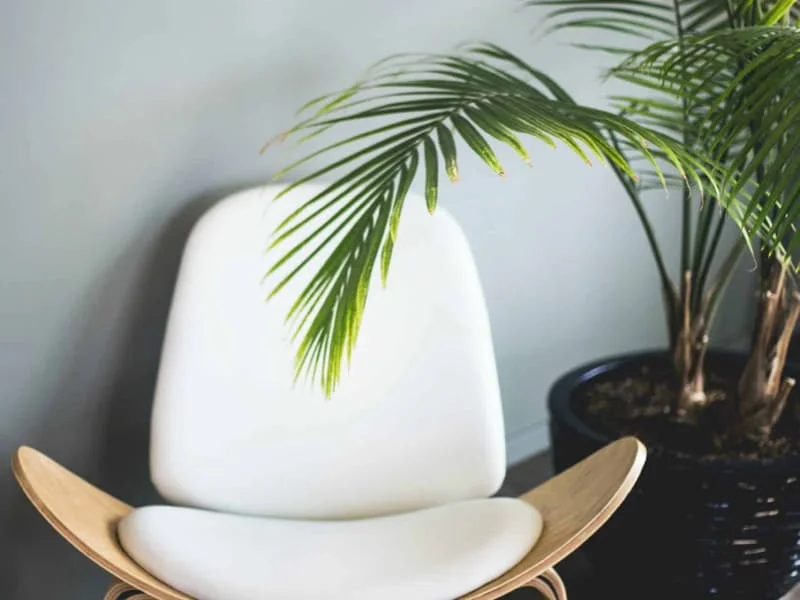
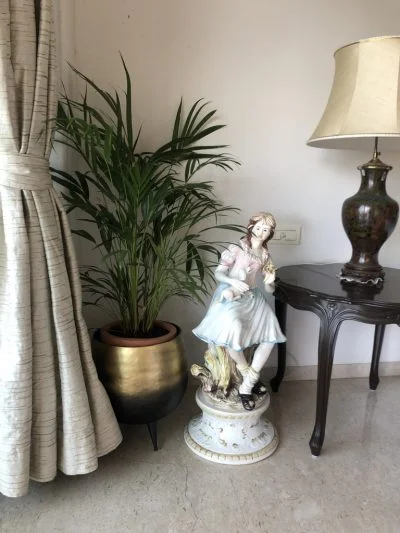
There’s a lot of variety in palms that you could choose from. However, the ultimate favourite of all time remains Areca Palm, Raphis Palm, etc.

Ficus

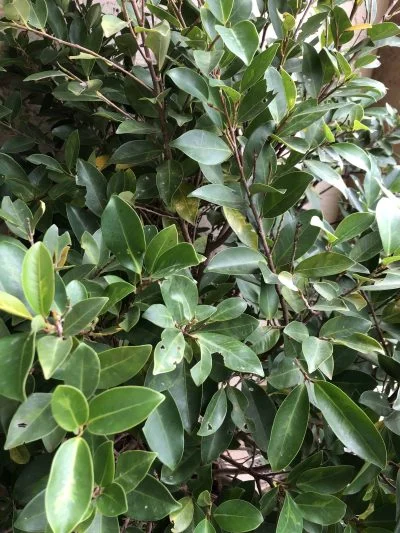
Comes in different sizes, shapes, colours. Weeping Fig, one of the most popular houseplants, is making a serious comeback in our homes.

Schefflera

It is one of the most under-rated plants. It can really brighten up your corners with its interesting umbrella shaped leaf pattern and strong stem structure.

Categories
blog Native Plants of India

3 native plants for styling living rooms

Who doesn’t like large, life-sized plants touching their roof? Plants have become central to home decor and tall plants help make a style statement.

However, the choice of plants can make or break this feeling. While exotic plants look beautiful, they’re often require high maintenance. Fragile root systems, watering issues and pest attacks are more rampant in exotic plants than native varieties.

Native varieties on the other hand, not only help your spaces look evergreen but also reduce maintenance stress for you. Additionally, such plants are versatile and can survive in almost any light condition, indoor or outdoor.

For instance, rubber plants, palms, ficus can thrive inside your house in indirect light and can also do well in your balcony in full sunlight. They adjust to their surroundings way faster than the exotic species.

Here are a few native plants that are low maintenance and can help you make a statement.

Areca Palms

It is the ultimate versatile and low-maintenance plant for living rooms. Keep it anywhere from direct sunlight to indirect bright light, and it shall thrive.

Ficus

Weeping Fig one of the most popular houseplants is making a serious comeback in our homes. Use it as a bonsai or tall, bushy plant.

Rubber Plant

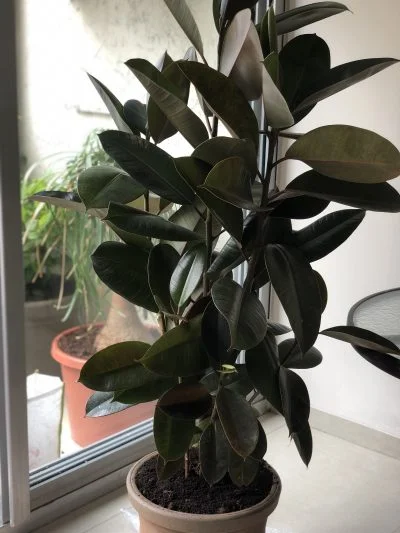
Comes in several sizes, shapes as well as colours. However, the elastica variety is one of the most spectacular and hardy ones among all.