
Categories
blog Sustainable Gardening Basics

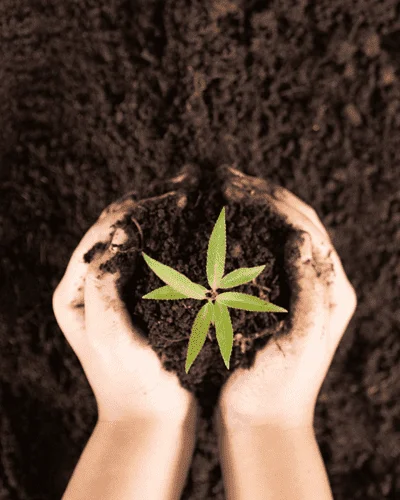
Did you know? Black soil is not always the best

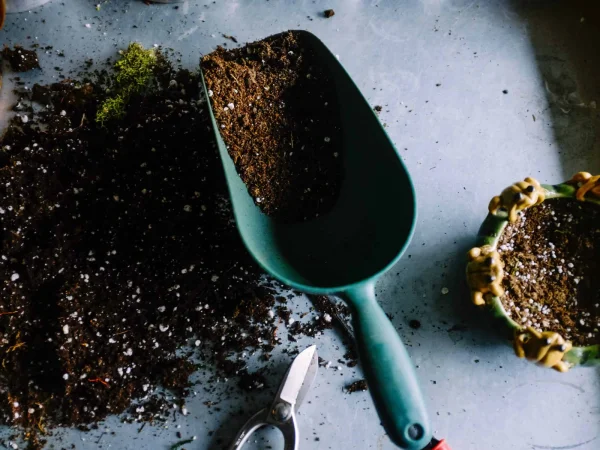
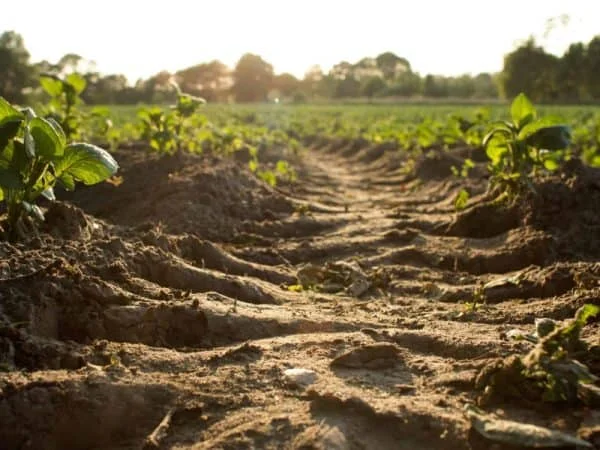
It is not necessary that blacker the soil, the better it is for your plants. There are several types of soil found across the world.
From colour to density, each kind of soil differs depending on a region’s typography and weather conditions.
Hence, while starting an indoor or outdoor garden, one must consider theIn India itself, every state has different kind of soil, rich in minerals in their own way. From black to red, from alluvial to marsh, soil conditions vary from region to region depending on the respective climate and environment.se three aspects:

1. Rich in minerals and organic matter

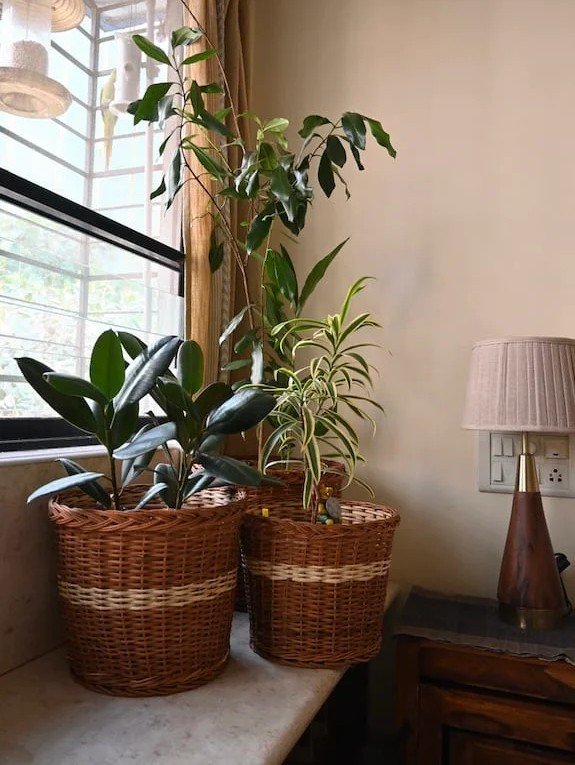
Each region in India has a different typography, geographical conditions and mineral compositions. Using local soil gives access to these rich deposits of minerals and organic materials.
2. Well-suited to support native plants

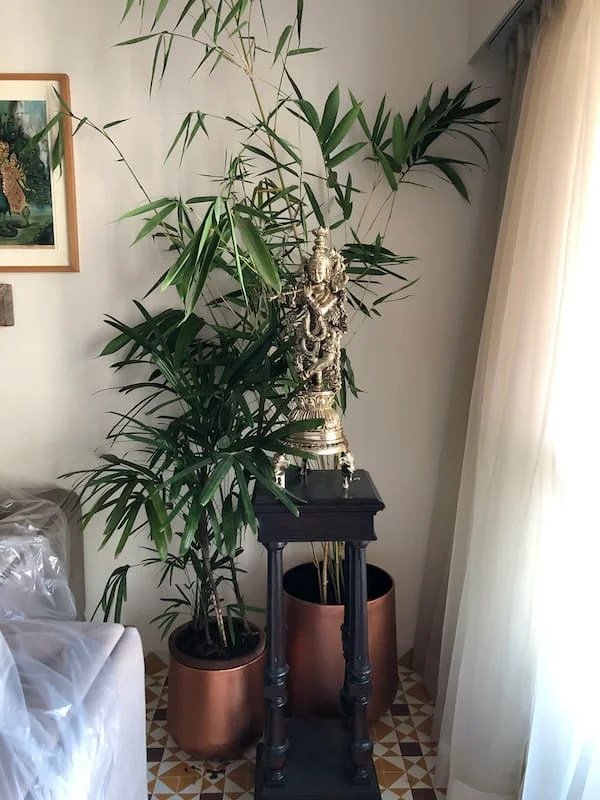
Local soil is equipped to handle the local plants. It complements the strengths of these plants and gives essential support in building immunity towards pests, other threats.
3. Avoids degradation of environment

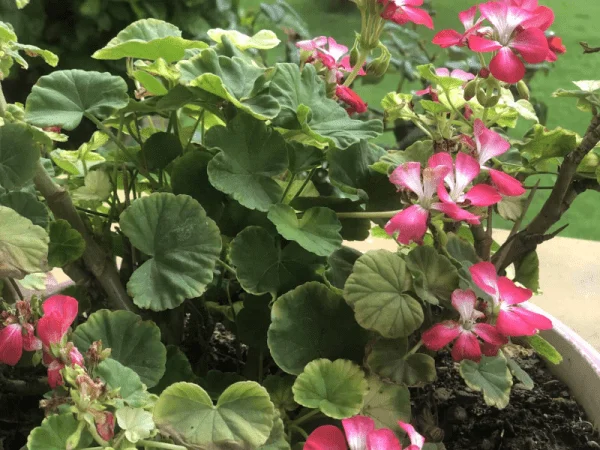
Lesser transportation, lesser use of fertilizer, lesser burden on plants, there are several advantages of using native soil in gardens. They thus help in reducing the environmental impact.
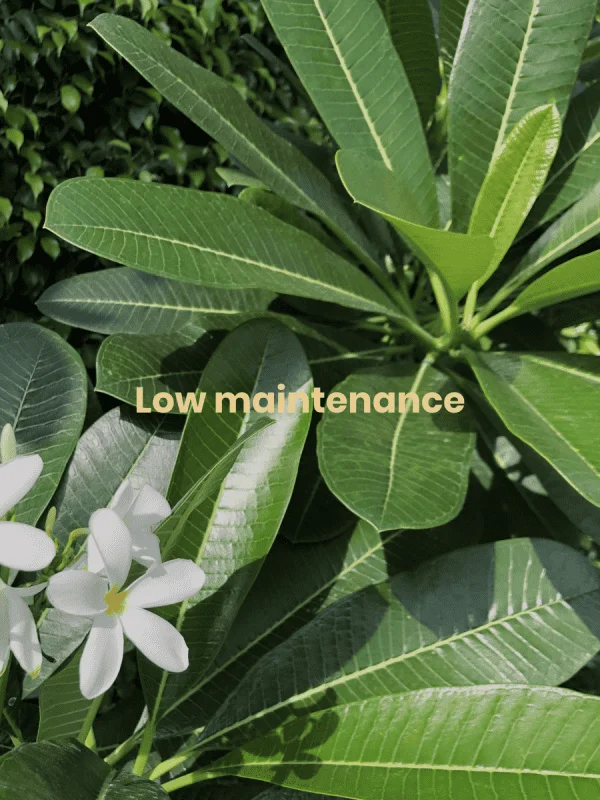
Next time you want to change the soil of your plants or create a new garden, choose the locally originated ones. Here are the top benefits of using native soil in your garden v/s the commercially available garden soil.
Categories
blog Sustainable Gardening Basics

3 characteristics of native plants

Plants are no different than us in their behaviour. Observe these similarities between you and them next time wheWondering why you should opt for native plants over exotics? The choice is simple. These are the top 3 reasons why native plants have far better advantages for you and your garden.n you’re in your garden.

They’re lesser demanding as compared to their foreign counterparts. Being native, such plants are hardy, lesser prone to pest attacks, require lesser fertilisers and technological support among other benefits. Hence, such plants tend to have lesser maintenance and costs over a period of time.

Being born and brought up in local surroundings, native plants have made several friends in their lifetime. Friends such as butterflies, bees, birds, insects etc. Native plants play a crucial role in supporting the wildlife, from providing food to shelter and refuge from predators.

No frills, no fertiliser, no water, they can tolerate it all as they’ve spent years learning and adapting to the local weather systems. Their roots are well-entrenched in the ground which allows them to withstand harsh winds, suck water from the deep, and create a share connection with other trees.

If you’re planning to transform your existing or create a new one, make a well-informed choice. After all, native plants are beautiful too!
Categories
blog Sustainable Gardening Basics

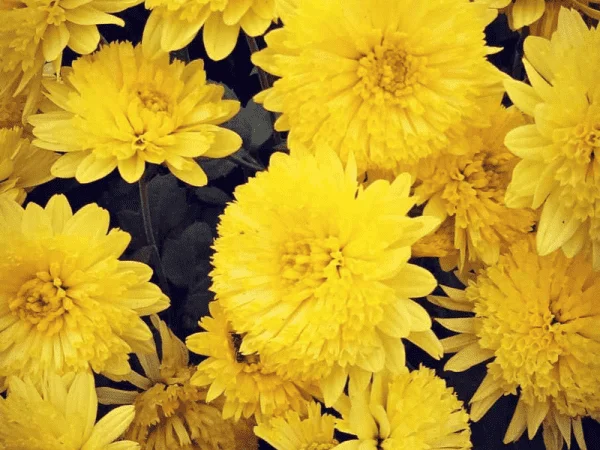
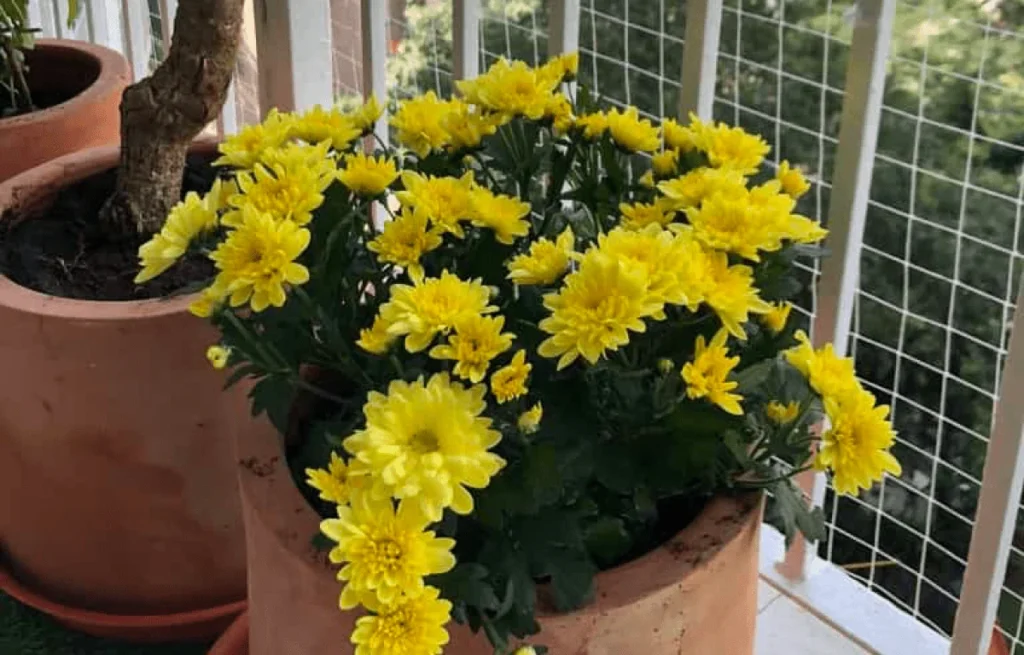
Indian Chrysanthemum

If you love colours; if you love flowers; if you love variations; then this plant will surely make its way into your garden.

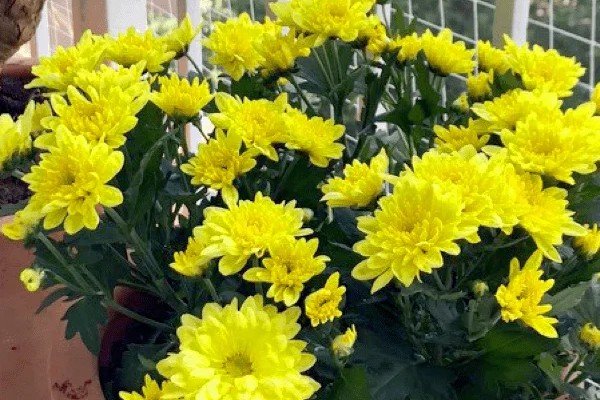
Close cousin to the sunflower family, the Indian Chrysanthemum (in English) or Shevanti (in Marathi) or Guldaudi (in Hindi) is one of the most hardy and easy-to-maintain houseplants as compared to its exotic peers – aka marigold, sunflowers.

This medium sized flowering plant can grow up to 3 meters, and apt for potted plants in urban homes. Shevanti comes in numerous colours, and grows profusely in its main flowering season in India – winters. Although, sometimes it continues to bloom during early summers too.

Native to Asia, it is widely used in traditional medicine from herbal teas to concoctions. Several studies have pointed out the benefits of this flower to treat ailments from hypertension, fevers, headaches, inflammation, anxiety, et al

Native to Asia, it is widely used in traditional medicine from herbal teas to concoctions. Several studies have pointed out the benefits of this flower to treat ailments from hyIn case you haven’t added this flower yet in your garden, now it is the time to enjoy the mums now!pertension, fevers, headaches, inflammation, anxiety, et al

Categories
blog Sustainable Gardening Basics

Pal Talks Volume 3 – March

The wait is coming to an end. Spring’s blazing sun is waking up your dormant plants, who have been conserving their energy for this day.

Now, flowers will bloom to their full glory, bringing the much-awaited vibrancy and joy in your garden.

Here are a few tips to help your plants grow to their full potential:

1. Boost strength

Add organic manure – compost or liquid fertilizers to aid growth.

2. Prune dead weight

Cut off dead branches, leaves, flowers to focus on new growth.

3. Inspect pest attacks

Treat the pests in time to reduce the burden of fighting diseases.

Plant of the Month

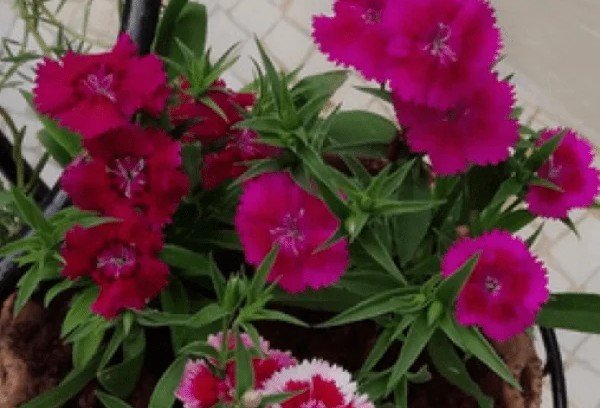
Dianthus comes in several colours and forms. Use it as hanging flower baskets or railing planters owing to its small size.

DIY Plant Care

Soak 1 large cow dung cake in 2-3 litres of water. Cover it and leave aside for atleast 36-48 hours. Give this mix generously to your plants.

Categories
blog Sustainable Gardening Basics

Pal Talks Volume 2 – January

New year brings new hope. Sometimes, it also brings new challenges.

Rapidly changing weather is posing health problems for us and, for our plants too.

Here are a few ways to save your plants from climate change:

Water plants enough on hot, dry days. Reduce the amount of water on cold, foggy days.

Curling of leaves inward or outward, a powdery layer, white dots on the surface are signs of distress.

Winter is the hibernation / survival time for plants. Pruning plants without an urgent need may add stress.

Important: In extremely cold days, cover your plants after sunset with a cloth and remove it in the morning. Applies to perennials plants especially Tulsi.

Chrysanthemum can vibrancy to almost any space. This short-heighted plant gives blooms in several colours.

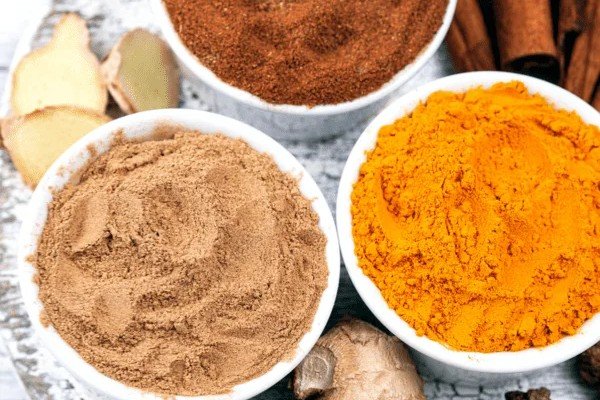
Make this easy decoction to boost immunity in plants. Mix and apply 1 part turmeric powder + 1 part cinnamon powder to fight fungal infections.

Categories
blog Sustainable Gardening Basics

Did you know? Plants love terracotta

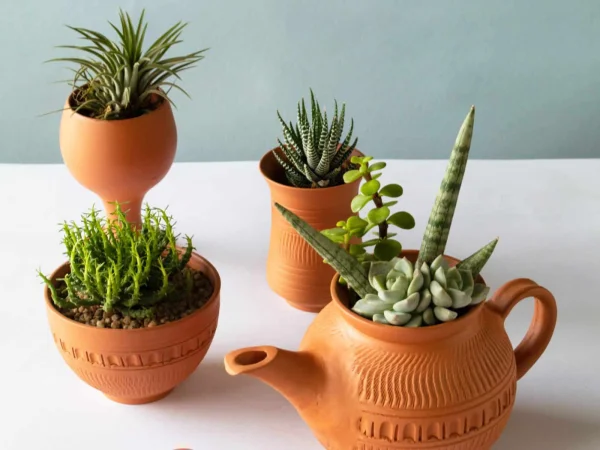
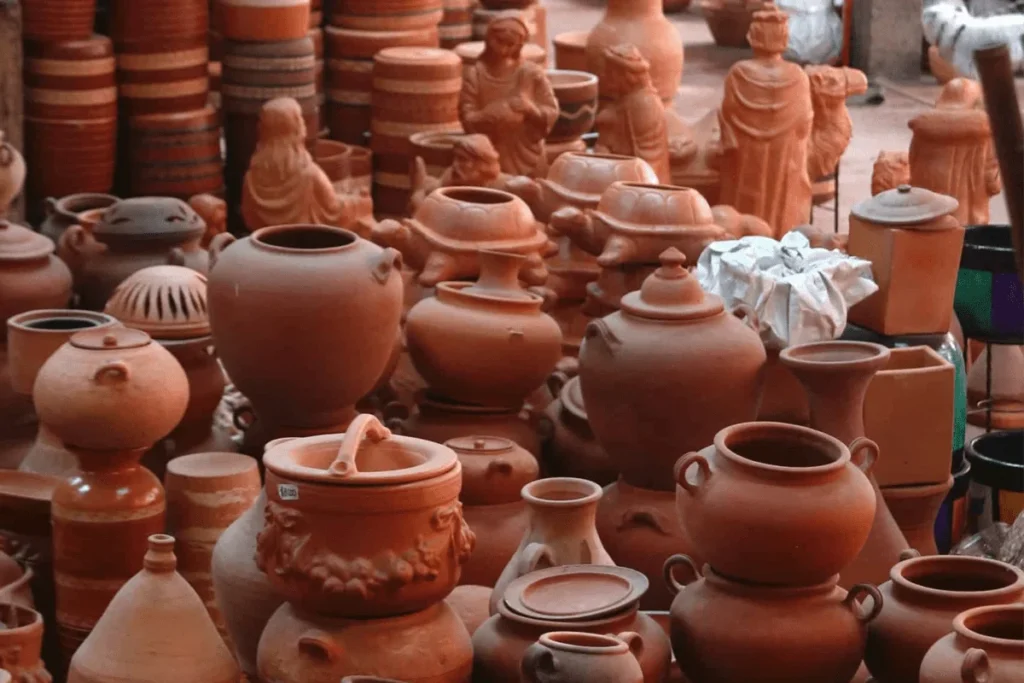
Planters are made out of natural clay are both plant and environment-friendly. Such material is breathable and adjusts as per the outside temperature. In short, plants love and thrive in terracotta v/s other materials. However, they come with their own pros and cons.

Water and air circulation is better in terracotta

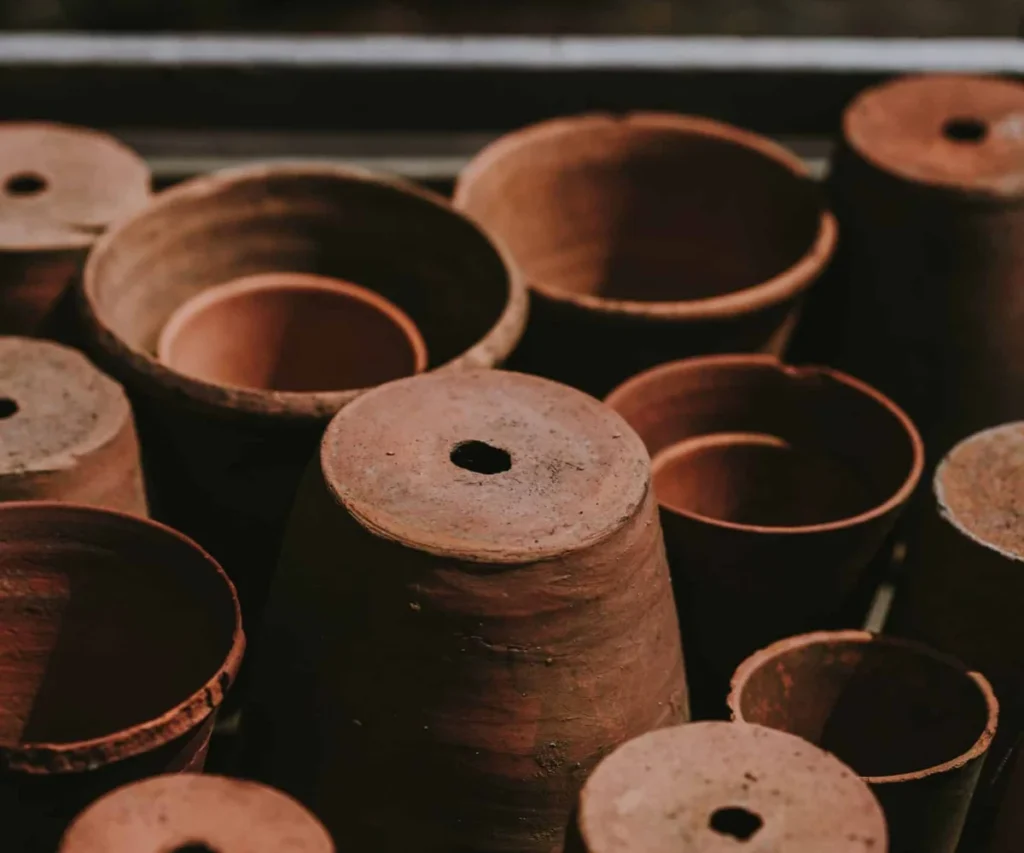
The high porosity in terracotta planters allows for air and water to move through the walls. This keeps the plant healthy from root rots, soil erosion, etc.

Terracotta materials also reflects the outside temperature very easily. Hence, problems related to watering can be easily noticed in such planters.

Natural look and patina makes it more desirable

The colour of clay combined with the white deposits on the outer surface can outshine any other material.

In different regions around the world, clay colour can differ from reddish brown to white and even black in a few cases. You can also give it your creative spun

Being a natural material, it is prone to wear and tear

Since terracotta planters are made of natural clay, they’re delicate and can break or crack.

Long exposure to water can bring a deposit of fungus on the outer layer. However, it can be scraped or washed once the temperature is dry enough with a cloth or tissue.

Categories
blog Sustainable Gardening Basics

FAQ: How to create a sustainable garden?

Such balanced, consistent, and self-sustained ecosystems require minimal or no intervention, resulting into ecological conservation at a macro level.

At an individual level, choosing eco-friendly materials, native plants, optimising time and resources to create your home garden, makes it sustainable.

Such methods encourage natural ways of –

Growing

(with no frills attached)

Fertilization

(where the kitchen is the gold mine)

Pest control

(when the job can be done gently)

Watering

(when less is more)

Creating a sustainable garden at home requires a holistic approach towards incorporating natural ecosystems at a smaller scale. From the choice of planter materials to the type of plants and maintenance of gardens, one can create a self-sustaining microcosm within the confines of one’s home.
Categories
blog Sustainable Gardening Basics

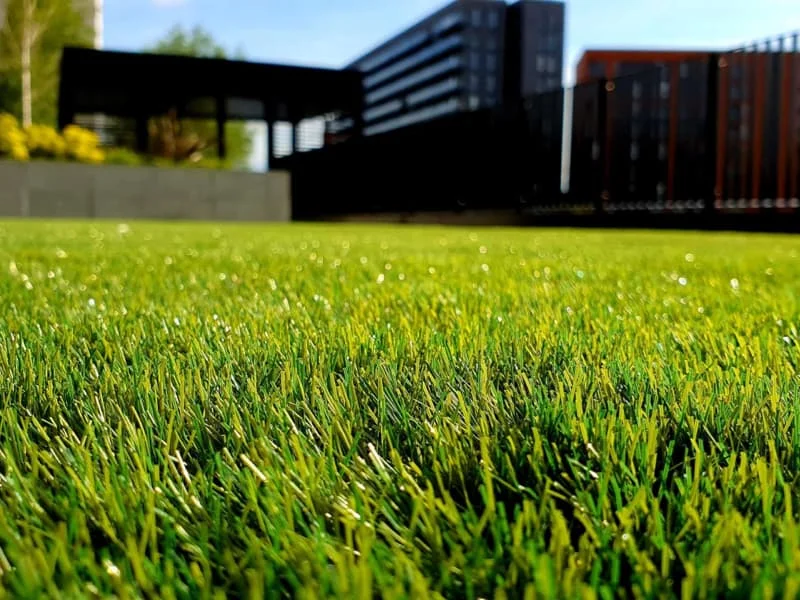
3 reasons why you don’t need a lawn

A lush green, perfectly manicured lawn is something we all plan to have one day. But what if we told you that you could have something better along with it and that too, with minimal maintenance?

Yes, this is possible. Using sustainable gardening techniques, you can transform your lawn into any lively space you can imagine. From growing your food in small patches or creating a colourful and fragrant flower garden, your lawn can be an oasis of life.

Starting a lawn garden may seem difficult. A little bit of planning and investment in laying the right foundation can make it self-sustainable in the long-run.
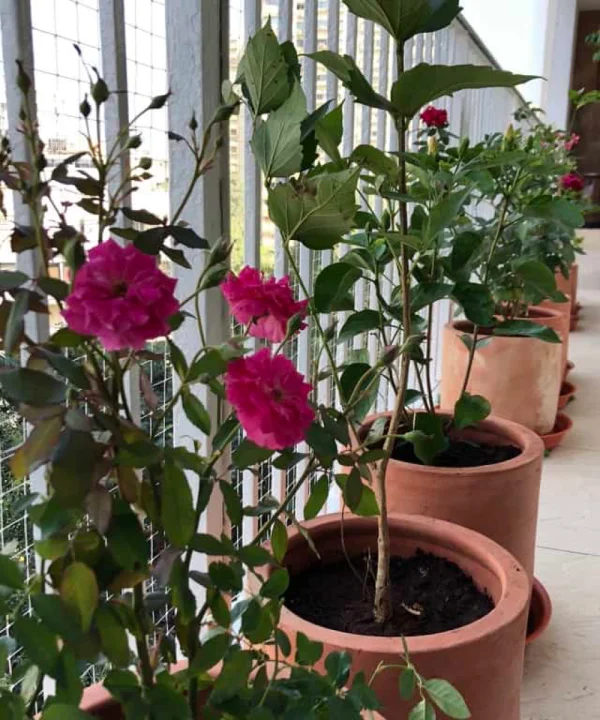
Here are the 3 things you could start in your lawn:

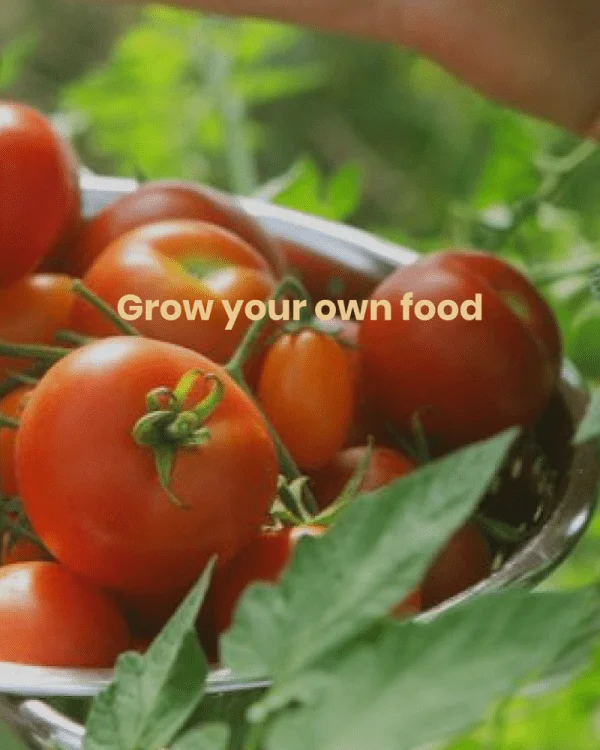
Start a small vegetable or herb garden with the help of contemporary raised beds.

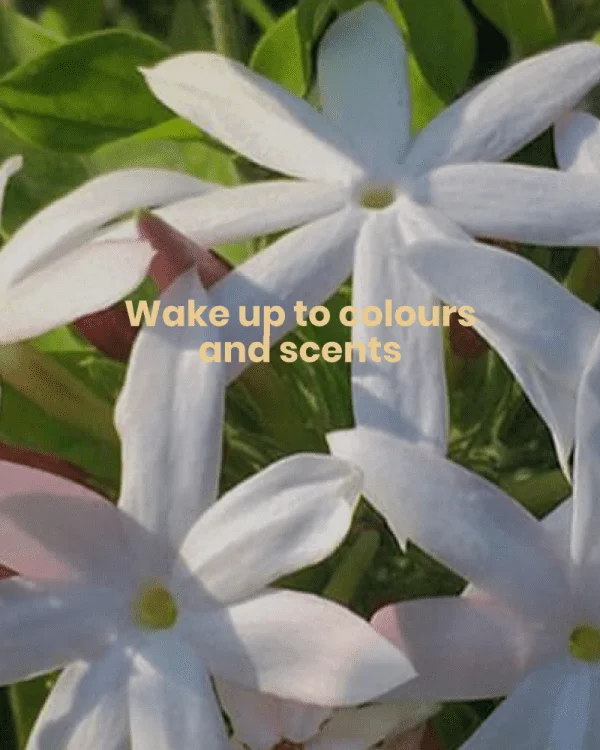
Create a colourful border with different flowering plants that are rich in aroma and beauty.

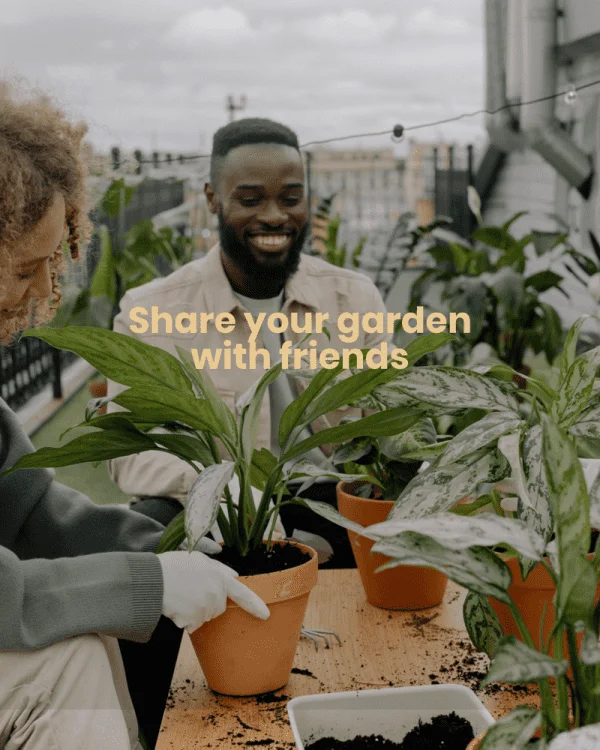
Use your lawn as a green hangout space for the friends of you and nature.

Categories
blog Sustainable Gardening Basics

Myths v/s Facts: Bigger the better

Myth:

Size of pots determine plant growth.

Can we create a garden which is aesthetic and low on maintenance at the same time? Yes, of course. Replacing exotic plants with native / indigenous and hardy varieties can not only increase your garden’We often, think that our plants need more space than they have currently. Larger and bigger the pots, proportionate will be the plant’s growth.

Especially, potted houseplants need more space to grow. This may not be necessarily and entirely true.s lifespan but also reduce maintenance costs to a considerable extent. Native plants are well-adapted for our local climate. This means, they’re more resistant to pests – hence, reducing the use of pesticides. They contribute more towards soil nutrition – hence, reducing the use of fertilizers. They’re hardy in nature – hence, they tend to survive better in harsher weather conditions – hence, reducing the replantation efforts.

Fact:

It is important to choose the right size and kind of planters depending on the plants you have.

Every plant has a different root system. Some grow deep, some remain shallow.

When smaller plants are given extra large planters, they may in fact not survive owing to dispersal of water in the soil. Hence, understanding the space requirement for plants is very crucial for their healthy development.

One easy tip to check if your plants need more space – tilt your pot and check underneath for any roots coming out of the hole. If yes, then your plant is wanting to be repotted in a slightly larger planter. If no, then it is okay with its current home!

For instance, Orchids like airy planters while palms can remain pot bound for a very long time. For shallow rooted plants such as houseplants or indoor plants small sized and wide shaped planters would do just fine.

However, for deep rooted and fast growing plants such as flowers, edibles, etc you must invest in deep or tall height planters.

So before, you start repotting your houseplants, look at the signs and choose the planters wisely.

Categories
blog Sustainable Gardening Basics

FAQ: Where can I get sustainable gardening products?

The answer is simple and within your reach. To create a garden with sustainable materials, you don’t have to travel far.

Buying these products online will certainly give you a variety to choose from. However, longevity and sustainability – especially in the case of plants, remains highly doubtful.

For example, when you buy plants online, they travel from various locations outside the city. The time spent in transit from one location to the other in a cardboard box pushes the plant into shock. By the time it reaches your doorstop, it has already suffered the long journey and transplanting in a new environment becomes lesser conducive.

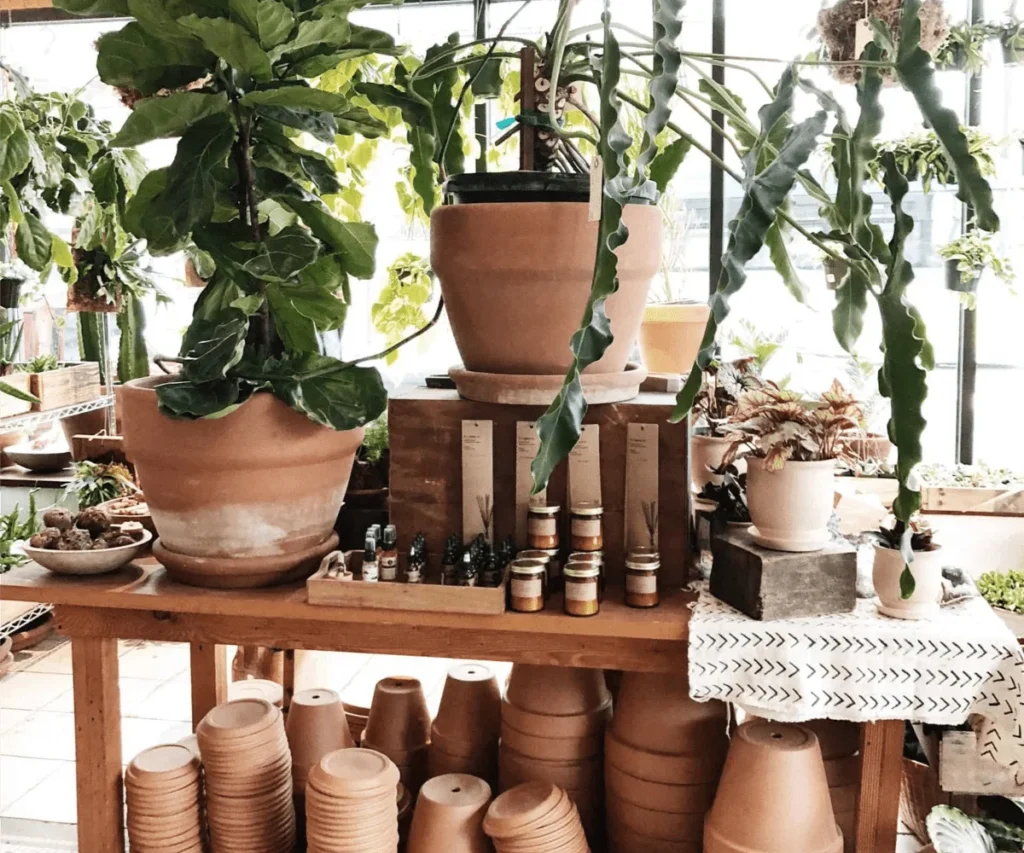
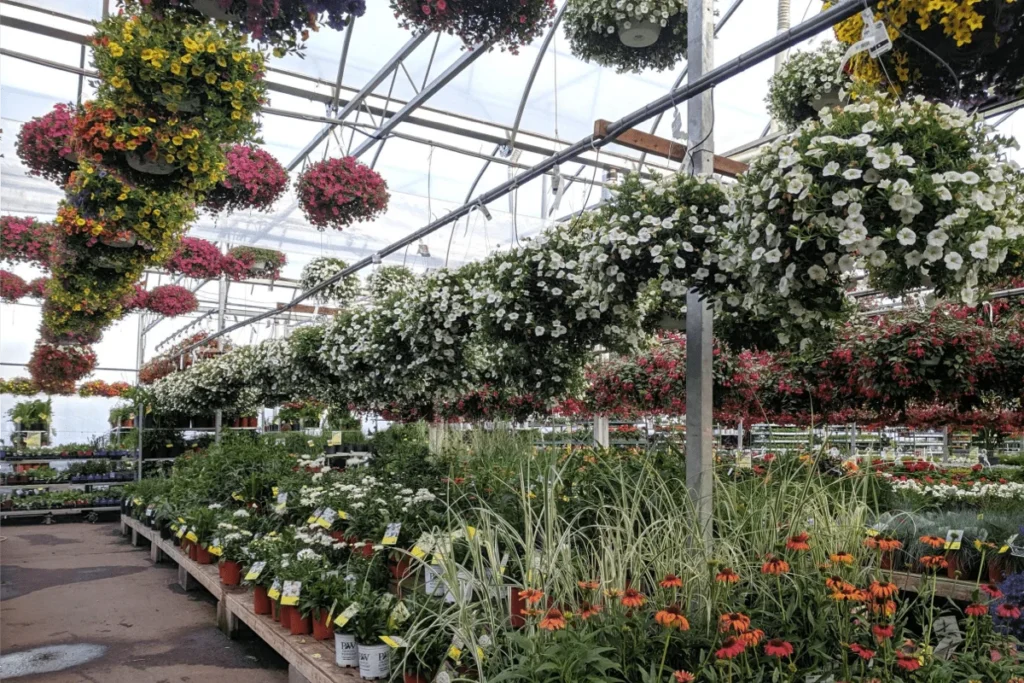
When it comes to plants, always buy from a local nursery or plant store. It not only ensure good health of the plant but also reduces cost of transportation, carbon emission etc. Plus the entire experience of visiting nursery itself is fulfilling.

Same applies for planters. Each city in India from Mumbai, Delhi, Bangalore, Kolkata, Ahmedabad is filled with skilled pottery artisans. Visit any local pottery hub to acquire some unique terracotta planters for your garden.

To sum up, here are two interesting ways
of making your garden sustainable.

Go local

Buy terracotta planters from local pottery artists, native plants from local nurseries, and other gardening materials from local stores.

Not only it will save you the transportation and packaging hassles but you may just find artistic and real products too.

Up-cycle

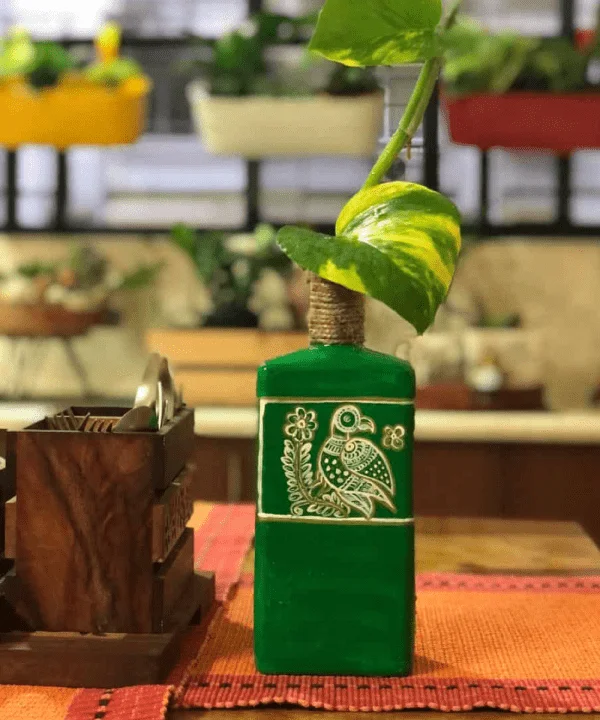
Reuse, recycle some of your junk / used products into interesting planters. Using empty plastic bottles, glass jars, tin boxes, can be made to grow plants that do well in water and lesser soil.

From money plants to kitchen herbs, such planters can help you make your own style statement.
Needless to mention, we will be happy to assist you in your quest to make your garden fully sustainable by recommending local partners who can fit the bill.