

Categories
blog Sustainability Sustainable Gardening Basics

Pal Talks November – December 2023

It is that time of the year when you wake up to a slight nip in the air. Your plants are gearing up for the seasonal changes. Growth eases out, leaves change their colour, start falling to increase defence mechanism in fall.

People’s craze for ‘rare’ and ‘exotic’ foreign plants is posing a threat to urban green covers and natural forests, nearly 66% of India’s natural systems are threatened by invasive plant species

3 things to look out in potted plants during this season

1. Water

Do not overwater your plants as temperature is cooler now. Check topsoil before watering.
2. Fungus & pests

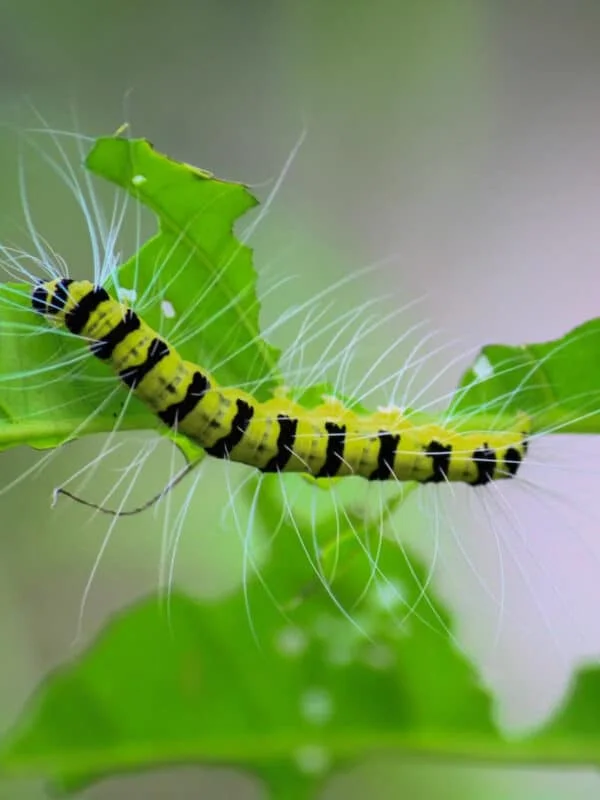
Dryness, excess water may increase fungus, spider mites, other leaf sucking pests.
3. Brightness

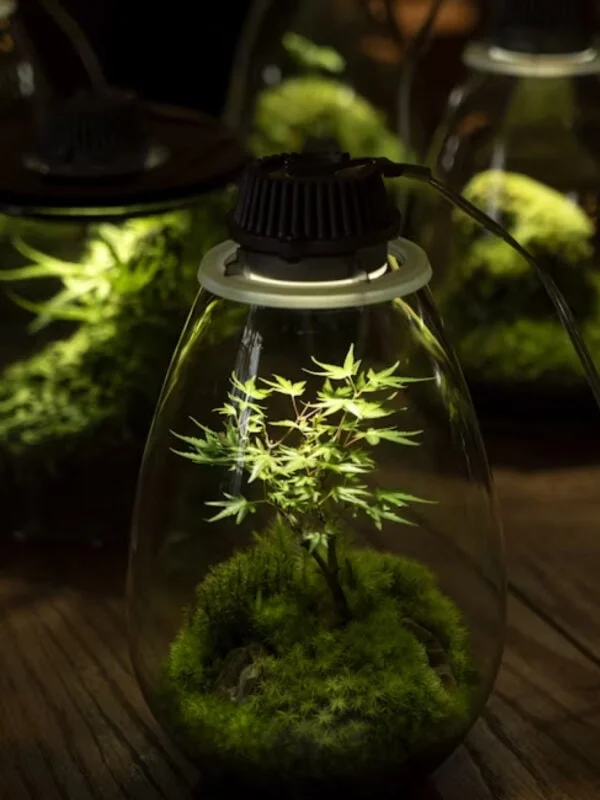
Shift plants in a warm, brighter spot or keep room lights on, especially during evenings.

Plant of the Month

Hydrangea. A winter flower, hydrangeas come in different colours and sizes. For hedges or pots, this flower is a bouquet in itself.

DIY Fungicide

Make this easy decoction to fight fungal infections in plants. Mix and apply turmeric & cinnamon powders in equal parts and apply on topsoil.

Categories
blog Sustainable Gardening Basics

Why should housing societies invest in a sustainable garden?

An evening stroll in the garden and came back with an itchy skin? Your pet accidentally chewed on some leaves and felt uneasy? Maintaining the health, look of your garden is digging a hole in your pocket?
If any of the above scenarios read familiar to you, then it’s time to transform your society garden into a sustainable garden. As pretentious as it may sound, it is just about going back to our roots.
1) People-Friendly:
Since society gardens are used by everyone, especially the vulnerable – children, senior citizens, pets, one must be conscious of the plants being used in such spaces. A few plants are known to be highly toxic for the above groups such as Dieffenbachia, Lantana, Morning Glory, Croton, etc. Instead using native plants can create a safer space for all.
2) Environment-Friendly:
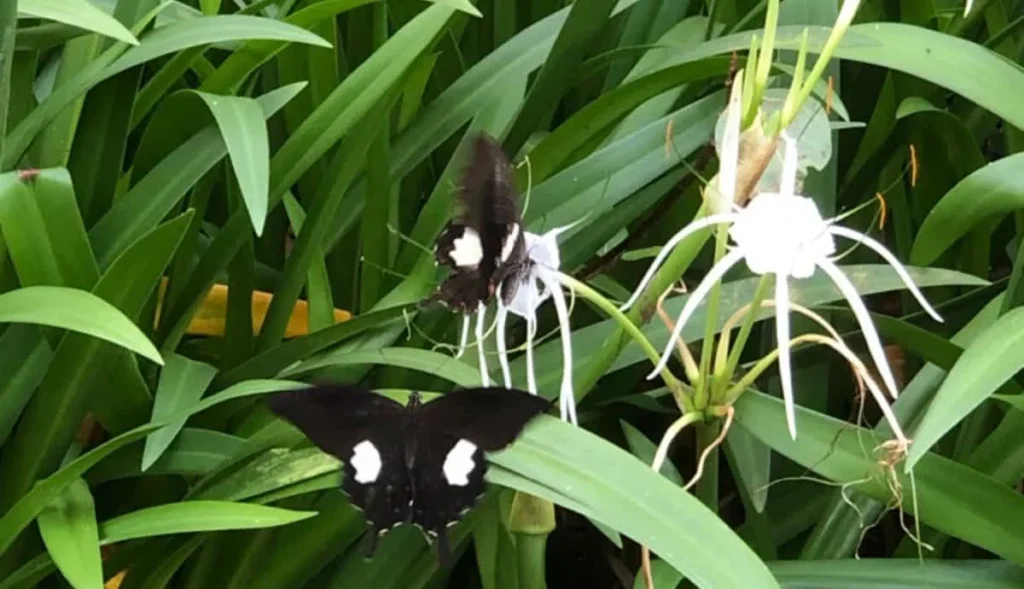
What is the purpose of a garden without its residents? The sight of butterflies and the melody of birds makes a garden pleasurable. By using chemical-free, organic fertilizers, pesticides or any other plant care materials, every small space can do its bit in protecting biodiversity. At the same time, using such natural products enhances soil health, longevity of plants and reduces its carbon footprint.
3) Pocket-Friendly:
Can we create a garden which is aesthetic and low on maintenance at the same time? Yes, of course. Replacing exotic plants with native / indigenous and hardy varieties can not only increase your garden’s lifespan but also reduce maintenance costs to a considerable extent. Native plants are well-adapted for our local climate. This means, they’re more resistant to pests – hence, reducing the use of pesticides. They contribute more towards soil nutrition – hence, reducing the use of fertilizers. They’re hardy in nature – hence, they tend to survive better in harsher weather conditions – hence, reducing the replantation efforts.
To sum up, the choices that we make in our gardens make them sustainable. Choices that put self-sustenance at the centre of garden design. Choices that create a balance between contemporary aesthetics and traditional wisdom.
If any of the above scenarios read familiar to you, then it’s time to transform your society garden into a sustainable garden. As pretentious as it may sound, it is just about going back to our roots.Be it the colours from flowers, the vibrancy from birds and butterflies, the joy of growing your own organic food or a cooler sense of surroundings, a garden has much more to offer than one can think. From improving our physical, mental, spiritual, emotional, to even social health, it can enhance our quality of life. Not just for us, but everyone around us.
Categories
blog Sustainable Gardening Basics

Pal Talks Volume 5: July-August 2023

Red Alert!
From skyrocketing price of tomatoes to deluge of rain, this monsoon season has brought several red alerts in our lives.
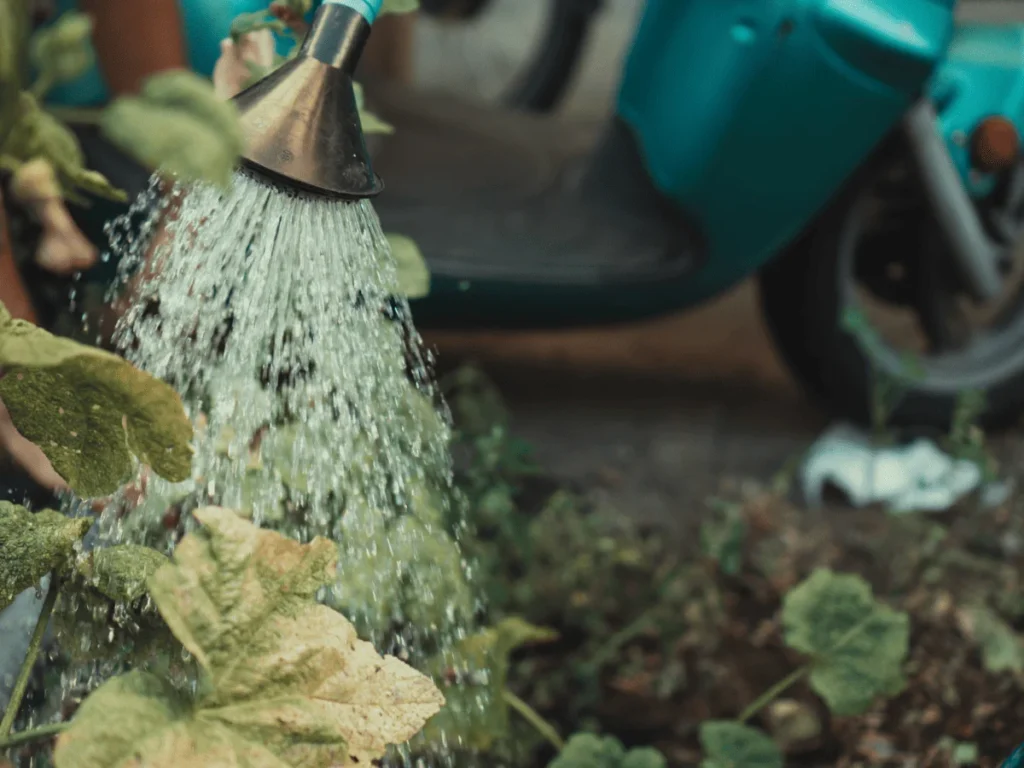
This takes us back to the most fundamental questions – when exactly to water the plants? Just yesterday it was pouring, today it is sunny.. what should be the watering routine?
The answer lies within your touch!

A few thumb rules to help you and your plants this monsoon:

Feel the soil

Be 100% sure while watering your plants with this finger test.. especially for indoor plants.

Dip your fingertip (about an inch) in the soil and see if it sticks to your finger.

If yes, there’s enough water and you can avoid watering your plant. If it doesn’t stick at all, only then water your plants.

Make simple changes

In addition to this, you may do the following:

reduce overall quantity of water to avoid filling up the plates or containers for indoor plants

remove the trays / plates for outdoor plants to allow excess water to flow out from the bottom

Categories
blog Sustainable Gardening Basics

3 things we can learn about community building from trees

Have you ever wondered about we build communities? Well, the answer may not be that complex. Building communities is much like growing a garden. Both need time, patience, knowledge and above all, compassion to thrive in an environment.

Investing in creating a community and garden has immense payoffs – not immediately, but in the near and far future. Plants not only help us in our day-to-day living but also teach us several virtues. Such as:

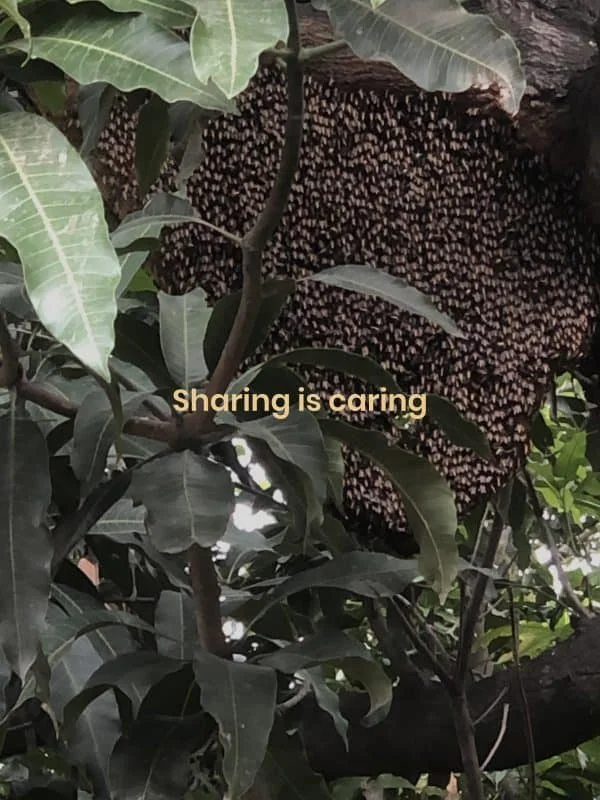
With the help of an extensive root system, native plants, share their nutrients with their neighbours. Such sharing of materials enables plants, trees self-sufficient.

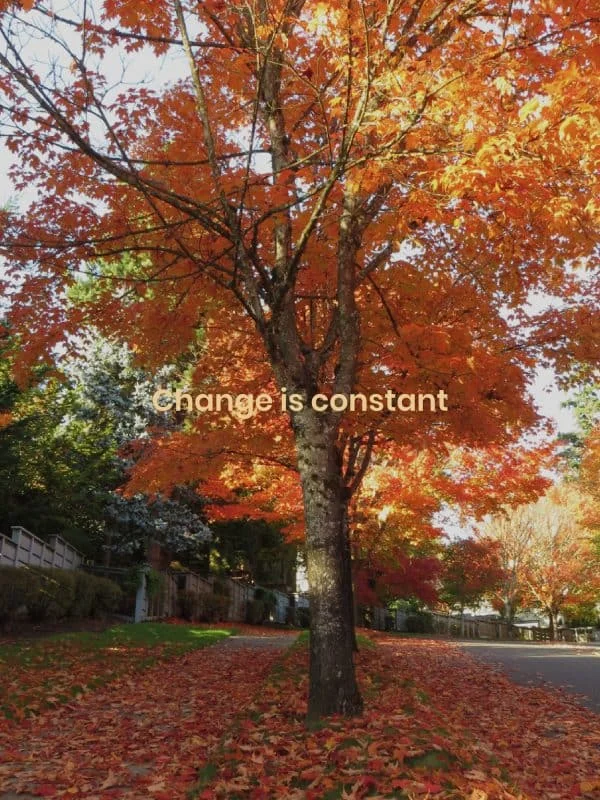
It’s no surprise that trees change colours of their leaves with changing seasons. Such adaptive behaviour helps them survive better and longer than being rigid.

No one does it better than trees. From alerting others about pests attack to sharing an underground root network, plants know that working together is best for survival.

Plants are no different than us in their behaviour. Observe these similarities between you and them next time when you’re in your garden.

Categories
blog Sustainable Gardening Basics

Did you know? Black soil is not always the best

It is not necessary that blacker the soil, the better it is for your plants. There are several types of soil found across the world.
From colour to density, each kind of soil differs depending on a region’s typography and weather conditions.
Hence, while starting an indoor or outdoor garden, one must consider theIn India itself, every state has different kind of soil, rich in minerals in their own way. From black to red, from alluvial to marsh, soil conditions vary from region to region depending on the respective climate and environment.se three aspects:

1. Rich in minerals and organic matter

Each region in India has a different typography, geographical conditions and mineral compositions. Using local soil gives access to these rich deposits of minerals and organic materials.

2. Well-suited to support native plants

Local soil is equipped to handle the local plants. It complements the strengths of these plants and gives essential support in building immunity towards pests, other threats.

3. Avoids degradation of environment

Lesser transportation, lesser use of fertilizer, lesser burden on plants, there are several advantages of using native soil in gardens. They thus help in reducing the environmental impact.

Next time you want to change the soil of your plants or create a new garden, choose the locally originated ones. Here are the top benefits of using native soil in your garden v/s the commercially available garden soil.
Categories
blog Native Plants of India

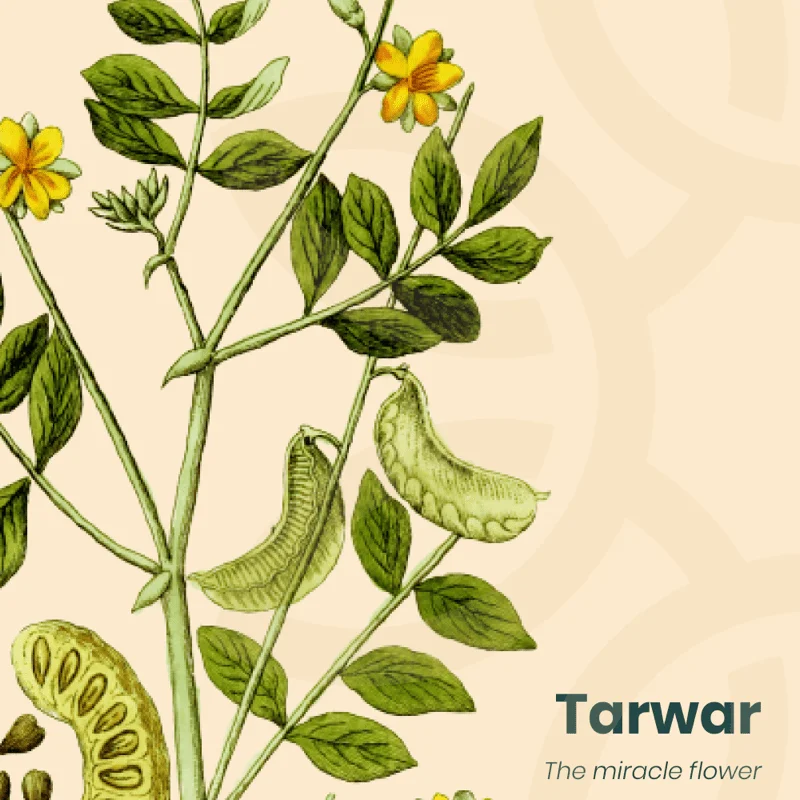
Tarwar: The miracle flower

Tarwar – The miracle flower
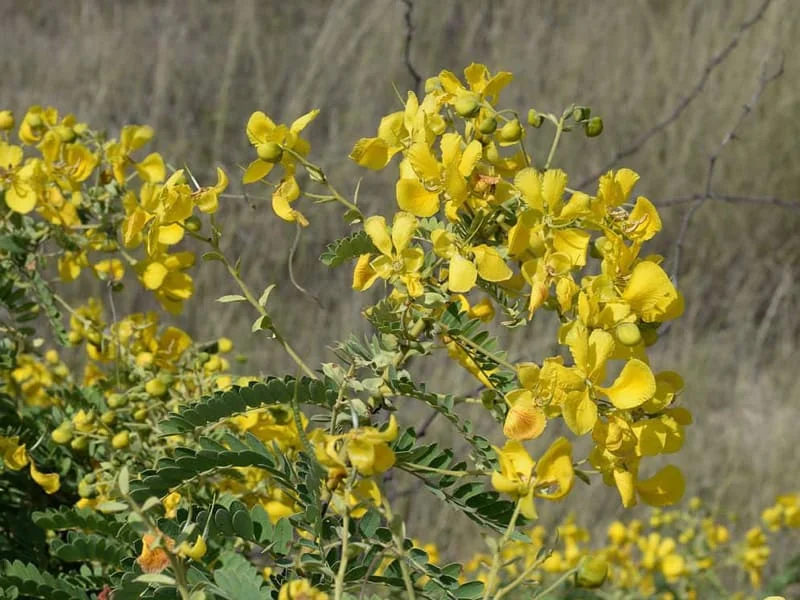
Tarwar (Senna auriculata) is a miracle plant. It is popularly known as Avartaki, Avarampoo, Tanner’s Cassia. Bright yellow flowers, medicinal values, and an evergreen foliage, defines this humble plant
Found widely growing in the dry zones of peninsular India as far as the northern parts of Rajasthan, Tarwar is an extremely hardy plant. It can survive the harshest weather conditions.
Grown as a hedge plant, it is typically found along roadsides and various other open degraded habitats and in scrub forests, usually on stony, dry or sandy soils.
Tarwar is widely used a a household medicinal plant from being an antiseptic to treating skin disorders. In Ayurveda, the root of this plant is used in a decoction for fevers, diabetes, diseases of the urinary system and constipation.
Categories
blog Sustainable Gardening Basics

Did you know? Plants love terracotta

Planters are made out of natural clay are both plant and environment-friendly. Such material is breathable and adjusts as per the outside temperature. In short, plants love and thrive in terracotta v/s other materials. However, they come with their own pros and cons.

Water and air circulation is better in terracotta

The high porosity in terracotta planters allows for air and water to move through the walls. This keeps the plant healthy from root rots, soil erosion, etc.

Terracotta materials also reflects the outside temperature very easily. Hence, problems related to watering can be easily noticed in such planters.

Natural look and patina makes it more desirable

The colour of clay combined with the white deposits on the outer surface can outshine any other material.

In different regions around the world, clay colour can differ from reddish brown to white and even black in a few cases. You can also give it your creative spun

Being a natural material, it is prone to wear and tear

Since terracotta planters are made of natural clay, they’re delicate and can break or crack.

Long exposure to water can bring a deposit of fungus on the outer layer. However, it can be scraped or washed once the temperature is dry enough with a cloth or tissue.

Categories
blog Sustainable Gardening Basics

FAQ: How to create a sustainable garden?

Such balanced, consistent, and self-sustained ecosystems require minimal or no intervention, resulting into ecological conservation at a macro level.

At an individual level, choosing eco-friendly materials, native plants, optimising time and resources to create your home garden, makes it sustainable.

Such methods encourage natural ways of –

Growing

(with no frills attached)

Fertilization

(where the kitchen is the gold mine)

Pest control

(when the job can be done gently)

Watering

(when less is more)

Creating a sustainable garden at home requires a holistic approach towards incorporating natural ecosystems at a smaller scale. From the choice of planter materials to the type of plants and maintenance of gardens, one can create a self-sustaining microcosm within the confines of one’s home.
Categories
blog Sustainable Gardening Basics

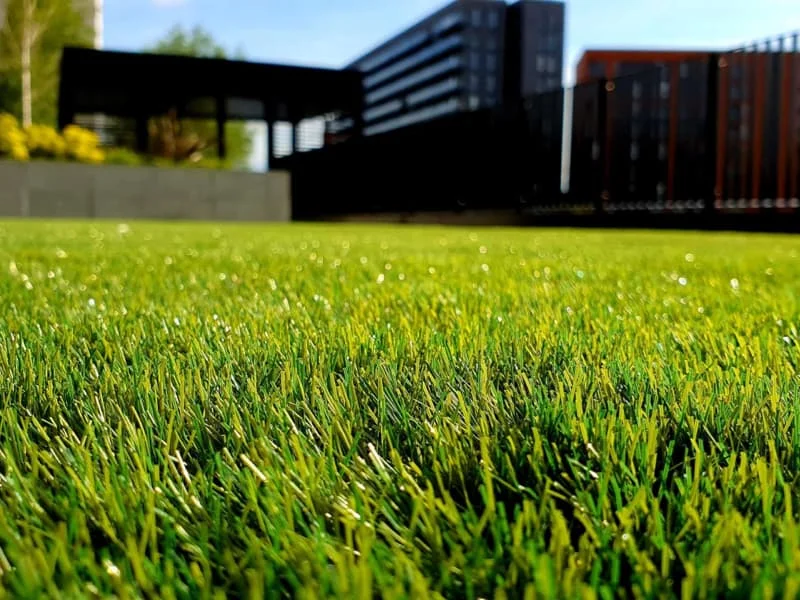
3 reasons why you don’t need a lawn

A lush green, perfectly manicured lawn is something we all plan to have one day. But what if we told you that you could have something better along with it and that too, with minimal maintenance?

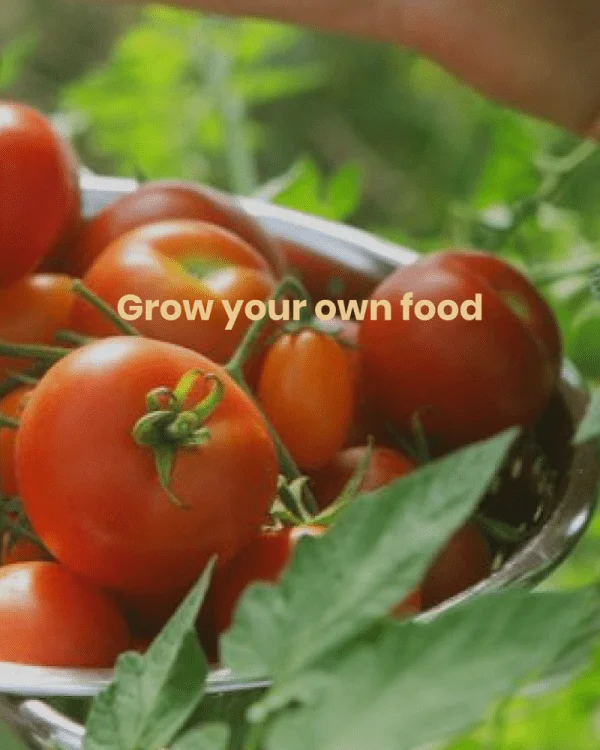
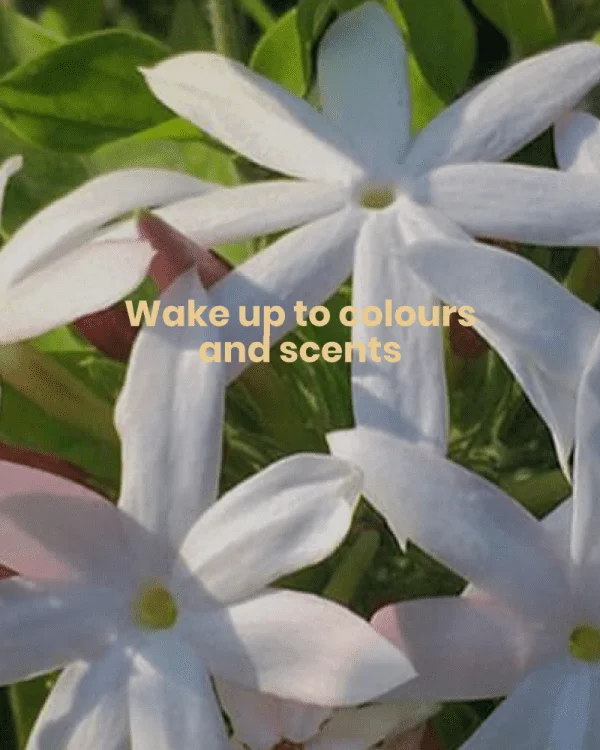
Yes, this is possible. Using sustainable gardening techniques, you can transform your lawn into any lively space you can imagine. From growing your food in small patches or creating a colourful and fragrant flower garden, your lawn can be an oasis of life.

Starting a lawn garden may seem difficult. A little bit of planning and investment in laying the right foundation can make it self-sustainable in the long-run.

Here are the 3 things you could start in your lawn:

Start a small vegetable or herb garden with the help of contemporary raised beds.

Create a colourful border with different flowering plants that are rich in aroma and beauty.

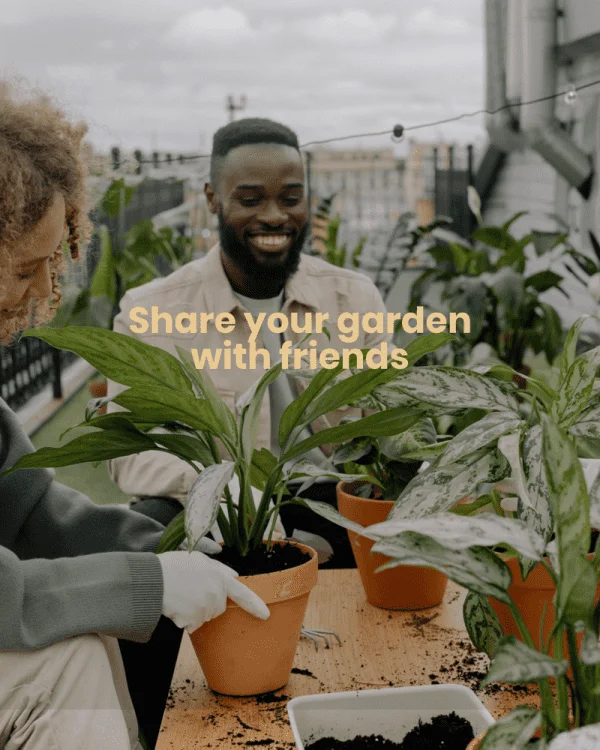
Use your lawn as a green hangout space for the friends of you and nature.

Categories
blog Sustainable Gardening Basics

FAQ: Where can I get sustainable gardening products?

The answer is simple and within your reach. To create a garden with sustainable materials, you don’t have to travel far.

Buying these products online will certainly give you a variety to choose from. However, longevity and sustainability – especially in the case of plants, remains highly doubtful.

For example, when you buy plants online, they travel from various locations outside the city. The time spent in transit from one location to the other in a cardboard box pushes the plant into shock. By the time it reaches your doorstop, it has already suffered the long journey and transplanting in a new environment becomes lesser conducive.

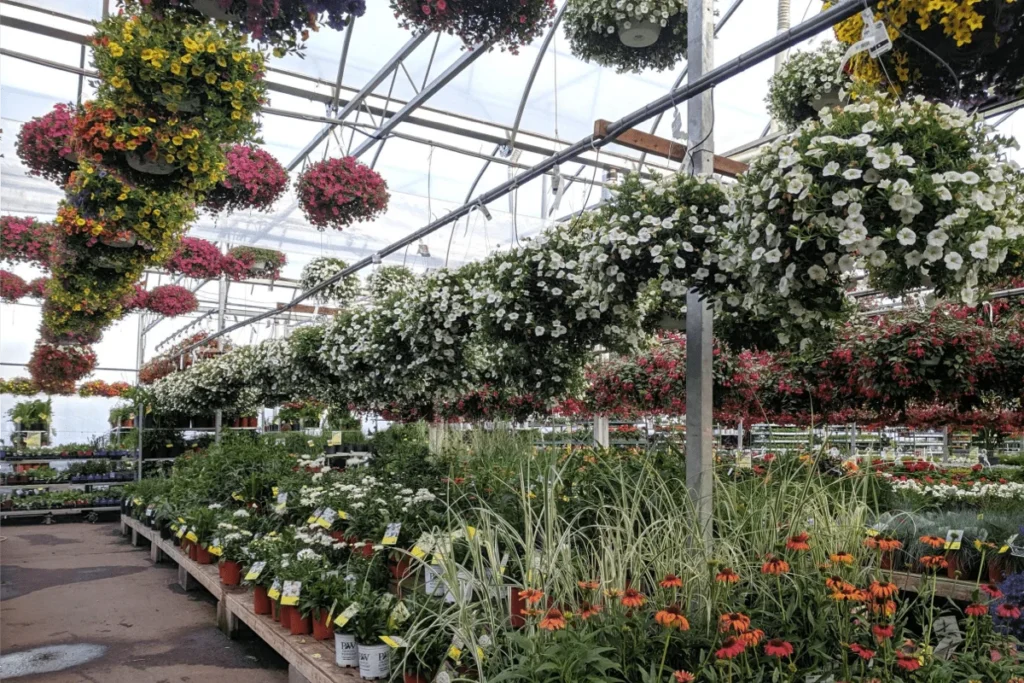
When it comes to plants, always buy from a local nursery or plant store. It not only ensure good health of the plant but also reduces cost of transportation, carbon emission etc. Plus the entire experience of visiting nursery itself is fulfilling.

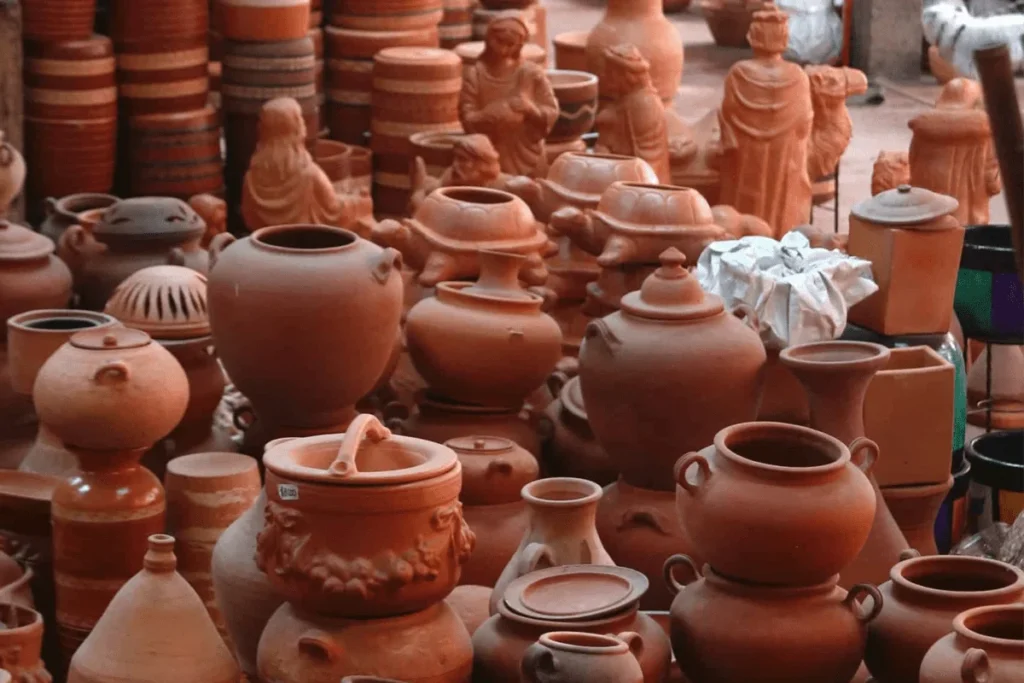
Same applies for planters. Each city in India from Mumbai, Delhi, Bangalore, Kolkata, Ahmedabad is filled with skilled pottery artisans. Visit any local pottery hub to acquire some unique terracotta planters for your garden.

To sum up, here are two interesting ways
of making your garden sustainable.

Go local

Buy terracotta planters from local pottery artists, native plants from local nurseries, and other gardening materials from local stores.

Not only it will save you the transportation and packaging hassles but you may just find artistic and real products too.

Up-cycle

Reuse, recycle some of your junk / used products into interesting planters. Using empty plastic bottles, glass jars, tin boxes, can be made to grow plants that do well in water and lesser soil.

From money plants to kitchen herbs, such planters can help you make your own style statement.
Needless to mention, we will be happy to assist you in your quest to make your garden fully sustainable by recommending local partners who can fit the bill.